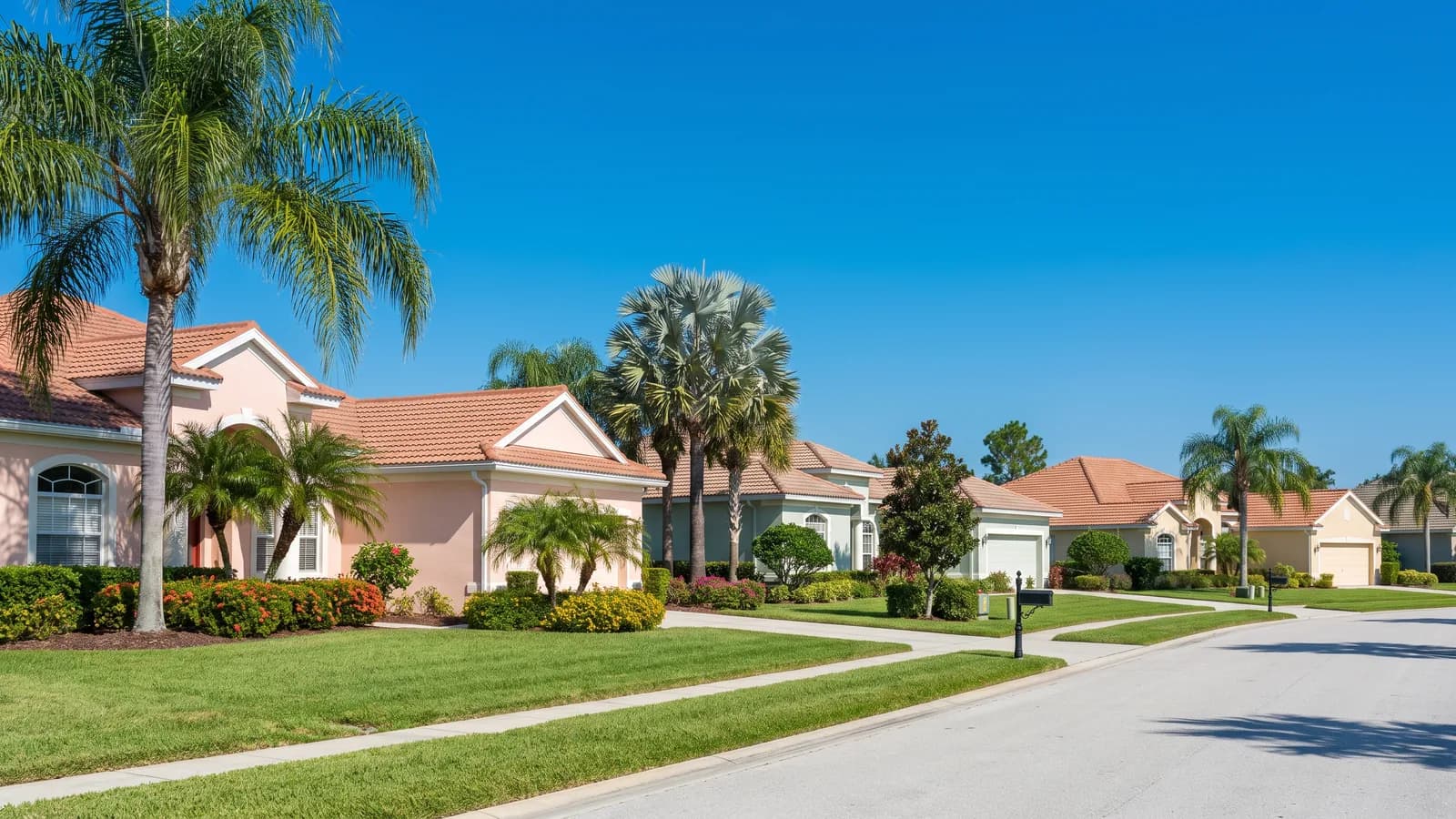
If your home is inside the City of Orlando, the city generally handles your residential building permits, not Orange County. Orlando is an incorporated city within Orange County, so homes inside the city limits go through the city's permitting for most residential work, while homes in unincorporated areas fall under the county. Confirming which applies to your address is the essential first step.
Key takeaways
- Homes inside Orlando city limits generally permit through the City of Orlando, while unincorporated homes permit through Orange County.
- Most structural, electrical, plumbing, mechanical, gas, roofing, and envelope work requires a permit, with limited minor-work exemptions.
- The permit process follows a common path: application, review, issuance, inspections, and a final inspection that closes the permit.
- Fees, submittal details, and requirements are set locally, so confirm them with the correct building department.
Table of contents
- Who issues building permits in Orlando
- How do I know if I am inside Orlando city limits
- What home projects need a permit in Orlando
- What work is usually exempt
- How does the Orlando permit process work
- What inspections should I expect
- How much do permits cost and how long do they take
- Orlando city versus unincorporated Orange County
- A worked example: replacing windows in Orlando
- What about contractors and owner-builders
- How does HB 803 affect Orlando homeowners
- What documents does an Orlando permit application need
- What should I do before starting a project
Who issues building permits in Orlando
The City of Orlando's permitting handles residential permits for homes inside the city limits. Because Orlando is an incorporated municipality, it administers its own building permitting rather than routing residential work through Orange County.

If you apply or search at the wrong office, you can miss records or waste time, so start by confirming jurisdiction. Homes inside the city use the city, while unincorporated homes use the county, covered in our unincorporated Orange County guide.
How do I know if I am inside Orlando city limits
Check the Orange County Property Appraiser record for your parcel, which usually shows the jurisdiction, or ask the city. An Orlando mailing address does not always mean your home is inside the city limits, because the postal city extends well into unincorporated Orange County.
This is a frequent source of confusion in the Orlando area, where city and unincorporated neighborhoods sit close together. Confirm before you apply. Our Orange County hub explains the broader split.
What home projects need a permit in Orlando
Most projects affecting structure, safety systems, or the building envelope require a permit, following the statewide Florida Building Code. That generally includes additions, roofing, electrical, plumbing, mechanical and gas work, window and door replacement, and many accessory structures.
Common permitted residential projects include:
- Roof replacement and structural repairs
- Electrical work, including panel upgrades and new circuits
- Plumbing and gas work, including water heater replacement
- HVAC replacement and other mechanical work
- Window and door replacement, including impact products
- Additions, decks, and screen enclosures
For the statewide picture of what triggers a permit, see our pillar guide on whether you need a permit in Florida.
What work is usually exempt
Minor cosmetic and maintenance work is often exempt, such as painting, flooring, and similar finishes that do not affect structure or systems. The Florida Building Code lists categories of work jurisdictions may exempt, and the city applies those locally.
Exempt from a permit does not mean exempt from the building code, and zoning rules can still apply. Always confirm a specific project instead of assuming, since the exempt categories are narrower than many homeowners expect.
How does the Orlando permit process work
The process follows the general Florida path: apply, have the application reviewed, receive the permit, complete inspections during the work, and pass a final inspection that closes the permit. Projects that alter structure or systems usually require plans, while simpler work may use a streamlined submittal.
A typical sequence looks like this:
- Submit an application describing the work, with plans if required.
- The department reviews for code and zoning compliance.
- The permit is issued and fees are paid.
- Inspections occur at set construction stages.
- A final inspection closes the permit once the work passes.
Our guide on the permit inspection order explains how inspections sequence.
What inspections should I expect
Inspections verify work at stages where problems would otherwise be concealed, such as framing before it is covered and electrical or plumbing rough-ins before walls close. The exact inspections depend on the project.
The final inspection confirms the completed work matches the approved permit. Missing an inspection or covering work before it is checked can lead to having to expose it again, so schedule each inspection at the right stage. Our guide on what building inspectors check helps you prepare for common inspection points, and calling for each one when the work is actually ready avoids the most common reason inspections fail.
How much do permits cost and how long do they take
Fees and timelines are set locally and depend on project type and value, so the city building department is the reliable source. Simple permits move faster than projects requiring full plan review, and the total time also depends on how complete your application is when you submit it.
Because these figures change and vary by scope, do not rely on numbers from another jurisdiction. See our overview of Florida permit costs and timelines for how they are generally structured, then confirm current figures with the city.
Orlando city versus unincorporated Orange County
| Factor | Inside Orlando | Unincorporated Orange County |
|---|---|---|
| Permitting authority | City of Orlando | Orange County |
| Where to search records | City portal | County portal |
| Code applied | Florida Building Code | Florida Building Code |
| First step | Confirm you are in city limits | Confirm you are unincorporated |
A worked example: replacing windows in Orlando
Consider a homeowner inside Orlando replacing several windows. A licensed contractor pulls a permit with the city, provides the product approval numbers for the new windows, and schedules the inspection after installation to confirm the products and anchoring meet the wind requirements.

Windows are a good example because they must meet product-approval and wind rules, and the homeowner must permit and search records with the city. Our guides on window replacement permits and the windows and doors project page cover the details.
What about contractors and owner-builders
Most homeowners hire licensed contractors who pull the permit in their own name, keeping responsibility for code compliance with the professional. Florida also allows an owner-builder path for work on your own home, with responsibilities to understand first.
If you are weighing acting as your own contractor, our guide on owner-builder permits explains the trade-offs. For most homeowners, a licensed contractor is the simpler route.
How does HB 803 affect Orlando homeowners
HB 803 requires jurisdictions to exempt qualifying single-family residential work valued at $7,500 or less from the building permit, excluding electrical, plumbing, mechanical, gas, and structural work, and not applying in flood hazard areas. Orlando homeowners benefit within those limits.
Because the exemption is narrow, most meaningful projects still need a permit. Our pillar guide on the HB 803 $7,500 exemption explains the conditions, and the exemption checker applies them to your project.
What documents does an Orlando permit application need
The exact documents depend on the project, but a residential permit application generally includes a completed application form, a clear description or drawings of the work, contractor and licensing information when a contractor is involved, and property details such as the parcel number. Larger or structural projects require plans that show how the work meets the applicable code.
For trade work, additional items are common. Window, door, and roofing projects often need product approval numbers that show the materials meet Florida wind requirements, which matters given the region's storm exposure. Structural work such as an addition or a deck usually needs detailed or engineered drawings, while electrical, plumbing, and mechanical work identify the systems being changed. Simpler over-the-counter permits ask for far less than a full addition, so the document list scales with the complexity of the job.
Gathering the right documents before you apply speeds up review and reduces back-and-forth with the department. Our permit application documents checklist walks through what building departments commonly request, and the Permit Prep Pack assembles an organized document set for you. Because Orlando sets its own submittal details, confirm the specific list with the city building department for your exact project type, since bringing a complete package the first time is the simplest way to keep a project moving.
What should I do before starting a project
Confirm whether you are inside Orlando or in unincorporated Orange County, then contact the correct building department for your project's requirements. Use the free permit checker to frame the project, and consider the Permit Prep Pack for an organized document set.
Our take: In the Orlando area, city-versus-county jurisdiction trips up more homeowners than any code detail. Nail that down first, because an application filed with the wrong office is time lost, and records that seem missing are often just filed one jurisdiction over.