
Florida building inspectors check whether the work matches the approved permit and meets the Florida Building Code for safety, not whether the job is cosmetically perfect. At each stage they verify the specific things that stage is meant to protect: correct framing and connectors, safe wiring, proper plumbing, adequate mechanical work, and a completed project that functions as permitted. Understanding what a Florida building inspector actually checks is the fastest way to pass on the first visit.
Key takeaways
- Inspectors verify that the work matches the permitted scope and meets code for safety, not aesthetics.
- Each inspection stage checks the specific systems that will soon be covered, from framing and wiring to plumbing and mechanical.
- Common failures come from small, correctable issues like missing connectors, unsupported pipe, or work not ready to inspect.
- Having the permit posted, the site accessible, and the work complete and uncovered is half the battle.
Table of contents
- What do Florida building inspectors check
- Do inspectors check quality or just code
- What do they look at during rough-in
- What do they check at the final inspection
- Why do inspections commonly fail
- Common checks by stage at a glance
- A worked example for an electrical rough inspection
- How do you pass on the first try
What do Florida building inspectors check
Inspectors check three things at every visit: that a valid permit covers the work, that the work matches the approved plans and scope, and that it meets code for structural integrity and life safety. Everything they do traces back to those three questions.
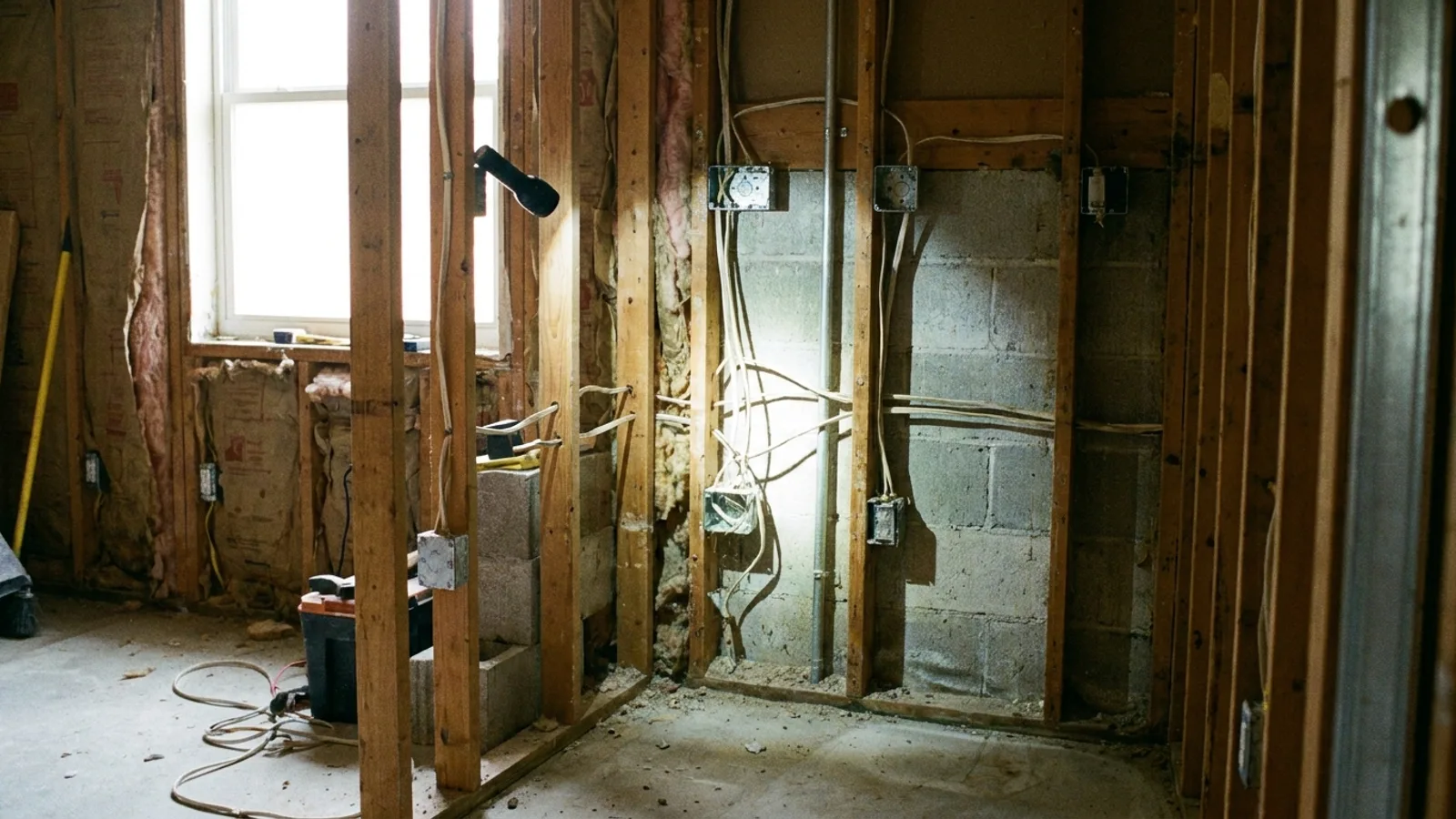
The details vary by trade and stage, but the goal is constant: confirm the work is safe and permitted before it gets covered or occupied. If the work is not ready or does not match the permit, that is grounds for a failed inspection regardless of how it looks.
Do inspectors check quality or just code
Inspectors check code compliance and safety, not craftsmanship or finish quality. A slightly crooked outlet cover passes if the wiring behind it is safe; a beautiful wall fails if the wiring is unsafe.
This surprises homeowners who expect the inspector to grade the finish. Their job is the code minimum for safety, so a passing inspection means the work is safe and compliant, not that it is the best possible work. Craftsmanship is between you and your contractor, which is one reason our guide on licensed contractor versus handyman matters for who does the work.
What do they look at during rough-in
At rough-in, inspectors examine the framing and trade systems while they are still exposed. For framing they check structural members and connectors; for electrical, the wiring, boxes, and grounding; for plumbing, the pipe, supports, and pressure test; for mechanical, the ducts and equipment placement.
Because these systems get covered by insulation and drywall, the rough inspection is the only chance to verify them without demolition. This is exactly why the inspection order puts rough-in before you close any walls. Missing a fire block, a strap, or a required test is enough to fail.
What do they check at the final inspection
The final inspection confirms the completed project is safe, functional, and built to the permitted scope. Inspectors check that fixtures work, safety features are in place, and the finished work matches what the permit authorized.
Depending on the project, that can include verifying smoke and carbon monoxide alarms, egress, guardrails and handrails, working outlets and fixtures, and that products like windows match their product approval. A passing final closes the permit and, on many projects, leads to a certificate of occupancy or completion.
Why do inspections commonly fail
Most inspections fail for small, correctable reasons rather than major defects. The most common are work that is not actually ready to inspect, missing connectors or supports, no access to the area, or the permit not being posted.
Another frequent cause is work that does not match the approved plans, such as a relocated wall or an added circuit that was never on the permit. These are fixable, and a failed inspection is a normal part of many projects. Our guide on what to do after a failed inspection walks through correcting and re-inspecting.
Common checks by stage at a glance
| Stage | Inspector focus | Frequent failure |
|---|---|---|
| Framing | Structural members, connectors, blocking | Missing straps or fire blocking |
| Electrical rough | Wiring, boxes, grounding | Loose connections, missing grounds |
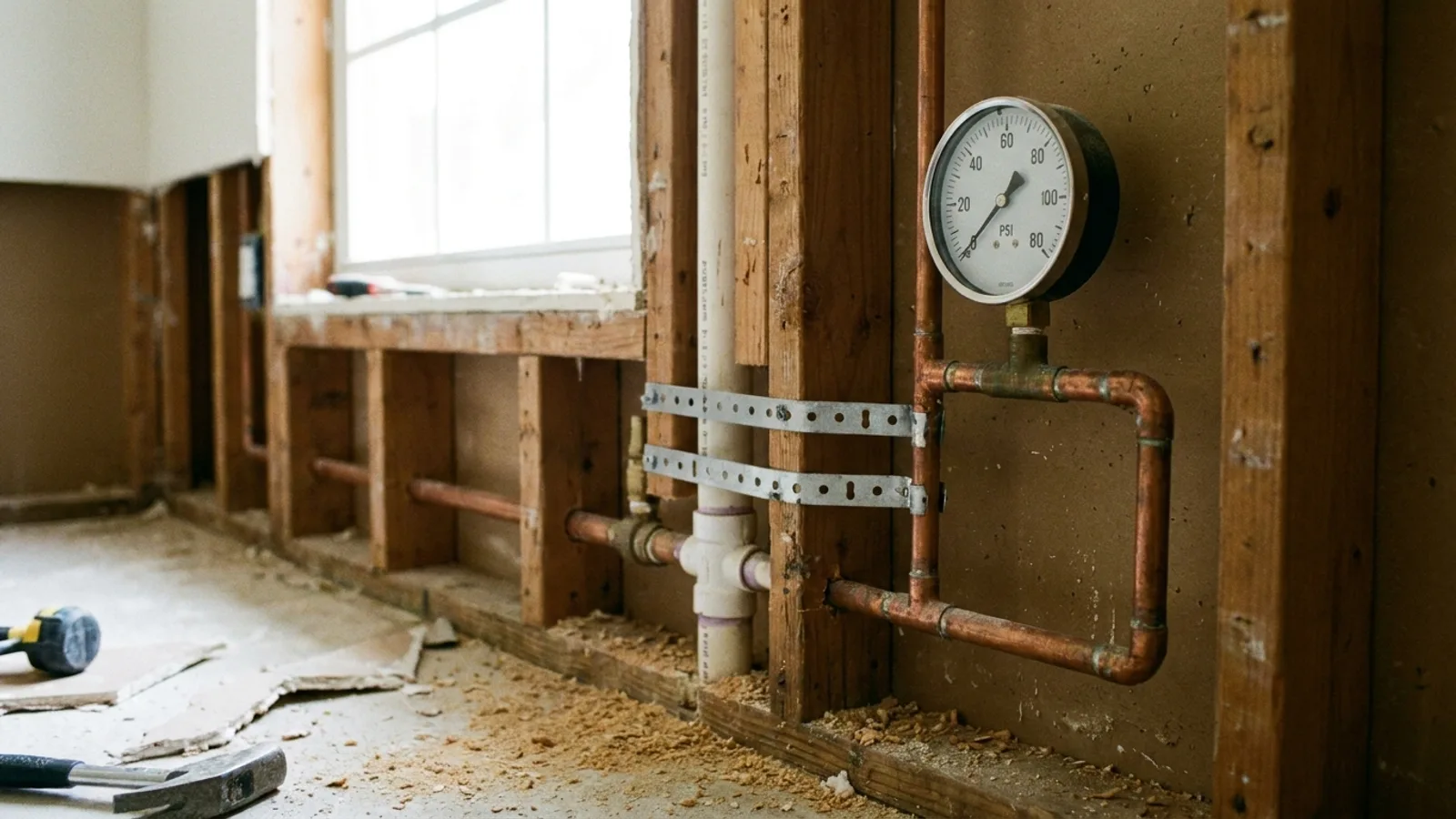
| Plumbing rough | Pipe, supports, pressure test | No test held, unsupported pipe |
| Mechanical rough | Ducts, equipment, clearances | Improper support or clearance |
| Final | Function, safety devices, scope match | Non-working alarms, work not to plan |
A worked example for an electrical rough inspection
Imagine a homeowner in Orange County has finished the electrical rough-in for a garage conversion. The permit covers new circuits, and the walls are still open.
The inspector checks that the wire gauge suits each circuit, boxes are secured and not overfilled, grounds and connections are correct, and the layout matches the permitted plan. They find one junction box missing a cover and note it. The homeowner adds the cover, requests a re-inspection, and passes. The issue was minor, but the inspection caught it before drywall hid it. The free permit checker helps you scope which inspections a project like this needs.
Our take: Inspectors are not adversaries. They are the last line of defense against hidden hazards that cause fires and failures years later. Treat a correction note as free expert review, fix it, and move on rather than arguing the point.
How do you pass on the first try
You pass the first time by making sure the work is complete for that stage, the area is accessible, the permit is posted, and the work matches the approved plans. Inspectors cannot pass work they cannot see or that is not finished.
Confirm the required inspections with your building department, and use the Polk or Orange county resources to schedule. If you are managing the job yourself, our guide on contractor versus owner-builder covers who is responsible for calling and meeting inspections.