
Florida product approval is the system that verifies building products like windows, doors, roofing, and shutters meet the Florida Building Code before they can be installed. The two approval paths you will see are statewide Florida Product Approval, identified by an FL number, and Miami-Dade County's Notice of Acceptance, known as an NOA. When you replace windows or reroof, your permit application usually has to reference the approval number for the exact product you are installing.
Key takeaways
- Florida product approval confirms a building product meets the Florida Building Code for structural and, where required, wind and impact performance.
- Statewide approvals carry an FL number, while Miami-Dade approvals carry a Notice of Acceptance, or NOA.
- Permit applications for windows, doors, roofing, and shutters typically require the product approval number for the specific product installed.
- Product approval is about the product itself; your permit and inspection still verify that it was installed correctly.
Table of contents
- What is Florida product approval
- What is a Miami-Dade NOA
- Which products need an approval number
- Where do you find the FL or NOA number
- FL number versus NOA at a glance
- A worked example for an impact window replacement
- Does product approval replace a permit
- How do you confirm the right product for your zone
What is Florida product approval
Florida product approval is a statewide system that evaluates and lists building products that have been tested to meet the Florida Building Code. Approved products receive an FL number that documents what the product is and the conditions it was approved for.
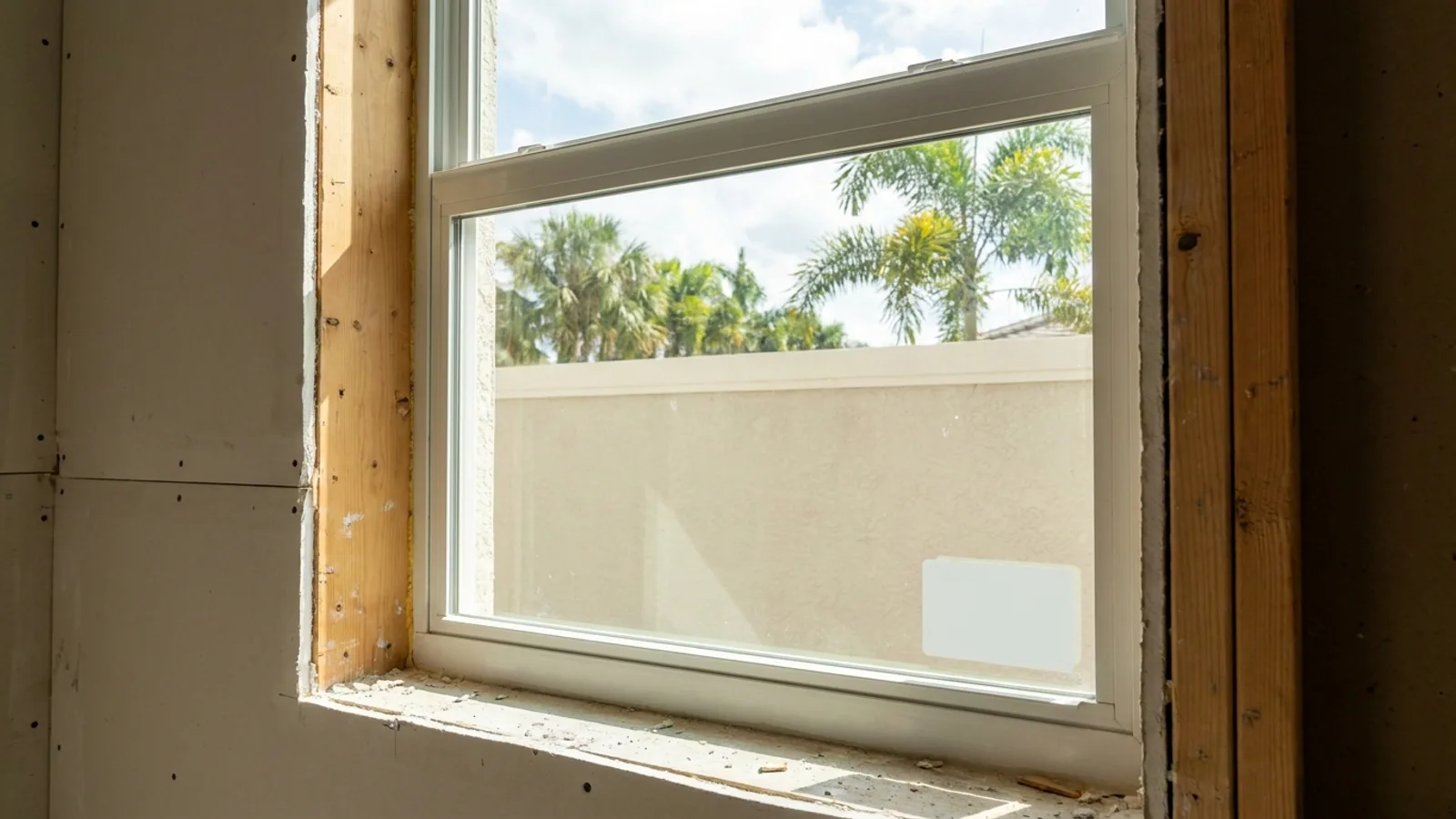
The approval covers products in categories the code cares about most for safety and storm performance, such as exterior windows and doors, roofing, shutters, and structural components. The listing ties a specific product to test standards, so the building department can confirm what you plan to install is code-compliant.
What is a Miami-Dade NOA
A Notice of Acceptance, or NOA, is Miami-Dade County's product approval document, widely recognized across Florida for high-wind performance. Many manufacturers pursue an NOA in addition to or instead of a statewide FL number.
Because Miami-Dade's test protocols are stringent, an NOA is often accepted by other jurisdictions, especially in the High-Velocity Hurricane Zone and in coastal areas. Whether your building department wants an FL number, an NOA, or either depends on the product and location, which is why you confirm locally rather than assume.
Which products need an approval number
Products that affect the building envelope and storm resistance are the ones that typically require a documented approval number. That usually means exterior windows, exterior doors, roofing systems, skylights, garage doors, shutters, and some structural connectors.
This is why a permit for window replacement or a reroof asks for product data. The building department is checking that the exact product meets code for your wind zone. Cosmetic interior work generally does not involve product approval, but envelope and roof work almost always does.
Where do you find the FL or NOA number
You find the FL or NOA number on the manufacturer's product documentation, the product's performance label, and the statewide product approval database. Your contractor or supplier can provide the approval report that matches the model you are buying.
The number points to an approval report listing the tested configurations, sizes, and installation requirements. Matching your actual product and opening size to the approved configuration is what makes the paperwork valid. If you are assembling your permit documents, collect the approval report early so the application is complete.
FL number versus NOA at a glance
| Feature | Florida Product Approval (FL number) | Miami-Dade NOA |
|---|---|---|
| Issued by | Statewide system under the Florida Building Code | Miami-Dade County |
| Identifier | FL number | Notice of Acceptance number |
| Common use | Accepted statewide | Recognized statewide, common for high-wind zones |
| Typical products | Windows, doors, roofing, shutters, structural | Same envelope and storm products |
| What to verify | Product matches approved configuration | Product matches approved configuration |
A worked example for an impact window replacement
Consider a homeowner in Orange County replacing five windows with impact-rated units. The permit application asks for the product approval number and the design pressure for each opening.
The contractor supplies the FL number for the window series and the approval report, which lists the sizes and pressures the product was tested to. The building department confirms the report covers the actual opening sizes, and the permit is issued. At the final inspection, the inspector may check the product labels against the approved documents to confirm the right units were installed.
Our take: The approval number is not busywork. In a wind-borne debris region, it is how the county confirms your windows and doors can actually resist storm pressures and impact. Never let a supplier talk you into an unlisted product to save money, because it can fail inspection and, worse, fail in a storm.
Does product approval replace a permit
No. Product approval verifies the product; the permit and inspection verify the installation. A code-compliant window installed incorrectly still fails inspection, so you need both an approved product and a proper permit.
Think of it as two separate checks. The FL number or NOA answers is this product allowed here, and the permit and inspection answer was it installed to code. Our guide on impact windows covers how the two come together on a real job, and the free permit checker helps you scope the work.
How do you confirm the right product for your zone
Confirm the right product by matching the approval report to your wind zone, opening sizes, and any wind-borne debris region requirements before you buy. Your building department and the statewide product approval database are the authoritative references.
Start with the free permit checker to frame the project, then verify local requirements through the Polk or Orange county resources. Getting the product and paperwork right up front is the fastest path to a smooth permit and a passing inspection.