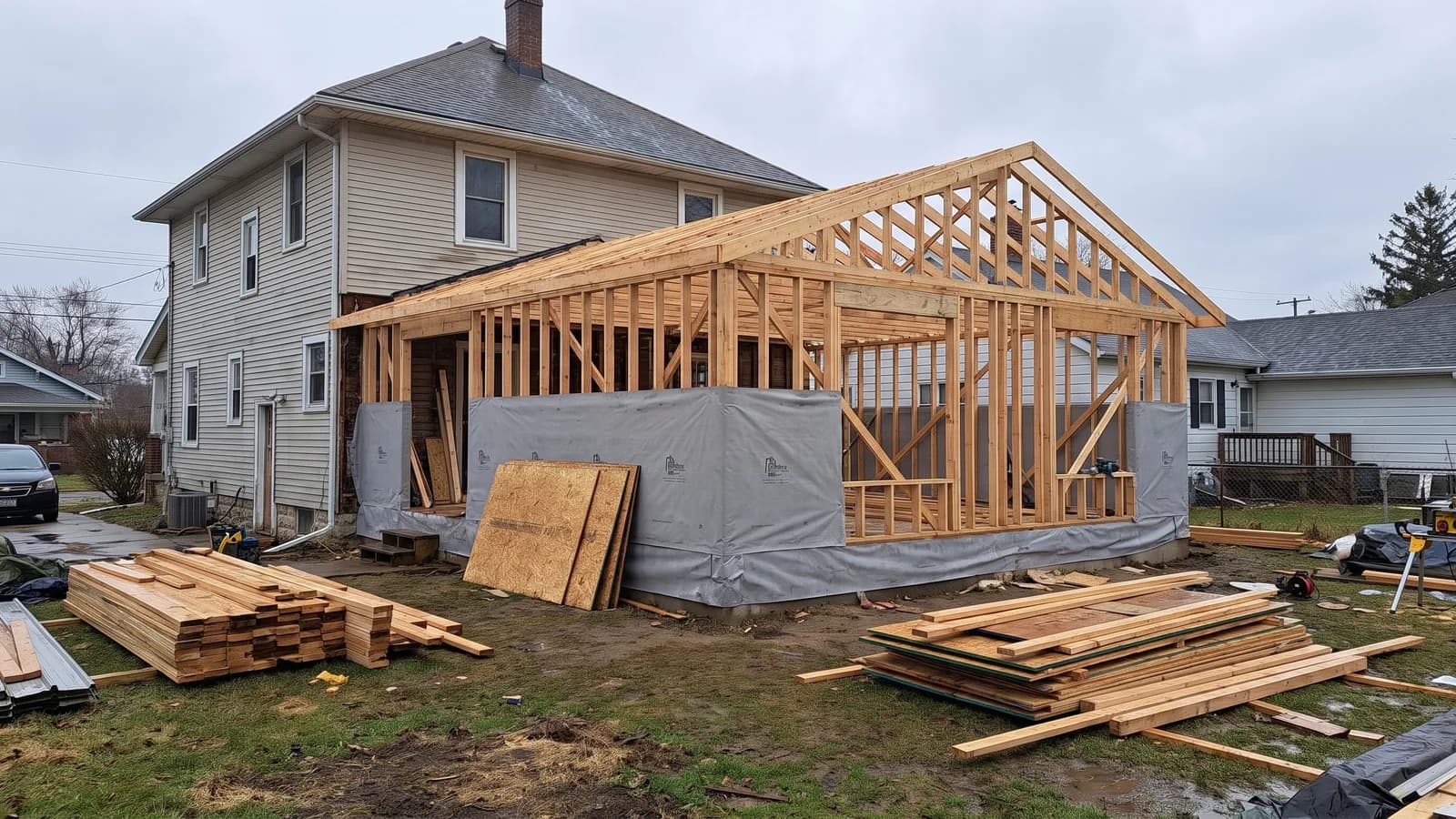
North Carolina puts more of the consequences of unpermitted work into statute than most states. A stop work order can be issued and violating one is a Class 1 misdemeanor. A permit can be revoked for a substantial departure from the approved plans. And occupying a building before the certificate of compliance is issued is itself a Class 1 misdemeanor. None of that is left to a local ordinance to invent.
Key takeaways
-
NCGS 160D-1110 requires permits for building, plumbing, heating and cooling, and electrical work, with only narrow exceptions that require a licensed tradesperson.
-
Violation of a stop work order is a Class 1 misdemeanor under NCGS 160D-404.
-
A stop work order can be appealed, but only within five days, in writing.
-
A permit may be revoked for any substantial departure from the approved application, plans or specifications.
-
Occupying a new, added to, altered or moved building before the certificate of compliance issues is a Class 1 misdemeanor.
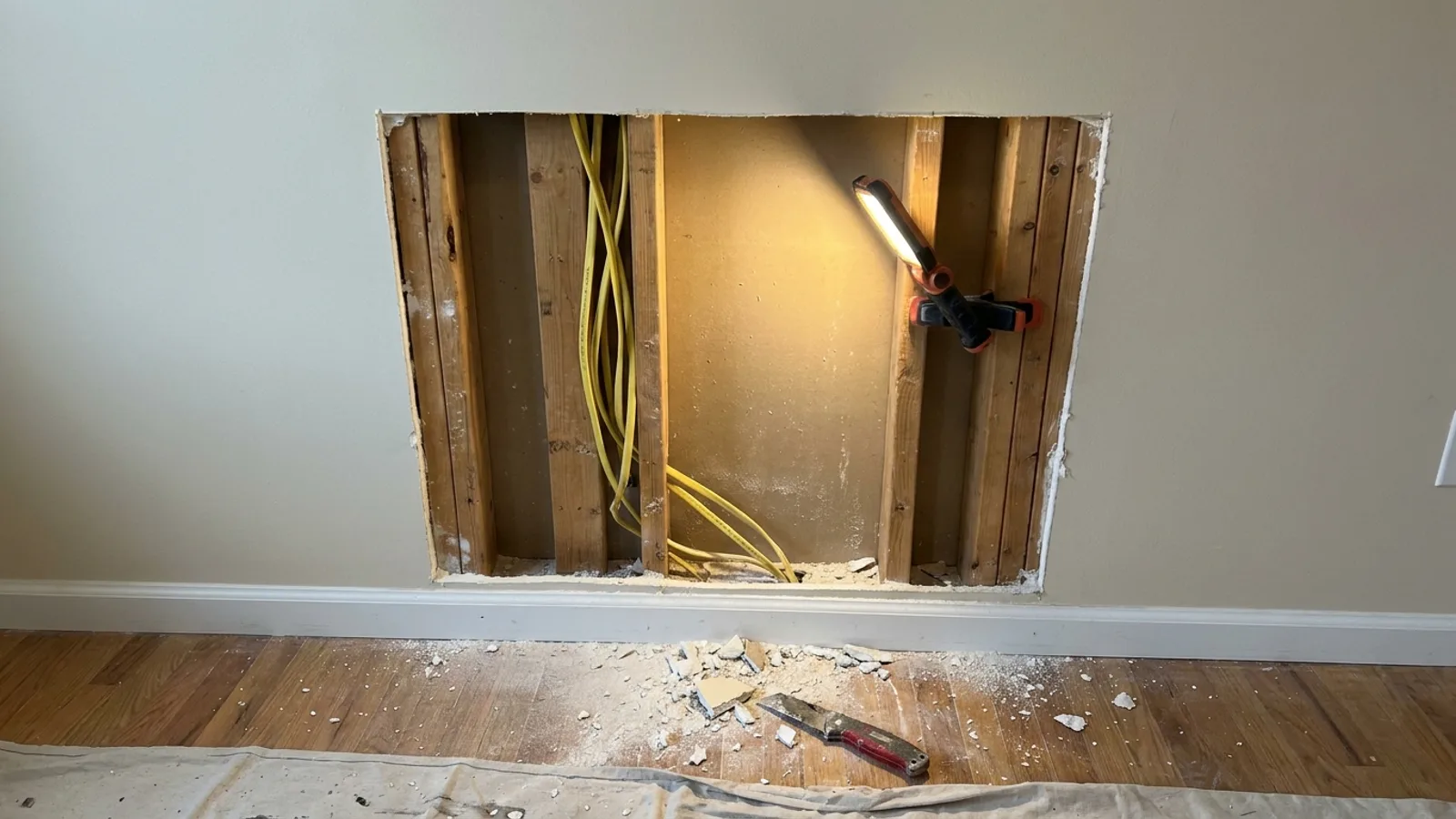
What work needs a permit in North Carolina?
More than most homeowners expect. NCGS 160D-1110(a) provides that no person shall commence construction, reconstruction, alteration, repair, movement, removal or demolition of any building or structure, nor the installation, extension or general repair of any plumbing system, nor the installation, extension, alteration or general repair of any heating or cooling equipment system, nor the same for electrical wiring, devices, appliances or equipment, without first securing all required permits.
The exceptions are narrow and instructive. In a one or two-family dwelling no permit is needed to connect a replacement water heater under stated conditions, or to repair or replace lighting fixtures and devices such as receptacles and switches, or to connect an existing branch circuit to a replacement electric water heater. Every one of those requires the work to be done by a licensed person, so none of them is a do-it-yourself allowance.
What happens if the department finds out?
Usually a stop work order first, and North Carolina defines what that means. Under NCGS 160D-404 the order is delivered to the holder of the development approval and to the property owner by personal delivery, electronic delivery or first-class mail, and no further work may take place in violation of it pending a ruling on any appeal.
The teeth are in the last line of that subsection: violation of a stop work order shall constitute a Class 1 misdemeanor. Continuing to build after being told to stop is a criminal matter in North Carolina, not merely an expensive one.
The statute also gives the local government broad civil remedies. It may institute any appropriate action or proceeding to prevent unlawful construction, to restrain, correct or abate the violation, to prevent occupancy of the building, structure or land, or to prevent any illegal act or use about the premises.
How do I appeal a stop work order?
Fast, and in writing. Under NCGS 160D-1114 an appeal from a stop work order is made to the State Fire Marshal within five days, in writing, with a copy to the local inspector.
Five days is a short window and it starts running when the order reaches you, so note the date it arrives. Work does not resume in the meantime, because the statute is explicit that no further work may take place in violation of the order while an appeal is pending.
| Consequence | Statute | What it means |
|---|---|---|
| Stop work order | NCGS 160D-404 | Work halts, appeal within five days |
| Violating a stop work order | NCGS 160D-404 | Class 1 misdemeanor |
| Permit revocation | NCGS 160D-1115 | Substantial departure from approved plans, or a permit issued in error |
| Occupying without a certificate | NCGS 160D-1116 | Class 1 misdemeanor |
| Civil remedies | NCGS 160D-404 | Injunction, abatement, prevention of occupancy |
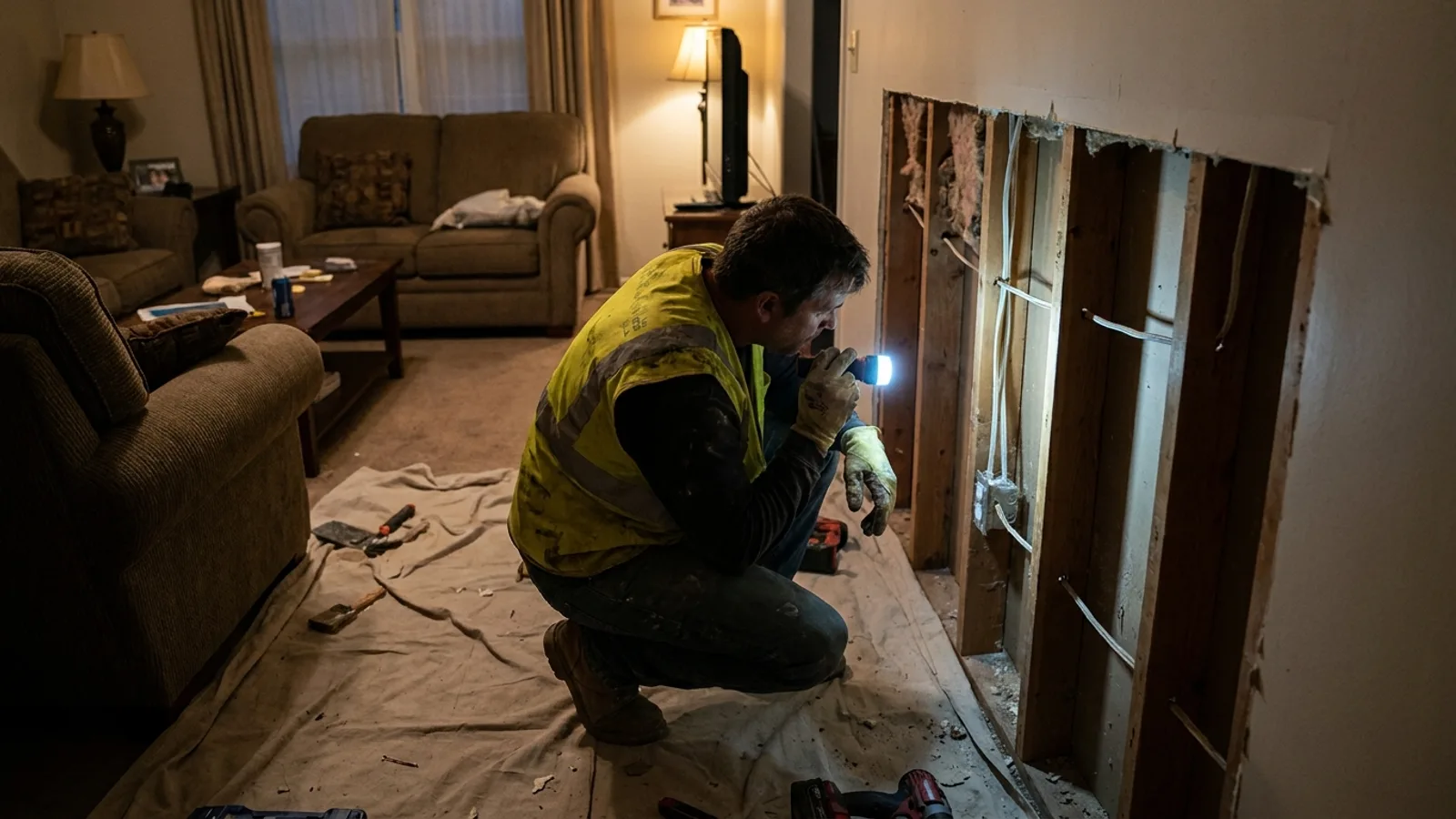
Can a permit be taken away after it is issued?
Yes. NCGS 160D-1115 allows the inspector to revoke and require the return of a permit, and the grounds are broader than most people assume. They include any substantial departure from the approved application, plans or specifications, and a permit mistakenly issued in violation of an applicable State or local law may also be revoked.
That second ground matters. A permit is not a shield against a rule that should have stopped it. It is also the mechanism behind the owner-builder affidavit process, where the Licensing Board's determination that an applicant was not entitled to the exemption results in revocation.
What about moving in early?
Do not. NCGS 160D-1116 provides that a final inspection is followed by a certificate of compliance, and that no new building, no addition or enlargement, and no altered or moved building may be occupied until the certificate is issued. A temporary certificate may be available for a stated period where the inspector finds the building may safely be occupied.
The statute then makes the point sharply: occupying or allowing occupancy before the certificate issues is a Class 1 misdemeanor. That is a genuine risk on a renovation where a family wants to move back in a week early, and it is worth planning the schedule around rather than negotiating on the day.
Our take: the criminal provisions rarely get used against a homeowner acting in good faith, and that is not the reason to comply. The reason is that everything downstream, a sale, a refinance, an insurance claim, runs on the record. North Carolina simply gives the department stronger tools than most states if you decide to test it.
When does unpermitted work get discovered?
At the worst moment, usually. A sale and the buyer's inspection. An appraisal or refinance, where unpermitted space may not count toward value. An insurance claim after a loss, when the carrier asks what was permitted. A later permit application on the same property that prompts questions about earlier work. A neighbour complaint during noisy construction.
Because the certificate of compliance is a statutory document in North Carolina, its absence is easy for a buyer's attorney to spot. It is worth looking up the permit history on your own address before someone else does.
What should I do if I already built without a permit?
Go in voluntarily and ask about the process before you name your address. Departments deal with this constantly and are markedly easier to work with before an order or a complaint exists. The after-the-fact permit guide walks through what that involves, including what usually has to be opened for inspection.
Check the zoning question separately, since a structure in the wrong place is not cured by inspection. Run the free permit checker for your project and county, and confirm the office details on the page for your North Carolina county.