
Building permit records held by a North Carolina city or county are public records, and the statute is unusually direct about who owns them: NCGS 132-1(b) says the public records compiled by North Carolina government and its subdivisions are the property of the people. You do not need a reason to ask. What North Carolina does not give you is a deadline, because the standard is "as promptly as possible" rather than a fixed number of days.
Key takeaways
-
Permit applications, issued permits, inspection records and certificates of compliance are public records under NCGS Chapter 132.
-
NCGS 132-1(b) declares public records the property of the people, and sets the policy that people may obtain copies free or at minimal cost, with "minimal cost" defined as the actual cost of reproducing the record.
-
NCGS 132-6(a) requires every custodian to permit inspection at reasonable times and under reasonable supervision by any person, and to furnish copies as promptly as possible.
-
There is no fixed statutory deadline in North Carolina, unlike some states. "As promptly as possible" is the standard.
-
An agency may satisfy the requirement by publishing records online in a format you can view, print or save, which is why the portal should always be your first stop.
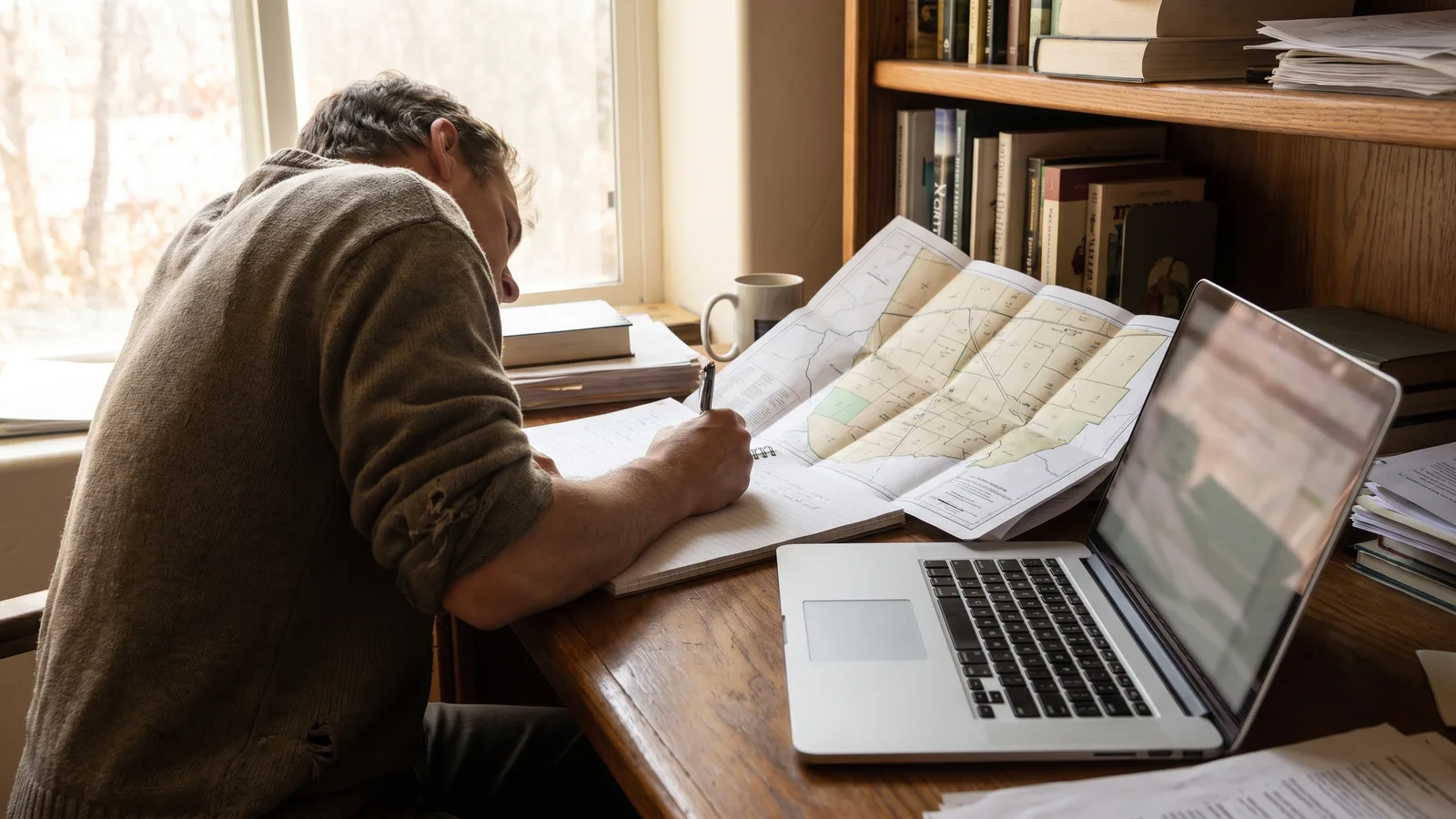
Are building permits public record in North Carolina
Yes, and the statute frames it strongly. NCGS 132-1 defines public records to include documentary material of any physical form made or received pursuant to law or ordinance in connection with the transaction of public business by any agency of North Carolina government or its subdivisions, and it expressly includes counties and other political subdivisions.
Subsection (b) then states that those records are the property of the people, and that state policy is for people to obtain copies free or at minimal cost. The statute defines minimal cost as the actual cost of reproducing the record, which is a useful thing to know if you are quoted a figure that sounds like a service charge rather than a copying charge.
You do not have to be the owner, the contractor, or explain why you want the record.
What "as promptly as possible" actually means
NCGS 132-6(a) requires every custodian of public records to permit any record in their custody to be inspected and examined at reasonable times and under reasonable supervision by any person, and to furnish copies as promptly as possible upon payment of any fees prescribed by law.
Note what is absent. North Carolina sets no fixed response window. Georgia, by contrast, gives its agencies three business days. In North Carolina the obligation is a promptness standard, which in practice means a well-scoped request gets answered quickly and a vague one does not.
Two more provisions shape expectations. Under 132-6(a1), an agency may satisfy the requirement by making records available online in a format that lets you view and print or save them, so a jurisdiction with a good portal has already discharged much of its duty. And under 132-6(d), nothing requires an agency to respond outside its usual business hours.
| Where to look | Best for |
|---|---|
| The jurisdiction's online permit portal | Current and recent permits, inspection results, status |
| County GIS or property records | Parcel number, jurisdiction, sometimes permit links |
| A Chapter 132 request to the inspections department | Older records, scanned files, anything the portal omits |
| Register of Deeds | Recorded documents such as plats, not permits |
Search the portal first, and search by parcel
Most North Carolina jurisdictions of any size run an online permit system, and searching it is faster than any request. The usual search handles are the street address, the parcel identification number, the permit number, and sometimes the owner or contractor name.
If your address returns nothing, the most likely reason is that you are searching the wrong jurisdiction rather than that no records exist. North Carolina lets a city arrange for its county to perform inspections inside city limits, so a city address can be permitted entirely by the county. Our guide on finding the right building department explains the four statutory arrangements and how to tell which one applies to your parcel.
Search by parcel number as well as address. Departments file by parcel, and addresses change.
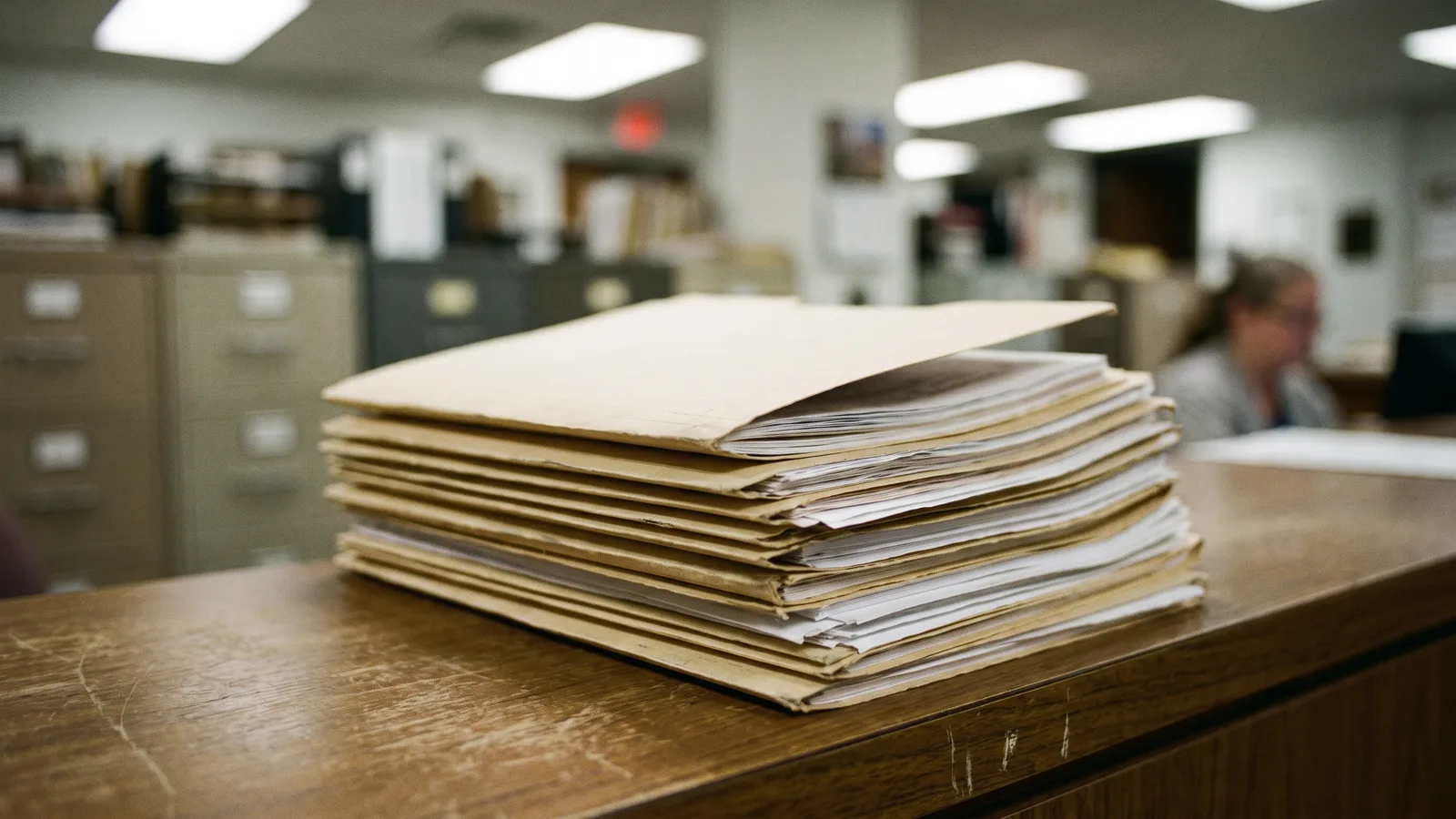
How to write a request that gets answered
Requests fail on vagueness far more often than on refusal.
- Address it to the inspections or development services department, using the agency's public records contact if one is published.
- Identify the property by full street address and parcel identification number.
- Name the record types: permit applications, issued permits, inspection records, certificates of compliance, code enforcement cases.
- Give a date range if you have one, such as since purchase or since a known renovation.
- State that you are requesting under NCGS Chapter 132.
- Ask for electronic copies where available, which keeps the cost at actual reproduction cost or nothing.
What the records tell you, and what they do not
A permit record shows what was applied for, what was approved, which inspections passed, and whether a certificate of compliance was issued. That last item matters more in North Carolina than people realize, because NCGS 160D-1116 makes the certificate the thing that authorizes occupancy, and occupying without one is a Class 1 misdemeanor.
What the records cannot tell you is whether unpermitted work exists. Absence of a permit is not proof that nothing was built. Treat a records search as the start of due diligence on a purchase, not the conclusion of it.
Our take: because North Carolina sets no deadline, the quality of your request does the work that a statutory clock does elsewhere. Name the parcel number, name the record types, name the date range, and ask for electronic copies. Requests written that way come back in days. "Everything about my house" comes back in weeks, if at all.
If you find an open or missing permit
An open permit was issued but never finaled, usually because a final inspection never happened. Given that a certificate of compliance is what allows occupancy, an open permit on a completed house is worth resolving rather than ignoring.
Contact the inspections department, ask what closing it requires, and ask about their process where no permit exists at all. Then check the North Carolina permit overview for what the work should have required, or run it through the free permit checker.
For the department contact, documents and inspection sequence for your specific address in one place, there is the Permit Prep Pack. You can also browse coverage from the North Carolina page.