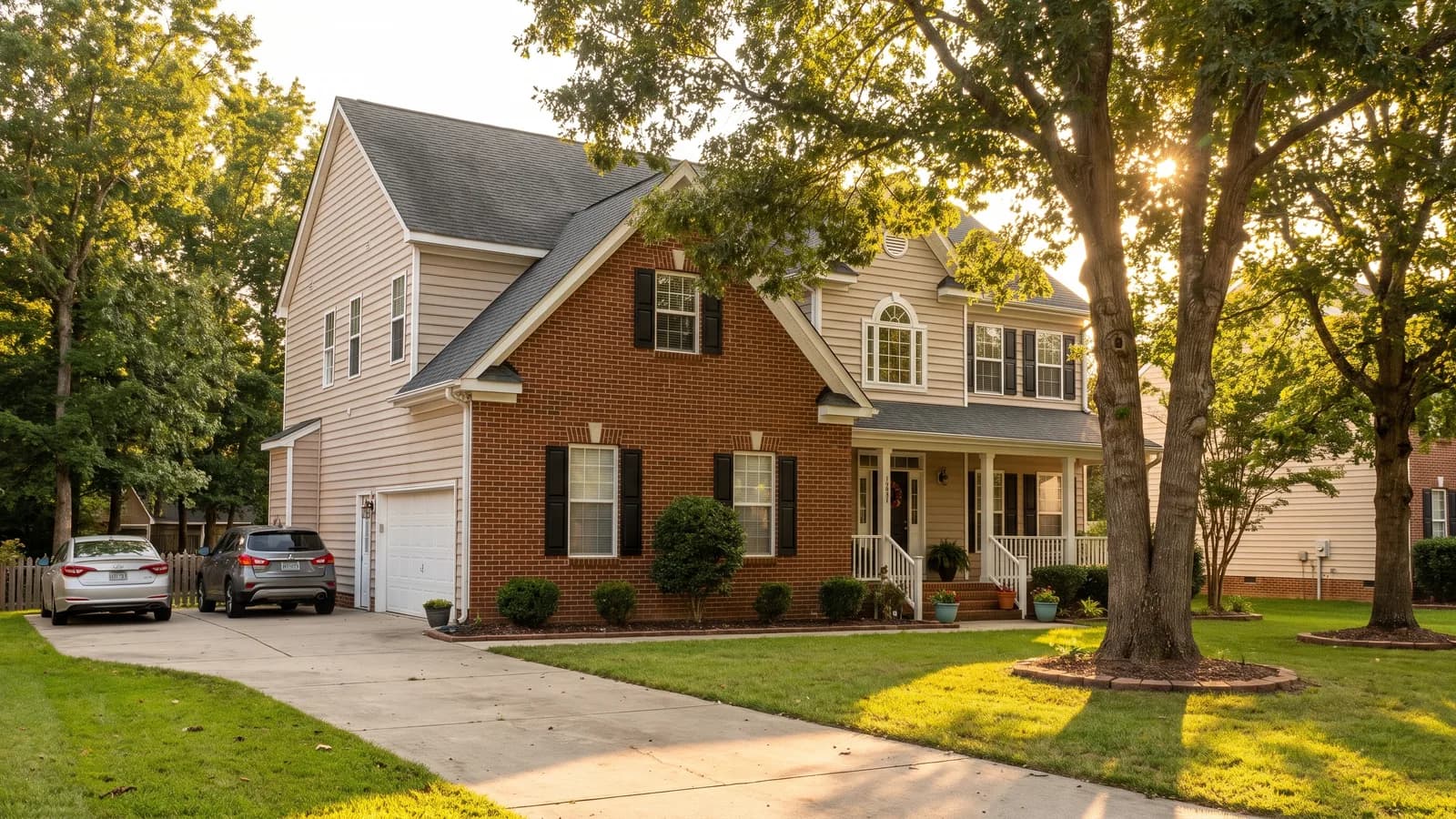
Wondering whether you need a building permit in North Carolina before starting a home project? In most cases the answer is yes. Under North Carolina law a building permit is generally required before construction begins, and the work is inspected locally to confirm it meets the North Carolina State Building Code. There is one notable statewide exception worth understanding: certain smaller residential projects costing $40,000 or less can be done without a permit, but only when the work stays inside strict limits. Below we walk through when a permit is required, what the $40,000 rule actually covers, and how to confirm the rules that apply where you live.
You can also run your address through our permit checker to get pointed toward the right local office.
Key takeaways
- A building permit is generally required in North Carolina before construction, and inspections happen at the local level even though the code is statewide.
- Under NCGS 160D-1110(c), no permit is needed for work costing $40,000 or less on a single-family residence, farm building, or commercial building, as long as it does not add or redesign load-bearing structure, plumbing, HVAC, or electrical systems, add new roofing, use materials the code disallows, or trigger the North Carolina Fire Code.
- Larger or system-changing work still needs a permit, and like-for-like replacement generally stays exempt.
- A homeowner may usually act as their own general contractor on their own home, but still must pull permits and pass inspections.
- Local rules, fees, and thresholds vary, so always confirm with your city or county before you start.
In this guide
- Do you need a permit in North Carolina?
- What is the $40,000 no-permit exemption, and what disqualifies it?
- Which projects still need a permit?
- Can I act as my own contractor (owner-builder)?
- Who issues permits in North Carolina?
- How do local rules change things?
- Frequently asked questions
Do you need a permit in North Carolina?
Yes, in most cases. North Carolina generally requires a building permit before construction starts. The state adopts the North Carolina State Building Code, a set of ICC-based codes adopted with North Carolina amendments by the Building Code Council and administered through the NC Department of Insurance and Office of State Fire Marshal. While the code is statewide, permits are issued and inspected by your local city or county, so that is where you apply and where inspectors sign off on the work.
The practical takeaway: assume a permit is required unless your project clearly fits a recognized exemption, then confirm with your local building department.
What is the $40,000 no-permit exemption, and what disqualifies it?
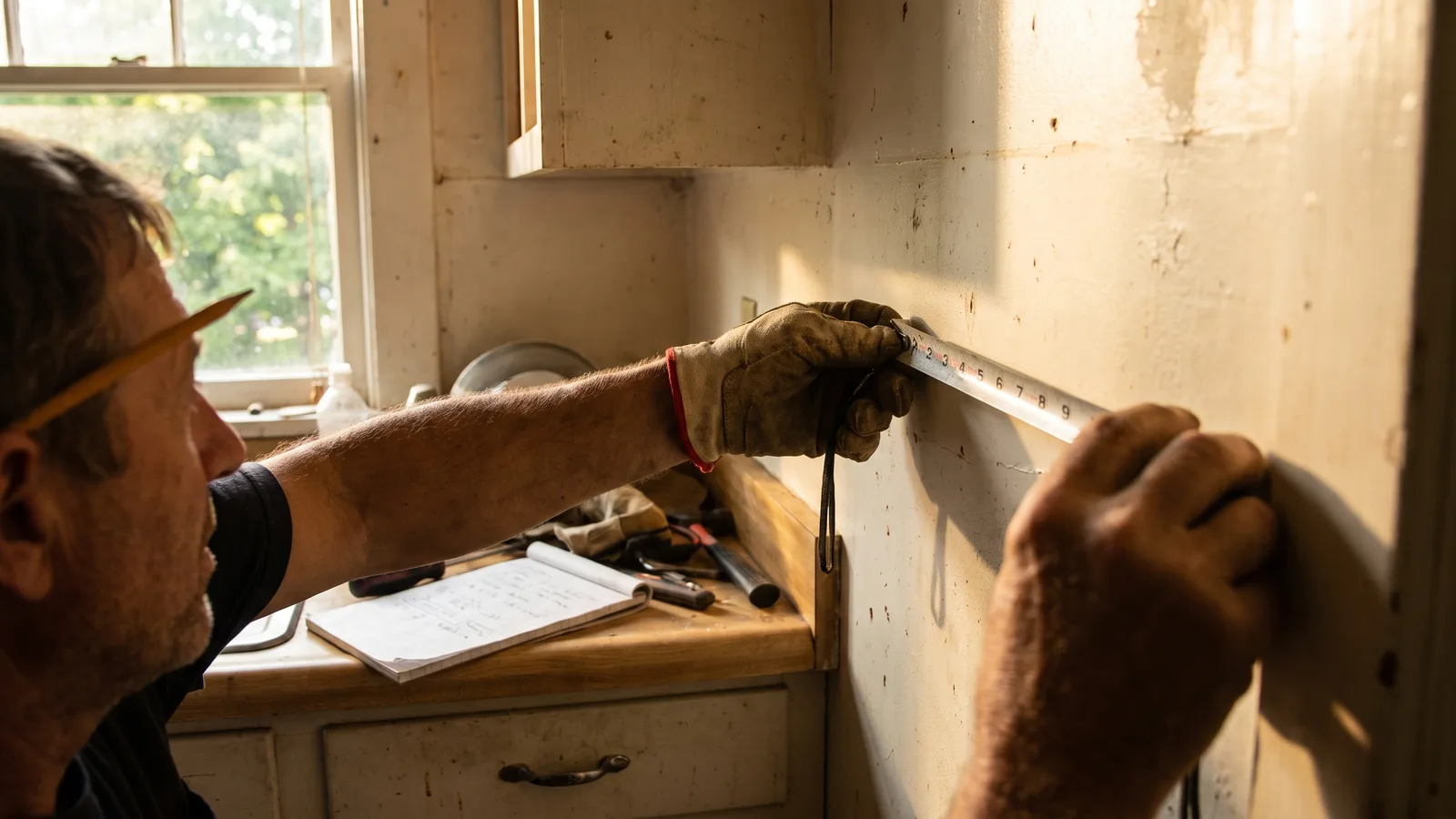
North Carolina has a specific statewide exemption. Under NCGS 160D-1110(c), no building permit is required for work costing $40,000 or less on a single-family residence, farm building, or commercial building. That sounds broad, but the conditions are narrow. The exemption does not apply if the work would do any of the following:
- Add or redesign load-bearing structure
- Add or redesign plumbing, HVAC, or electrical systems
- Add new roofing
- Use materials the code does not allow
- Trigger the North Carolina Fire Code
Like-for-like replacement generally stays exempt, which is why swapping an existing fixture for a comparable one often does not need a permit while adding a new system does. Because the disqualifiers are strict, many projects that seem small still fall outside the exemption. Always confirm locally before relying on it.
| Often still exempt (under $40,000, no disqualifiers) | Needs a permit |
|---|---|
| Like-for-like replacement of an existing fixture | Adding or redesigning load-bearing structure |
| Cosmetic interior work that keeps systems as-is | Adding or redesigning plumbing, HVAC, or electrical |
| Minor repairs using code-allowed materials | Adding new roofing |
| Small projects that do not trigger the Fire Code | Any work that triggers the North Carolina Fire Code |
Our take: The $40,000 exemption is narrower than it first appears. The moment a project touches load-bearing structure, plumbing, HVAC, electrical, new roofing, disallowed materials, or the Fire Code, it needs a permit regardless of cost. When in doubt, treat system-changing work as permit-required and call your local office.
Which projects still need a permit?
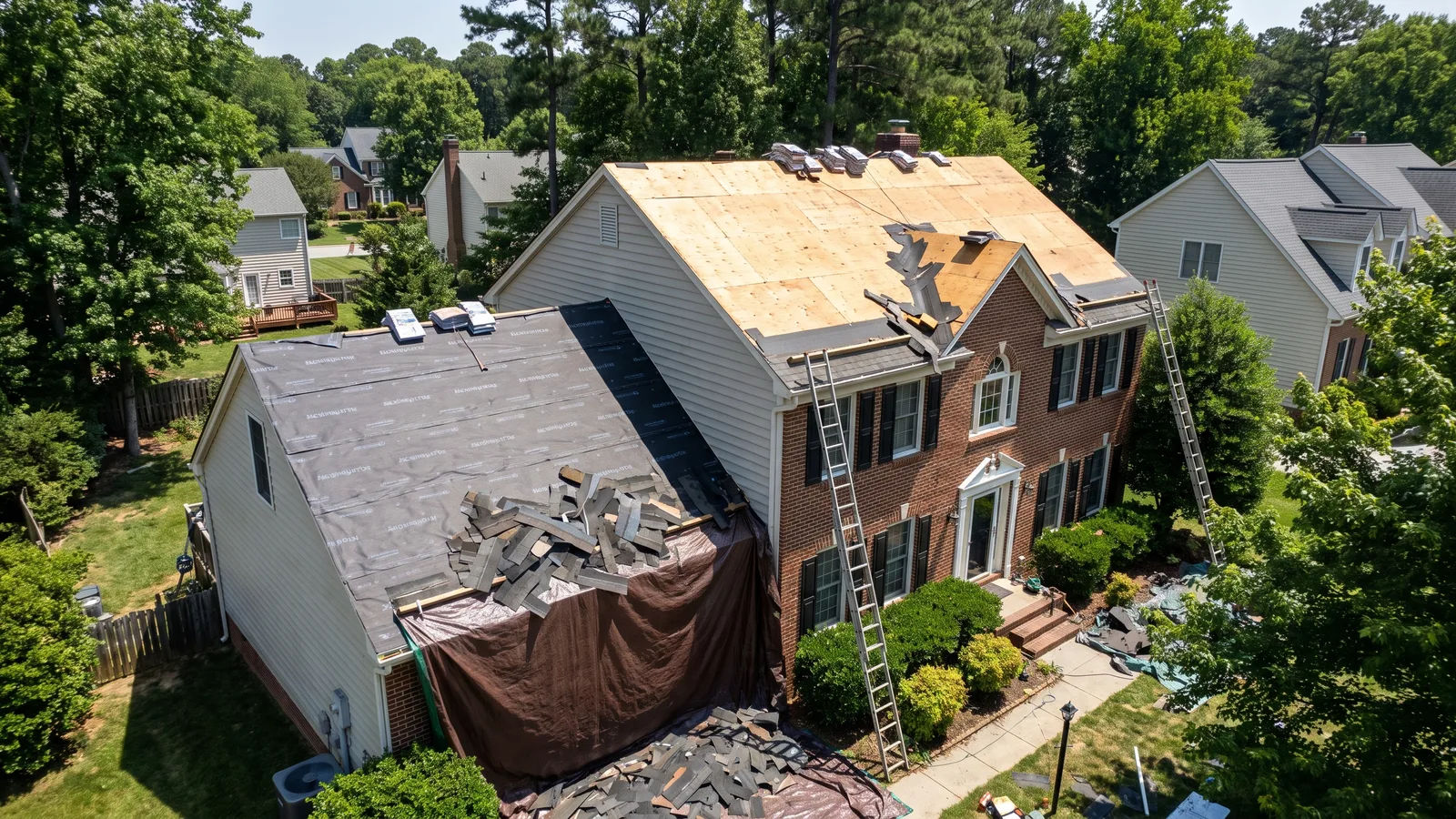
Any project that adds or redesigns structural, plumbing, HVAC, or electrical systems generally needs a permit, and so does new roofing. A roof replacement is a common example of work homeowners sometimes assume is exempt but that adds new roofing and typically requires a permit. Larger renovations, additions, and anything that exceeds the $40,000 threshold also fall outside the exemption. Because thresholds and fees differ by jurisdiction, the safest path is to confirm before you begin.
Can I act as my own contractor (owner-builder)?
Generally yes. A homeowner may usually act as their own general contractor on their own residence under the owner exemption to North Carolina's contractor-licensing law (NCGS Chapter 87). That does not remove the permit requirement, though. As an owner-builder you must still obtain the required permits and pass all inspections, just like a licensed contractor would. If a project is large or complex, weigh whether hiring licensed trades is the better route, since the code and inspection standards still apply either way.
Who issues permits in North Carolina?
Permits are issued and inspected locally, even though the building code is statewide. Depending on where you live, that means applying to a county or city building department. You can start from our North Carolina hub and then drill into your area, including Mecklenburg County for Charlotte, Huntersville, and Matthews, Wake County for Raleigh, Cary, and Apex, and Guilford County for Greensboro and High Point.
How do local rules change things?
Local rules, fees, and thresholds vary, so the same project can be handled differently from one jurisdiction to the next. Some offices require permits for work others may not, and application steps and inspection scheduling differ. The statewide code and the $40,000 exemption set a baseline, but your city or county has the final say on how it is applied. Confirm locally before you start, and keep records of your permit and inspection sign-offs.
If you are comparing rules across state lines, our neighboring guides may help, including Georgia and Tennessee.
PermitRoadmap is an independent guide and not a government agency. Use this article to get oriented, then confirm the details with your local building department before you begin work.