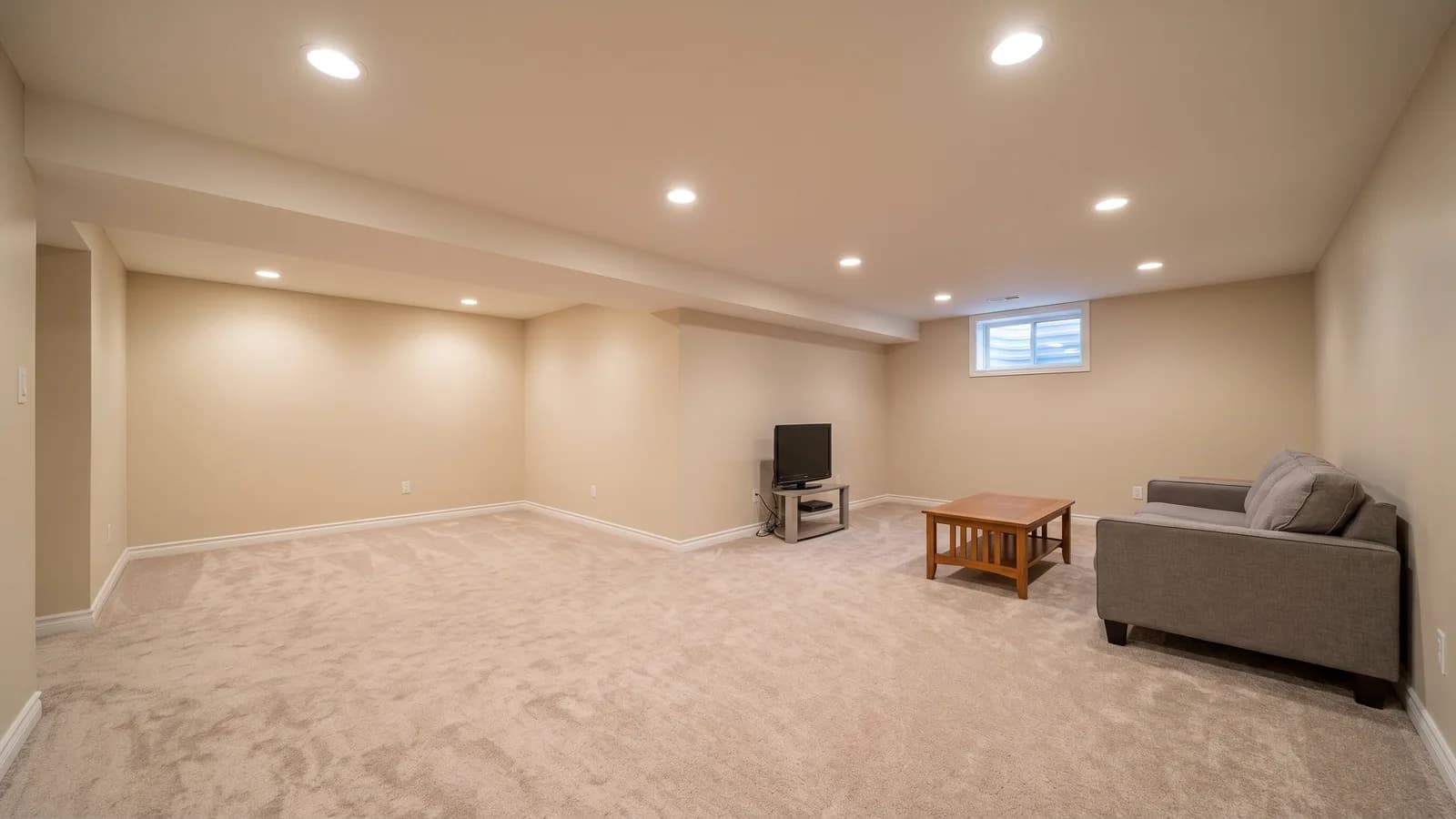
An after-the-fact permit is the permit you should have pulled, applied for once the work already exists. North Carolina departments issue them routinely. The fee and any penalty are set locally, but the parts that hurt are statutory: an inspector cannot approve concealed work without seeing it, and the certificate of compliance that a future buyer looks for cannot issue until the work is inspected and approved.
Key takeaways
-
North Carolina sets no statewide after-the-fact penalty, so the fee structure is local. Ask your department for it in writing.
-
The expensive part is exposure, because inspections are designed to happen before anything is concealed.
-
Code problems are correctable in place. A structure in the wrong place needs a variance and may not be fixable.
-
The certificate of compliance is statutory in North Carolina, so its absence is easy for a buyer or lender to spot.
-
Coming forward voluntarily is easier than being found, and it is the only route that closes the record.
What is an after-the-fact permit?
The same permit, applied for late. NCGS 160D-1110 requires permits before commencing building, plumbing, heating and cooling, or electrical work, and nothing in the statute creates a separate category for work already done. What you are doing is applying now and asking the department how it wants to verify what it cannot see.
There is no statewide penalty schedule. Local governments set their own fees under NCGS 160D-402(d), which gives them power to fix reasonable fees for the support, administration and implementation of the programs the chapter authorizes. Some jurisdictions charge a multiple of the normal fee, some add a flat penalty, some charge the ordinary fee and simply require more inspection. Ask yours specifically rather than assuming a neighbouring county's number applies.
Why is exposure the real cost?
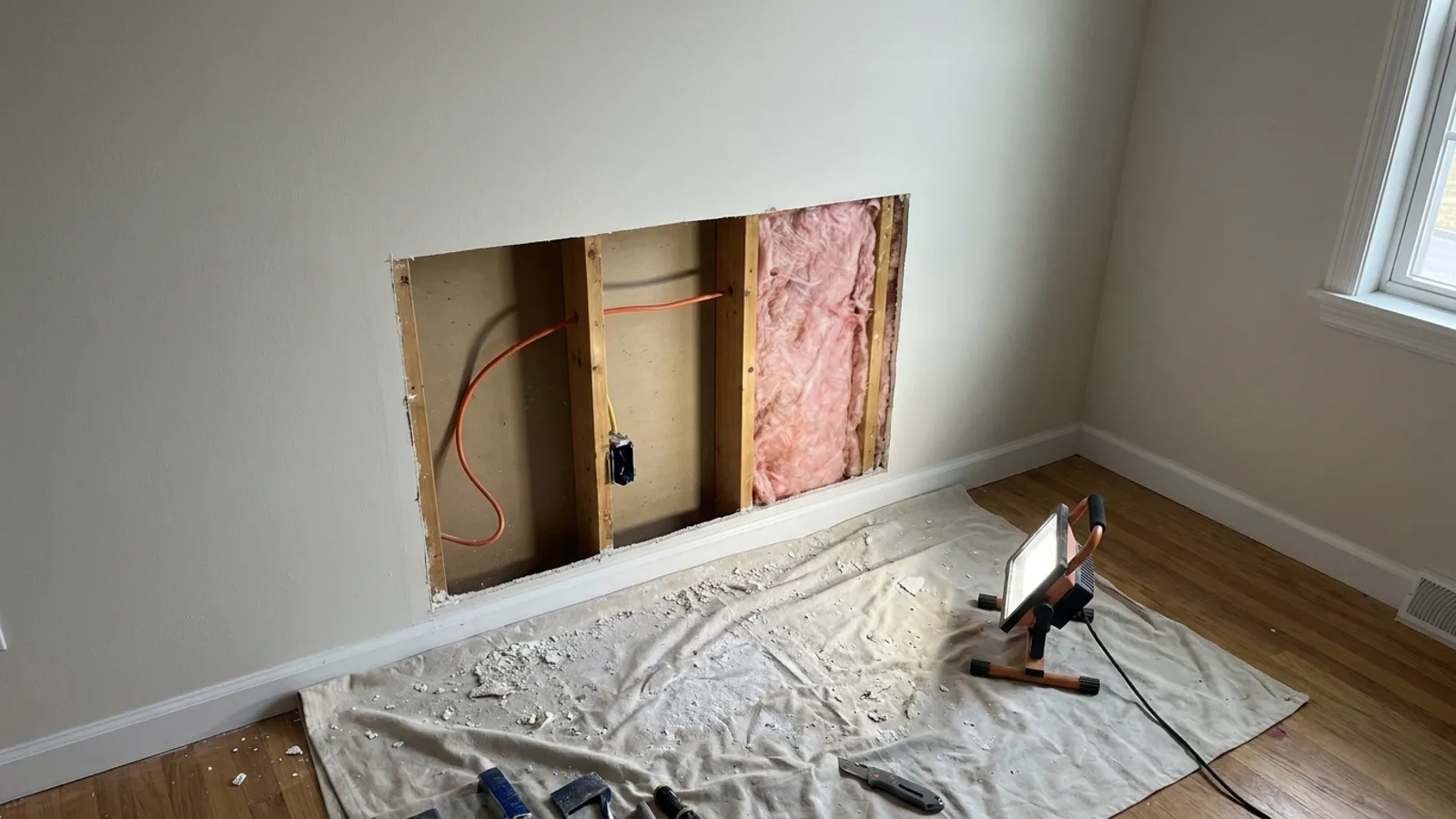
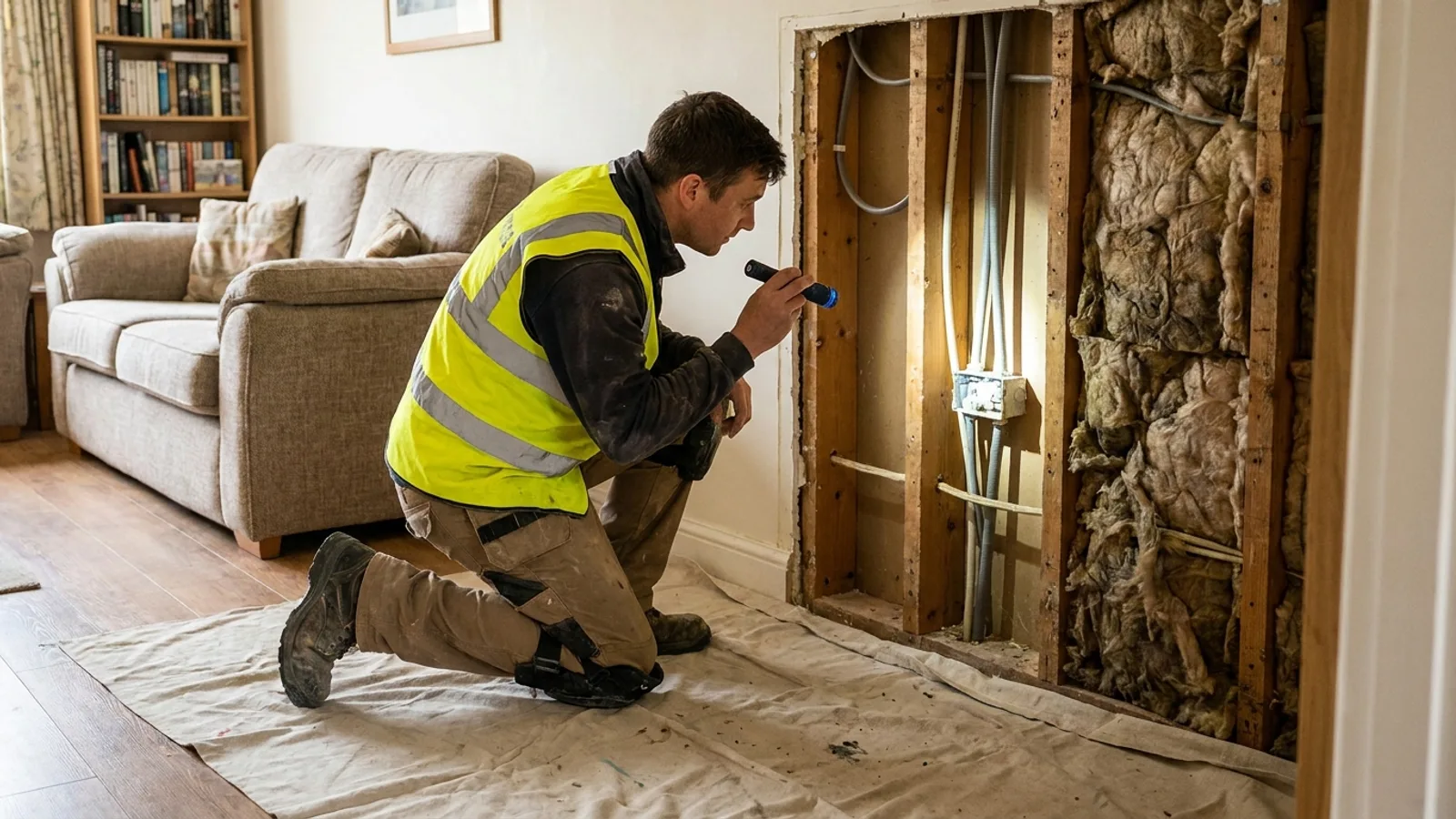
Because the whole inspection system assumes nothing has been covered yet. North Carolina's Administrative Code defines the rough-in inspection as being made when the concealed parts of the electrical, plumbing, fire protection or heating and cooling systems have been placed, but before any wall or ceiling finish or insulation is installed. Framing is inspected with blocking, bracing and firestopping visible. Footings are inspected before any concrete is placed.
Once those stages have passed, verification means undoing work. A finished basement may need drywall cut at chosen points. A deck may need cladding pulled to reveal the ledger connection. A slab cannot be un-poured, so an inspector may accept other evidence or may not. The department decides how much it needs to see, and that decision, not the fee, is what sets your budget.
| Issue found | Usual outcome | Who resolves it |
|---|---|---|
| Concealed code defect | Expose, correct, reinspect | Building inspector |
| Missing trade permit | Pull it now, inspect that trade | Building inspector |
| Structure inside a setback | Variance under NCGS 160D-705(d), or move it | Board of adjustment |
| Work by an unlicensed trade | May require licensed rework | Licensing board and department |
Can a permit fix everything?
No, and knowing which problem you have changes everything. Code defects are almost always correctable in place, because the code cares how the work was built. Zoning problems frequently are not, because the ordinance cares where it sits.
North Carolina at least gives you a written test. NCGS 160D-705(d) sets a four-part variance standard the board of adjustment must apply, and it expressly provides that buying a property knowing circumstances exist which may justify a variance is not a self-created hardship. What it does not forgive is a hardship you built yourself. The setbacks and zoning guide covers that standard in full, and it is worth reading before you apply rather than after.
What about the certificate of compliance?
This is the piece people underestimate. Under NCGS 160D-1116 a final inspection is followed by a certificate of compliance, and no new building, addition, enlargement, or altered or moved building may be occupied until it is issued. Occupying or allowing occupancy before then is a Class 1 misdemeanor.
Because that certificate is a statutory document rather than a local courtesy, its absence is exactly what a buyer's attorney, an appraiser or an insurer will look for. Unpermitted work in North Carolina does not merely lack a receipt. It lacks the document the system is built around, which is why closing the record matters more than the penalty does.
When does this surface?
At the moments where you have the least leverage. A sale and the buyer's inspection. An appraisal or refinance, where unpermitted space may not count toward value. An insurance claim after a loss. A later permit application on the same property that prompts questions about earlier work. A neighbour complaint.
If any of those is on your horizon, that is an argument for acting now rather than later. Checking how to look up a building permit on your own address tells you what a buyer would find.
Our take: call and ask about the process before you name your address. Every department will explain how after-the-fact permits work in general terms, and you will learn the fee structure and what typically has to be exposed without putting a file number next to your house. Then decide, with real numbers, rather than guessing.
What if the work is already stopped?
If a stop work order has been issued, note the date. Under NCGS 160D-1114 an appeal goes to the State Fire Marshal within five days, in writing, with a copy to the local inspector, and no further work may take place in violation of the order while an appeal is pending. Violating the order is a Class 1 misdemeanor under NCGS 160D-404. The building without a permit guide covers the enforcement chain.
How do I approach the department?
Ask four things: how after-the-fact permits work, what the fee and penalty structure is, what typically has to be exposed for work of the kind you describe, and whether any part needs a licensed trade to sign off. Then check the zoning question separately, because that is the one that may not be fixable.
Confirm which office actually covers your parcel using how to find your North Carolina building department, run the free permit checker so you know which trades are in scope, and get the contact details from the page for your North Carolina county.