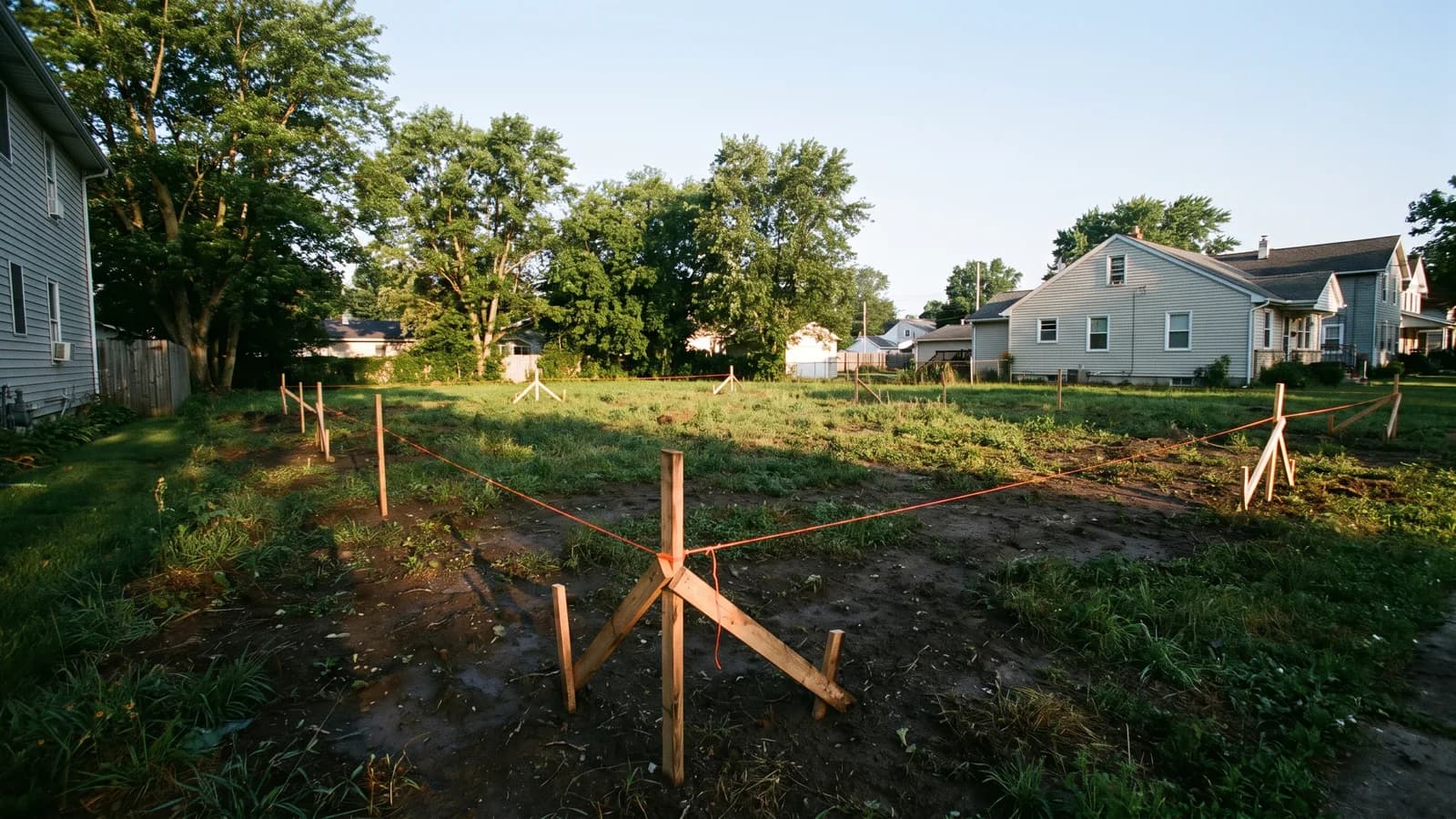
Setbacks in North Carolina come from your local zoning regulation, not the building code, and the two approvals fail in completely different ways. A code defect gets corrected. A structure in the wrong place needs a variance, and North Carolina is one of the states that writes the variance test into statute rather than leaving it to each board to invent.
Key takeaways
-
Setbacks, lot coverage and height come from the local zoning regulation. The State Building Code governs how the work is built, not where.
-
NCGS 160D-705(d) sets a four-part variance test that a board of adjustment must apply, and all four elements must be shown.
-
Hardship must come from the property itself, not from personal circumstances or from conditions common to the neighbourhood.
-
Buying property knowing that circumstances exist which may justify a variance is expressly not a self-created hardship.
-
A variance cannot change permitted uses, no matter how sympathetic the case.
-
What is the difference between zoning and the building permit?
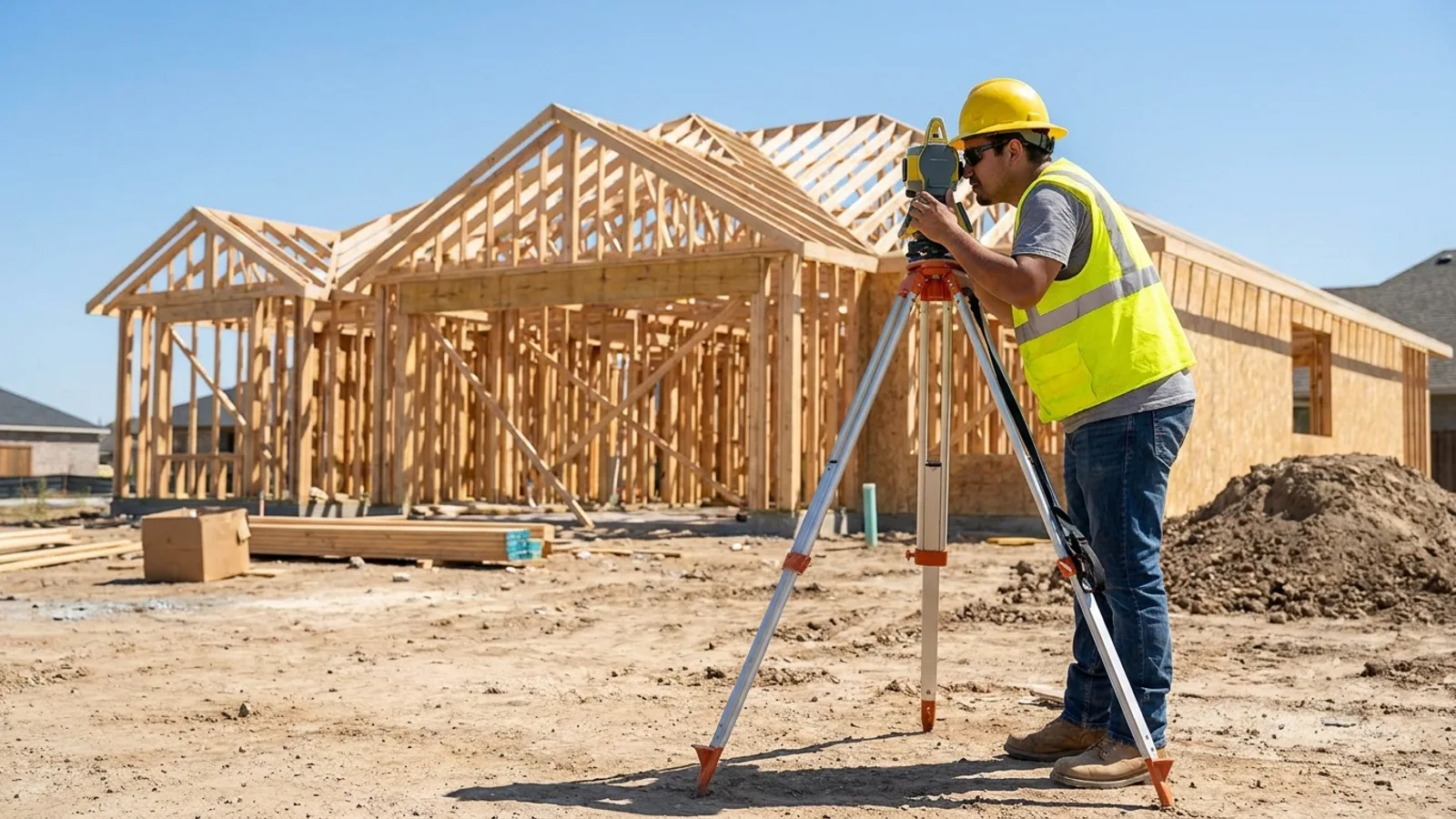
What is the difference between zoning and the building permit?
One decides where and what, the other decides how well it is built.
| Zoning approval | Building permit | |
|---|---|---|
| The question | May a structure of this use, size and height sit here on this lot | Does the construction meet the State Building Code |
| Source of the rules | Your local zoning regulation and map | The North Carolina State Building Code, statewide |
| Who decides | Planning staff, with a board of adjustment for variances | The building inspector |
| How failure is fixed | Variance, redesign, or moving the structure | Correct the work and reinspect |
North Carolina reinforces the separation at the front of the process. Under NCGS 160D-403(a) no person shall commence or proceed with development without first securing any required development approval from the local government with jurisdiction, and a development approval must be in writing. Zoning approval is one of those, and it is commonly a gate in front of the building permit rather than a parallel track.
Why can a project pass the code and still be stopped?
Because the inspector is not deciding a land use question. The State Building Code is a construction standard applied statewide. Your setbacks belong to the zoning regulation for the district your parcel sits in, and they change between districts inside the same county.
Recorded easements, subdivision building lines, watershed and buffer rules, and private covenants can each be more restrictive than the ordinance, and none of them appear in the building code. So a well-built addition can be stopped dead because of where it sits, and no amount of inspection will cure that. The building without a permit guide covers the enforcement side of the same problem.
What is North Carolina's variance test?
A statutory four-part standard, which is a real advantage over states where each board writes its own. NCGS 160D-705(d) provides that when unnecessary hardships would result from carrying out the strict letter of a zoning regulation, the board of adjustment shall vary the provisions upon a showing of all of the following.
First, that unnecessary hardship would result from strict application, and the statute expressly says it is not necessary to demonstrate that no reasonable use could be made of the property without the variance. Second, that the hardship results from conditions peculiar to the property, such as location, size or topography, and not from personal circumstances or from conditions common to the neighbourhood or general public. Third, that the hardship did not result from actions taken by the applicant or the property owner. Fourth, that the variance is consistent with the spirit, purpose and intent of the regulation, so that public safety is secured and substantial justice achieved.
All four must be shown, and the word in the statute is shall vary, which means a board that finds all four has a duty rather than a discretion.
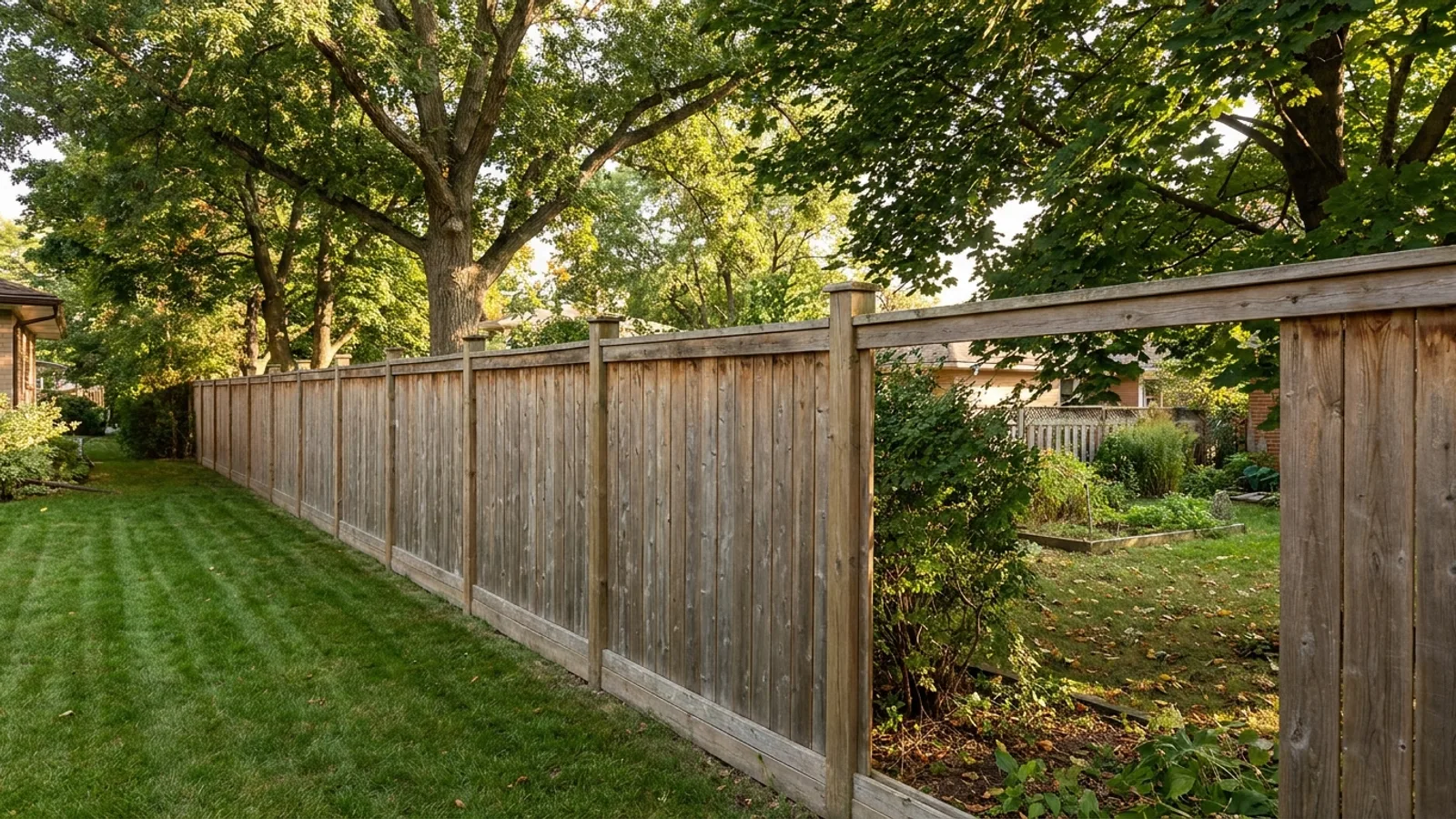
Does buying a problem property count against me?
No, and this is the most useful sentence in the whole provision. The statute states that the act of purchasing property with knowledge that circumstances exist that may justify the granting of a variance is not a self-created hardship.
That matters because the third element bars hardships the owner created, and boards would otherwise be entitled to ask why you bought a lot you knew was awkward. North Carolina answers that question in the statute. What the element does catch is a hardship you built: pouring footings in the wrong place and then asking for relief is a different case entirely.
The provision also allows a variance where necessary and appropriate to make a reasonable accommodation under the Federal Fair Housing Act for a person with a disability, which is the one route through the peculiar-to-the-property requirement based on the occupant rather than the land.
What can a variance not do?
Change what the property may be used for. The statute is explicit that no change in permitted uses may be authorized by variance, so a dimensional variance is the only kind on offer through this route. A use question is a rezoning or a special use permit, which are different processes with different standards.
Conditions may be imposed on a variance provided they are reasonably related to it. And the same subsection extends the standard beyond zoning: any other development regulation that regulates land use or development may provide for variances consistent with these provisions.
Our take: pull your plat and confirm your district before anything is drawn, and if the design lands within a few feet of a setback, pay a surveyor. North Carolina gives you a fair, written variance standard, which is worth far more than a sympathetic hearing, but it still costs months. A survey costs days.
How do I check my setbacks before designing?
Start with the parcel. Get your recorded plat and confirm the actual property lines, since fences and hedges are not boundaries. Look up your zoning district on your jurisdiction's map, then read that district's dimensional standards: front, side and rear setbacks, lot coverage and height. Check the plat for easements, buffers and subdivision building lines, and read any private covenants separately because the county will not enforce them.
Remember that setbacks are checked in the field as well as on paper. North Carolina departments commonly confirm them at the footing stage, before concrete, which is covered in what a North Carolina inspector checks.
Once the location is settled, run the free permit checker for your project and county, read how to find your North Carolina building department, and check the details for your North Carolina county.