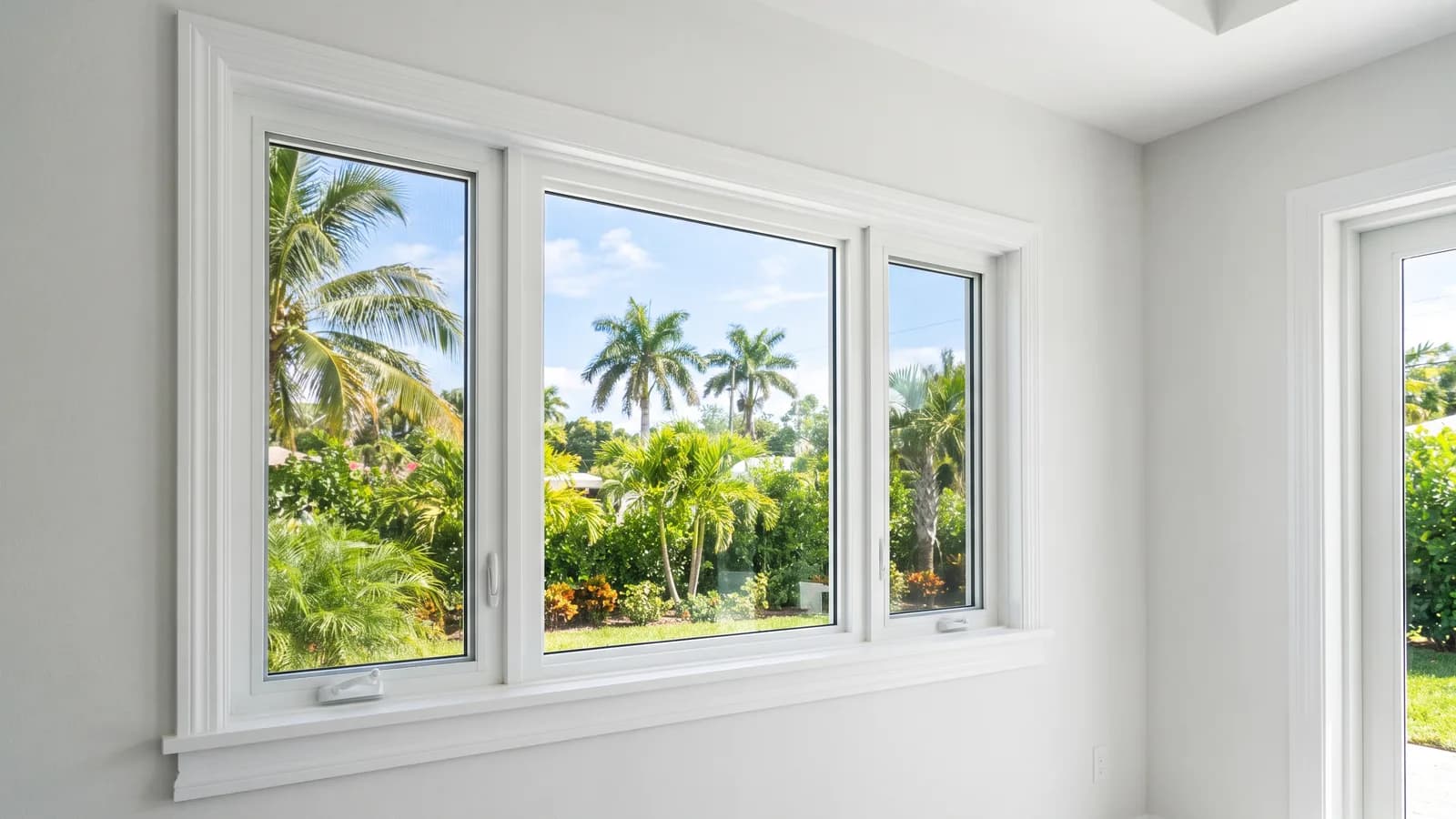
Installing impact windows in Florida typically requires a permit. Impact-rated windows are a storm-protection upgrade tied to product approval and wind-borne debris rules, and their performance depends on correct anchoring, so most Florida jurisdictions require a permit and inspection. Treat impact window installation as permitted work and confirm the product-approval details with your building department.
Key takeaways
- Impact window installation typically requires a permit in Florida because of product-approval and wind rules.
- Impact windows must carry a valid Florida or Miami-Dade product approval for the required impact and wind pressures.
- Correct anchoring is essential, since an impact-rated window still fails if it is not installed as approved.
- Permitted, inspected impact windows also create documentation that can matter for insurance and resale.
Table of contents
- Do I need a permit for impact windows in Florida
- What makes impact windows different
- What is product approval for impact windows
- Why does anchoring matter so much
- Impact windows versus standard windows and shutters
- A worked example: impact windows in Orange County
- Do impact windows help with insurance
- What should I ask my contractor
Do I need a permit for impact windows in Florida
In most Florida jurisdictions, yes. Impact windows are part of the building envelope that protects the home in a storm, and their installation involves product approval and wind requirements that building departments confirm through a permit and inspection.
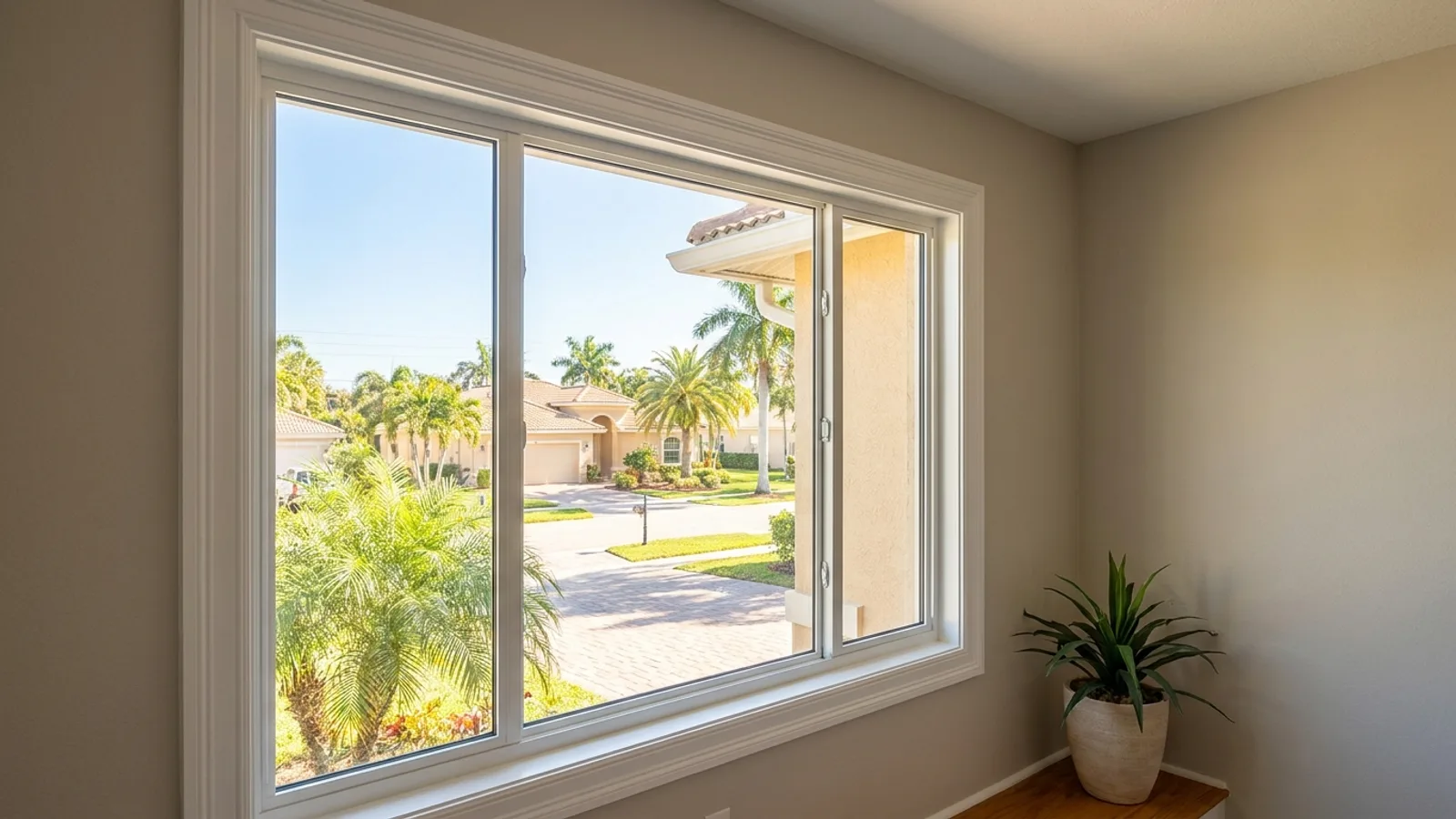
The permit is not a formality here. It verifies the right product is installed and anchored correctly, which is exactly what determines whether the window performs in a storm. Use the permit checker to frame the project before you start.
What makes impact windows different
Impact windows are engineered to resist wind pressure and the impact of wind-borne debris, unlike standard windows. In much of Florida, homes are in a wind-borne debris region where openings must be protected, and impact windows are one approved way to meet that requirement.
That protective role is why they are reviewed carefully. Our guide on the wind-borne debris region explains why opening protection matters, and our guide on standard window replacement covers the broader window rules.
What is product approval for impact windows
Product approval is documentation that a specific impact window model has been tested and approved to meet the required impact and wind-pressure standards. Florida uses a statewide product approval system, and Miami-Dade maintains widely accepted approvals of its own.
Building departments confirm the installed window carries a valid approval for your location's design pressures. Our guide on Florida product approval and NOA explains how these approvals work and where the numbers appear.
Why does anchoring matter so much
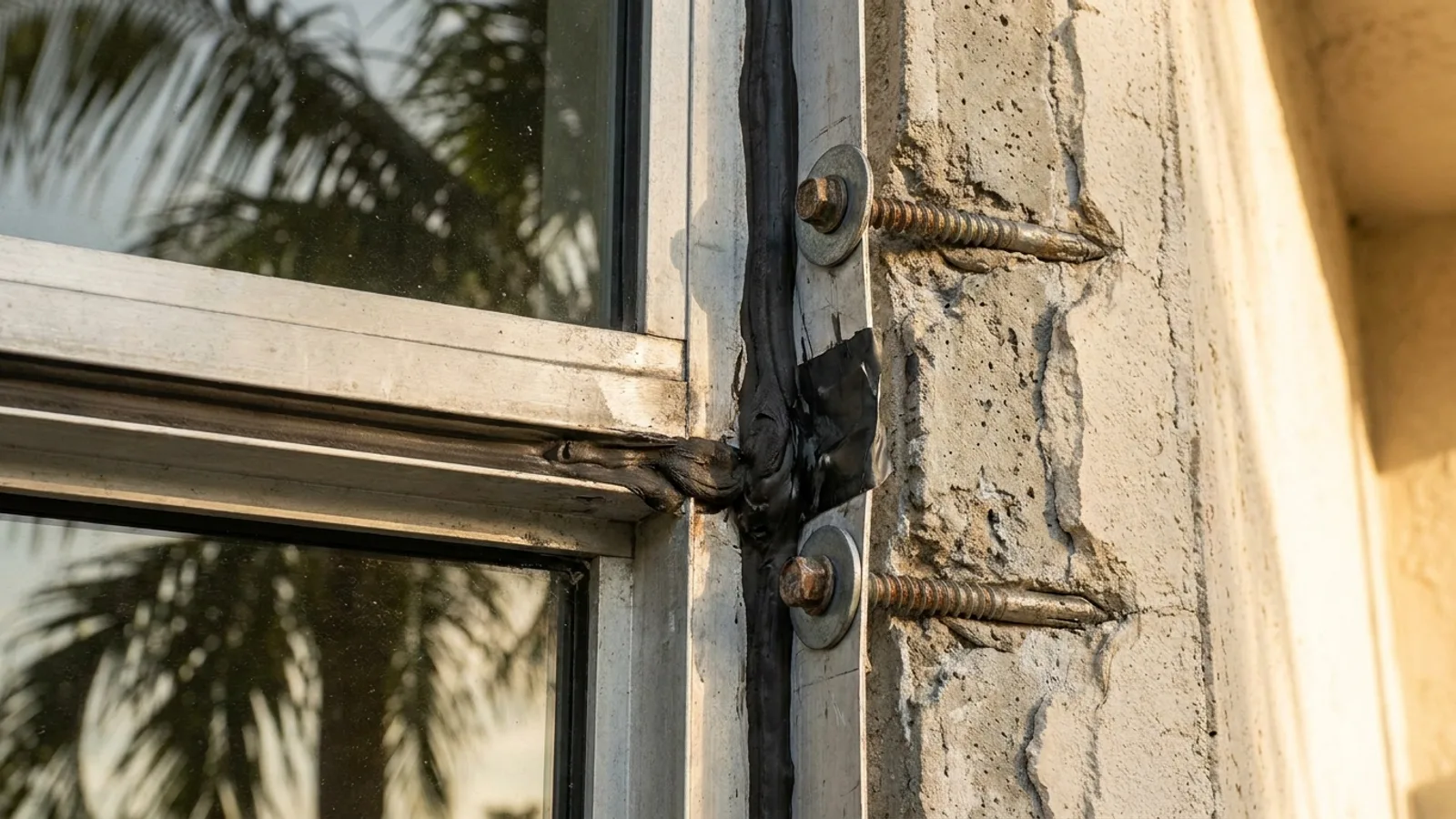
Anchoring matters because an impact-rated window only performs if it is fastened to the structure exactly as its approval requires. The glass and frame can be rated correctly, but improper anchoring can let the whole unit fail under wind load.
That is why the inspection focuses heavily on fastening. The inspector confirms the anchors, spacing, and installation match the product approval and manufacturer instructions. Anchoring is checked against the specific fastener type, embedment, and spacing the approval calls for, because even the correct window can fail if it is under-fastened. Cutting corners on installation defeats the entire purpose of buying impact windows.
Impact windows versus standard windows and shutters
| Option | Storm protection | Permit outlook | Notes |
|---|---|---|---|
| Impact windows | Built-in impact rating | Typically required | Product approval and anchoring |
| Standard windows | Wind rated, not impact | Typically required | May need separate opening protection |
| Storm shutters | Protect existing windows | Typically required | See the storm shutter guide |
A worked example: impact windows in Orange County
Consider a homeowner in Orange County upgrading to impact windows. The contractor pulls a permit, provides the product approval numbers for the chosen impact windows, installs them to the approved anchoring schedule, and schedules the inspection.
The inspector confirms the windows match the approved products and that the anchoring meets the design pressures for the home. The windows and doors project page summarizes the documents involved, and our storm shutter guide covers an alternative approach to opening protection.
Do impact windows help with insurance
Impact windows can support opening-protection considerations that some insurers weigh, but the specifics depend on your insurer and a wind mitigation inspection. Permitted, documented installation is what lets that protection be credited properly.
This is another reason to permit the work: undocumented or unpermitted impact windows are harder to verify. Confirm details with your insurer, and keep your permit and product-approval records.
What should I ask my contractor
Ask whether the contractor is licensed, whether they will pull the permit, which product approval numbers apply, and whether the anchoring will meet your home's design pressures. A licensed contractor pulling the permit keeps responsibility for correct installation with them.
Confirm you will receive the permit number and that the final inspection will pass. Keeping the product approval and permit documentation protects you for insurance and resale.
Our take: With impact windows, you are paying for storm performance, and that performance lives entirely in the product approval and the anchoring. Permit the work and let the inspection confirm both, because an improperly installed impact window is expensive glass that may not do its job.