
In Florida, a handyman can legally perform many minor, cosmetic, and maintenance tasks, but work that affects structure, electrical, plumbing, mechanical, gas, or roofing systems generally requires a state-licensed contractor. The dividing line is not the size of the job but whether the work touches a regulated building system or requires a permit. Knowing the scope of work a handyman can do versus what needs a licensed contractor protects you from unpermitted work and liability.
Key takeaways
- Handymen can do minor repairs, cosmetic work, and maintenance that does not require a permit or touch regulated systems.
- Work involving structure, electrical, plumbing, mechanical, gas, or roofing generally requires a state-licensed contractor.
- The line is whether the task touches a regulated building system or needs a permit, not the dollar size of the job.
- Hiring an unlicensed person for licensed work can leave you liable and result in unpermitted, uninsurable work.
Table of contents
- What is the line between a handyman and a licensed contractor
- What work can a handyman legally do in Florida
- What work requires a licensed contractor
- Does a permit signal you need a licensed contractor
- What are the risks of hiring unlicensed for licensed work
- Handyman versus licensed contractor at a glance
- A worked example for a bathroom project
- How do you verify a contractor is licensed
What is the line between a handyman and a licensed contractor
The line is whether the work touches a regulated building system or requires a permit. Cosmetic and minor maintenance work generally does not; work on structural, electrical, plumbing, mechanical, gas, or roofing systems generally does and requires the matching state license.
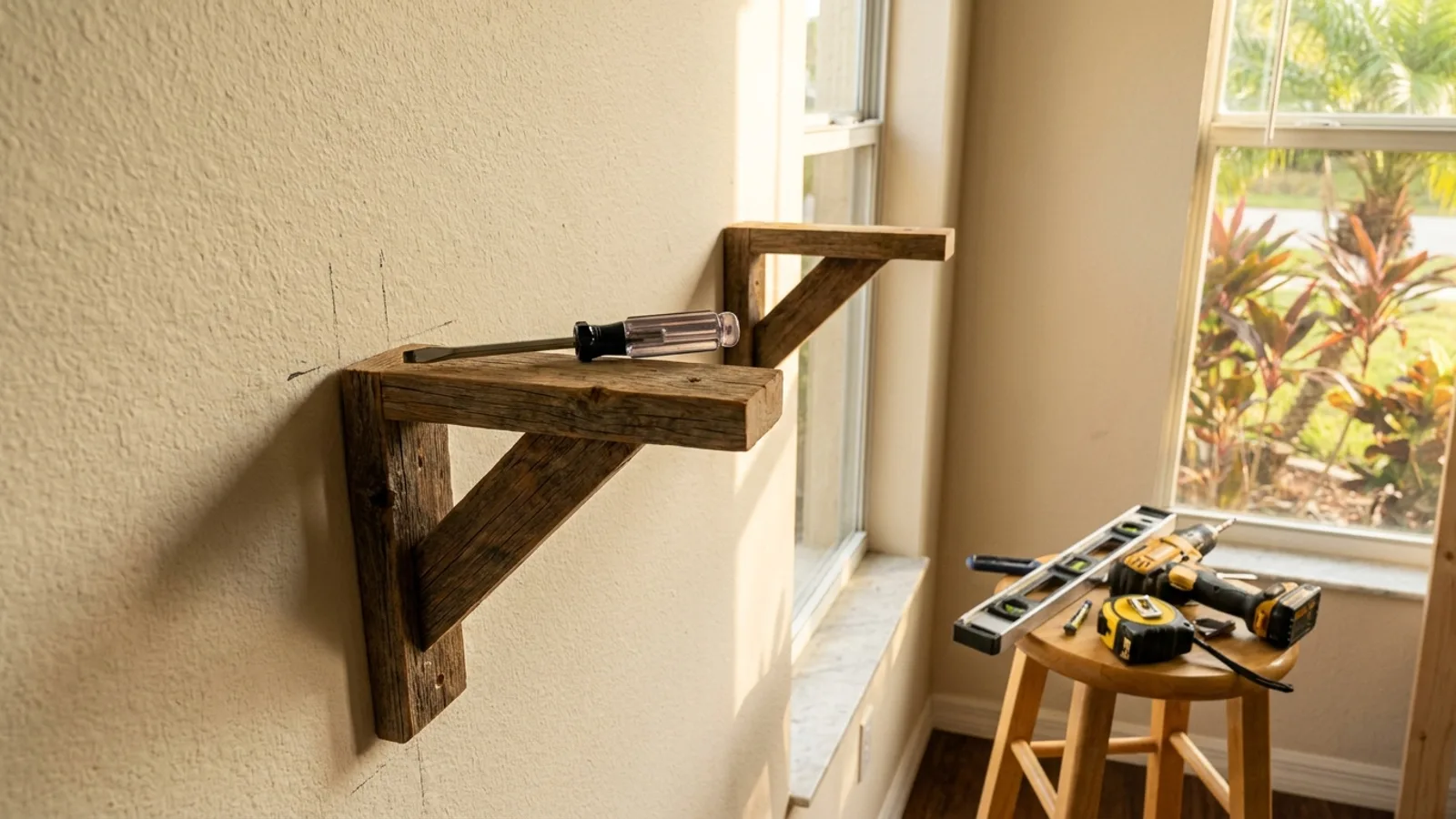
Florida licenses the construction trades through the DBPR, and each regulated trade has its own license. A handyman is not a licensed contractor, so their legal scope stops where regulated, permit-required work begins. Size does not change that, a small electrical job is still electrical work.
What work can a handyman legally do in Florida
A handyman can generally do cosmetic and minor maintenance that does not require a permit, such as painting, basic carpentry, installing trim, minor drywall patching, hanging fixtures that simply plug in, assembling and mounting, and general repairs. These tasks do not alter regulated systems.
This overlaps with the kind of finish work that can qualify under the HB 803 cosmetic exemption, though the two are separate ideas. Our guide on what counts as cosmetic under HB 803 covers that overlap. When a task stays cosmetic and permit-free, a handyman is a reasonable choice.
What work requires a licensed contractor
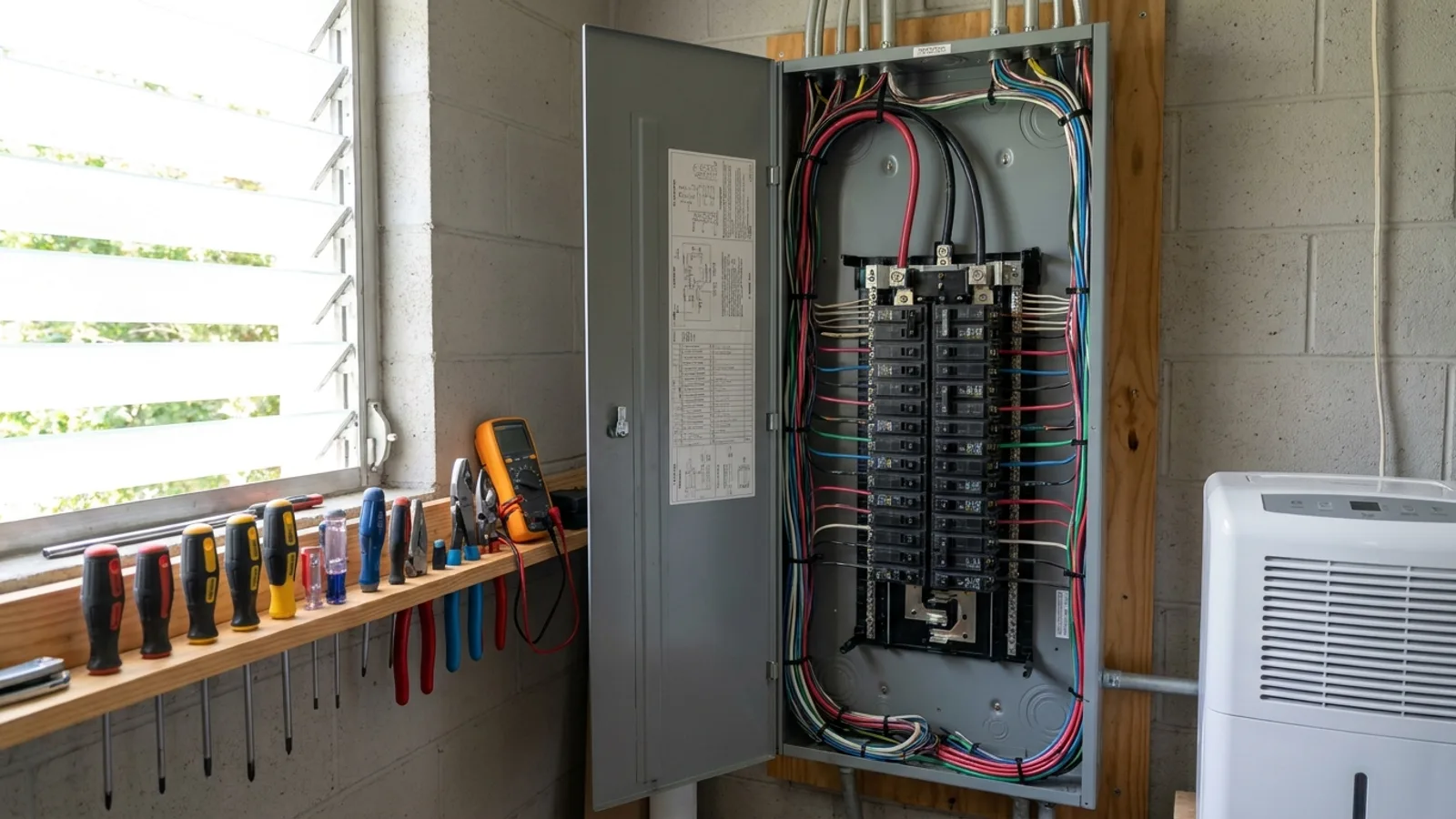
Work that alters or connects to a building's structural, electrical, plumbing, mechanical, gas, or roofing systems requires the appropriate licensed contractor. Adding a circuit, moving plumbing, replacing an HVAC system, reroofing, or removing a wall all fall here.
These are the same trades that HB 803 excludes from its exemption and that always require a permit. For example, our guides on electrical panel upgrades and whole-house repipes describe work that needs a licensed contractor, not a handyman. The free permit checker helps you tell which category your project is in.
Does a permit signal you need a licensed contractor
Yes, in most cases. If a task requires a building permit, it generally requires either a licensed contractor in that trade or an owner-builder pulling the permit for their own home. A handyman cannot pull a trade permit.
So a quick test is to ask whether the work needs a permit. If it does, a handyman is usually not the right hire unless you are permitting it yourself as an owner-builder. If it does not, a handyman is often fine. This is why identifying permit-triggering work early matters.
What are the risks of hiring unlicensed for licensed work
The risks include unpermitted work, no insurance recourse, liability exposure, and safety hazards. If an unlicensed person does electrical or structural work, there may be no valid permit, no inspection, and no insured party to answer for defects.
You can also inherit the problem at sale, when an open or unpermitted item surfaces, as our guide on selling a house explains. Unlicensed regulated work is the risky direction, so when in doubt, treat the job as licensed work and hire accordingly.
Handyman versus licensed contractor at a glance
| Task | Typical handyman | Licensed contractor |
|---|---|---|
| Painting and trim | Yes | Not needed |
| Minor drywall patch | Yes | Not needed |
| Plug-in fixture swap | Yes | Not needed |
| New electrical circuit | No | Yes |
| Moving or adding plumbing | No | Yes |
| Replacing HVAC or reroofing | No | Yes |
| Removing a wall | No | Yes |
A worked example for a bathroom project
Imagine a homeowner in Orange County wants a refreshed bathroom: new paint, a new vanity in the same spot, and a relocated shower with new plumbing. They wonder if one handyman can do it all.
The paint and the like-for-like vanity swap are cosmetic and fine for a handyman. But relocating the shower moves plumbing, which is regulated, permit-required work that needs a licensed plumber. Splitting the job, a handyman for the cosmetic parts and a licensed plumber for the relocation, keeps everything legal and permitted. Trying to have the handyman move the plumbing would create unpermitted work. Our bathroom remodel framing helps separate the scopes.
Our take: A good handyman is valuable for exactly the work they are allowed to do. The trouble starts when a handyman offers to handle electrical, plumbing, or structural work to save you a permit. That is the moment to stop, because you inherit the liability and the unpermitted work, not them.
How do you verify a contractor is licensed
Verify a contractor's license through the Florida DBPR, the state agency that licenses the construction industry, before hiring for any regulated work. Confirm the license type matches the trade and that it is active.
Combine that with proof of insurance and a written scope. If you are unsure whether your project even needs a licensed trade, run it through the free permit checker and review the Polk or Orange county resources to confirm local requirements.