
You do not need a special permit to sell your Florida house, but open or missing permits from past work can surface during a sale and slow or complicate closing. Selling with an open permit is possible, yet buyers, lenders, and title companies increasingly want permits resolved, so it pays to check your permit history early.
Key takeaways
- Selling a Florida home does not require a new permit, but unresolved permits from past projects can affect the sale.
- An open permit is one that was pulled but never finalized with a passing final inspection.
- Missing permits are past work that should have been permitted but was not, and they are usually handled with an after-the-fact permit.
- Check your property's permit history early, because resolving permits takes time you may not have late in a deal.
Table of contents
- Do I need to close permits before selling my Florida house
- What is the difference between an open permit and a missing permit
- Why do open permits matter to buyers and lenders
- How do I find out if my house has permit issues
- Open permit versus missing permit at closing
- A worked example: an unpermitted water heater found before closing
- Can I sell as-is with open permits
- What steps should I take before listing
Do I need to close permits before selling my Florida house
No law requires you to close every permit before you sell, but doing so removes a common obstacle. Open and missing permits are frequently discovered during inspections and title work, and resolving them before listing keeps your closing on schedule.
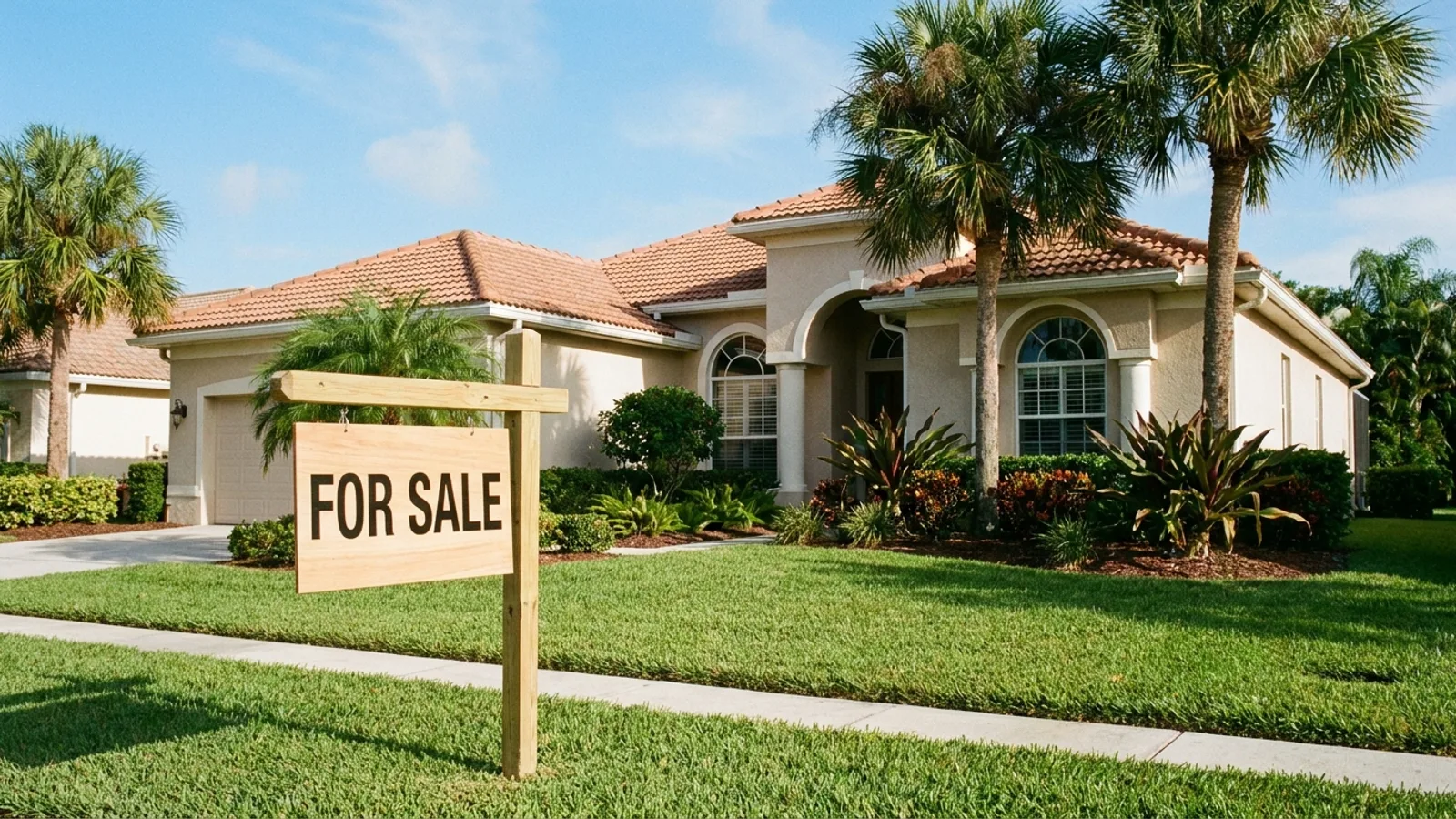
Whether you must resolve a permit depends on your buyer, their lender, and your local rules. A cash buyer may accept an open permit, while a financed buyer's lender may not. Knowing your permit status before you list lets you decide on your own timeline instead of under deadline pressure.
What is the difference between an open permit and a missing permit
An open permit was pulled for a project but never finalized, meaning it never received its passing final inspection. A missing permit is work that should have been permitted but never was, so there is no record at all.
The two are resolved differently. An open permit is usually closed by completing the remaining inspections, which our guide on closing an open permit walks through. Missing work is usually addressed with an after-the-fact permit that documents and inspects what was done.
Why do open permits matter to buyers and lenders
Open permits transfer with the property, so a buyer can inherit responsibility for finishing inspections on work they did not do. Lenders and title companies flag this because an unfinished permit is an unresolved liability against the home.
That is why open permits often become negotiation points. A buyer may ask you to close the permit before closing, credit them to handle it, or hold funds in escrow. Getting ahead of it protects your leverage.
How do I find out if my house has permit issues
Search your local building department's permit records for your address, and compare what you find against work you know was done. If a past owner replaced a roof, added a room, or changed the electrical panel, there should be a permit with a final inspection.
Our guide on how to look up a building permit explains where these records live for Orange County and other jurisdictions. The free permit checker can help you frame which past projects likely needed a permit in the first place.
Open permit versus missing permit at closing
| Situation | What it means | Common resolution |
|---|---|---|
| Open permit | Permit pulled, no final inspection | Complete remaining inspections |
| Missing permit | Work done, no permit on record | Apply for an after-the-fact permit |
| Expired permit | Permit lapsed before completion | Reactivate or reapply, then inspect |
| No issue | Permits finalized | Nothing needed |
A worked example: an unpermitted water heater found before closing
Suppose a buyer's inspector notices a water heater that looks newer than the home and finds no matching permit. The buyer asks for the permit record, and none exists, so the parties must decide who resolves it.
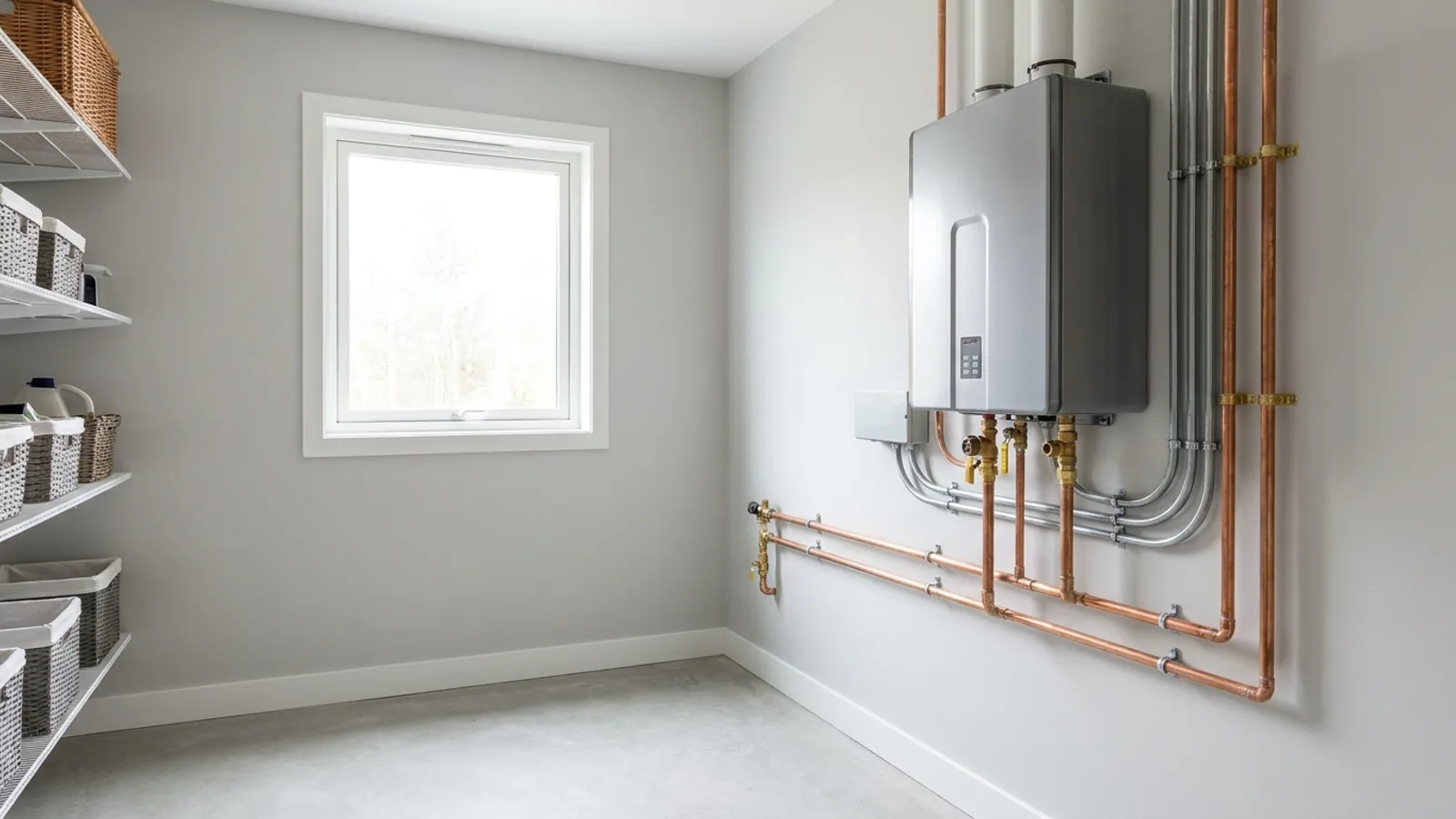
The seller could apply for an after-the-fact permit so the installation is inspected and recorded, or negotiate a credit for the buyer to handle it. Either way, discovering it early would have let the seller resolve it calmly rather than during a deadline. See the interior remodel project page for how trade work ties into permits.
Can I sell as-is with open permits
You can often sell as-is, but as-is does not erase the permit. The obligation to finalize or resolve the work travels with the house, so an as-is sale usually just shifts who deals with it, reflected in the price.
Some buyers accept that trade, especially cash buyers, while financed buyers frequently cannot because their lender objects. Be transparent about known permit issues, since Florida sellers have disclosure obligations for material defects they know about.
Our take: You do not have to close every permit to sell, but you should always know your permit status before you list. Surprises discovered by a buyer's inspector cost you leverage, while issues you find first are just a to-do item.
What steps should I take before listing
Pull your permit history, list any work done since you owned the home, and confirm each project has a finalized permit. For anything open or missing, contact your building department to learn the exact path to resolve it.
If you are unsure whether a past project needed a permit, use the permit checker to make an informed guess before you call. Handling this early turns a potential closing crisis into routine paperwork.