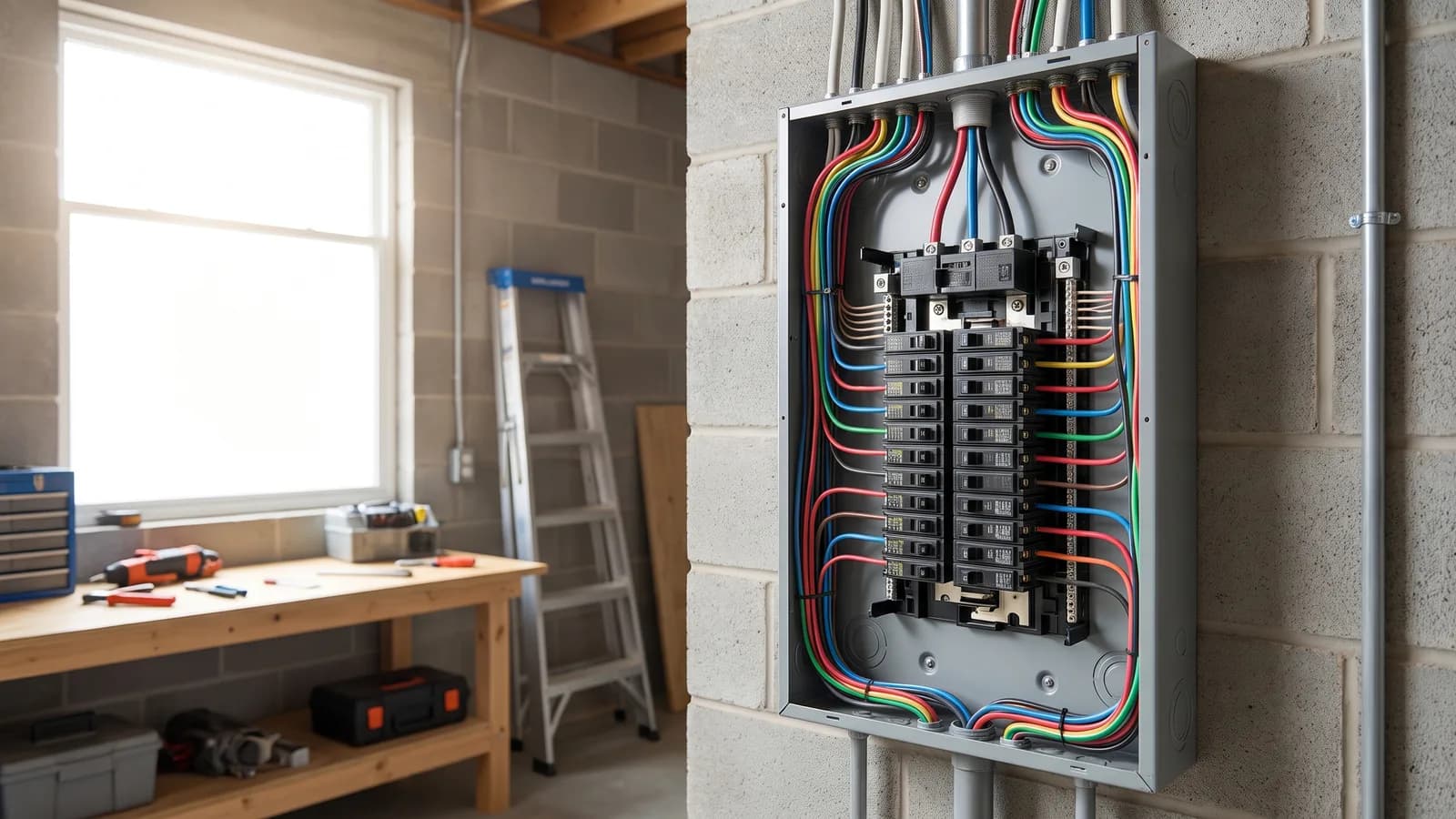
Upgrading or replacing your electrical panel in Florida almost always requires an electrical permit and inspection. An electrical panel upgrade permit in Florida covers the new panel, the service connection, and the grounding, because the panel is the heart of your home's electrical system and a fire and safety risk if done wrong. This is not a project to do quietly, since the utility often has to disconnect and reconnect the service, which involves the permit.
Key takeaways
- An electrical panel upgrade in Florida almost always requires an electrical permit and inspection.
- The permit covers the panel, service connection, and grounding, all safety-critical.
- The utility typically coordinates a disconnect and reconnect, tied to the permit and inspection.
- Most jurisdictions expect a licensed electrical contractor for panel work.
Table of contents
- Do you need a permit for an electrical panel upgrade in Florida?
- Why is a panel upgrade always permitted?
- Who can do a panel upgrade in Florida?
- What does the inspection check?
- A quick example: a 200-amp upgrade in Orange County
- How much does it cost and how long does it take?
Do you need a permit for an electrical panel upgrade in Florida?
Yes, in nearly every case. Replacing or upgrading your main electrical panel, whether you are going from 100 to 200 amps, replacing an unsafe or recalled panel, or relocating the panel, is permitted work in Florida. The electrical permit is how the jurisdiction confirms the panel, the service, and the grounding are installed safely and inspected.
Because the panel is where your home connects to the utility's power, a panel change usually involves the utility disconnecting and reconnecting the service, and that coordination is tied to the permit and passing inspection. Use our permit checker, and see our standby generator project page if a generator ties into your panel.
Why is a panel upgrade always permitted?
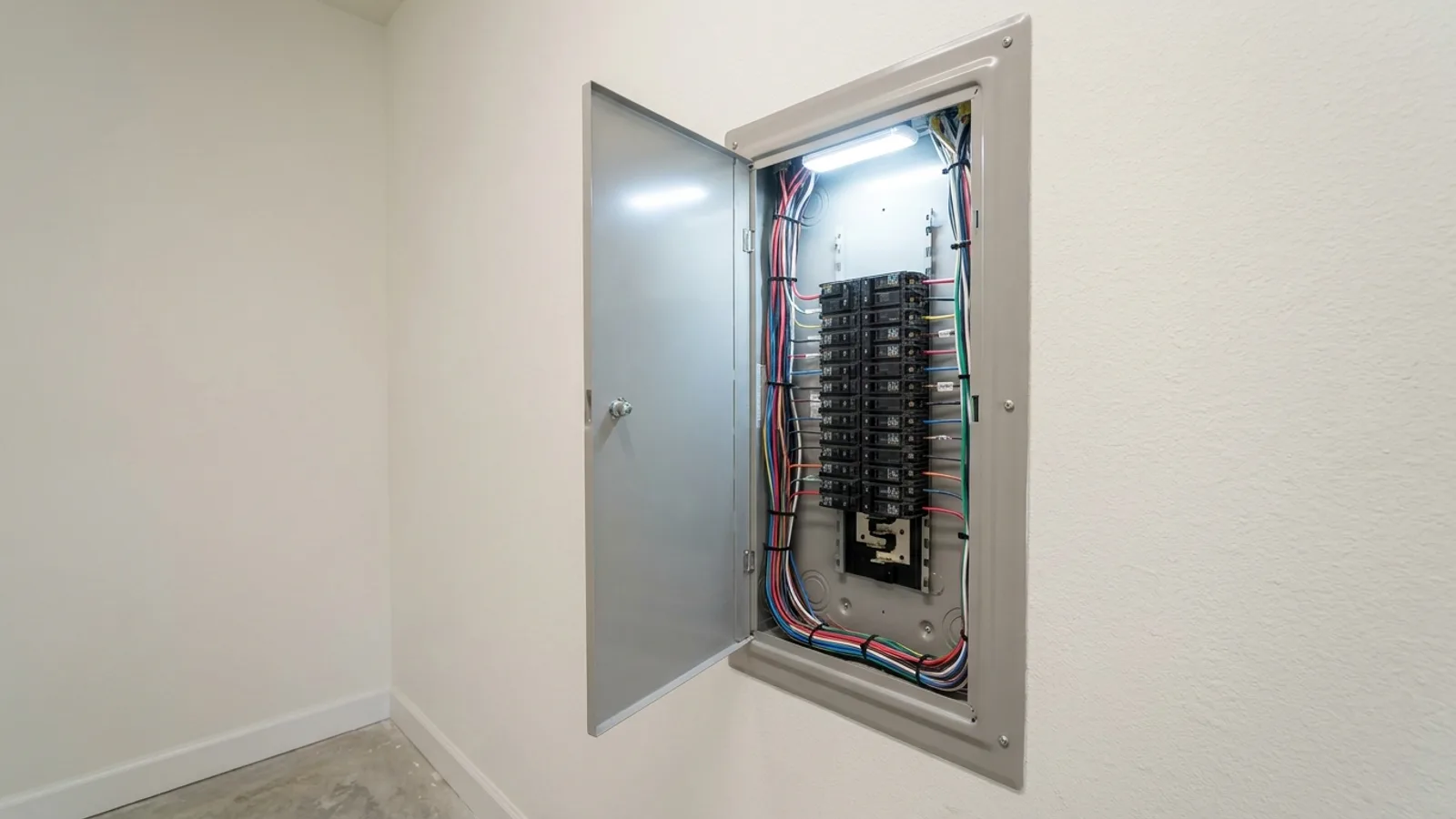
The main panel distributes all the power in your home and is a primary defense against electrical fire through its breakers and grounding. A mistake here, an undersized service, a bad ground, a loose main connection, can cause fires or electrocution. That risk is exactly why panel work is permitted and inspected rather than left to chance.
This is the same safety logic behind other electrical projects. Adding a circuit, wiring a mini-split, or installing an EV charger all involve permitted electrical work, and the panel is the most critical piece of all.
Who can do a panel upgrade in Florida?
Most jurisdictions expect a licensed electrical contractor for a panel upgrade, because it involves the service connection and life-safety wiring. As an owner-occupant you can sometimes self-permit under the owner-builder exemption, but panel work is where many homeowners rightly defer to a licensed electrician.
If you want to understand the licensing boundary, our licensed contractor vs handyman guide explains who can legally perform this work. For panel upgrades, hiring a licensed electrical contractor is the common and safer route.
What does the inspection check?
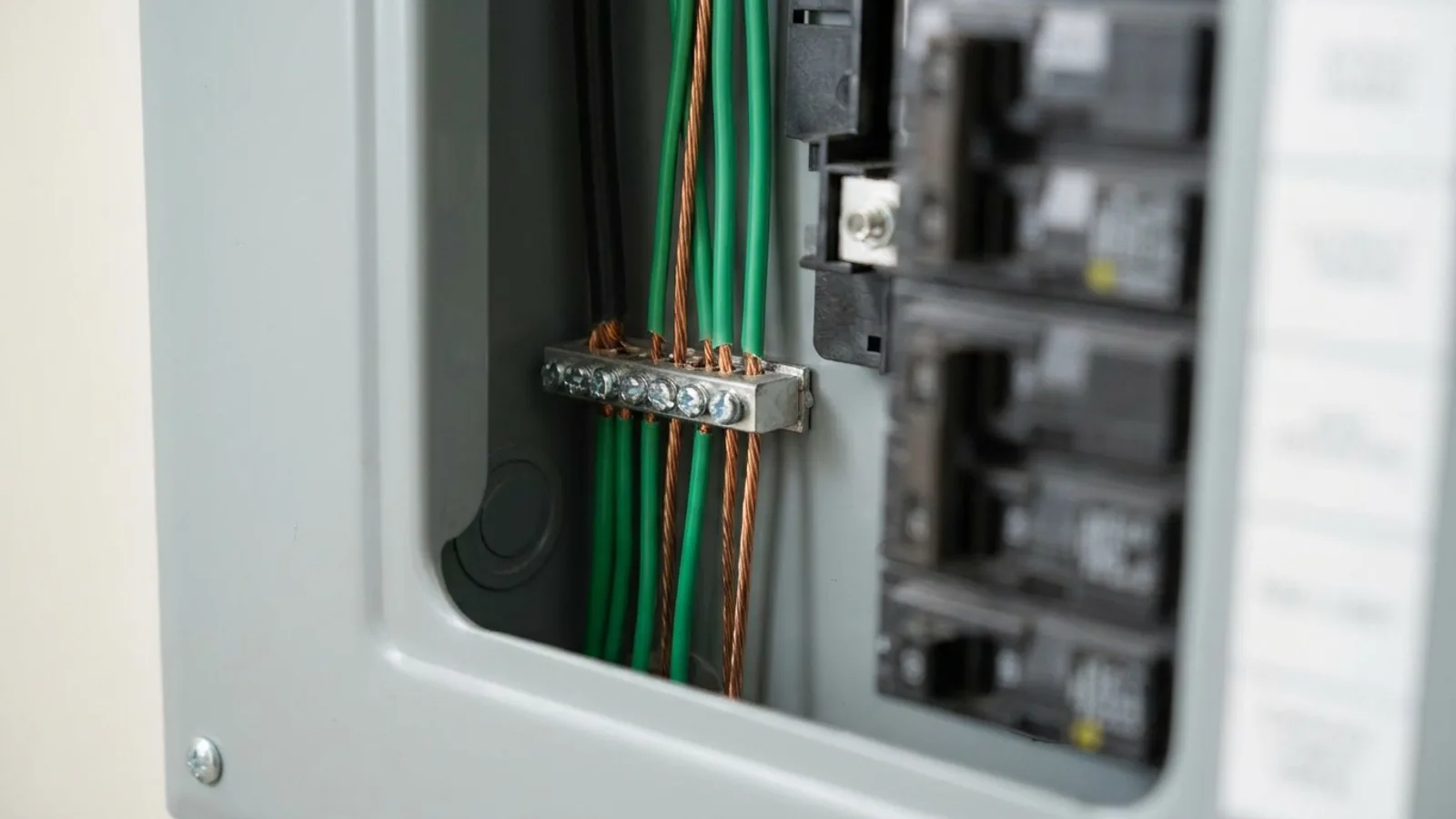
The inspector verifies the panel is properly sized and installed, the breakers and wiring are correct, the grounding and bonding meet code, and the service connection is safe. The comparison below shows why panel work is treated as more than a swap.
| Panel work | Why a permit applies |
|---|---|
| Upgrading service amperage | New service size and connection |
| Replacing an unsafe or recalled panel | Fire-safety correction |
| Relocating the panel | New wiring and service path |
| Adding a subpanel | New distribution and grounding |
A passed inspection also matters for insurance, since insurers increasingly ask about panel type and age.
A quick example: a 200-amp upgrade in Orange County
A homeowner in Orange County upgrades from an aging 100-amp panel to 200 amps to support new appliances. A licensed electrician pulls an electrical permit, coordinates the utility disconnect, installs and grounds the new panel, and passes an inspection before the utility reconnects power.
The permit and inspection add a short administrative layer, and they ensure the most safety-critical part of the home's wiring is documented and correct.
Our take: Never do a panel upgrade without a permit. This is the highest-stakes electrical work in a house, and an unpermitted panel is both a fire risk and a red flag for insurers and buyers. The permit and inspection are essential, not optional.
How much does it cost and how long does it take?
Electrical permit fees for a panel upgrade vary by jurisdiction and are modest compared with the electrician's work. The bigger scheduling factor is coordinating the utility disconnect and reconnect around the inspection, which can add time. Confirm current fees with your building department before you begin.
Keep the closed permit with your records. Documented panel work is exactly what insurers, appraisers, and buyers look for, and it is the proof your electrical service was upgraded safely.
Plan for a short power outage on upgrade day, since the utility has to cut and restore service around the work and the inspection. A good electrician schedules the disconnect, the panel swap, the inspection, and the reconnect so the house is without power for as little time as possible. That coordination, more than the wiring itself, is what determines how the day goes, and it is one more reason panel upgrades are handled through a permitted, professionally run process rather than improvised.