
A whole-house repipe almost always needs a plumbing permit in Florida. Replacing your home's water supply lines is significant plumbing work that alters the system feeding every fixture, so it is permitted and inspected. A repipe permit in Florida confirms the new piping, materials, and connections meet code, and it protects you if a hidden line fails behind a finished wall later.
Key takeaways
- A whole-house repipe requires a plumbing permit in nearly every Florida jurisdiction.
- The permit covers new supply lines, materials, and connections, verified by inspection before walls close up.
- Most jurisdictions expect a licensed plumbing contractor, though owner-occupants can sometimes self-permit.
- Permitting matters most on hidden work: an inspected repipe is documented if a line ever fails.
Table of contents
- Do you need a permit to repipe a house in Florida?
- Why is a repipe permitted when a small repair may not be?
- Who can do a repipe in Florida?
- What does the repipe inspection check?
- A quick example: repiping a 3-bedroom home in Polk County
- How much does a repipe permit cost and how long does it take?
Do you need a permit to repipe a house in Florida?
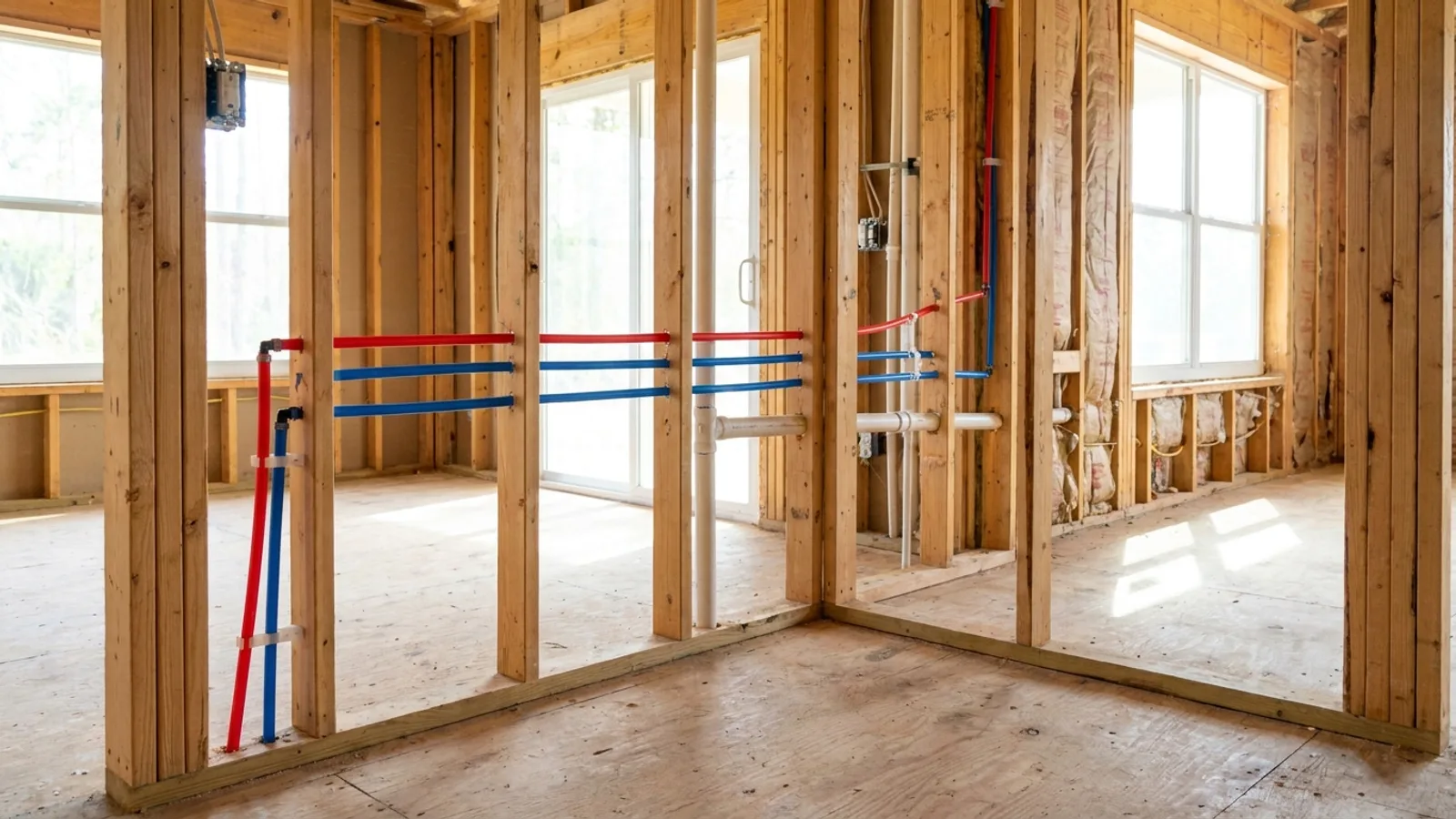
Yes. A whole-house repipe replaces the pressurized supply lines that feed your fixtures, and that is exactly the kind of concealed plumbing work Florida requires a permit for. The permit lets an inspector verify the materials and connections before the walls are closed, when problems are still easy to fix.
This applies whether you are moving from old polybutylene or galvanized pipe to PEX or copper, or replacing failing lines of any material. If your project also touches drains or the sewer lateral, review our sewer line replacement guide, since drainage is a separate part of the system.
Why is a repipe permitted when a small repair may not be?
Florida distinguishes minor repairs from system work. Fixing a single leaking joint or swapping a faucet is often a minor repair. Re-running the supply lines for the whole house changes the system that serves every fixture, so it is treated as permitted work.
| Plumbing work | Permit usually needed? |
|---|---|
| Replacing a faucet or a single supply stop | Often no |
| Repairing one leaking joint | Often no |
| Repiping a bathroom | Usually yes |
| Repiping the whole house | Yes |
| Moving or adding supply lines | Yes |
The dividing line is whether you are repairing in place or replacing and rerouting the system. When in doubt, our permit checker can point you to the right answer for your address.
Who can do a repipe in Florida?
Most jurisdictions expect a licensed plumbing contractor to perform and permit a repipe, because it is pressurized, concealed work where mistakes cause serious water damage. As an owner-occupant you can sometimes self-permit under the owner-builder exemption, but you take on responsibility for the work and inspections.
If you are weighing hiring out versus doing it yourself, our contractor vs owner-builder guide walks through the trade-offs. For a whole-house repipe, most homeowners hire a licensed plumber.
What does the repipe inspection check?
The inspector verifies the piping material is approved, the lines are properly supported and connected, and the system holds pressure. A key step is inspecting the new lines while they are still exposed, before drywall goes back up, so nothing is hidden. Many jurisdictions require this rough-in inspection plus a final.
Because a repipe touches walls and ceilings throughout the house, plan the drywall and finish work around the inspection schedule. Closing up before the inspection passes can mean reopening walls.
A quick example: repiping a 3-bedroom home in Polk County
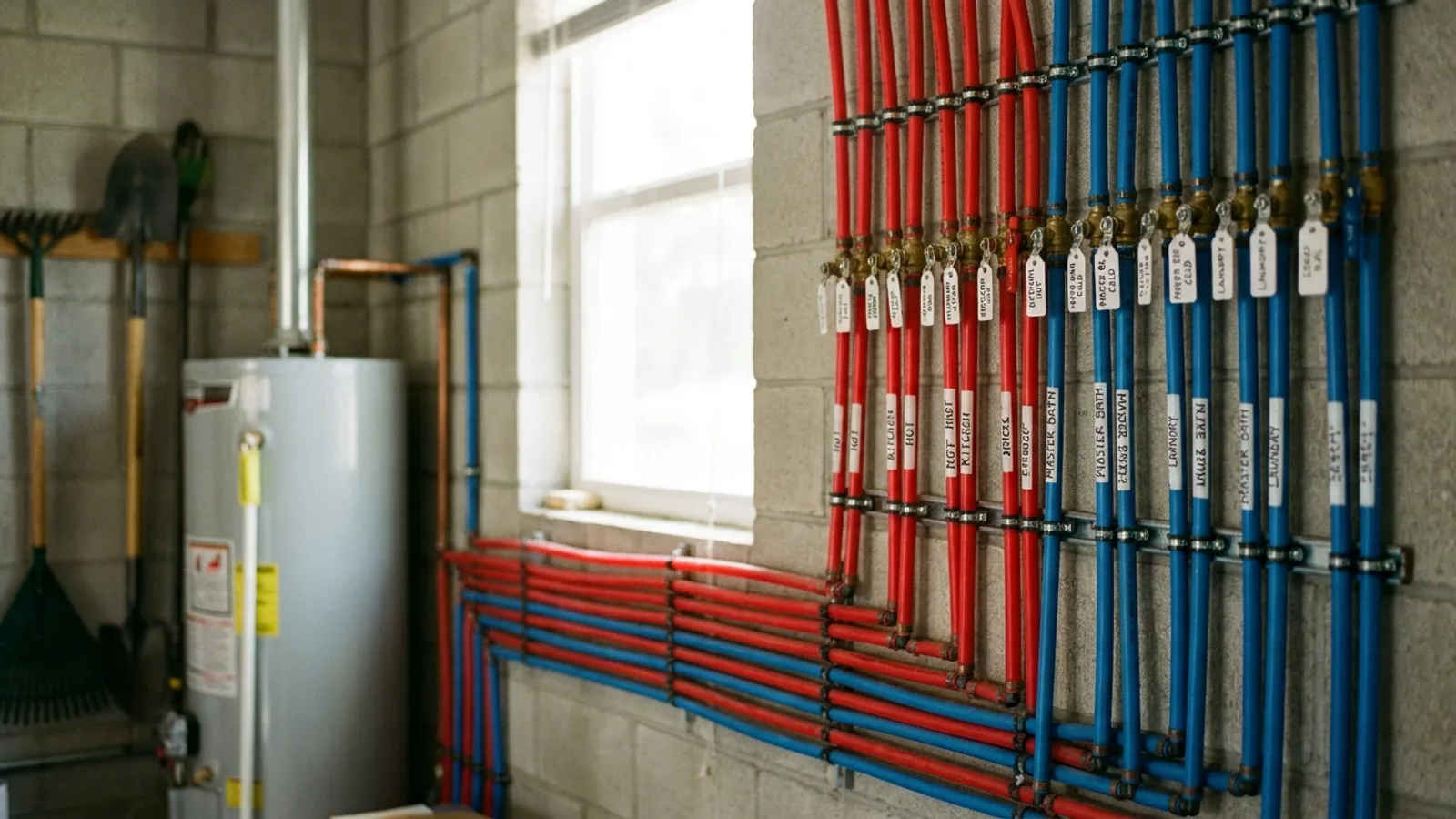
A homeowner in Polk County has recurring pinhole leaks and decides to repipe a three-bedroom home from copper to PEX. A licensed plumber pulls a plumbing permit, runs the new manifold and lines, calls for a rough-in inspection with the walls open, then patches and passes a final inspection.
The permit adds little cost against the repipe itself, and it leaves a paper trail showing the hidden lines were inspected, which matters if a line ever fails or when the home is sold.
Our take: Never repipe without a permit. This is concealed, pressurized work where an unpermitted, uninspected line can flood a finished house. The permit is cheap insurance on work you cannot see once the walls close.
How much does a repipe permit cost and how long does it take?
Plumbing permit fees vary by jurisdiction and are modest compared with the repipe itself. The schedule is driven mostly by the rough-in and final inspections, which typically add days rather than weeks. Confirm current fees with your local building department, or start with our free permit checker.
Keep the closed permit with your records. Documented plumbing work reassures buyers, appraisers, and insurers, and it is the proof you want if a concealed line ever becomes a claim.
One more planning note: a repipe is disruptive, since the plumber has to open walls in bathrooms, the kitchen, and the laundry to reach the lines. Sequencing the demolition, the rough-in inspection, and the drywall repair around the permit keeps the project from stalling. Homeowners who try to close walls quickly to save time often end up reopening them when the inspector has not yet signed off, which costs more than it saves.