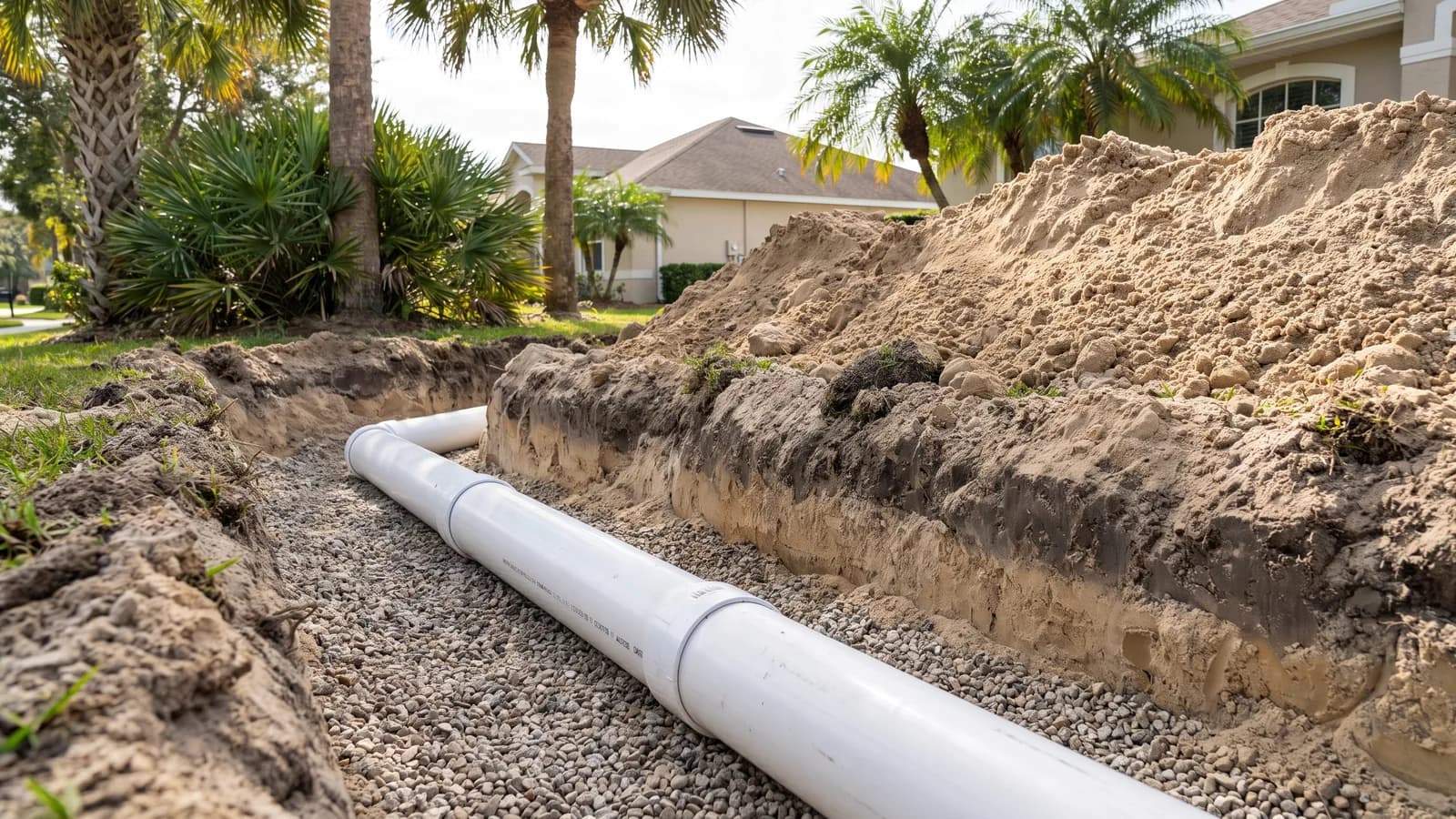
Replacing a sewer line in Florida generally requires a plumbing permit, because the sewer lateral is underground drainage work that connects your home to the public sewer or a septic system. A sewer line replacement permit in Florida lets an inspector verify the new pipe, slope, and connection before the trench is backfilled. It is concealed work you cannot see once the ground is closed, which is exactly why it is permitted and inspected.
Key takeaways
- Replacing a sewer lateral in Florida generally requires a plumbing permit.
- The permit covers the new pipe, slope, and connection, inspected before the trench is backfilled.
- If the line connects to a septic system, separate health-department requirements can apply.
- Most jurisdictions expect a licensed plumbing contractor for underground sewer work.
Table of contents
- Do you need a permit to replace a sewer line in Florida?
- Why is a sewer lateral treated as major work?
- When is a permit required versus a small repair?
- Who can replace a sewer line in Florida?
- A quick example: replacing a lateral in Orange County
- How much does it cost and how long does it take?
Do you need a permit to replace a sewer line in Florida?
Yes. The sewer lateral is the underground pipe carrying waste from your home to the public sewer main or a septic tank, and replacing it is significant drainage work that Florida permits. The permit lets an inspector confirm the new pipe, its slope, and its connection are correct before the trench is filled back in.
If your home is on septic rather than public sewer, the connection to the tank can bring in separate requirements, which our septic system guide covers. Either way, start by confirming the permit with your building department or our permit checker.
Why is a sewer lateral treated as major work?
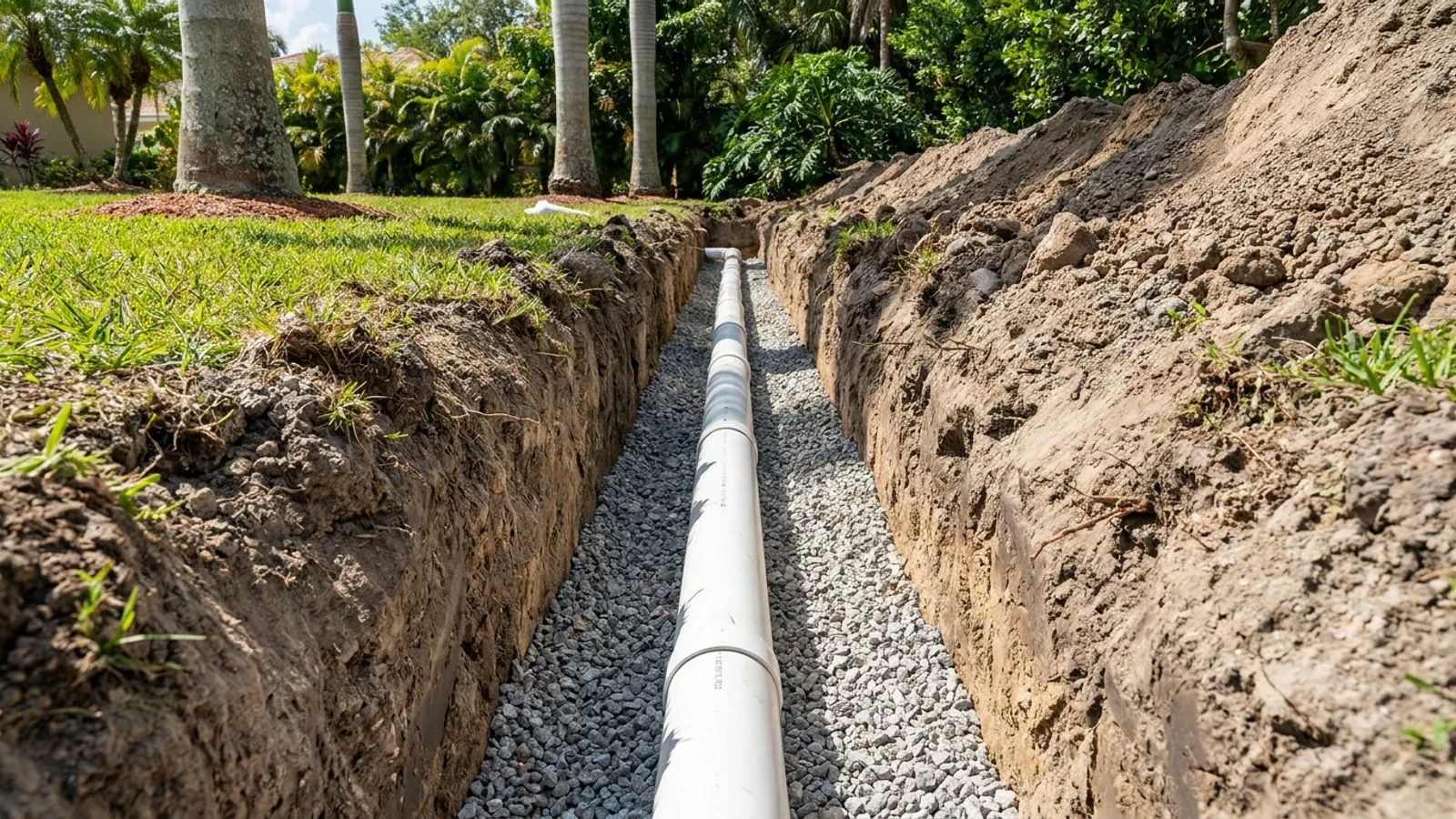
A sewer lateral has to maintain the right slope so waste flows by gravity, and it has to be sealed and bedded so it does not leak, sag, or get crushed. Getting the slope or the connection wrong causes backups and contamination, so it is not a repair to improvise.
This is the drainage counterpart to a whole-house repipe, which handles the supply side. Both are concealed plumbing that Florida inspects, because problems are hidden until they cause damage.
When is a permit required versus a small repair?
Clearing a clog or making a minor spot repair is often handled as maintenance, while replacing a length of the lateral or the whole run is permitted work. The dividing line is again repair in place versus replacing the line.
| Sewer work | Permit usually needed? |
|---|---|
| Clearing a blockage | Often no |
| Small spot repair | Sometimes, confirm locally |
| Replacing a section of the lateral | Usually yes |
| Replacing the full lateral | Yes |
| Rerouting or relining the lateral | Yes |
Trenchless methods like pipe bursting or lining still generally require a permit, because you are replacing the line even without a long open trench.
Who can replace a sewer line in Florida?
Most jurisdictions expect a licensed plumbing contractor for underground sewer work, given the depth, slope requirements, and the consequences of a failure. As an owner-occupant you can sometimes self-permit under the owner-builder exemption, but the specialized equipment and the connection to the public main usually point to a licensed plumber.
If you are weighing the options, our licensed contractor vs handyman guide clarifies who can legally do this work. For a full lateral replacement, hiring a licensed plumber is the norm.
A quick example: replacing a lateral in Orange County
A homeowner in Orange County has a collapsed clay sewer lateral causing backups. A licensed plumber pulls a plumbing permit, excavates the run, installs new PVC at the correct slope, calls for an inspection while the trench is still open, then backfills and passes a final.
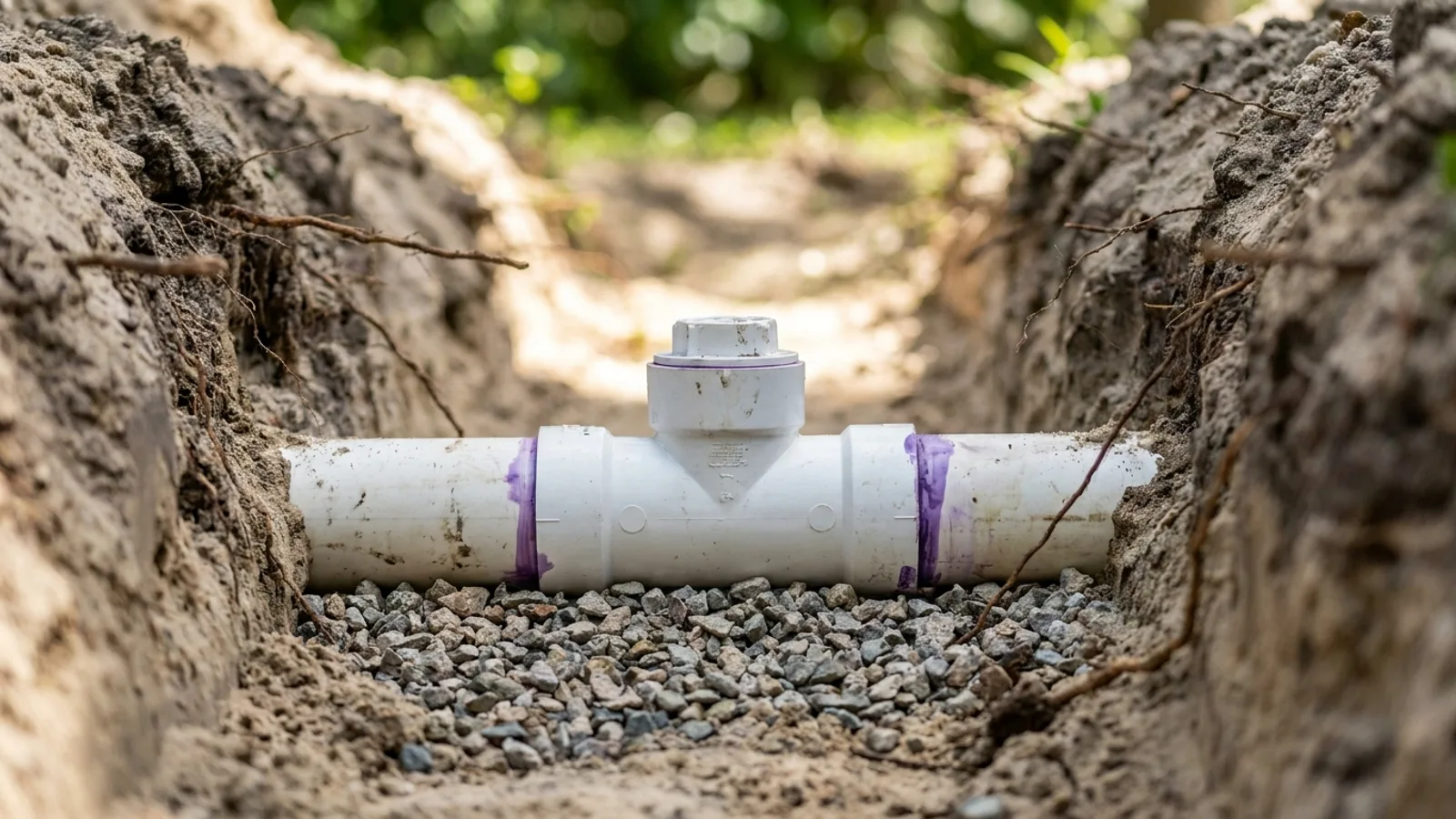
Inspecting the pipe before backfill is the whole point: once the trench is closed, verifying the slope and connection would mean digging it back up.
Our take: Always permit a sewer lateral replacement. This is buried, gravity-dependent work where a hidden mistake means backups and contamination. The pre-backfill inspection is cheap insurance on a line you cannot see.
How much does it cost and how long does it take?
Plumbing permit fees for a lateral replacement vary by jurisdiction and are modest next to the excavation and pipe work. The schedule is driven by the pre-backfill inspection, which typically adds days, not weeks. Confirm current fees with your local building department or start with our free permit checker.
Keep the closed permit with your records. Documented sewer work reassures buyers and inspectors later, and it is the proof you want if the connection is ever questioned.
Before you dig, it is worth locating other buried utilities so the excavation does not strike a gas, electric, or water line, and Florida has a free call-before-you-dig service for exactly that. A licensed plumber typically handles this as part of the job. Coordinating the utility locate, the excavation, the pre-backfill inspection, and the restoration of your yard is what turns a disruptive dig into a clean, documented lateral replacement that holds up for decades.