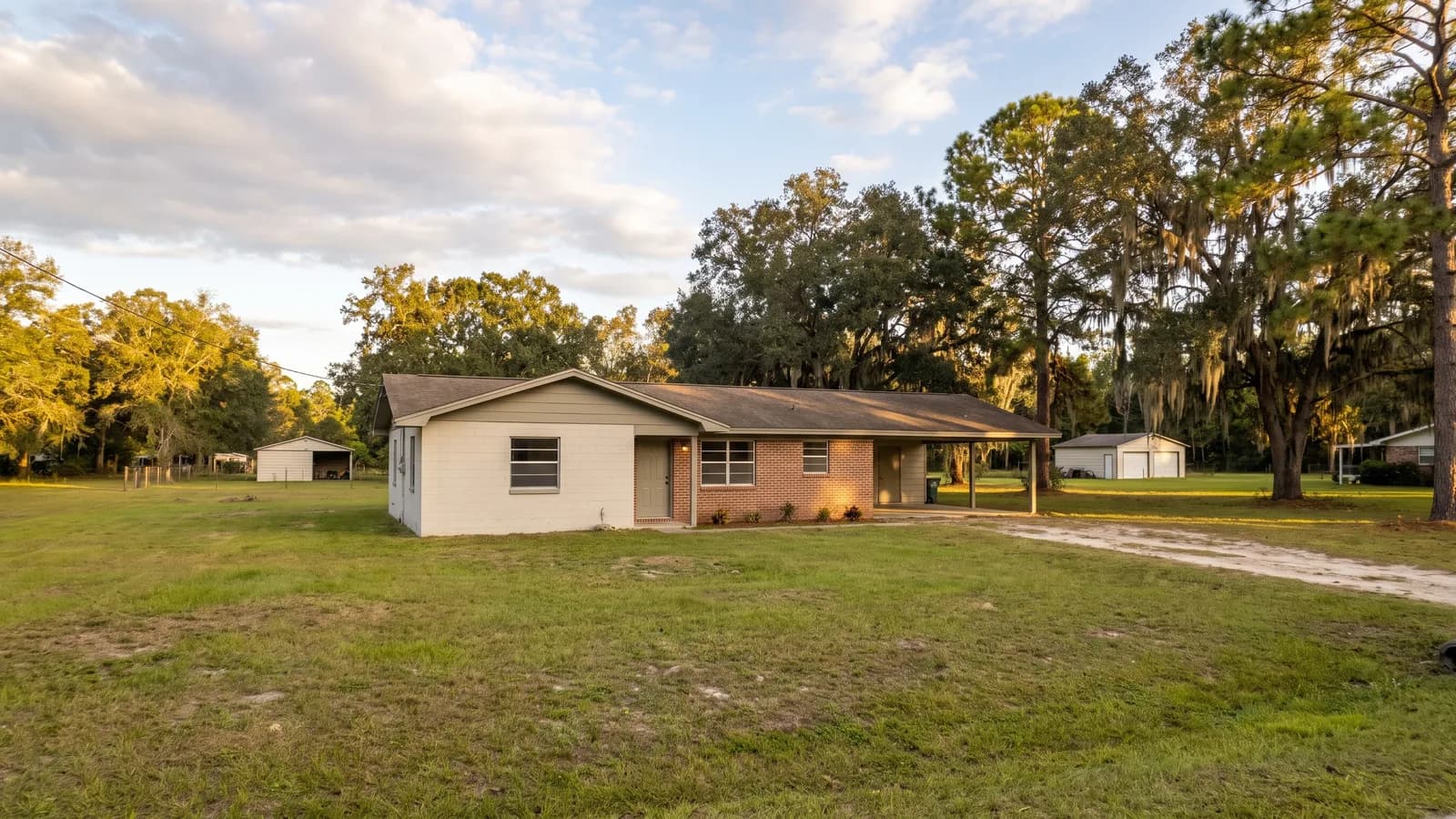
If your home in Polk County is outside every city limit, the Polk County Building Division generally handles your residential permits. Unincorporated means your property is not inside any incorporated city, so the county, rather than a city, is your permitting authority. Confirming that your address is unincorporated is the first step before you apply for anything.
Key takeaways
- Homes in unincorporated Polk County generally permit through the Polk County Building Division, not a city.
- A mailing address that names a city does not always mean you are inside that city's limits.
- Most structural, electrical, plumbing, mechanical, gas, and roofing work requires a county permit, with limited minor-work exemptions.
- Rural properties can involve extra considerations like wells, septic systems, and larger setbacks.
Table of contents
- Who issues permits in unincorporated Polk County
- How do I know if my home is unincorporated
- What projects need a county permit
- What is different about rural properties
- Unincorporated county versus city permitting
- A worked example: a pole barn or shed on acreage
- How does the county permit process work
- What should I confirm before starting
Who issues permits in unincorporated Polk County
The Polk County Building Division issues residential permits for homes in unincorporated areas of the county. If your property is not inside any city, the county is your building department for most residential work.
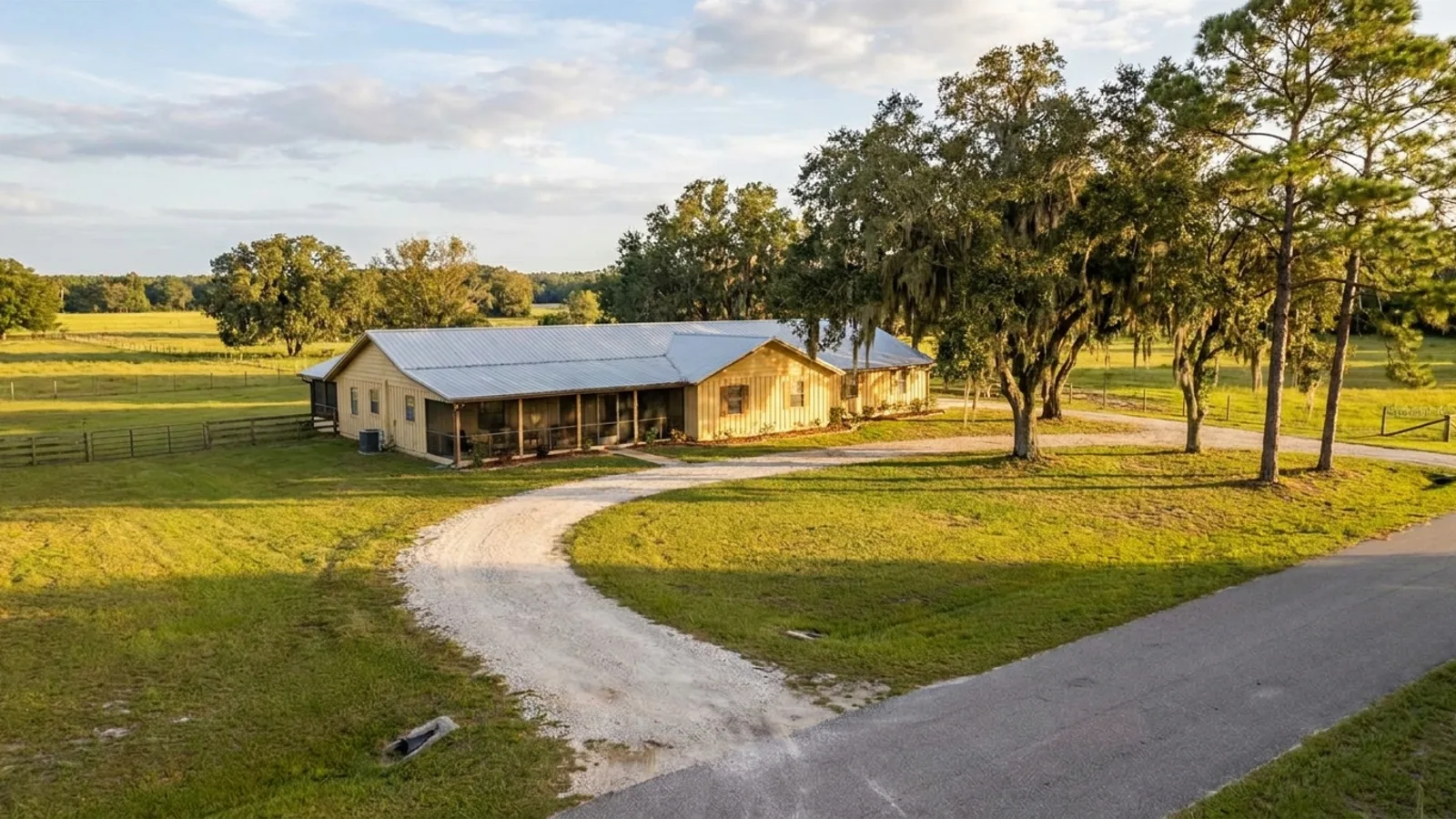
This distinction matters because Polk County contains many incorporated cities, each with its own permitting. Homes inside a city, such as Lakeland, use that city instead, covered in our Lakeland permits guide. Start with the Polk County hub to orient yourself.
How do I know if my home is unincorporated
Check the Polk County Property Appraiser record for your parcel, which typically shows the jurisdiction, or ask the county. A mailing address that names a city, like a Lakeland or Winter Haven address, does not always mean you are inside that city's limits.
This is the most common confusion for county residents. Many homes with city mailing addresses are actually unincorporated and permit through the county. Confirm before you apply so you deal with the right office from the start.
What projects need a county permit
Most work affecting structure, safety systems, or the building envelope requires a county permit, consistent with the statewide Florida Building Code. That generally includes additions, roofing, electrical, plumbing, mechanical and gas work, window and door replacement, and many accessory structures.
Common permitted projects include:
- Roof replacement and structural repairs
- Electrical, plumbing, and gas work
- HVAC and mechanical replacement
- Window and door replacement
- Additions, decks, and accessory structures
Our guide on how to pull a permit in Polk County walks through the county's general process.
What is different about rural properties
Rural and larger-lot properties can involve considerations that city lots often do not, such as private wells, septic systems, larger setbacks, and agricultural structures. These can add reviews beyond a standard building permit.
For example, work involving a well or septic system can involve environmental health review in addition to building permits. If your project touches water supply or waste disposal, ask the county which additional approvals apply. Zoning on larger parcels can also differ from city zoning.
Unincorporated county versus city permitting
| Factor | Unincorporated Polk County | Inside a Polk city |
|---|---|---|
| Permitting authority | Polk County Building Division | That city's building department |
| Records search | County portal | City portal |
| Common extras | Wells, septic, larger setbacks | City zoning and design rules |
| First step | Confirm you are unincorporated | Confirm you are in city limits |
A worked example: a pole barn or shed on acreage
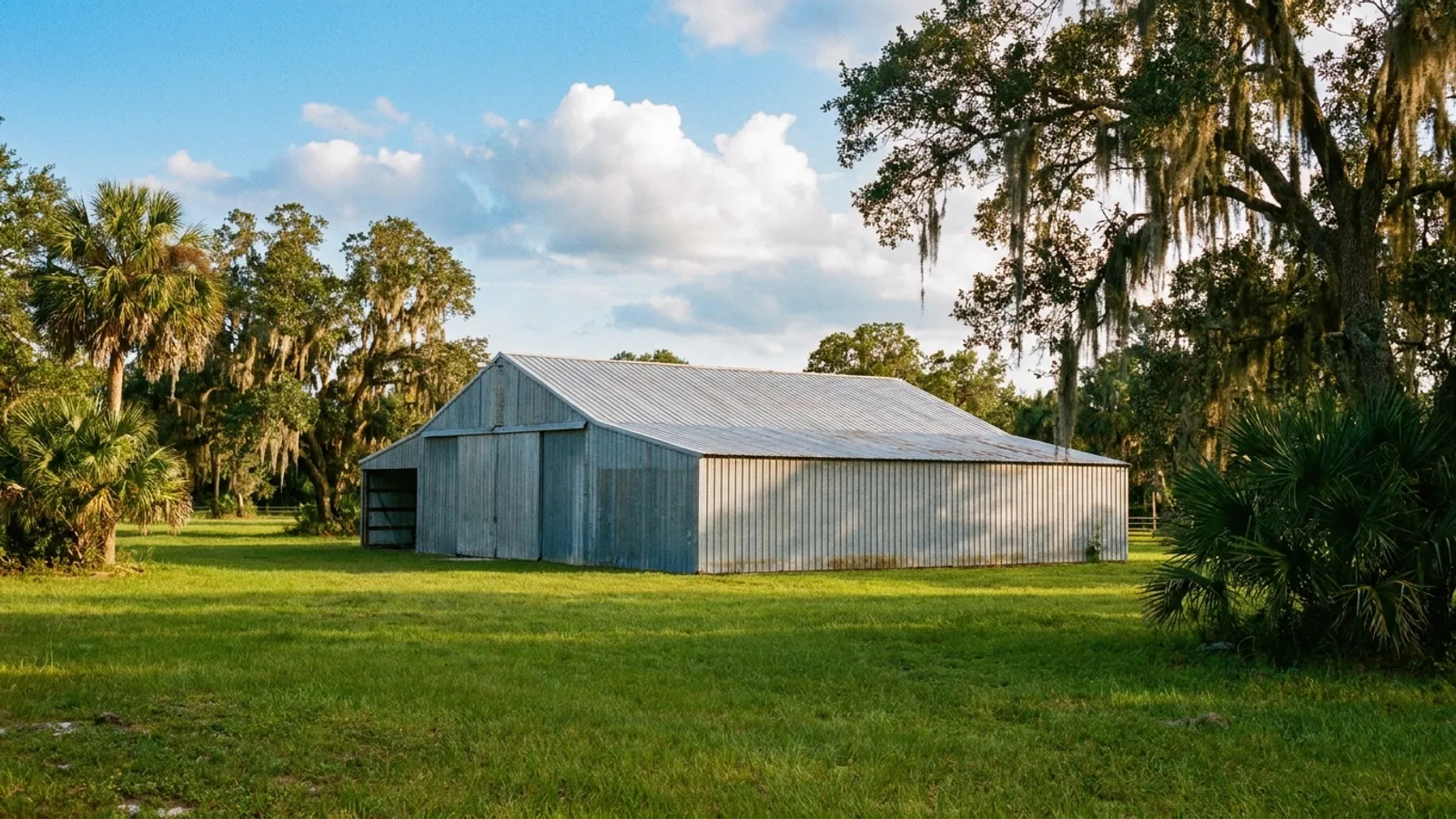
Consider a homeowner on several acres in unincorporated Polk County who wants to add a large detached storage building. They contact the county to confirm whether the structure needs a building permit, what zoning setbacks apply on rural-zoned land, and whether any electrical service to the building triggers a separate permit.
Because the property is unincorporated, all of this runs through the county rather than a city. If the building stays clear of utilities it is a simpler structure permit, while adding power makes it electrical work too. Our guide on sheds under 120 square feet covers the smaller end of this question.
How does the county permit process work
The county process follows the general Florida path: apply, have the application reviewed, receive the permit, complete inspections, and pass a final inspection that closes the permit. Larger projects need plans, while simpler ones may use a streamlined submittal.
Use the free permit checker to frame your project before you apply, and contact the county for the exact submittal and fee details, which are set locally. Our guide on Florida permit costs and timelines explains how fees are generally structured.
Our take: In unincorporated Polk County, the biggest trap is assuming a city mailing address means a city permits your work. Confirm jurisdiction with the property record first, because many county residents mistakenly go to a city office and lose time before learning the county handles their permit.
What should I confirm before starting
Confirm your property is unincorporated, then ask the county what your specific project requires, including any well, septic, or zoning considerations for rural land. Getting these answers up front prevents rework.
If you later find your home is actually inside a city, switch to that city's building department. Our Lakeland guide is a useful comparison for how city permitting differs.