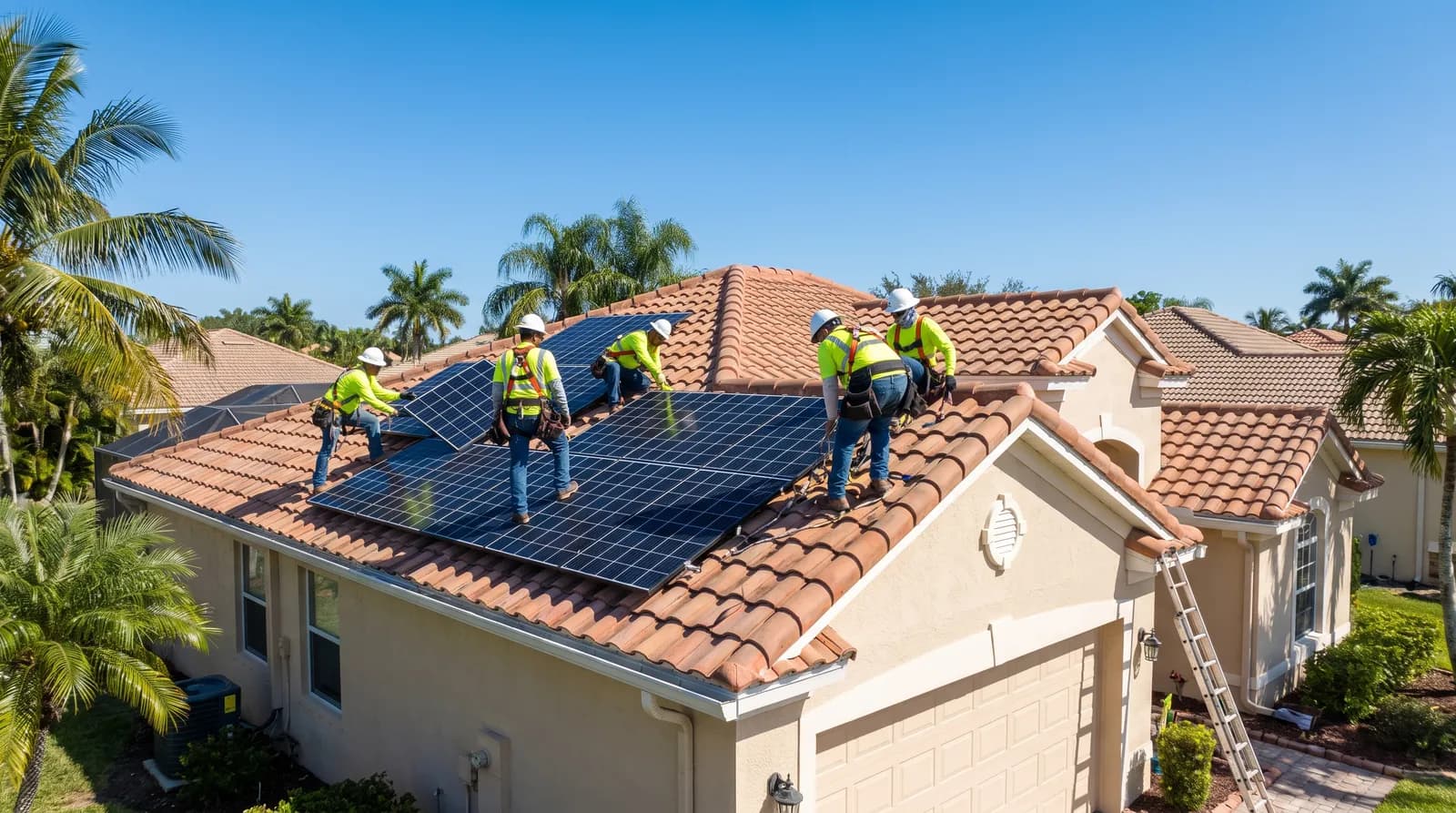
A rooftop solar permit in Florida is really two things at once: a building and electrical permit from your local building department, plus a separate interconnection agreement with your electric utility. Homeowners often expect one approval and are surprised to learn the city or county signs off on the physical installation while the utility, not the government, controls whether your system can connect to the grid and earn net-metering credit. Getting both tracks right, in the right order, is what turns a set of panels on your roof into a working, credited solar system.
Key takeaways
- Rooftop solar in Florida requires a building permit and an electrical permit from your local building department before installation.
- A separate utility interconnection agreement is required to connect a grid-tied system, and it is governed by Florida Public Service Commission rules, not the building department.
- Net metering and interconnection are set statewide by Florida Administrative Code Rule 25-6.065, which sorts systems into tiers by size, with most homes in Tier 1 (10 kW and below).
- Utilities cannot require liability insurance for Tier 1 residential systems, though they may recommend it.
- Under the Florida Solar Rights Act (F.S. 163.04), an HOA cannot prohibit solar, though it may impose reasonable, uniformly applied location rules.
On this page
- Do I need a permit for rooftop solar in Florida?
- What permits does a solar installation require?
- What does the building permit cover for solar?
- What does the electrical permit cover for solar?
- What is a utility interconnection agreement?
- How does net metering work in Florida?
- What are the interconnection tiers in Florida?
- Permit versus interconnection: how the pieces compare
- Do I need insurance for solar interconnection?
- Can my HOA stop me from installing solar?
- Does my roof need to be permit-ready first?
- What inspections does a solar system require?
- Worked example: a rooftop system in Orange County
- What happens if I skip a permit or interconnection?
Do I need a permit for rooftop solar in Florida?
Yes. Installing rooftop solar in Florida requires a permit from your local building department, and grid-tied systems also require a separate interconnection agreement with your electric utility. The building department reviews the physical and electrical installation for code compliance; the utility handles the grid connection and net metering. Both are mandatory for a standard grid-connected home system.
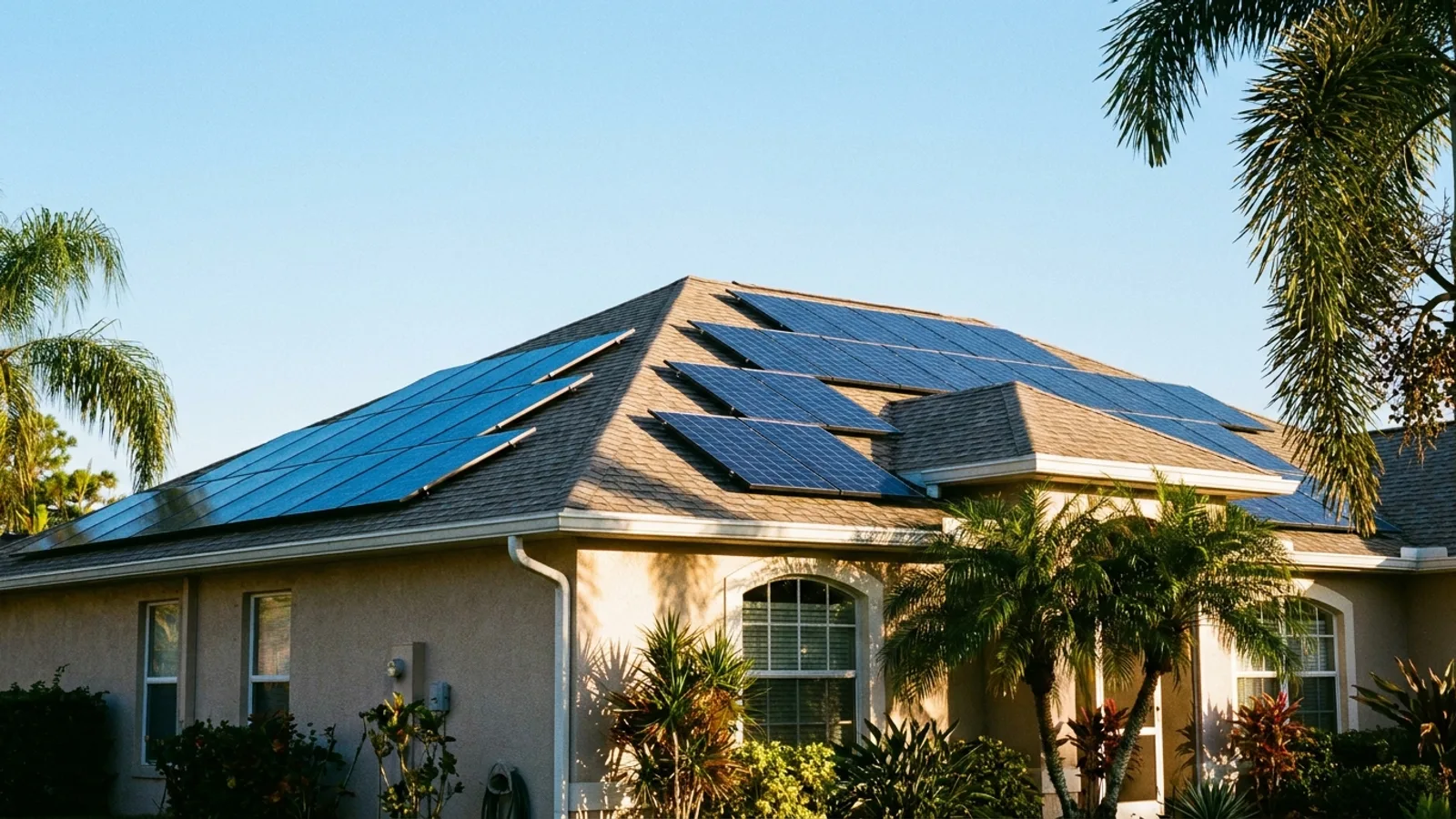
Because two different authorities are involved, it helps to map the whole process before you sign. Run your project through our free permit checker to see what your jurisdiction requires, and review the solar panels project page for the typical sequence of approvals.
What permits does a solar installation require?
A typical grid-tied rooftop system needs a building permit and an electrical permit from the local jurisdiction, usually pulled together on one application by a licensed contractor. The building permit addresses how the array attaches to and loads the roof; the electrical permit addresses the wiring, inverter, and connection to your service. Some jurisdictions combine these into a single solar permit, but the two reviews still happen.
Separately, the utility interconnection agreement is not a building permit at all. It is a contract with your electric provider that authorizes the grid connection. Treating these as one step is the most common planning mistake, because the utility process runs on its own timeline.
What does the building permit cover for solar?
The building permit covers the structural and roof-related side of the installation: how the mounting hardware attaches to the roof, whether the roof can carry the added load, and how the array resists Florida's wind loads. Applications typically require a structural analysis of the roof or mounting site and a layout showing the array and attachment points.
This is where a tired roof becomes a problem. Panels are meant to last decades, so the building review effectively assumes the roof underneath is sound. If your roof is near the end of its life, plan the reroof first; our roof permits guide explains how Florida regulates that work.
What does the electrical permit cover for solar?
The electrical permit covers the wiring, the inverter, grounding and bonding, and the connection into your electrical service, all to the National Electrical Code as adopted by Florida. The reviewer checks that your service panel can accommodate the solar backfeed and that disconnects and labeling meet code.
A frequent surprise is panel capacity. Older service panels may not have room for a compliant solar connection, which can add an upgrade to the project. If that applies to you, our guide on electrical panel upgrade permits walks through what that involves.
What is a utility interconnection agreement?
A utility interconnection agreement is a contract between you and your electric utility that authorizes your solar system to connect to the grid and, for most homeowners, to receive net-metering credit. It is separate from the building permit and is governed by the Florida Public Service Commission, not your city or county.
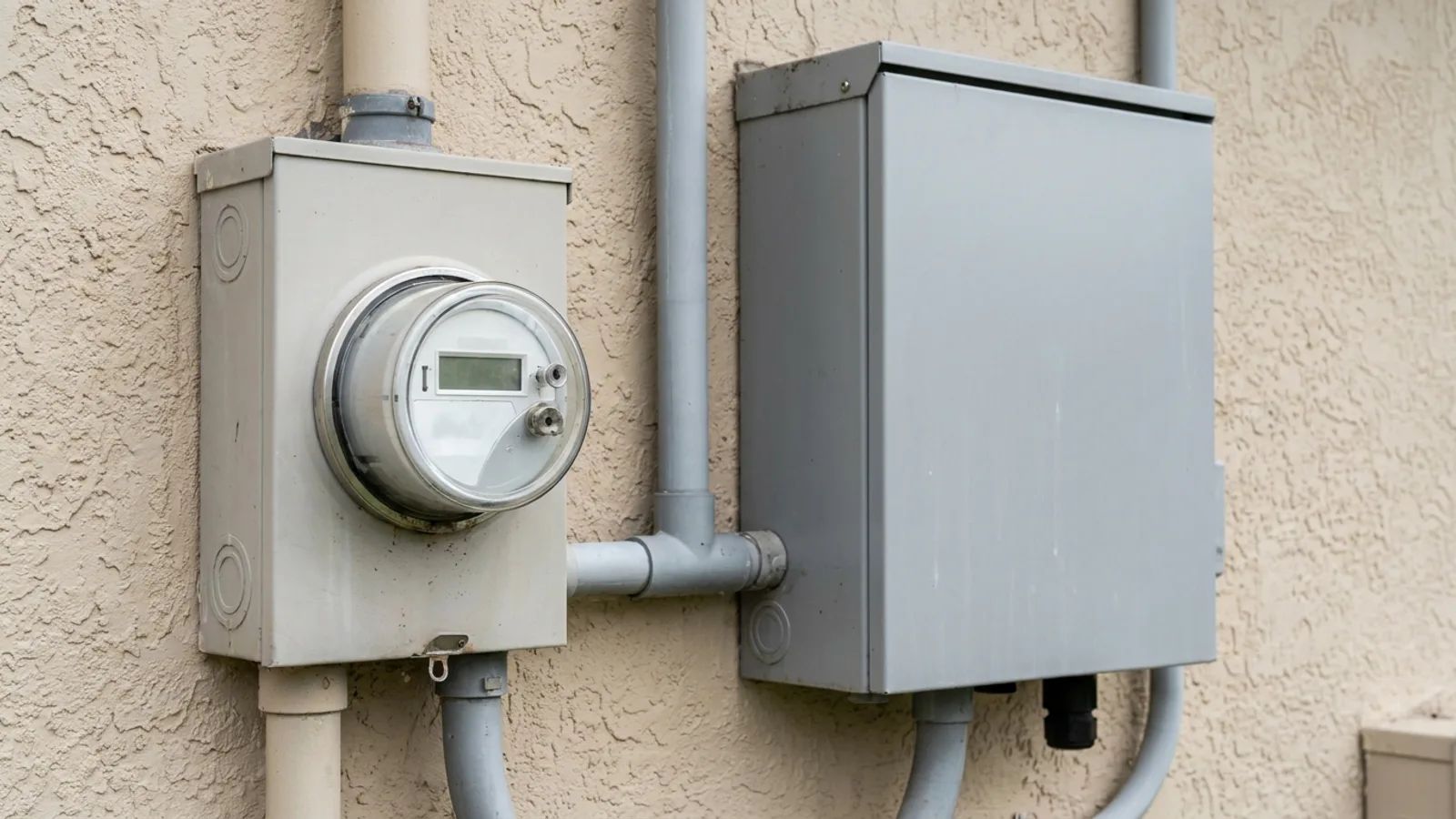
The agreement requires that your system include a utility-interactive inverter or equivalent device that automatically isolates your equipment from the grid if the grid loses power, a safety feature that protects utility line workers. You generally apply, sign the agreement, obtain your building permit, and pass inspection before the utility authorizes the system to switch on.
How does net metering work in Florida?
Net metering lets your solar system send excess electricity back to the grid and receive credit on your bill, and in Florida it is set statewide by Florida Administrative Code Rule 25-6.065. That rule, administered by the Florida Public Service Commission, establishes the interconnection standards and metering arrangements for customer-owned renewable generation.
Because net metering flows through the interconnection agreement, you cannot simply turn on a system and expect credit; the metering and agreement have to be in place first. The specific credit terms are set in each utility's tariff under the statewide rule, so confirm the details with your own provider.
What are the interconnection tiers in Florida?
Florida sorts customer-owned renewable systems into three tiers by capacity under Rule 25-6.065. Tier 1 is 10 kilowatts and below, which covers most residential rooftop systems. Tier 2 is above 10 kilowatts up to 100 kilowatts, and Tier 3 is above 100 kilowatts up to 2 megawatts.
The tier determines the application requirements, fees, and insurance expectations. Knowing your tier up front tells you which process you are in; a typical home system sits comfortably in Tier 1.
Permit versus interconnection: how the pieces compare
The building permit, the electrical permit, and the interconnection agreement are three different approvals from two different authorities. This table shows how they line up.
| Piece | Who issues it | What it governs |
|---|---|---|
| Building permit | Local building department | Roof attachment, structure, wind load |
| Electrical permit | Local building department | Wiring, inverter, grounding, service connection |
| Interconnection agreement | Your electric utility (under PSC Rule 25-6.065) | Grid connection and net metering |
All three generally have to be satisfied before a grid-tied system is legally energized and earning credit. Miss any one and the system is not fully approved, even if the panels are physically installed.
Do I need insurance for solar interconnection?
For a typical residential system, no. Under Rule 25-6.065, a utility cannot require liability insurance for Tier 1 systems (10 kilowatts and below), though it may recommend that Tier 1 customers carry an appropriate level of coverage. Larger systems are different: the rule allows utilities to require general liability coverage up to $1 million for Tier 2 and up to $2 million for Tier 3.
Since most homes fall in Tier 1, the insurance requirement rarely applies, but it is worth confirming your system size against the tiers so you know which rules govern your agreement.
Can my HOA stop me from installing solar?
No. Under the Florida Solar Rights Act (Florida Statute 163.04), a deed restriction, covenant, or homeowners association cannot prohibit the installation of solar collectors on a home. An HOA may still require approval and impose reasonable, uniformly applied rules, and it may specify where on the roof the panels go within a southerly orientation, but only if that placement does not impair the system's effective operation.
HOA approval and a building permit are two separate things, and you generally need both where an association exists. Our guide on HOA approval versus a building permit explains how the two processes interact so you do not skip one assuming the other covers it.
Our take: Treat the utility interconnection agreement as a first-class part of the project, not an afterthought once the panels are up. We regularly see homeowners assume the city permit is the finish line, then wait weeks because the interconnection application had not started. Sequence it deliberately: confirm your roof and panel capacity, pull the building and electrical permit, and run the interconnection application in parallel so the system can be energized and credited as soon as it passes inspection.
Does my roof need to be permit-ready first?
Effectively yes. Because a solar array is designed to sit on the roof for decades and the building permit reviews how it attaches, an aging roof should be replaced before, or as part of, the solar project. Installing panels on a roof with only a few years left means paying to remove and reset the array when the roof is redone.
A reroof is its own permitted project in Florida, with its own product-approval and inspection requirements. If your roof is near end of life, read our roof permits guide and sequence that work first.
What inspections does a solar system require?
A solar installation typically requires building and electrical inspections from the local jurisdiction, verifying the mounting, wiring, grounding, disconnects, and labeling. After the local final passes, the utility usually completes its own step, setting or verifying the meter, before authorizing the system to operate.
The order matters: local inspection generally comes before the utility gives permission to operate. Until the utility authorizes it, a compliant system should not be feeding the grid, even if it is physically finished.
Worked example: a rooftop system in Orange County
Consider a homeowner in Orange County adding an 8 kW rooftop system, which sits in Tier 1. Their licensed installer pulls a combined building and electrical permit, submitting a roof structural analysis and an electrical layout showing the inverter and service connection. In parallel, the installer files the interconnection application with the utility.
The building department inspects the mounting and the electrical work and passes the final. Because the system is Tier 1, the utility does not require liability insurance. Once the utility completes its meter step and issues permission to operate, the system energizes and begins earning net-metering credit under the utility's tariff. The homeowner's roof was only three years old, so no reroof was needed first. The project succeeded because the permit track and the interconnection track ran together, not one after the other.
What happens if I skip a permit or interconnection?
Skipping the building or electrical permit exposes you to stop-work orders, fines, and an unpermitted installation that surfaces at sale or insurance renewal, and it can void manufacturer or insurance coverage if a problem arises. Skipping the interconnection agreement means the utility has not authorized your grid connection, so you are not entitled to net-metering credit and may be operating unsafely.
An unpermitted solar array is difficult to correct after the fact because inspectors cannot verify hidden wiring and attachments once everything is closed up. If work was already done without a permit, our guide on after-the-fact permits explains the path back into compliance.
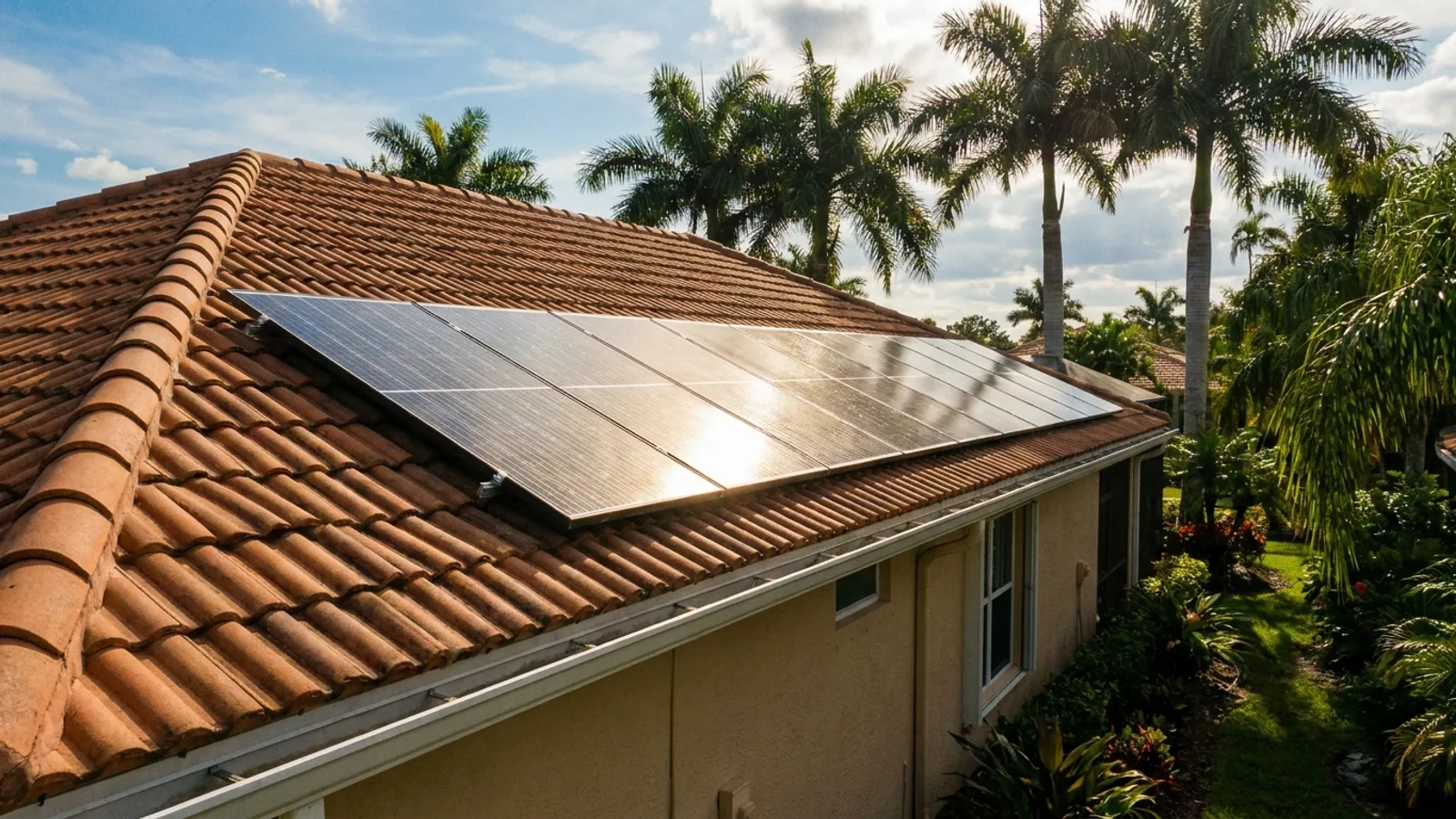
The bottom line: plan for two tracks, the local building and electrical permit and the separate utility interconnection agreement, and run them in parallel so your system is legal, safe, and credited the moment it passes. Start with the free permit checker to see what your jurisdiction requires before you sign a solar contract.