
In Florida, HOA approval and a building permit are two separate approvals that answer different questions, and many projects need both. A building permit is the government's confirmation that your work meets the building code, while HOA approval, often called architectural review, is your homeowners association's confirmation that the project fits the community's rules. One does not replace the other, and getting HOA approval first is often the practical order.
Key takeaways
- A building permit is a government approval for code compliance; HOA approval is a private approval for community standards.
- Many Florida projects need both, and one never substitutes for the other.
- HOA architectural review can control appearance, materials, colors, and placement that the building code does not address.
- Getting HOA approval before you apply for a permit avoids building something the association later requires you to change.
Table of contents
- What is the difference between HOA approval and a building permit
- What does a building permit cover
- What does HOA approval cover
- Do you need both for the same project
- Which one should you get first
- HOA approval versus building permit at a glance
- A worked example for a backyard fence
- What if the HOA and the permit disagree
What is the difference between HOA approval and a building permit
The difference is who issues it and what it protects. A building permit comes from your city or county and confirms the work meets the Florida Building Code for safety; HOA approval comes from your homeowners association and confirms the project meets the community's private rules.
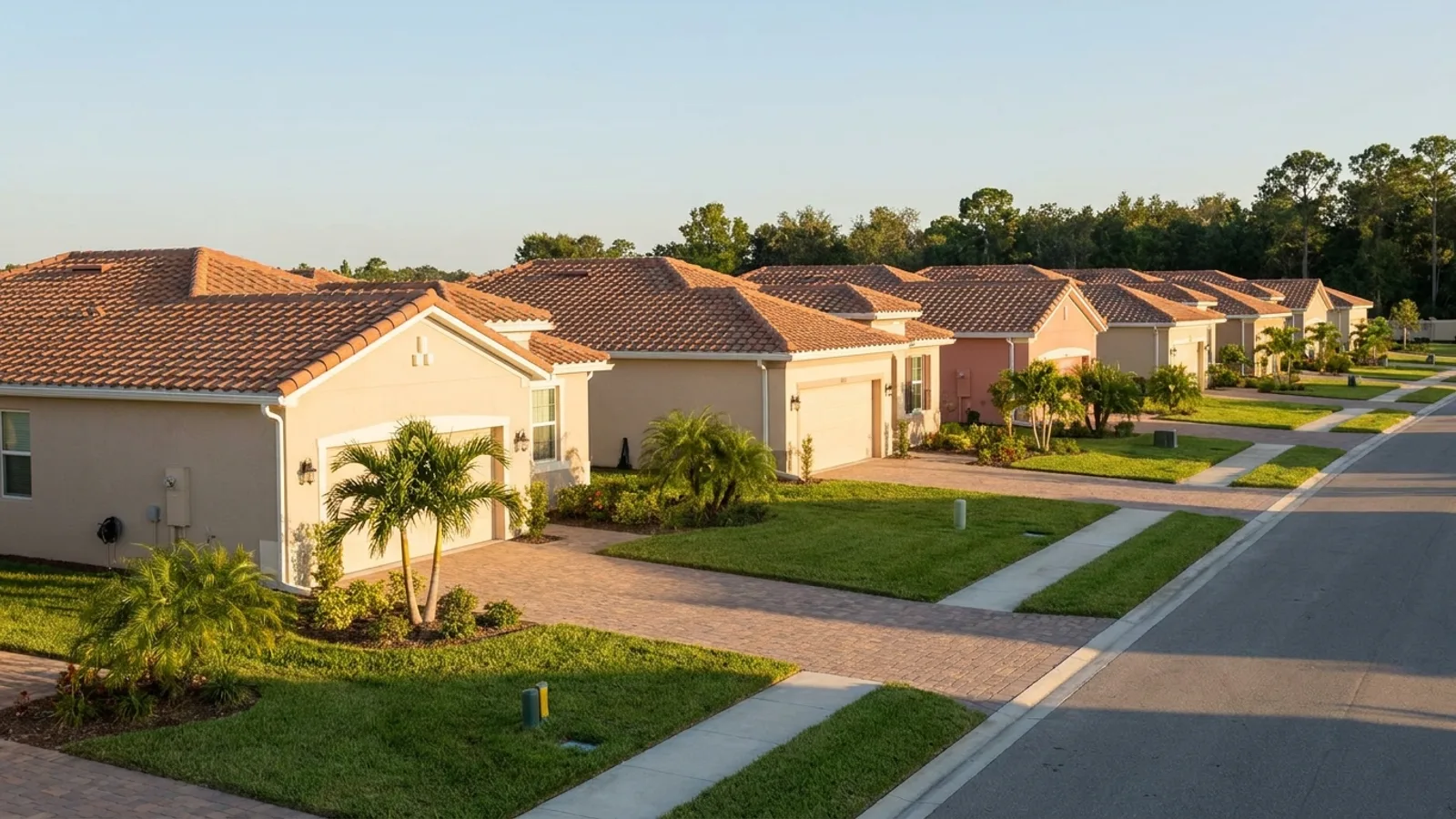
Because they come from different authorities and cover different concerns, they operate in parallel. The permit does not care about your paint color; the HOA may. Neither one waives the other.
What does a building permit cover
A building permit covers code compliance and safety: structure, electrical, plumbing, mechanical, and the inspections that verify them. It is a legal requirement for regulated work, backed by state law and enforced by your local building department.
The permit process checks that the work is built safely and to code, then finalizes with inspections. It says nothing about whether the project matches your neighbors' homes. To scope which permits your project needs, start with the free permit checker and review the Polk or Orange county resources.
What does HOA approval cover
HOA approval covers appearance and community standards: colors, materials, style, height, placement, and other aesthetic or use rules in your governing documents. It is a private, contractual requirement you agreed to when you bought in the community.
Architectural review boards commonly weigh in on fences, exterior paint, additions, sheds, pools, and screen enclosures. These are exactly the projects where homeowners get surprised, because the building code allows something the HOA restricts. Our fence permits guide notes how HOA rules can be stricter than code on height and materials.
Do you need both for the same project
Yes, many projects require both an HOA sign-off and a building permit, and satisfying one does not satisfy the other. The permit keeps you legal with the government; the HOA approval keeps you in compliance with your community contract.
Skipping the HOA can lead to fines or an order to modify or remove the work, while skipping the permit creates unpermitted work with its own consequences, covered in our building without a permit guide. Treat them as two required boxes to check, not one.
Which one should you get first
Get HOA approval first when your project involves both, because the association can dictate design details you would otherwise have to redo. Applying for a permit around a design the HOA later rejects wastes time and money.
The practical sequence is: confirm your HOA rules and get architectural approval, finalize the design, then apply for the building permit to match. That order keeps the two approvals aligned. The free permit checker helps you prepare the permit side once the design is set.
HOA approval versus building permit at a glance
| Feature | Building permit | HOA approval |
|---|---|---|
| Issued by | City or county building department | Your homeowners association |
| Confirms | Code compliance and safety | Community standards and appearance |
| Legal basis | State and local law | Your community's governing documents |
| Controls | Structure, systems, inspections | Colors, materials, placement, style |
| Consequence of skipping | Unpermitted work | Fines or forced modification |
A worked example for a backyard fence
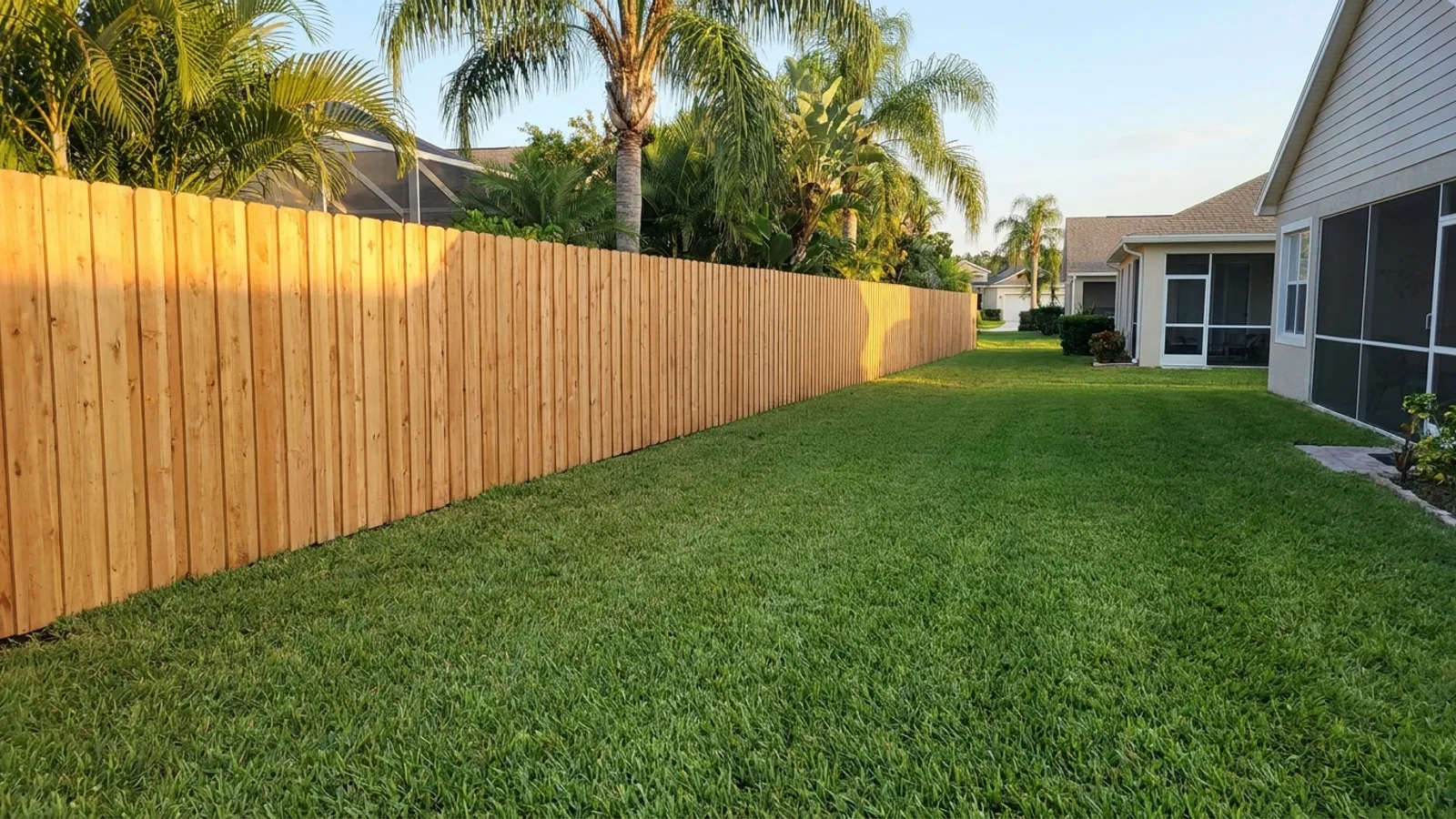
Consider a homeowner in an Orange County HOA community who wants a six-foot backyard fence. The building department allows the fence with a permit, and the fence meets code.
But the HOA's rules limit fences to a specific material and color and cap the height on certain lot lines. The homeowner submits to architectural review first, adjusts the design to the approved material, then applies for the building permit to match. Both approvals now agree, and the fence goes in without a later order to change it. Had they permitted and built first, the HOA could have required them to redo it. Our fence installation project page covers the permit side.
Our take: The building department and the HOA are not talking to each other, so it is on you to satisfy both. The safe move is always HOA approval first, then a permit that matches. Building to code but against your HOA rules can still force you to tear the work out.
What if the HOA and the permit disagree
If the HOA restricts something the building code allows, you generally must satisfy both, which means following the stricter requirement. The HOA cannot approve unsafe work, and a permit does not override your community contract.
When the two seem to conflict, adjust the design so it meets code and the HOA rules at once, and confirm details with both the building department and your association. If you are early in planning, the free permit checker and our do I need a permit guide help you line up the permit side before you commit.