
A Florida building permit expires when work stalls or when no inspection is requested within a set window of inactivity, commonly around 180 days, though the exact period is set by each local building department. An expired permit does not mean your project is illegal, but it does mean the authorization has lapsed and required inspections were never finalized. Getting an expired building permit back on track usually means renewing it, reactivating it, or applying for a new permit for the remaining work.
Key takeaways
- A Florida permit expires after a set period of inactivity, often around 180 days, with the exact window set locally.
- Expiration usually happens because no inspection was requested or work stopped, not because a deadline for finishing passed.
- An expired permit leaves required inspections unfinalized, which can surface as an open-permit problem at sale or refinance.
- You typically renew, reactivate, or re-permit the remaining work, and fees or a re-inspection may apply.
Table of contents
- What does it mean when a Florida permit expires
- Why do permits expire
- How long before a permit expires in Florida
- What are the risks of an expired permit
- How do you reinstate an expired permit
- Renew versus new permit at a glance
- A worked example for a stalled remodel
- How do you keep a permit from expiring
What does it mean when a Florida permit expires
An expired permit means the building department's authorization for your project has lapsed, usually because the required activity stopped. The work is not automatically illegal, but you cannot legally continue under a lapsed permit until it is reinstated.
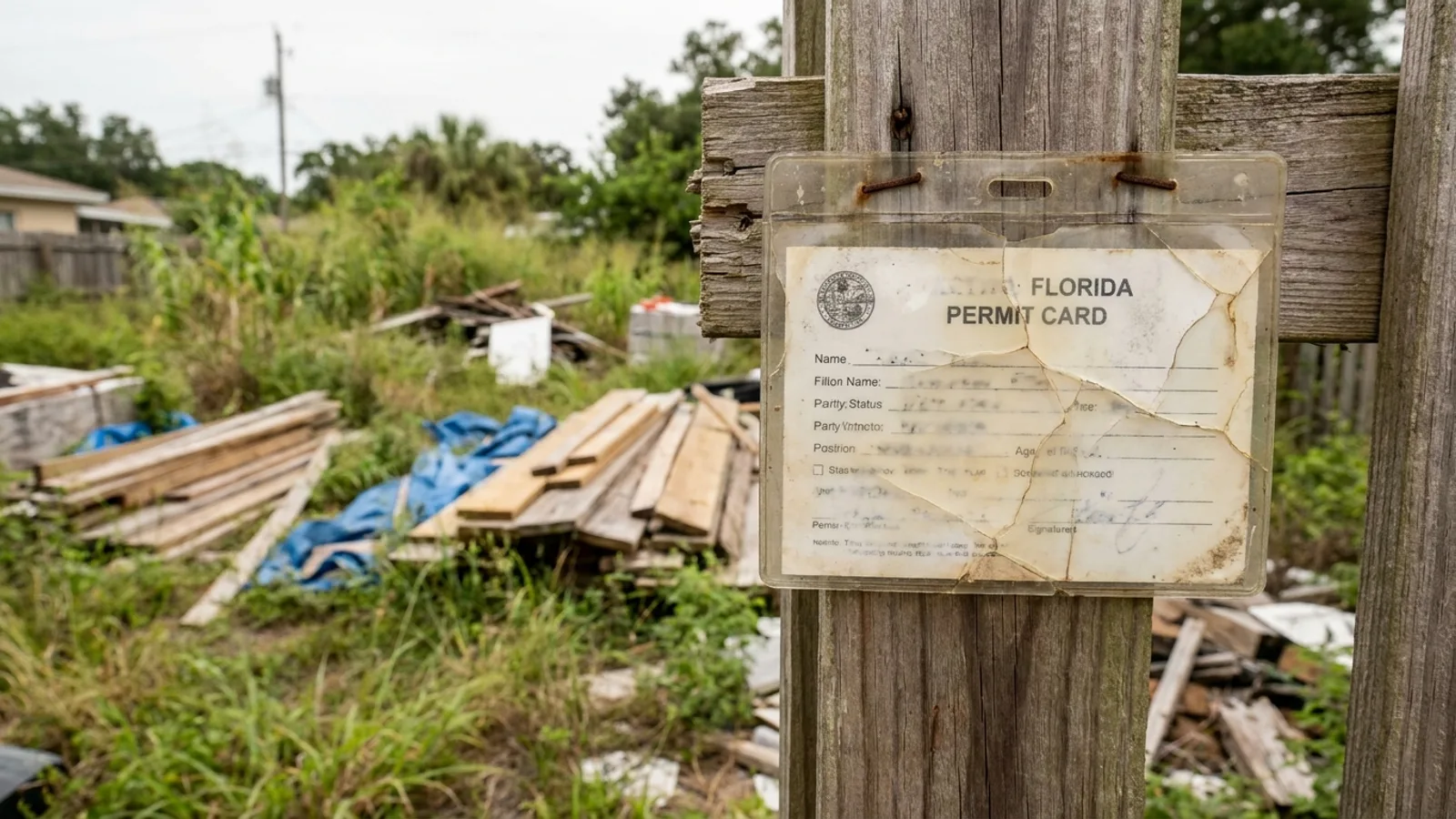
The practical effect is that any remaining inspections are on hold and the permit sits in an open, unfinalized state. That is different from a finaled permit, where the last inspection passed and the record is closed. Our guide on closing an open permit covers the closeout side of this.
Why do permits expire
Permits expire mainly for two reasons: no inspection was requested within the allowed window, or work visibly stopped for too long. Building departments use inactivity, not a fixed finish deadline, as the trigger.
That is an important distinction. You are not penalized for a project simply taking a long time, as long as you keep it active with periodic progress and inspections. A permit lapses when it goes quiet. This is why long gaps between the inspection stages are the real risk.
How long before a permit expires in Florida
The common window is around 180 days of inactivity, but the exact period, renewal rules, and any extension options are set by your local jurisdiction. Never assume a number you read for one city applies to another.
Some departments count from issuance if no work ever starts, others from the last passed inspection. Because it varies, confirm the specific timeframe with your building department. The free permit checker helps you frame the project, and the Polk and Orange county resources point you to the right office.
What are the risks of an expired permit
The main risk is an open, unfinalized permit that surfaces later at sale, refinance, or insurance renewal. A title search or municipal lien search can reveal it, and an unresolved open permit can slow or complicate a closing.
There can also be added cost to reinstate, and if the code changed while the permit sat, some work may need to meet current requirements. Leaving it unresolved is the expensive path. Our guide on do I need a permit to sell my house covers how open permits interact with a sale.
How do you reinstate an expired permit
You reinstate an expired permit by contacting the issuing building department and asking whether they allow a renewal, a reactivation, or require a new permit for the remaining work. The right path depends on how long it lapsed and how much work remains.
Renewal or reactivation revives the original permit, often with a fee and a re-inspection of completed work. A new permit is typically required when the lapse is long. In either case you will likely need an inspection to verify the existing work before continuing. If prior work was never inspected, our guide on the after-the-fact permit explains how departments handle already-done work.
Renew versus new permit at a glance
| Situation | Likely path | What to expect |
|---|---|---|
| Short lapse, work in progress | Renew or reactivate | Fee, possible re-inspection |
| Long lapse, little activity | New permit | New application, current code may apply |
| Work done but never inspected | Inspection or after-the-fact review | Verification of existing work |
| Ownership changed mid-project | Transfer then reinstate | See permit transfer rules |
A worked example for a stalled remodel
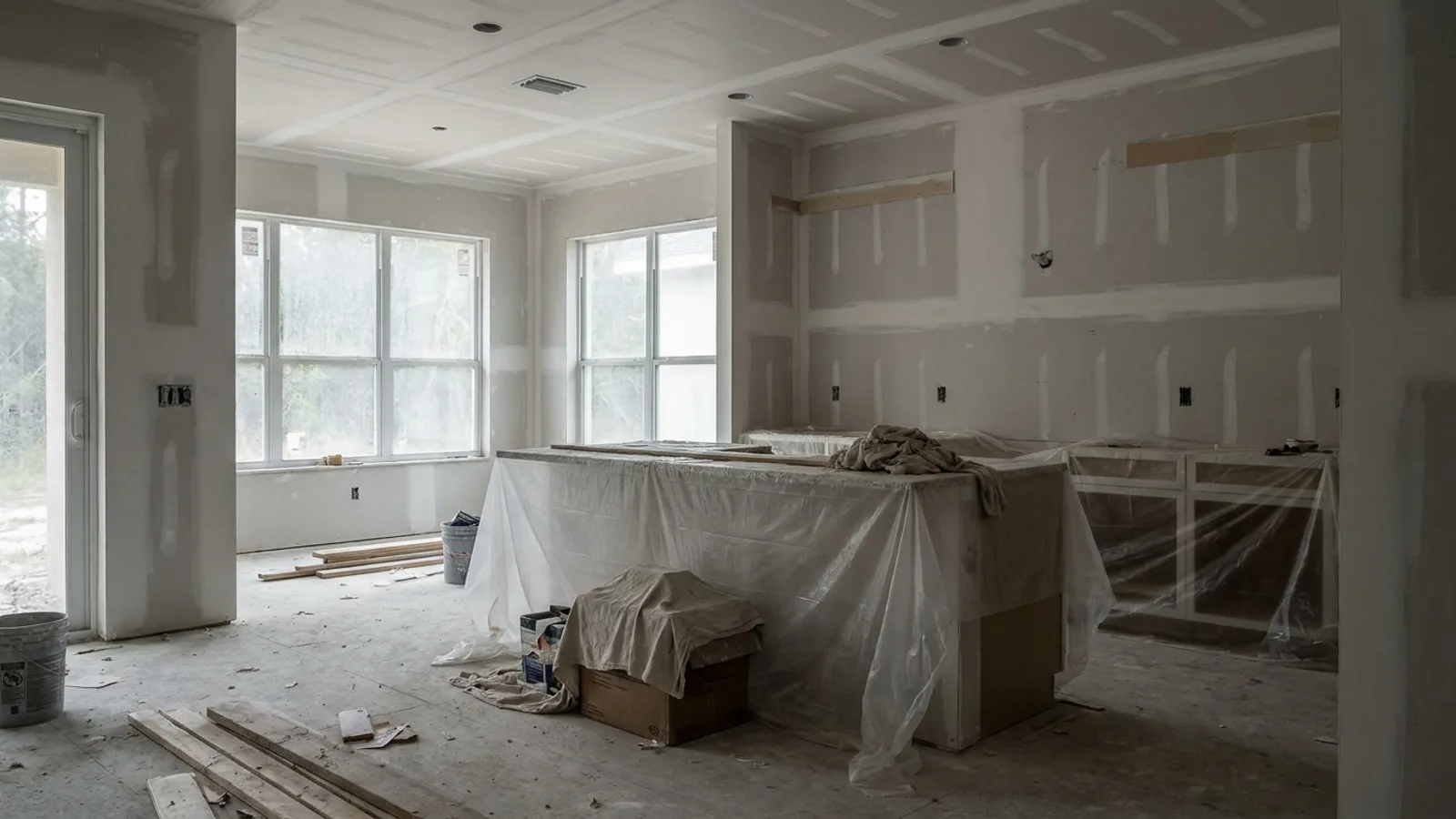
Consider a homeowner in Polk County who pulled a permit for a kitchen remodel, passed the plumbing rough, then stopped work for eight months when funds ran short. The permit lapsed for inactivity.
When they restart, they call the building department, learn the permit can be reactivated for a fee, and schedule an inspection so the inspector can verify the completed plumbing before drywall. Once reactivated, the remaining inspections proceed normally. Because they reached out instead of quietly continuing, they avoided doing unpermitted work and kept a clean record.
Our take: An expired permit is a paperwork problem, not a disaster, but only if you address it. The costly mistake is ignoring it and quietly finishing the work, which turns a simple renewal into an unpermitted-work issue that can haunt the property at sale.
How do you keep a permit from expiring
Keep a permit alive by maintaining steady progress and requesting inspections at each stage rather than letting long gaps build up. Regular inspection activity is what resets the inactivity clock in most jurisdictions.
If you know a project will pause, ask your building department about extension options before the permit lapses. Staying ahead of it is far easier than reinstating later. For a self-managed project, our guide on owner-builder permits covers keeping your own permit on schedule.