
In Florida, a certificate of occupancy and a certificate of completion are two different closeout documents a building department issues after a project passes final inspection. A certificate of occupancy certifies that a building or space is safe and legal to occupy, typically for new buildings or changes that affect occupancy. A certificate of completion certifies that permitted work is finished and compliant when no change of occupancy is involved. Knowing which one your project needs helps you plan the closeout correctly.
Key takeaways
- A certificate of occupancy certifies a building or space is safe and legal to occupy, usually for new construction or a change of use.
- A certificate of completion certifies that permitted work is complete and code-compliant when occupancy is not changing.
- Both are issued only after the final inspection passes, so they mark the true end of a permitted project.
- Which document applies depends on the project type and your local building department.
Table of contents
- What is the difference between a CO and a certificate of completion
- What is a certificate of occupancy
- What is a certificate of completion
- Which one does your project need
- How do you get one issued
- CO versus certificate of completion at a glance
- A worked example for a garage conversion
- Why do these documents matter later
What is the difference between a CO and a certificate of completion
The difference is occupancy. A certificate of occupancy addresses whether a space is safe and legal to live in or use, while a certificate of completion simply confirms permitted work is finished and compliant. Both come after a passing final inspection, but they answer different questions.

Because they serve different purposes, they attach to different kinds of projects. A new home needs to be certified safe to occupy; a reroof does not change occupancy, so it needs only confirmation the work is complete. The final inspection is the gate for both.
What is a certificate of occupancy
A certificate of occupancy, often called a CO, is the document certifying that a building or portion of it is safe and legal to occupy for its intended use. It is typically issued for new construction and for projects that create or change an occupancy.
The CO confirms the building meets code for safe occupancy, including life-safety features. Until it is issued, occupying a new building can be prohibited. That is why a change like converting a garage into living space, covered in our do I need a permit guide, often involves a CO or its equivalent for the new space.
What is a certificate of completion
A certificate of completion certifies that permitted work has been finished and complies with the code, without addressing a change of occupancy. It is common for repairs, replacements, and improvements to an existing, already-occupiable building.
Work like a roof replacement or a system upgrade finishes with a certificate of completion rather than a CO, because you are not changing who or how the space is occupied. It documents that the permitted scope is done and passed, which closes the permit.
Which one does your project need
Which document you need depends on whether your project changes occupancy. New buildings and changes of use point to a certificate of occupancy; repairs, replacements, and improvements to existing occupiable space point to a certificate of completion.
There is a gray area with major conversions and additions, where local practice varies, so confirm with your building department. The free permit checker helps you frame the project, and the Polk or Orange county resources point you to the office that issues the document.
How do you get one issued
You get either document by completing all permitted work, passing the final inspection, and satisfying any remaining requirements the building department lists. The certificate is issued after the final passes, not before.
That means all trade inspections must be finaled, any conditions cleared, and the paperwork in order. If a final fails, our guide on what to do after a failed inspection covers correcting and re-inspecting so you can reach the certificate. A missing certificate is a sign of an open permit that still needs closing.
CO versus certificate of completion at a glance
| Feature | Certificate of occupancy | Certificate of completion |
|---|---|---|
| Certifies | Safe and legal to occupy | Permitted work is complete and compliant |
| Typical use | New construction, change of occupancy | Repairs, replacements, improvements |
| Occupancy change | Yes | No |
| Issued after | Passing final inspection | Passing final inspection |
| Closes the permit | Yes | Yes |
A worked example for a garage conversion
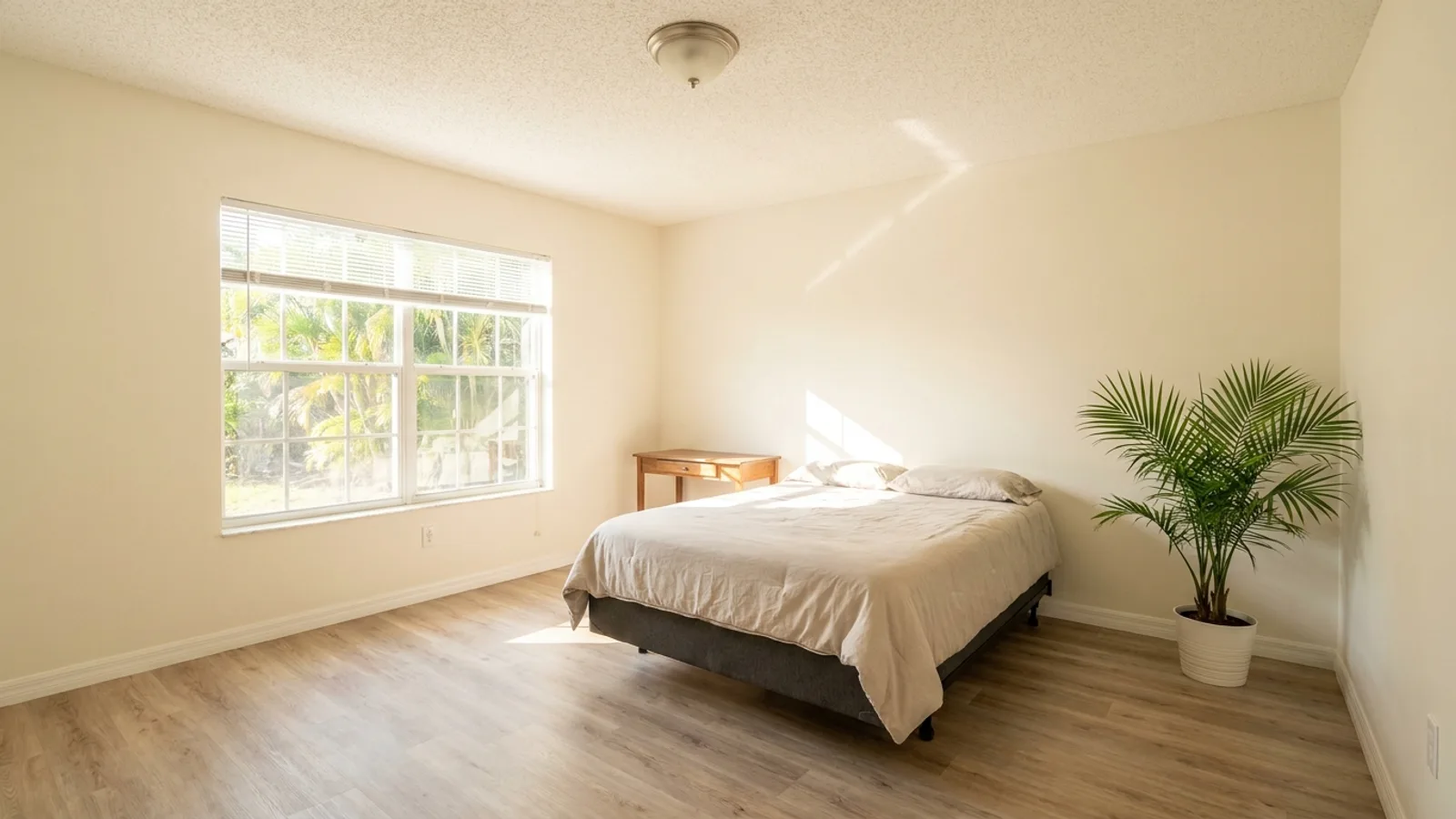
Imagine a homeowner in Orange County converting a garage into a bedroom and bathroom, which turns non-living space into living space. They wonder which certificate applies.
Because the conversion creates habitable occupancy where there was none, the building department treats it as a change requiring a certificate of occupancy for the new living area, after all framing, electrical, plumbing, mechanical, and final inspections pass. A neighbor doing a simple reroof, by contrast, finishes with a certificate of completion since occupancy does not change. The homeowner plans for the CO, completes every inspection, and receives it before using the new room.
Our take: Do not treat a finished-looking project as done until you have the right certificate in hand. The certificate is your proof the work was permitted, inspected, and passed. Moving into a new space before a required certificate of occupancy is issued can create real legal and insurance problems.
Why do these documents matter later
These documents matter later because they prove your permitted work was properly closed out, which buyers, lenders, and insurers may want to see. A missing certificate can signal an unfinalized permit that surfaces during a sale.
Keeping your certificate with your home records saves trouble down the line, as our guide on selling a house explains. If you are unsure whether your project was ever finaled, the free permit checker and your county portal help you confirm the closeout.