
A wind mitigation inspection in Florida documents your home's storm-resistant features so your insurer can apply premium discounts you may qualify for. It is recorded on a uniform mitigation verification form and looks at features like roof covering, roof-to-wall connections, roof shape, and opening protection. Under Florida Statutes 627.711, insurers must inform policyholders about available wind mitigation discounts, which is why this voluntary inspection can pay for itself through lower premiums.
Key takeaways
- A wind mitigation inspection documents storm-resistant features to unlock insurance premium discounts, not to satisfy a permit requirement.
- It is recorded on Florida's uniform mitigation verification form, which insurers use to apply credits.
- Under Florida Statutes 627.711, insurers must notify policyholders of available wind mitigation discounts.
- Qualified inspectors, including licensed contractors, engineers, architects, and trained home or building inspectors, can complete the form.
Table of contents
- What is a wind mitigation inspection
- What features does the inspection check
- How does it lead to insurance discounts
- Who can perform a wind mitigation inspection
- Is a wind mitigation inspection the same as a permit inspection
- Wind mitigation features at a glance
- A worked example after a reroof
- How do you get a wind mitigation inspection
What is a wind mitigation inspection
A wind mitigation inspection is a voluntary inspection that documents the wind-resistant construction features of your home on a standardized form your insurer can use to apply discounts. It is about insurance, not about permitting or code enforcement.
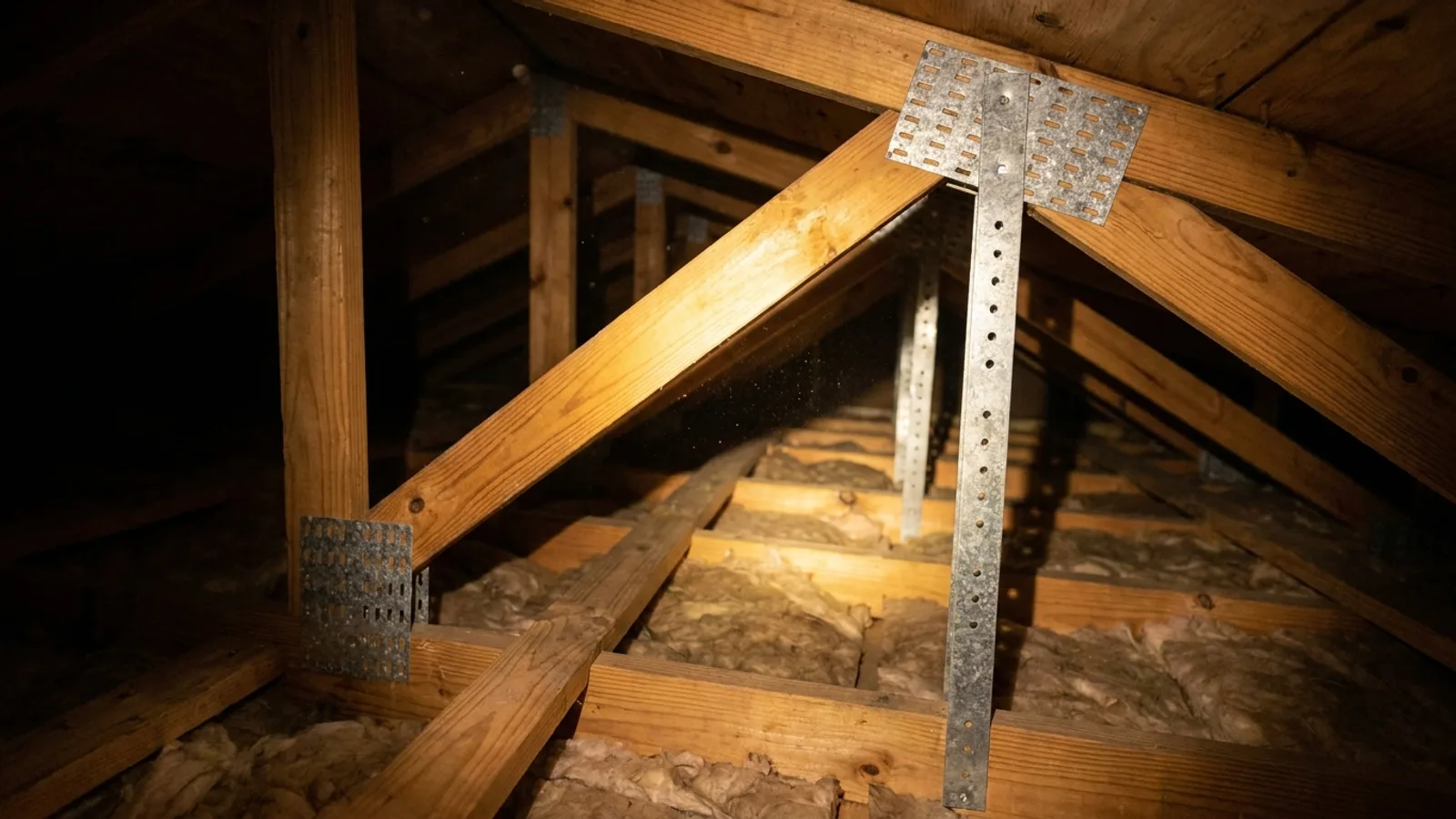
The inspector records what storm-hardening features your home already has, such as how the roof is attached and whether openings are protected. Those features reduce the risk of wind damage, and Florida's insurance framework rewards them with credits. So the inspection turns existing construction into documented savings.
What features does the inspection check
The inspection checks features known to reduce windstorm losses, commonly including the roof covering and its compliance, roof deck attachment, roof-to-wall connections, roof shape, the age or permitting of the roof, and opening protection. Each feature contributes to how well the home resists high wind.
Roof-to-wall connections, for example, describe how the roof structure is fastened to the walls, which affects whether a roof stays on in a storm. Opening protection ties back to whether windows and doors are impact-rated or shuttered, a topic our wind-borne debris region guide covers. Stronger features generally mean larger potential credits.
How does it lead to insurance discounts
It leads to discounts because Florida law requires insurers to offer premium credits for documented wind-loss-reduction features, and the uniform mitigation verification form is how those features are reported. Under Florida Statutes 627.711, insurers must notify policyholders of the available discounts and use the prescribed form.
You provide the completed form to your insurer, which then applies any credits your features qualify for. The savings depend on your home and your policy, so results vary. Still, for many homes with storm-hardened roofs and protected openings, the credits can more than offset the inspection cost over time.
Who can perform a wind mitigation inspection
Qualified professionals can complete the uniform mitigation verification form, including licensed general, building, or residential contractors, professional engineers, professional architects, and home or building inspectors with the required hurricane mitigation training. Insurers may also accept others they deem qualified.
Because several types of professionals qualify, you have options when hiring. Confirm the inspector is authorized to complete the form your insurer will accept. This is a different qualification from the licensing that governs who does construction work, covered in our contractor versus owner-builder guide.
Is a wind mitigation inspection the same as a permit inspection
No. A wind mitigation inspection is a voluntary insurance-related inspection, while a permit inspection is a required code-compliance check by the building department. They serve entirely different purposes and are not interchangeable.
A permit inspection verifies your project meets code, as our guide on what inspectors check explains. A wind mitigation inspection documents features for insurance credits and does not close a permit. You might get a wind mitigation inspection after a permitted reroof, but it is separate from the roof permit's final inspection.
Wind mitigation features at a glance
| Feature | What it describes | Why it matters |
|---|---|---|
| Roof covering | Roof material and code compliance | Resists wind and water intrusion |
| Roof deck attachment | How the deck is fastened | Keeps the deck in place |
| Roof-to-wall connection | How the roof ties to walls | Helps keep the roof on |
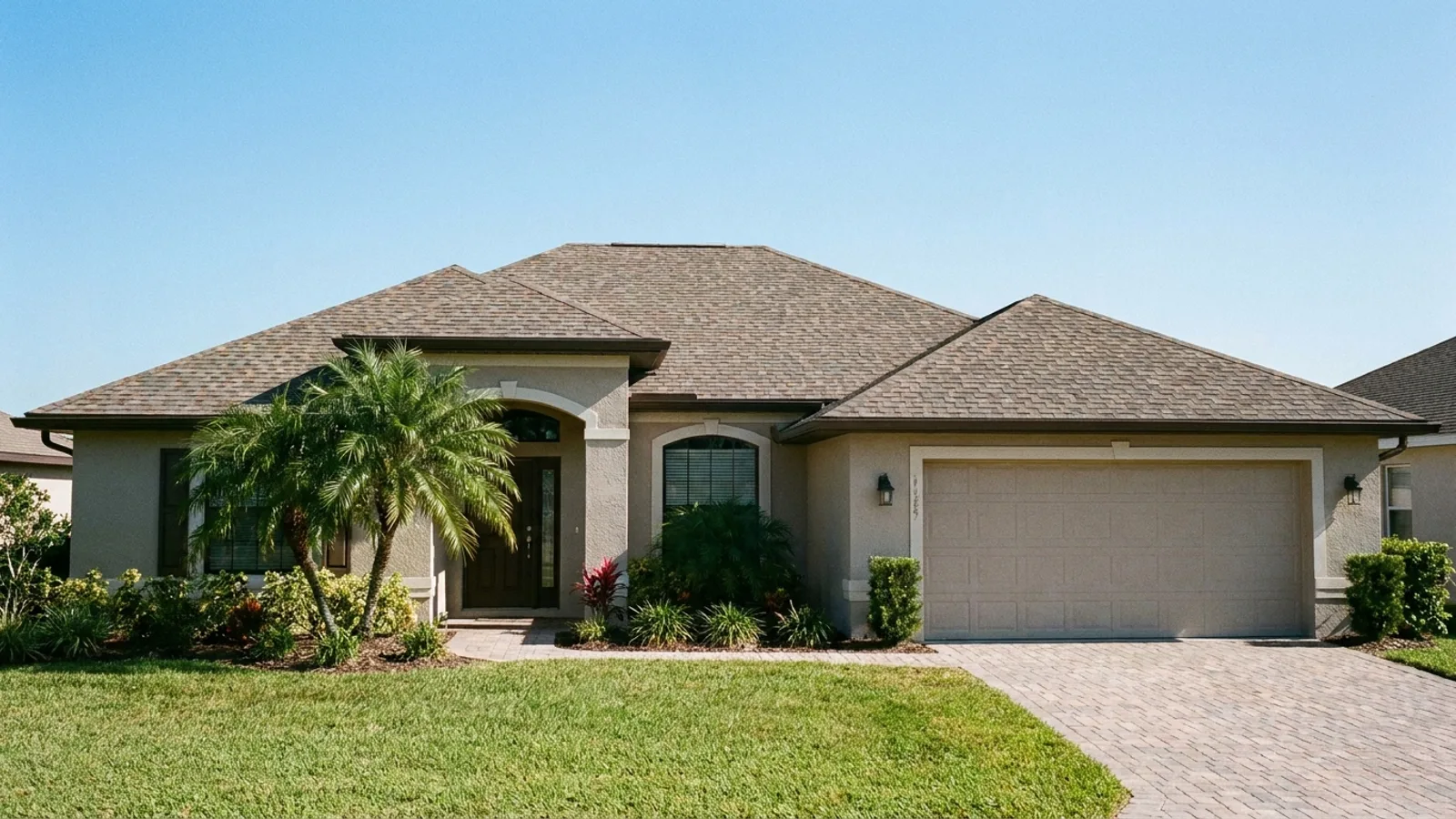
| Roof shape | Geometry such as hip versus gable | Affects wind loads |
| Opening protection | Impact or shutter protection | Keeps the envelope intact |
A worked example after a reroof
Consider a homeowner in Polk County who just completed a permitted roof replacement with an updated roof covering and improved fastening. They want to capture any insurance benefit from the upgrade.
After the roof permit is finaled, they hire a qualified inspector to perform a wind mitigation inspection. The inspector documents the new roof covering, the deck attachment, and the roof-to-wall connections on the uniform mitigation verification form. The homeowner submits it to their insurer, which reviews the features and applies the credits their policy allows. The reroof improved both protection and premium, and the separate mitigation inspection is what unlocked the discount.
Our take: A wind mitigation inspection is one of the few inspections that can put money back in your pocket. If you have a newer roof or protected openings and have never had one done, it is often worth the modest cost. Just remember it is for insurance, not a substitute for any required permit inspection.
How do you get a wind mitigation inspection
You get one by hiring a qualified inspector to evaluate your home and complete the uniform mitigation verification form, then submitting that form to your insurer to apply any credits. Ask your insurer which form and which inspector qualifications they accept.
If you are planning storm-related upgrades first, the free permit checker helps you scope permitted work like a reroof or opening protection, and the Polk or Orange county resources cover the permit side. Then a wind mitigation inspection can document the improvements for your insurance.