
Installing a tankless water heater in Florida typically requires a permit, because the switch involves plumbing work and either electrical or gas changes, all of which are regulated systems. Whether you are converting from a traditional tank or replacing an existing tankless unit, the connections to your water, power, or gas supply bring the project under the permit requirement. The specifics of a tankless water heater permit in Florida depend on your fuel type and jurisdiction, so confirm locally before you buy the unit.
Key takeaways
- A tankless water heater installation in Florida typically requires a permit because it involves plumbing and electrical or gas work.
- Electric tankless units often need significant electrical capacity, sometimes an upgraded circuit or panel.
- Gas tankless units involve gas connections and venting, which are regulated and safety-critical.
- Converting from a tank to tankless usually expands the scope beyond a simple swap, so plan for a multi-trade permit.
Table of contents
- Do you need a permit for a tankless water heater in Florida
- Why does a tankless install need a permit
- What is different about electric versus gas tankless units
- Does converting from a tank change the scope
- Who should install a tankless water heater
- Electric versus gas tankless at a glance
- A worked example for a tank-to-tankless conversion
- How do you confirm and start the permit
Do you need a permit for a tankless water heater in Florida
Yes, in most cases. A tankless water heater installation involves plumbing connections plus electrical or gas work, and those regulated systems generally require a permit and inspection. Treat the project as permit-required until your building department confirms otherwise.
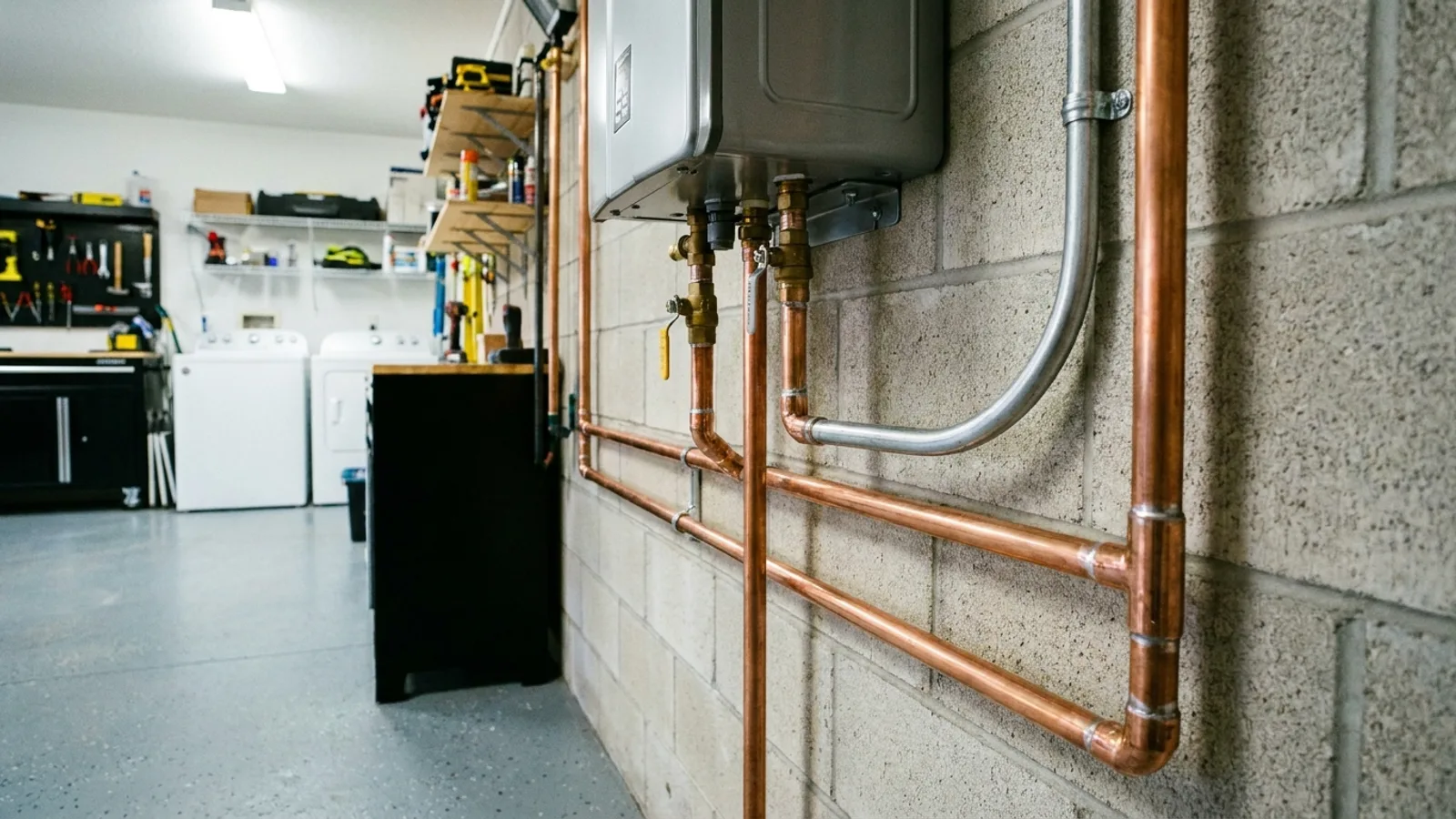
This is consistent with how Florida treats water heater work generally, covered in our hvac and water heater permits guide. Because a tankless unit changes both the plumbing and the energy supply, it is rarely a permit-exempt task, even when it replaces an existing unit.
Why does a tankless install need a permit
It needs a permit because the work touches plumbing and either electrical or gas, all systems where mistakes create real safety risks like leaks, electrical faults, or gas hazards. The permit and inspection verify the connections are safe and code-compliant.
Water heaters also involve safety features like proper relief valves and, for gas, correct venting to prevent carbon monoxide issues. These are exactly the concealed and safety-critical details an inspection protects, as our guide on what inspectors check describes. The regulated nature of the work is why it is not a casual DIY swap.
What is different about electric versus gas tankless units
The difference is the energy system. Electric tankless units draw significant power and often require substantial electrical capacity, sometimes a dedicated circuit or a panel upgrade, while gas tankless units require gas connections and proper venting. Each path has its own regulated trade and inspection.
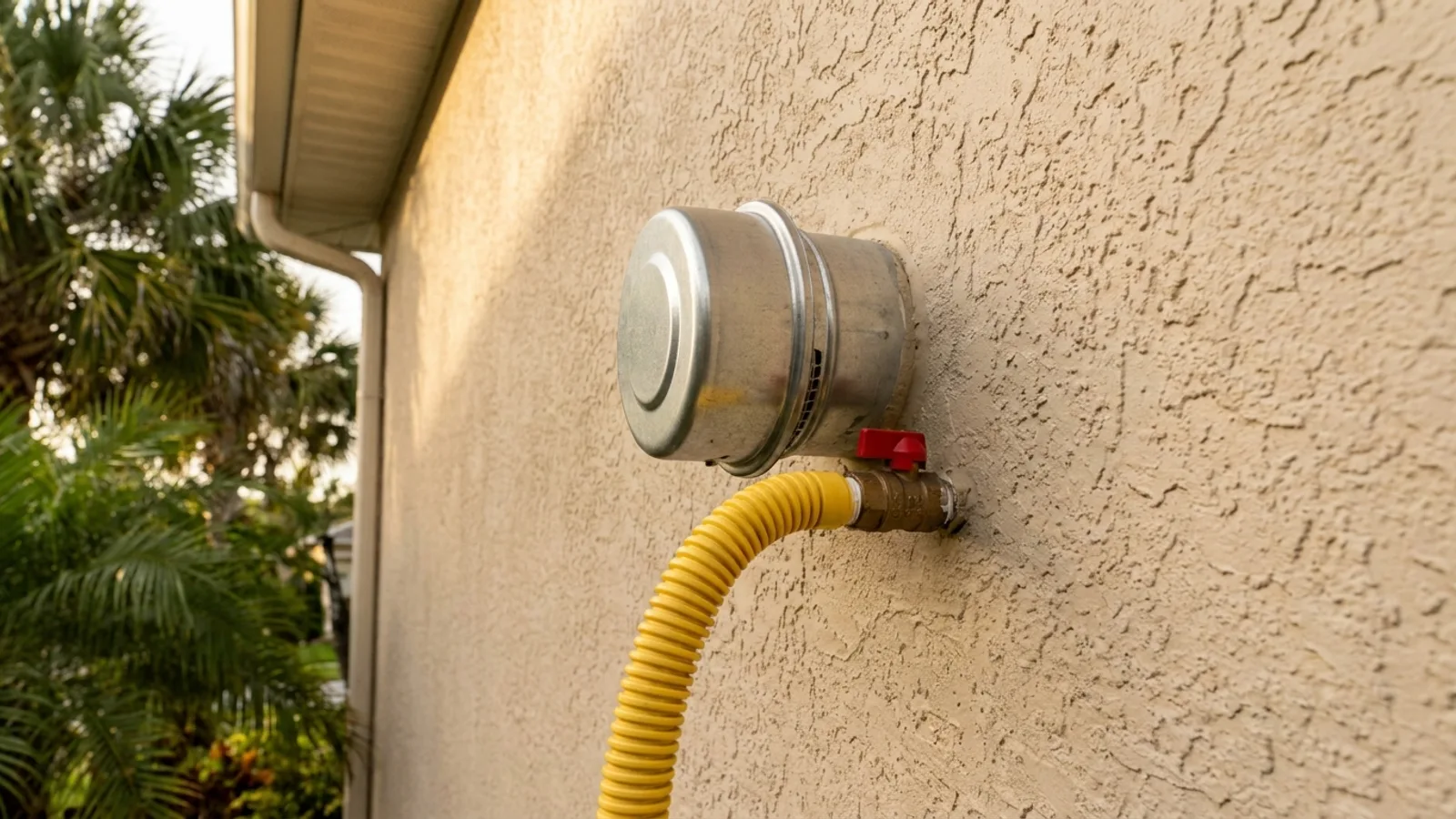
An electric conversion can be limited by your home's electrical capacity, which may pull in an electrical panel upgrade. A gas unit involves gas piping and venting, which are safety-critical and permitted work. Knowing your fuel type early shapes the whole project. The free permit checker helps you frame which trades apply.
Does converting from a tank change the scope
Yes. Converting from a traditional tank to tankless usually expands the scope beyond a like-for-like replacement, because tankless units have different plumbing, electrical, or gas, and venting requirements than the tank they replace. That often means more than a simple swap.
An electric conversion may need added electrical capacity; a gas conversion may need gas line sizing and new venting. Compared with replacing a like-for-like gas water heater, a tank-to-tankless conversion typically involves more trades and a broader permit. Plan for that scope rather than assuming a quick changeout.
Who should install a tankless water heater
Because the work spans plumbing and electrical or gas, it should be installed by the appropriate licensed contractors or permitted by an owner-builder who understands the requirements. A handyman is not the right choice for the regulated connections.
Our licensed contractor versus handyman guide explains why plumbing, electrical, and gas work require licensed trades. If you take the owner-builder route, our owner-builder permits guide covers the responsibilities you accept. Either way, the connections must be permitted and inspected.
Electric versus gas tankless at a glance
| Factor | Electric tankless | Gas tankless |
|---|---|---|
| Main added trade | Electrical | Gas and venting |
| Common requirement | High electrical capacity, possible panel upgrade | Gas line sizing and proper venting |
| Key safety concern | Circuit and connection safety | Combustion venting and leaks |
| Permit scope | Plumbing plus electrical | Plumbing plus gas |
| Typical installer | Plumber and electrician | Plumber and gas-qualified contractor |
A worked example for a tank-to-tankless conversion
Imagine a homeowner in Orange County replacing an old electric tank water heater with an electric tankless unit. They expect a straightforward swap.
Once they check the tankless unit's power requirements, they find it needs far more electrical capacity than the old tank, which means new dedicated wiring and possibly a panel evaluation, on top of the plumbing changes. The project becomes a permitted plumbing and electrical job. They hire a licensed plumber and electrician, pull the permit, and pass the inspections for both trades. Planning for the electrical scope up front turned a surprise into a smooth install.
Our take: The most common tankless mistake is treating it like a simple water heater swap. Electric tankless units in particular can demand serious electrical capacity, and gas units bring venting and combustion safety into play. Permit it, use the right licensed trades, and confirm your home can actually support the unit before you buy it.
How do you confirm and start the permit
Confirm the requirements by telling your building department your fuel type and whether you are converting from a tank, since electric and gas tankless installs carry different requirements. Then line up the licensed trades and your documents.
Start with the free permit checker to frame the project, review the related water heater project page, and use the Polk or Orange county resources to reach the right office. Confirming the fuel type and scope first ensures you buy a unit your home can support and permit it correctly.