
Replacing or installing a gas water heater in Florida commonly requires a permit. Gas appliances involve fuel-gas connections, venting, and combustion air that must be installed and inspected correctly for safety, so most Florida jurisdictions require a permit for gas water heater work. Treat it as permitted work and confirm the details with your building department.
Key takeaways
- Most Florida jurisdictions require a permit to replace or install a gas water heater.
- Gas work involves fuel connections, venting, and combustion air that carry real safety risks, which is why permitting applies.
- Gas water heater work is also generally excluded from the HB 803 permit exemption because it is gas work.
- A licensed plumber or appropriate contractor should typically pull the permit and perform the work.
Table of contents
- Do I need a permit for a gas water heater in Florida
- Why is gas work treated so carefully
- Does HB 803 cover gas water heater work
- What does the permit and inspection cover
- Gas versus electric water heater permits
- A worked example: swapping a failed gas water heater
- Can I install a gas water heater myself
- What should I ask my contractor
Do I need a permit for a gas water heater in Florida
In most Florida jurisdictions, yes. Installing or replacing a gas water heater involves gas piping, venting, and combustion air, all of which building departments generally require to be permitted and inspected.
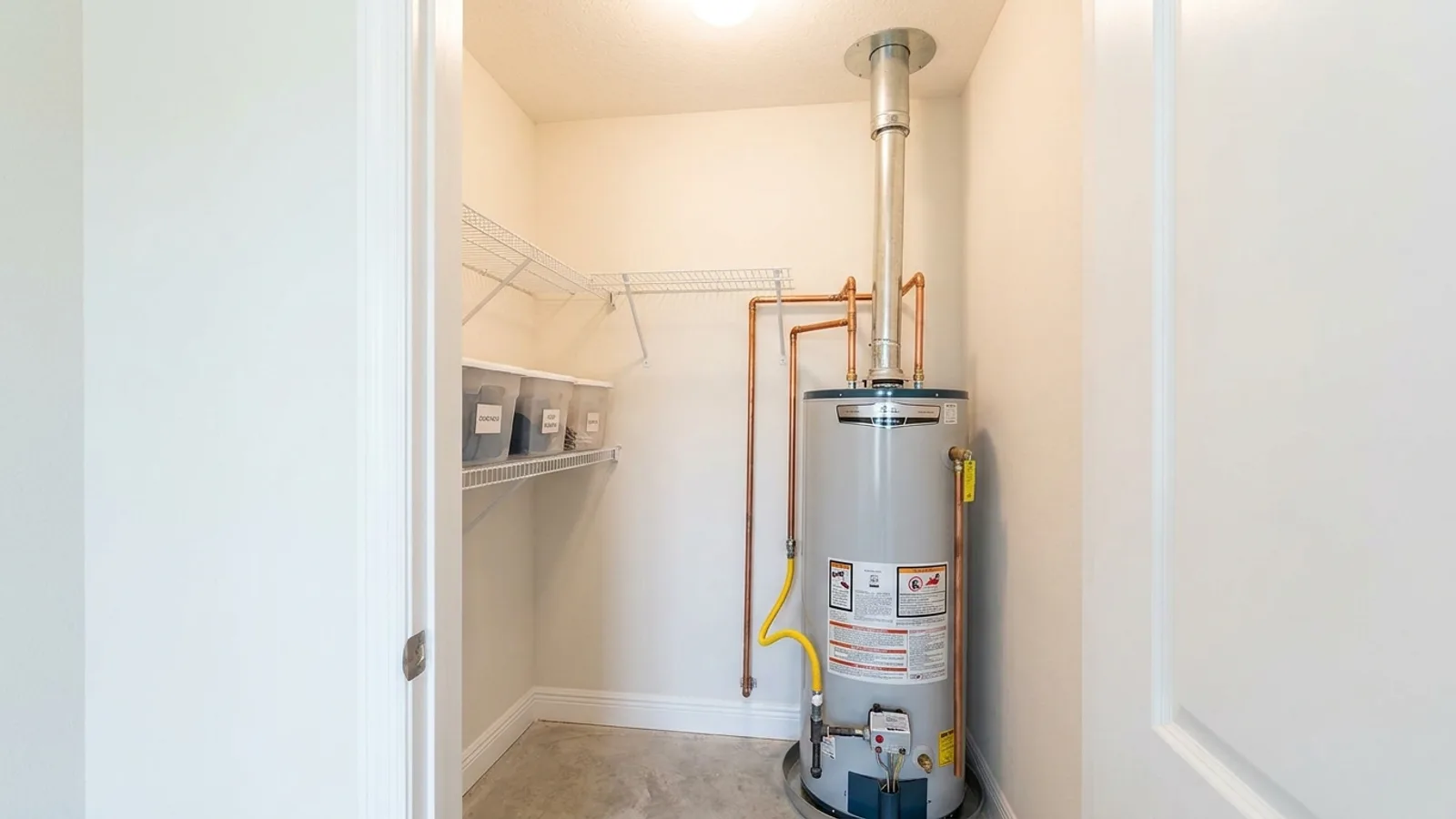
Even a straightforward swap of an existing unit usually needs a permit, because the gas connection and venting must be verified. The stakes with fuel gas are higher than with many other appliances, which is why the requirement is common. Use the permit checker to frame the project.
Why is gas work treated so carefully
Gas work carries risks of leaks, fire, and carbon monoxide if connections or venting are wrong. A water heater that vents improperly or leaks fuel gas can endanger everyone in the home, so the code treats gas appliance installation as safety-critical.
That is why gas water heater work is inspected rather than left to chance. The inspection confirms the gas connection is sound, the venting is correct, and combustion air is adequate. Our pillar guide on HVAC and water heater permits covers the broader category.
Does HB 803 cover gas water heater work
No. The HB 803 $7,500 exemption specifically excludes gas work, so a gas water heater installation does not qualify for that exemption regardless of cost. The exemption also excludes plumbing and mechanical work, which gas water heater installation typically involves.
This is a clear case where the exemption does not help. Our guide on whether HB 803 covers gas work explains the exclusion, and the water heater project page summarizes the permitting path.
What does the permit and inspection cover
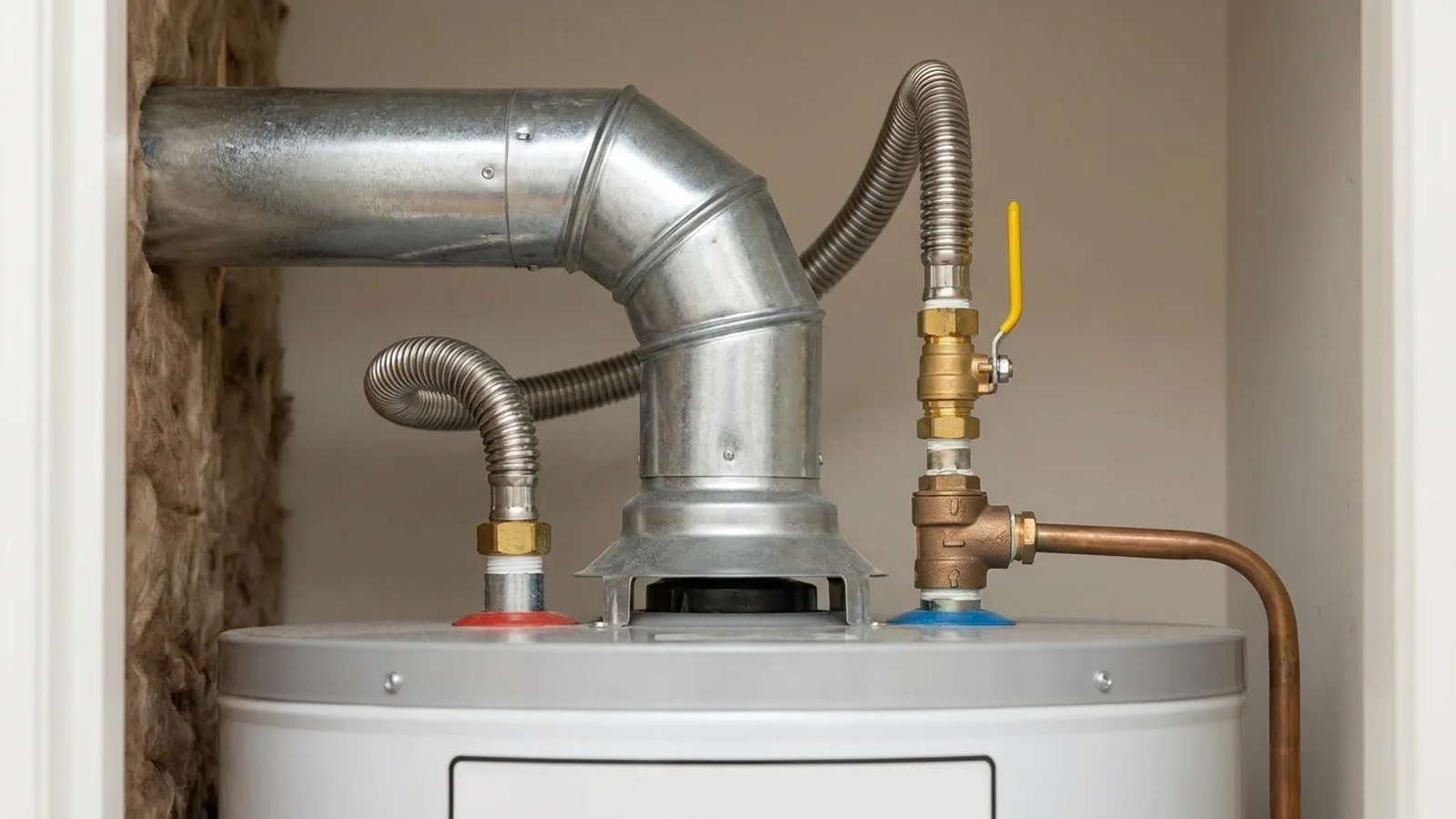
The permit and inspection generally cover the gas connection, venting, combustion air, the water connections, and safety features like the temperature and pressure relief valve. The goal is a unit that heats safely and vents combustion byproducts correctly.
Inspectors commonly check items like these:
- The gas supply connection and shutoff
- Proper venting and clearances
- Adequate combustion air
- The temperature and pressure relief valve and discharge
- Seismic or securing straps where required locally
Gas versus electric water heater permits
| Factor | Gas water heater | Electric water heater |
|---|---|---|
| Primary trade | Plumbing and gas | Plumbing and electrical |
| Key safety focus | Venting and combustion air | Circuit and connections |
| HB 803 exemption | Excluded, gas work | Excluded, electrical work |
| Permit outlook | Commonly required | Commonly required |
A worked example: swapping a failed gas water heater
Imagine a gas water heater fails and needs replacing. A licensed plumber pulls a permit, installs the new unit with a proper gas connection and venting, and schedules the inspection.
The inspector confirms the gas connection, venting, combustion air, and relief valve are correct before the job is finalized. Doing this by permit means the installation is verified, which matters for safety and for any future sale. Our guide on tankless water heater permits covers a related upgrade.
Can I install a gas water heater myself
Florida's owner-builder rules may allow a homeowner to take on some work on their own home, but gas water heater installation is safety-critical, and doing it yourself still requires the permit and inspection where they apply. Given the leak and carbon monoxide risks, most homeowners use a licensed professional.
If you are considering doing the work yourself, understand the owner-builder responsibilities first. Our guide on owner-builder permits explains what taking on that role means.
Our take: Gas is the one category where we most strongly steer homeowners toward a permit and a licensed installer. The failure modes, leaks and carbon monoxide, are serious enough that verification by inspection is worth every bit of the effort.
What should I ask my contractor
Ask whether the contractor holds the right license for gas and plumbing work, whether they will pull the permit, and whether the venting and combustion air will be confirmed at inspection. A licensed contractor pulling the permit keeps responsibility for the safety-critical work with them.
Confirm you will receive the permit number and that the final inspection will pass before payment is complete. That paper trail protects you if questions arise later.