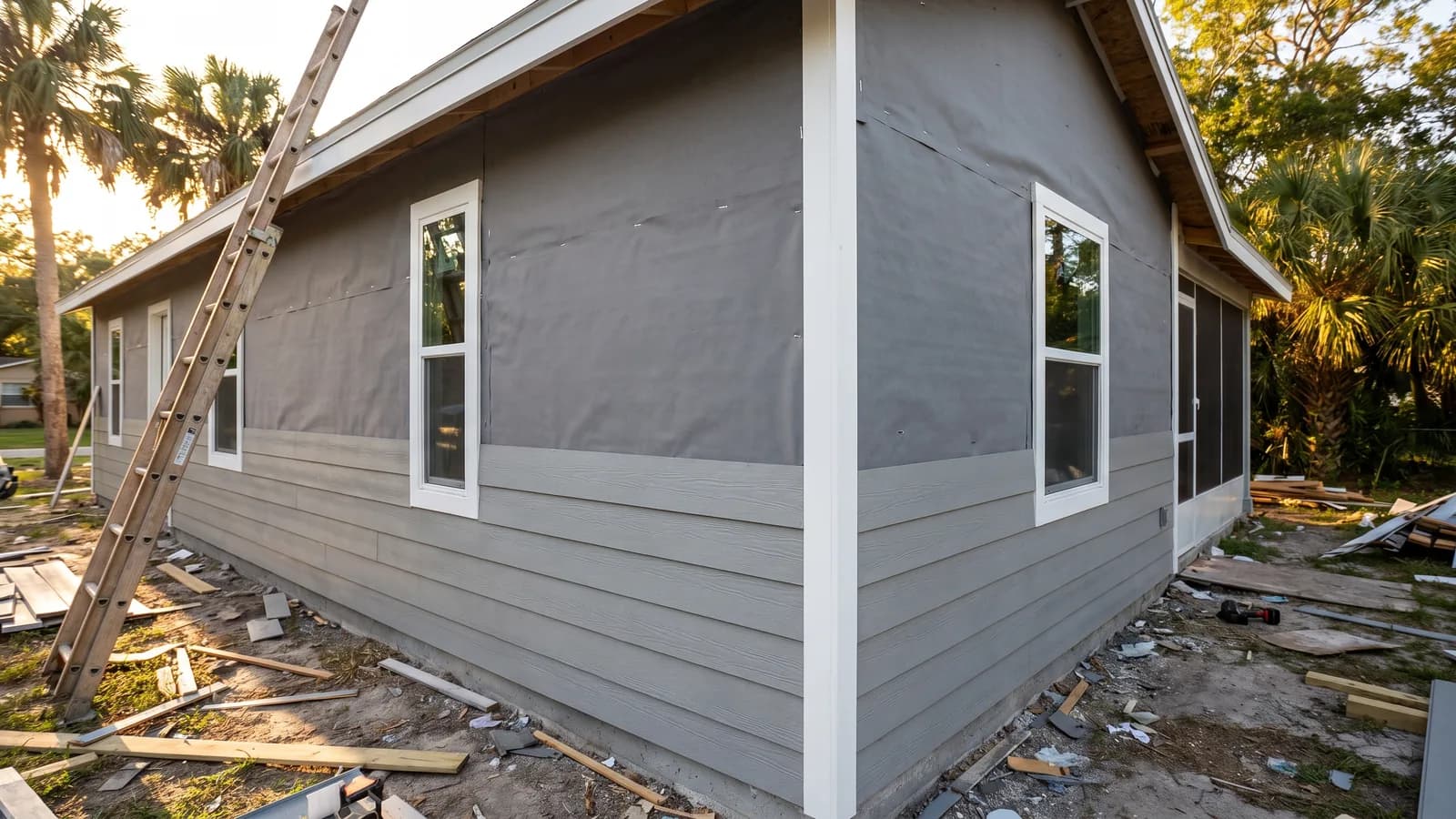
Re-siding a home in Florida usually needs a permit, because the exterior wall covering is part of the system that protects the house from wind and water. A siding permit in Florida lets the building department confirm the new cladding, its fasteners, and the weather-resistive barrier behind it meet code. A tiny cosmetic patch may not need a permit, but replacing the siding on a wall or the whole house generally does.
Key takeaways
- Replacing siding on a wall or the whole home usually requires a permit in Florida.
- Siding is part of the wind and water protection system, which is why it is reviewed.
- The permit can cover the cladding, its fastening, and the weather-resistive barrier behind it.
- Small cosmetic repairs may be exempt, but confirm the threshold with your building department.
Table of contents
- Do you need a permit for new siding in Florida?
- Why is siding treated as more than a finish?
- What does a siding permit review?
- Can I install siding myself in Florida?
- A quick example: re-siding a home in Orange County
- What else should you check before re-siding?
Do you need a permit for new siding in Florida?
In most jurisdictions, yes. Replacing the siding on a home is exterior envelope work, and Florida reviews it to confirm the new cladding and its attachment can resist wind and keep water out. Whether you are installing fiber cement, vinyl, or metal siding, a full or substantial re-side generally needs a permit.
A very small cosmetic repair, replacing a couple of damaged boards, may fall below the threshold a jurisdiction treats as permitted work, similar to how minor repairs are handled elsewhere in the code. Because that line varies, confirm with your building department or start with our permit checker.
Why is siding treated as more than a finish?
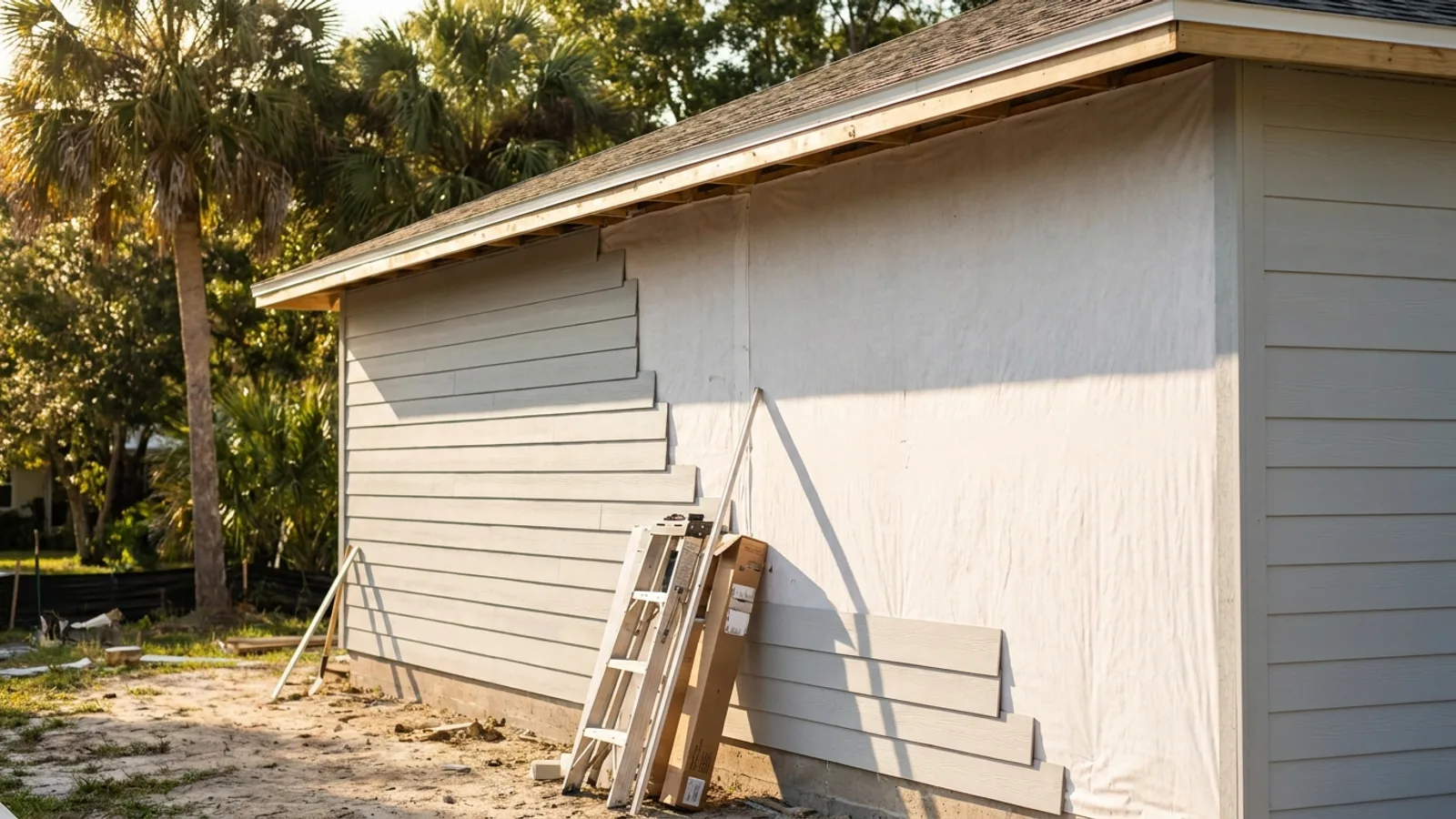
Siding is the outer layer of the wall assembly, and behind it sits a weather-resistive barrier that keeps wind-driven rain out of the structure. In Florida's climate and wind-borne debris region, how the cladding is fastened and how the barrier is lapped are code matters, not aesthetics.
This is the same envelope logic behind window replacement permits and exterior door permits. Anything that forms part of the wall's defense against wind and water tends to be permitted and inspected.
What does a siding permit review?
The review focuses on the cladding, its fastening schedule, and the weather barrier. When old siding comes off, it can also expose the sheathing and any hidden damage, which the inspector may want to see addressed before the new siding covers it back up.
| Siding scope | Permit usually needed? |
|---|---|
| Replacing a couple of damaged boards | Often no |
| Re-siding one full wall | Usually yes |
| Re-siding the whole house | Yes |
| Changing siding material or adding insulation | Yes |
| Repairs after storm damage | Often yes, confirm locally |
If the project reveals structural issues once the old cladding is off, addressing them can add to the permit scope.
Can I install siding myself in Florida?
As an owner-occupant you can often pull the permit under the owner-builder exemption and do the work yourself, or hire a licensed contractor. Either way the installation is inspected against the manufacturer's approved fastening and the code's weather-barrier requirements.
If you are deciding between the two paths, our contractor vs owner-builder guide lays out the responsibilities you take on when you self-permit. For a whole-house re-side, many homeowners hire out the labor while keeping the permit in their name.
A quick example: re-siding a home in Orange County
A homeowner in Orange County replaces aging siding with new fiber cement across the whole house. They pull a building permit, remove the old cladding, address a soft spot in the sheathing the inspector flags, install the new siding and weather barrier per the approved details, and pass inspection.
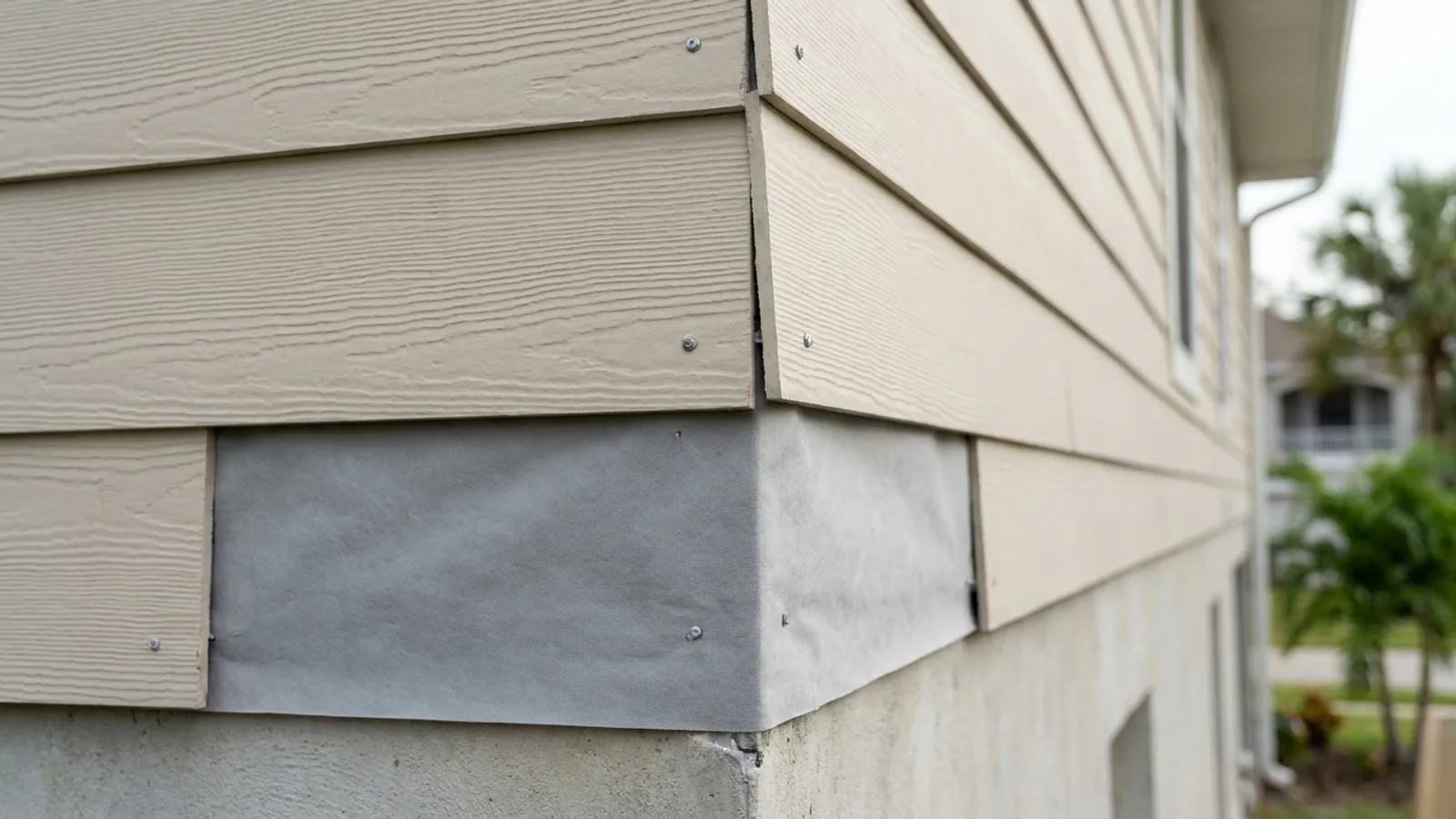
The permit adds modest cost and a couple of inspections, and it produces a documented, code-fastened exterior that holds up to Florida weather and insurance scrutiny.
Our take: Permit a re-side. Siding is not decoration in Florida; it is part of how the house sheds wind and water, and an unpermitted re-side can hide sheathing damage and complicate insurance and resale.
What else should you check before re-siding?
Confirm whether your work needs a permit for your specific address and scope, and whether an HOA has material or color rules that run alongside the building permit. Flood-zone and storm-damage situations can add requirements. Our HOA approval versus building permit guide explains how those two approvals differ.
Keep the closed permit and product information with your records. Documented exterior work is what buyers, appraisers, and insurers look for, especially after a storm season.
It also helps to think about timing. Re-siding exposes the sheathing and weather barrier, so it is best done in a stretch of drier weather when the wall can be opened, inspected, and closed back up without soaking the structure. If you are combining the re-side with new windows and doors, coordinating those trades under one plan avoids reworking flashing and trim twice. A well-sequenced re-side leaves you with a tight, documented, code-fastened exterior that shrugs off Florida rain and wind.