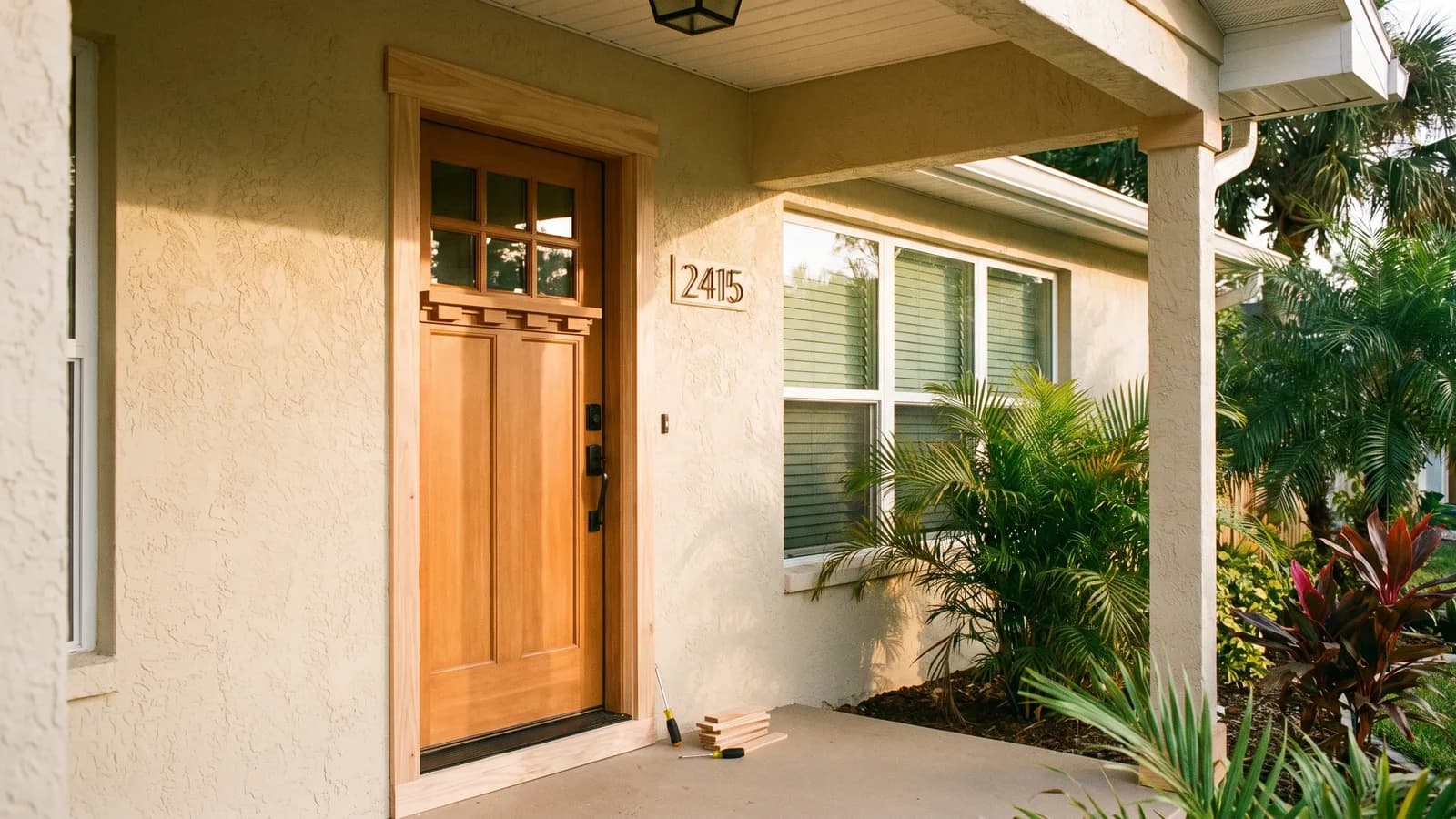
In most of Florida, replacing an exterior door needs a building permit, because an exterior door is part of the building envelope that keeps wind and water out. A permit to replace an exterior door in Florida lets the building department confirm the new unit is properly attached and, in many areas, carries the required wind and impact rating. A purely interior door swap, hollow-core bedroom or closet doors, generally does not.
Key takeaways
- Exterior door replacements usually require a permit in Florida because the door is part of the wind and weather protection system.
- Interior door swaps that do not change framing or structure are typically exempt from permitting.
- In the wind-borne debris region, the new door often must have documented product approval and a pressure rating for its opening.
- Permit rules and fees vary by city and county, so confirm with your local building department before you order the door.
Table of contents
- Do you need a permit to replace an exterior door in Florida?
- Why does the building department care about a door swap?
- Which door replacements are exempt from a permit?
- What does the exterior door permit process look like?
- What about product approval and wind ratings?
- A quick example: replacing a front door in Polk County
Do you need a permit to replace an exterior door in Florida?
Yes, in most Florida jurisdictions you need a permit to replace an exterior door, even if the new door is the same size as the old one. Building departments treat exterior doors like windows: they are openings in the wall that have to resist wind pressure and, near the coast, wind-borne debris. The permit is how the jurisdiction verifies the door and its anchoring meet the current code.
There are exceptions. A like-for-like swap that does not enlarge the opening or alter framing is sometimes handled as a simple over-the-counter permit, and a few departments treat a direct one-for-one replacement more leniently. Because this varies, call your building department or use our free permit checker before you assume you are exempt.
Why does the building department care about a door swap?
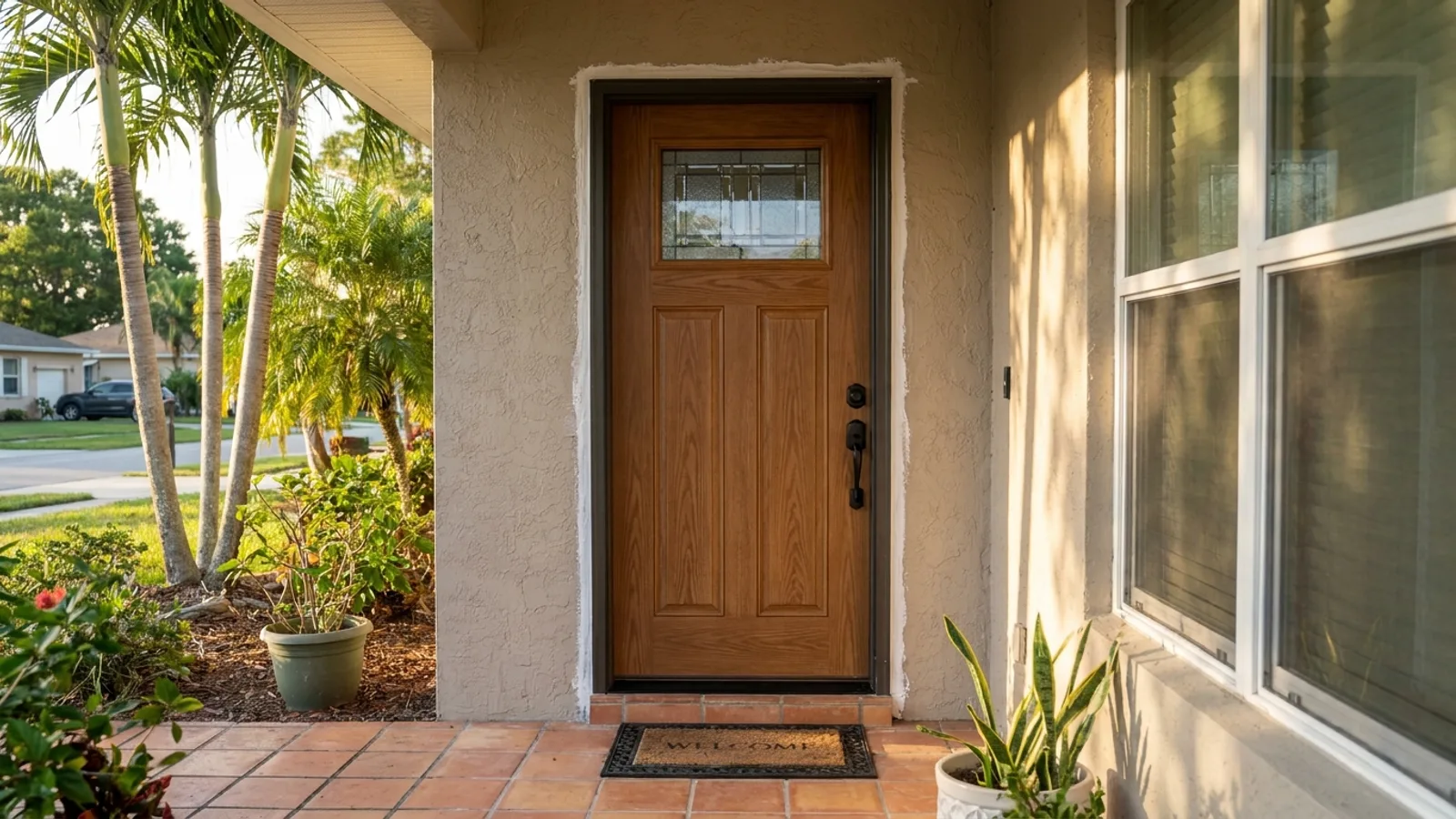
An exterior door is part of the building envelope, the continuous shell that resists wind, rain, and debris. In a hurricane, a failed door can let wind pressurize the house and lift the roof, so Florida reviews exterior openings closely. The permit confirms the unit is rated for the opening and fastened per the manufacturer's approved installation.
This is the same reasoning behind window replacement permits and impact window permits. Doors, windows, and their attachments are all treated as protective components of the wall, not cosmetic finishes.
Which door replacements are exempt from a permit?
Interior doors are the clearest exemption. Replacing a bedroom, bathroom, closet, or pantry door that does not touch structure or the exterior wall generally needs no permit. Swapping a slab door onto existing hinges is normally fine.
Exterior work is where it gets specific. The table below shows how common scenarios usually break down, but the cautious move is always to verify locally.
| Scenario | Typical outcome |
|---|---|
| Interior door slab swap, same opening | Usually no permit |
| Exterior door, same size, same opening | Usually a permit |
| New exterior door in a new opening | Permit, plus structural review of the new opening |
| Widening an existing exterior opening | Permit, structural framing review |
| Garage-to-house door | Often a permit; also a fire-rating consideration |
If your project also touches the frame, header, or wall, expect a structural component to the review.
What does the exterior door permit process look like?
For a straightforward replacement, the process is short. You apply with the building department, provide the door's product information, pay the fee, do the work, and pass a final inspection. Many jurisdictions allow homeowners to pull this permit themselves under the owner-builder exemption, or a licensed contractor pulls it for you.
A typical sequence looks like this:
- Confirm whether a permit is required for your address.
- Gather the product approval or NOA documents for the door.
- Submit the application and pay the fee.
- Install the door per the approved instructions.
- Schedule and pass the final inspection.
What about product approval and wind ratings?
Much of Polk and Orange County sits in the wind-borne debris region, and coastal Florida has strict opening-protection rules. In those areas the door usually must have a documented product approval (a Florida Product Approval number or a Miami-Dade NOA) showing it is rated for the design pressure of your opening.
That paperwork is not busywork. It is what the inspector uses to confirm the door will hold in a storm, and it is often what a home insurer or a future buyer asks to see. Keep the product approval sheet and the closed permit with your home records.
Our take: Treat an exterior door like a window, not a cabinet. The safe assumption in Florida is that it needs a permit, and the small cost buys you a documented, code-rated installation that protects the whole house.
A quick example: replacing a front door in Polk County
Say you are swapping a weathered front door for a new fiberglass unit in the same opening at a home in unincorporated Polk County. Because it is an exterior door in the wind-borne debris region, you would pull a permit, submit the door's Florida Product Approval, install it to the approved fastener schedule, and pass a final inspection.
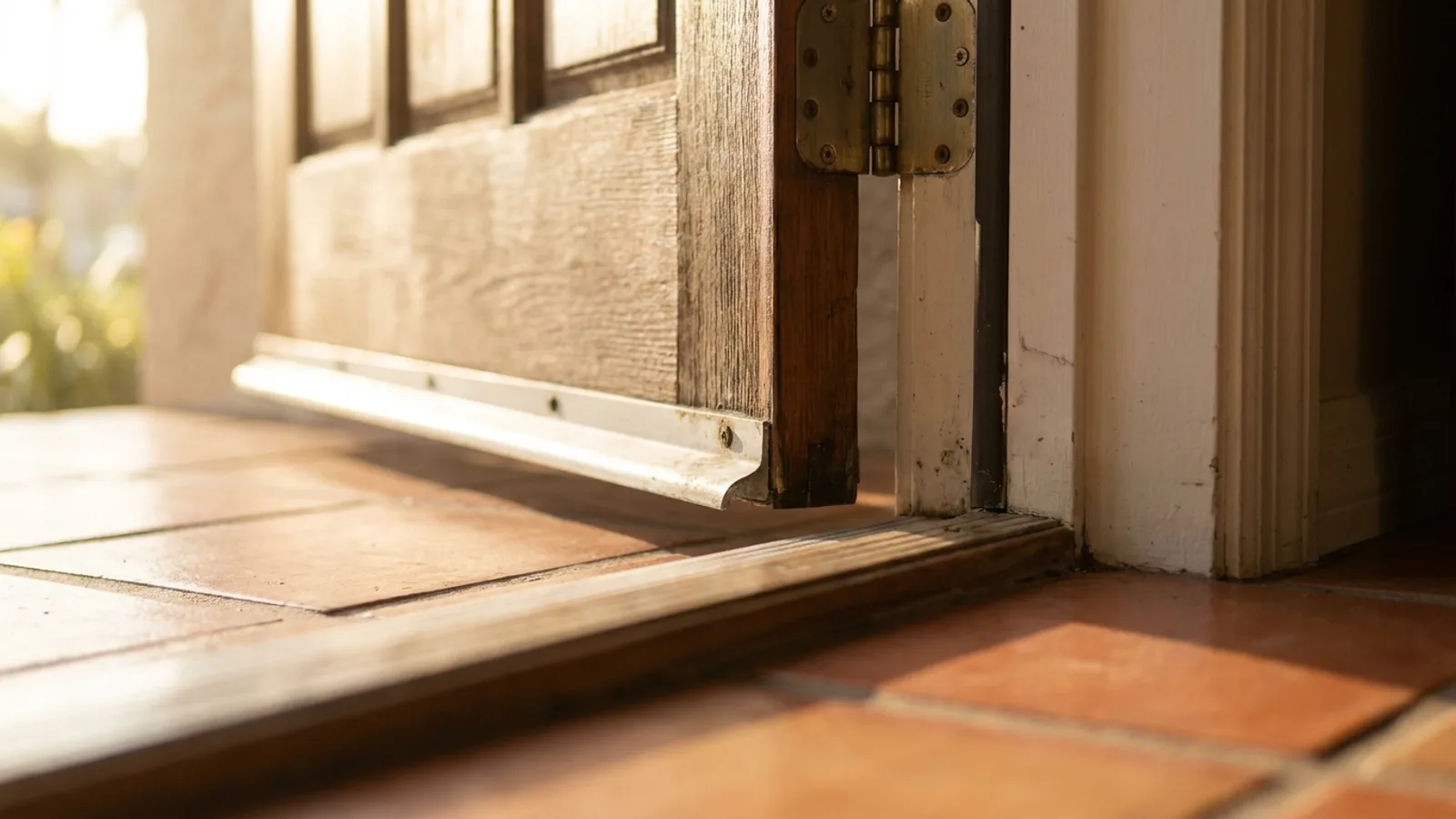
The added steps take days, not weeks, and the result is a door that is documented, rated, and unlikely to become a problem when you sell or file an insurance claim.