
Florida law lets you hire a licensed private provider to perform plan review and building inspections instead of using the local building department, an option set out in Florida Statutes 553.791. A private provider is a licensed engineer or architect, or in some cases a licensed building code administrator or inspector, who reviews plans and conducts required inspections in place of the county. The main draws are scheduling flexibility and speed, and the tradeoff is that you pay the private provider directly while still notifying the local building official.
Key takeaways
- Under Florida Statutes 553.791, you may hire a licensed private provider for plan review and inspections instead of the local building department.
- Private providers must be qualified licensed professionals and carry required professional liability insurance.
- You must notify the local building official in writing, and the statute sets a deadline before the first inspection.
- A private provider cannot inspect work they designed or built, and the local jurisdiction still issues the permit and certificates.
Table of contents
- What is a private provider inspection in Florida
- Who can act as a private provider
- Why do homeowners and contractors use one
- What notice does the law require
- What are the limits on private providers
- Private provider versus county at a glance
- A worked example for a time-sensitive project
- Is a private provider right for your project
What is a private provider inspection in Florida
A private provider inspection is plan review or a building inspection performed by a qualified licensed professional you hire, rather than by the local building department. Florida Statutes 553.791 authorizes this alternative and sets the rules for how it works.
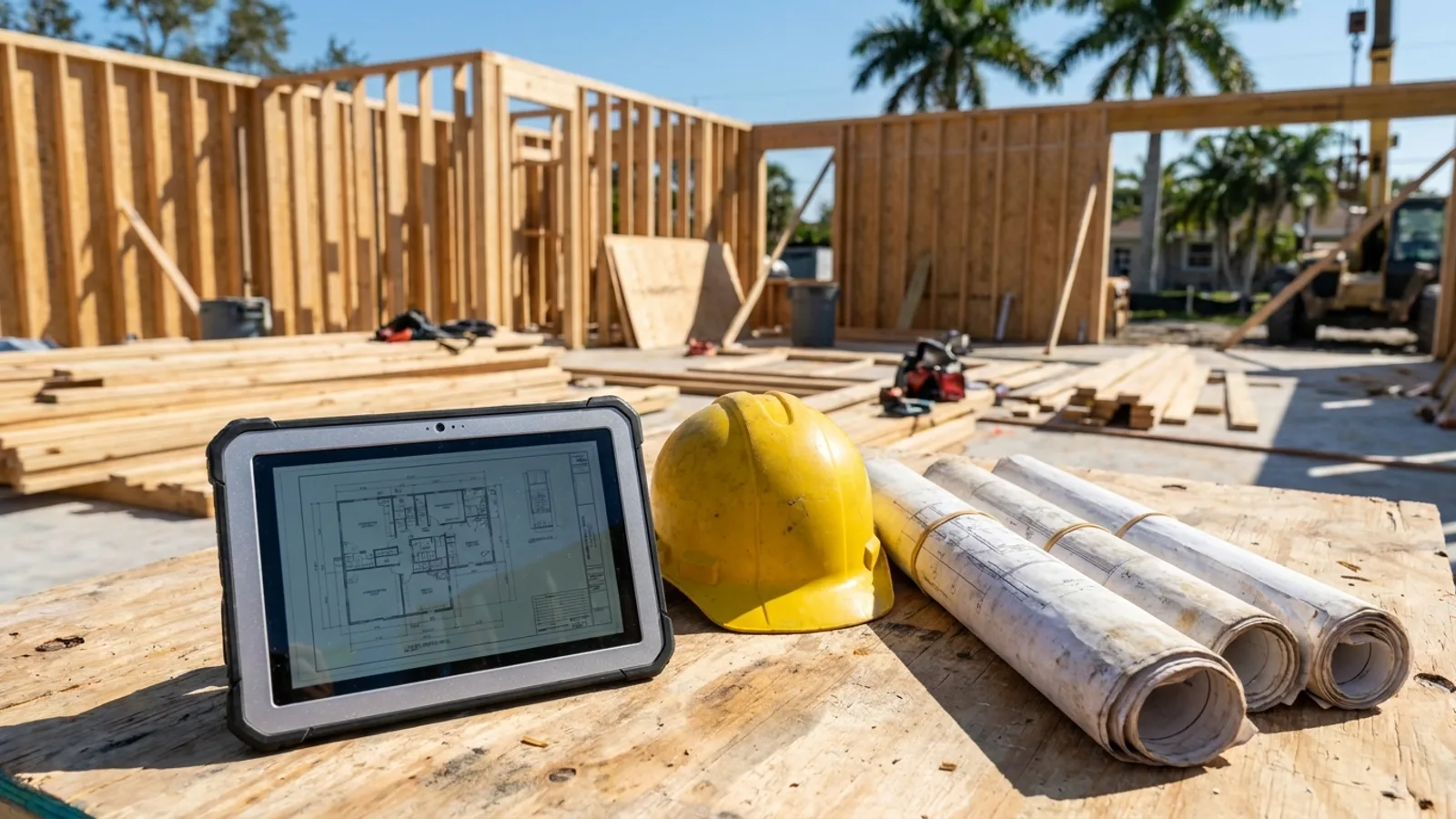
The private provider steps into the review-and-inspection role, checking the work for code compliance at each construction phase. The local jurisdiction still issues the permit and the final certificate, but the day-to-day inspections can be handled privately. It is a legitimate, statute-backed path, not a way around the code.
Who can act as a private provider
A private provider must be a qualified licensed professional, generally a licensed engineer or architect, and for smaller residential projects certain licensed inspectors or plans examiners may qualify. They must carry professional liability insurance as the statute requires.
The provider must be competent in the discipline they review or inspect, and they may perform single-trade inspections within their licensed area. Because the requirements are specific, you confirm a provider's qualifications and insurance before hiring. This is different from the licensing that applies to your contractor versus a handyman, which governs who does the work, not who inspects it.
Why do homeowners and contractors use one
The main reasons are scheduling flexibility and speed. A private provider can often schedule plan review and inspections faster than a busy building department, which helps on time-sensitive projects where waiting for an inspection slot would stall the job.
On a project with a tight timeline, shaving days off each inspection cycle adds up. That said, you pay the private provider directly, so the benefit is time and predictability, not lower cost. Our florida permit costs and timelines guide covers how inspection scheduling affects a project's overall timeline.
What notice does the law require
The law requires you to notify the local building official in writing that you are using a private provider, and Florida Statutes 553.791 sets a deadline before the first inspection. The notice includes the provider's credentials, insurance information, and an acknowledgment of the arrangement.
The statute frames this as notifying the building official at permit application or by a set time, generally two business days before the first scheduled inspection. Meeting that deadline is essential, because the jurisdiction has to know a private provider is handling inspections. Confirm the exact notice process with your Polk or Orange county building office.
What are the limits on private providers
The key limits are that a private provider cannot inspect work they themselves designed or built, must stay within their licensed discipline, and must carry the required insurance. The local jurisdiction also retains authority, including issuing the permit and the final certificate.
These guardrails prevent conflicts of interest and keep the work accountable. The building official can still be involved in certain steps, and the private provider's results feed into the official record. So a private provider changes who inspects, not the code standard the work must meet, which our guide on what inspectors check describes.
Private provider versus county at a glance
| Feature | County building department | Private provider |
|---|---|---|
| Who inspects | County inspectors | Licensed provider you hire |
| Cost | Covered by permit fees | Paid directly to the provider |
| Scheduling | County's queue | Often faster and more flexible |
| Notice required | Standard permit | Written notice under 553.791 |
| Permit and certificate | Issued by county | Still issued by county |
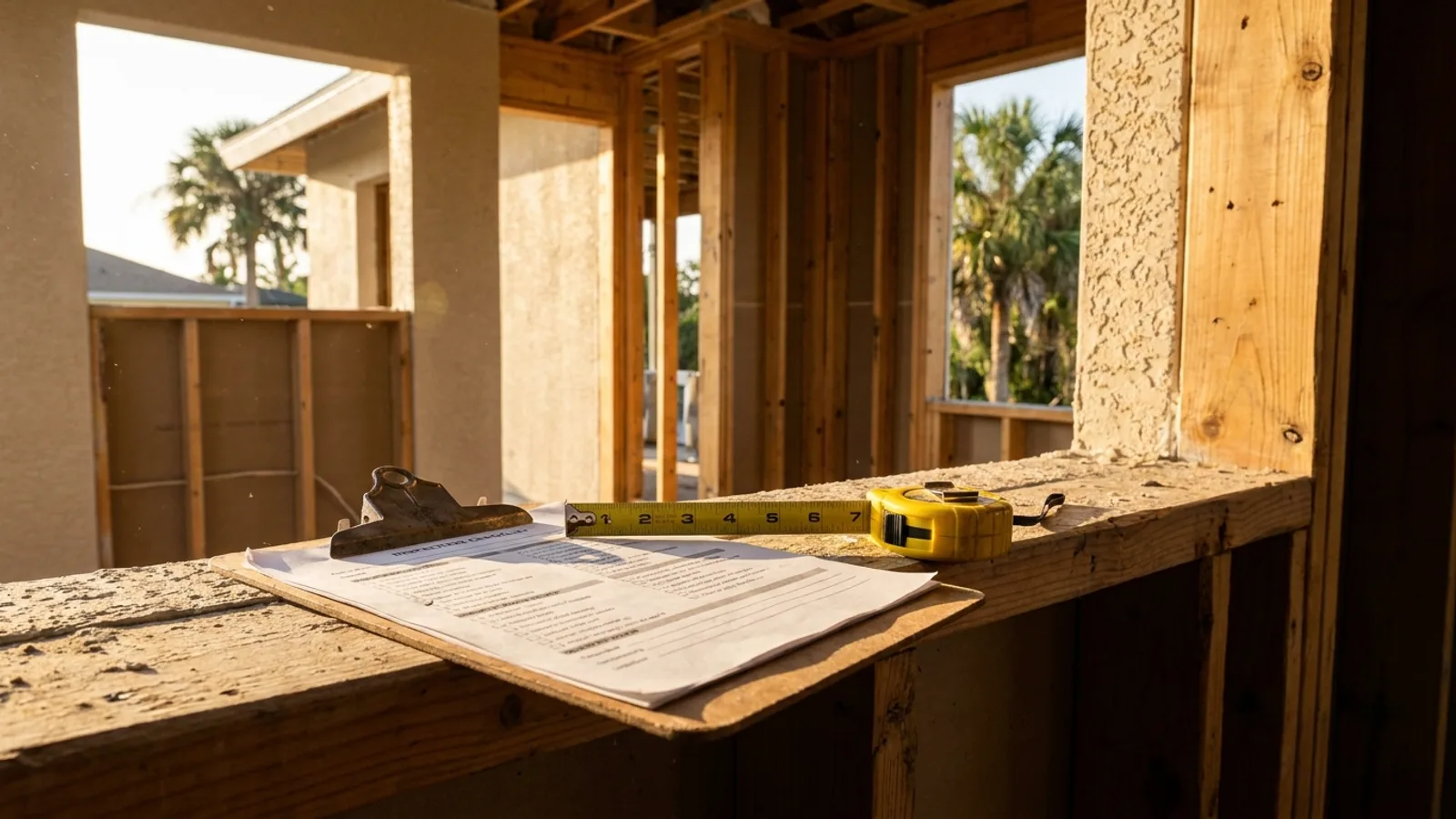
A worked example for a time-sensitive project
Imagine a contractor in Orange County managing a project with a tight completion deadline, where waiting several days for each county inspection would push the schedule. They consider a private provider.
They hire a qualified licensed provider, verify the insurance, and file the written notice with the building official before the first inspection deadline the statute sets. The provider conducts the phased inspections on a faster schedule, and the county still issues the permit and final certificate. The project stays on timeline. Had they missed the notice deadline, the private provider inspections could not have proceeded as planned.
Our take: Private provider inspections are a genuine tool for keeping a tight project on schedule, but they are not a shortcut around the code. The work still has to pass the same standards. Use one when speed matters and you have a qualified, insured provider, and never treat the private route as looser oversight.
Is a private provider right for your project
A private provider is worth considering when scheduling speed matters and you are willing to pay directly for it, and less relevant for small projects where the county's timeline is fine. The decision is about time and predictability versus added cost.
Start with the free permit checker to frame the project, then confirm the private provider notice process with your building department through the Polk or Orange county resources. For most simple permits the county route is perfectly adequate; for time-critical work, the private option can be worth it.