
If your Florida property sits in a FEMA-designated flood zone, your building permit comes with extra floodplain requirements on top of the normal code, most often around elevation, construction methods, and the value of improvements. These rules exist to reduce flood damage and to keep the community eligible for the National Flood Insurance Program. Flood zone permit requirements in Florida vary by your specific zone and jurisdiction, so the first step is confirming your flood zone with your local floodplain office.
Key takeaways
- A FEMA flood zone designation adds floodplain rules to your normal building permit, especially on elevation and construction methods.
- The lowest floor of new or substantially improved structures often must meet or exceed a required flood elevation.
- The substantial improvement rule can trigger full floodplain compliance when a project's value passes a threshold set locally.
- Your local floodplain administrator, not a general online map alone, is the authority on what your property requires.
Table of contents
- What changes when you permit in a Florida flood zone
- How do you find out if you are in a flood zone
- What is the base flood elevation requirement
- What is the substantial improvement rule
- What extra documents might a flood zone permit need
- Flood zone permit factors at a glance
- A worked example for a lakefront addition
- How do you confirm your flood requirements
What changes when you permit in a Florida flood zone
What changes is that your permit must also satisfy floodplain management rules, which can dictate how high the lowest floor sits, how the foundation and enclosures are built, and how utilities are protected. These are layered on top of the standard building code, not instead of it.
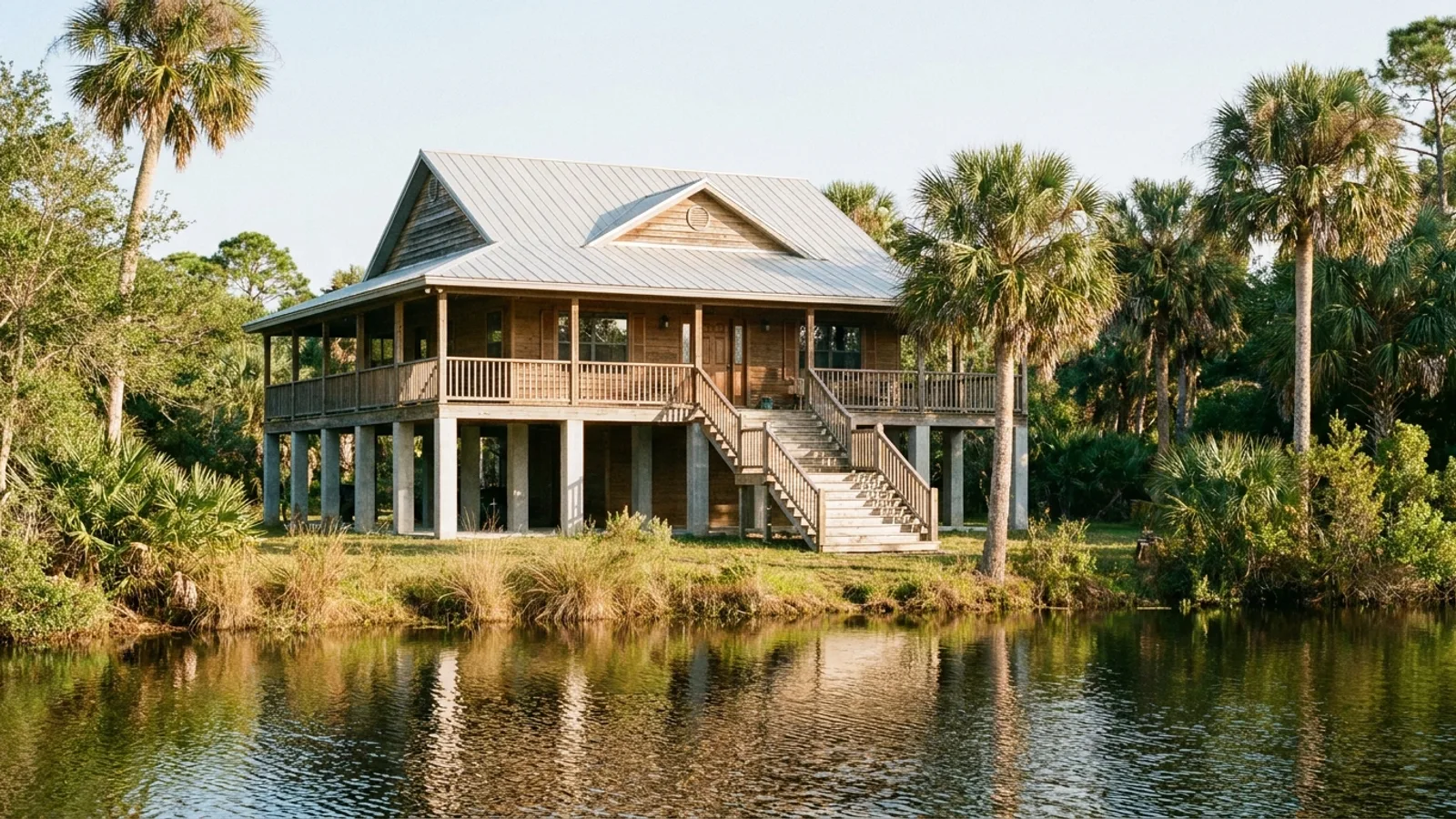
The scope of the extra rules depends on your flood zone. High-risk zones carry the most requirements, while lower-risk areas may add little. Because it is location-specific, treat the flood designation as a variable that can reshape a project, from a room addition to a new accessory structure.
How do you find out if you are in a flood zone
You find out by checking FEMA's flood maps for your address and, more reliably, confirming with your local floodplain administrator. The official flood zone determination for permitting comes from your jurisdiction, which reads the maps in context.
An online map is a starting point, but map revisions, local data, and site specifics can change the answer. This matters because HB 803's cosmetic exemption specifically does not apply in certain flood hazard situations, as our guide on the HB 803 flood zone exclusion explains. Confirm your status before assuming any exemption.
What is the base flood elevation requirement
The base flood elevation is the height floodwaters are expected to reach in a base flood event, and floodplain rules generally require the lowest floor of new or substantially improved buildings to meet or exceed a required elevation tied to it. Building above that level reduces flood risk and can lower flood insurance costs.
How much elevation is required, and how it is measured, depends on your zone and local ordinance. Some jurisdictions require freeboard, meaning extra height above the base flood elevation. Because the specifics vary, your floodplain office is the authority on the number for your lot.
What is the substantial improvement rule
The substantial improvement rule means that when the cost of an improvement or repair reaches a set percentage of the structure's value, the whole building may have to be brought into current floodplain compliance. It is a common threshold in floodplain management, and the exact figure and how value is calculated are set locally.
This is the rule that surprises people mid-project, because a large remodel can trigger elevation requirements for the entire structure. If you are planning a major renovation in a flood zone, confirm how your jurisdiction applies substantial improvement before you design. Our florida permit costs and timelines guide covers how added requirements affect budget.
What extra documents might a flood zone permit need
A flood zone permit may require additional documents such as an elevation certificate, floodplain development information, and details on flood-resistant construction. These verify the structure meets the required elevation and construction standards.
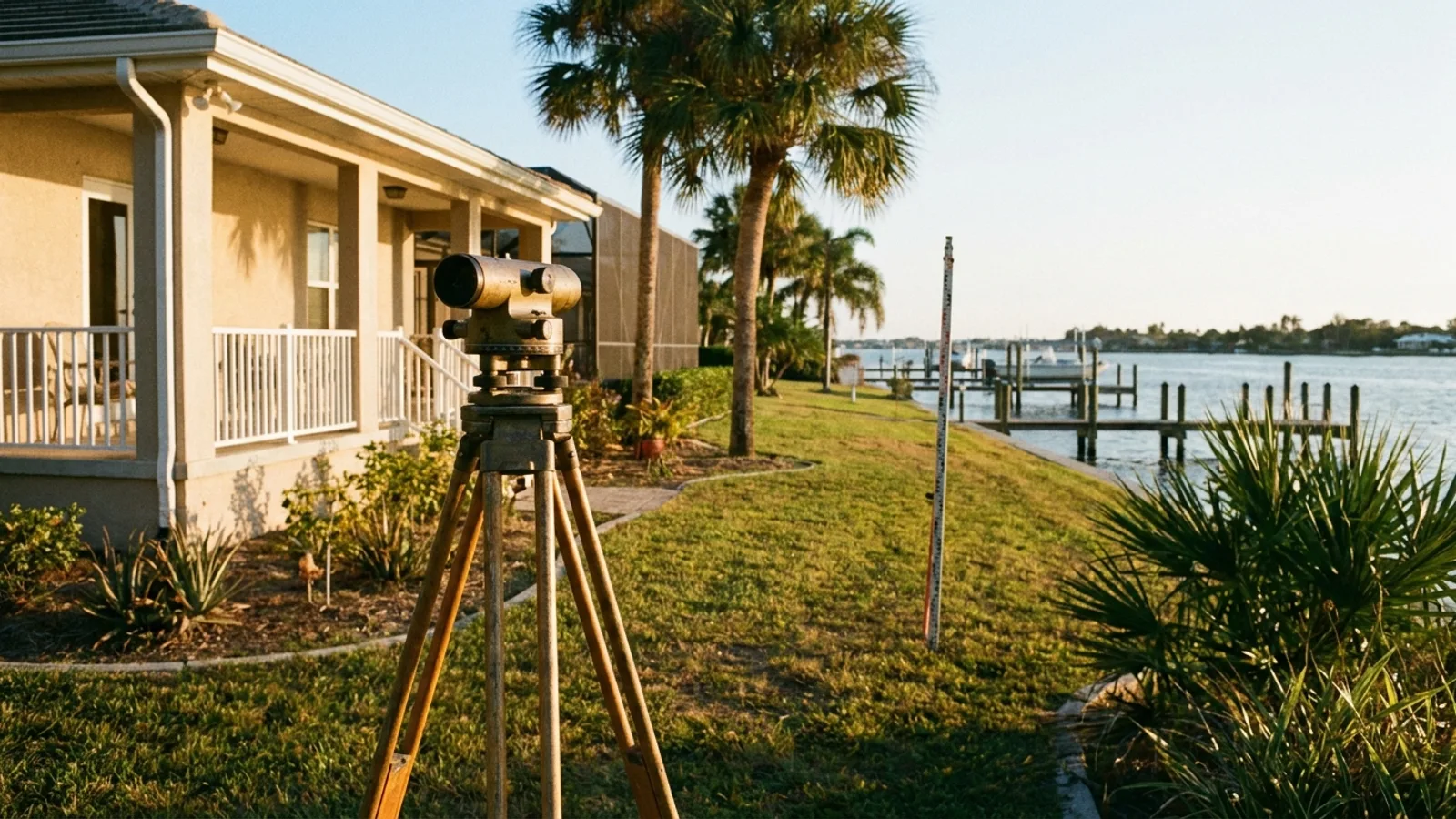
An elevation certificate, prepared by a surveyor or engineer, documents the building's elevation relative to the base flood elevation. Your permit application documents checklist may grow in a flood zone, so ask the floodplain office what they require up front. The free permit checker helps you frame the base project first.
Flood zone permit factors at a glance
| Factor | Outside flood zone | Inside a FEMA flood zone |
|---|---|---|
| Elevation rules | Standard code | Lowest floor may need to meet a flood elevation |
| Foundation and enclosures | Standard | Flood-resistant methods may apply |
| Extra documents | Usually none | Elevation certificate and floodplain info possible |
| Major remodels | Normal permit | Substantial improvement rule may apply |
| Authority on rules | Building department | Floodplain administrator plus building department |
A worked example for a lakefront addition
Imagine a homeowner in Polk County adding a room to a lakefront home that sits in a high-risk flood zone. They expect a standard addition permit.
The floodplain office confirms the property's flood zone and explains that the addition must meet the required flood elevation and that flood-resistant construction applies. Because the project's value is significant, the office also checks whether the substantial improvement rule is triggered for the existing structure. The homeowner adjusts the design to elevate the addition and provides an elevation certificate. The project proceeds, correctly built for the flood risk, rather than being flagged later.
Our take: In a flood zone, the extra rules are not red tape, they are the difference between a home that survives a flood event and one that floods repeatedly. Never assume your project is a simple permit until your floodplain office confirms your zone and requirements. The cautious path here is also the safe one for your home.
How do you confirm your flood requirements
Confirm your requirements by contacting your local floodplain administrator with your address before you design or apply. They verify your flood zone, the required elevation, and whether the substantial improvement rule applies to your project.
Start with the free permit checker to frame the base project, then reach the right office through the Polk or Orange county resources. Getting the flood requirements right at the design stage is far cheaper than discovering them after construction begins.