
HB 803's $7,500 permit exemption does not apply to property located in a flood hazard area. If your property is partially or entirely in a designated flood zone, qualifying work that would otherwise be exempt still needs to go through the normal permit process, because flood-prone construction carries added risk that permitting is meant to manage.
Key takeaways
- The HB 803 exemption does not apply to property in a flood hazard area.
- The exclusion applies if the property is partially or entirely within the flood hazard area, not just the work itself.
- If your property is in a flood zone, plan to follow the standard permit process even for small qualifying work.
- Confirm your flood zone status with an official source before relying on the exemption.
Table of contents
- Does HB 803 apply in a flood zone
- What is a flood hazard area
- Why does HB 803 exclude flood zones
- What does partially or entirely mean
- Flood zone versus non-flood zone under HB 803
- A worked example: a lakeside home remodel
- How do I check my flood zone status
- What should I do if I am in a flood zone
Does HB 803 apply in a flood zone
No. The HB 803 exemption specifically does not apply to property in a flood hazard area. Even work that meets every other condition, single-family, under $7,500, and clear of the excluded trades, still requires the normal permit process if the property is in a flood zone.
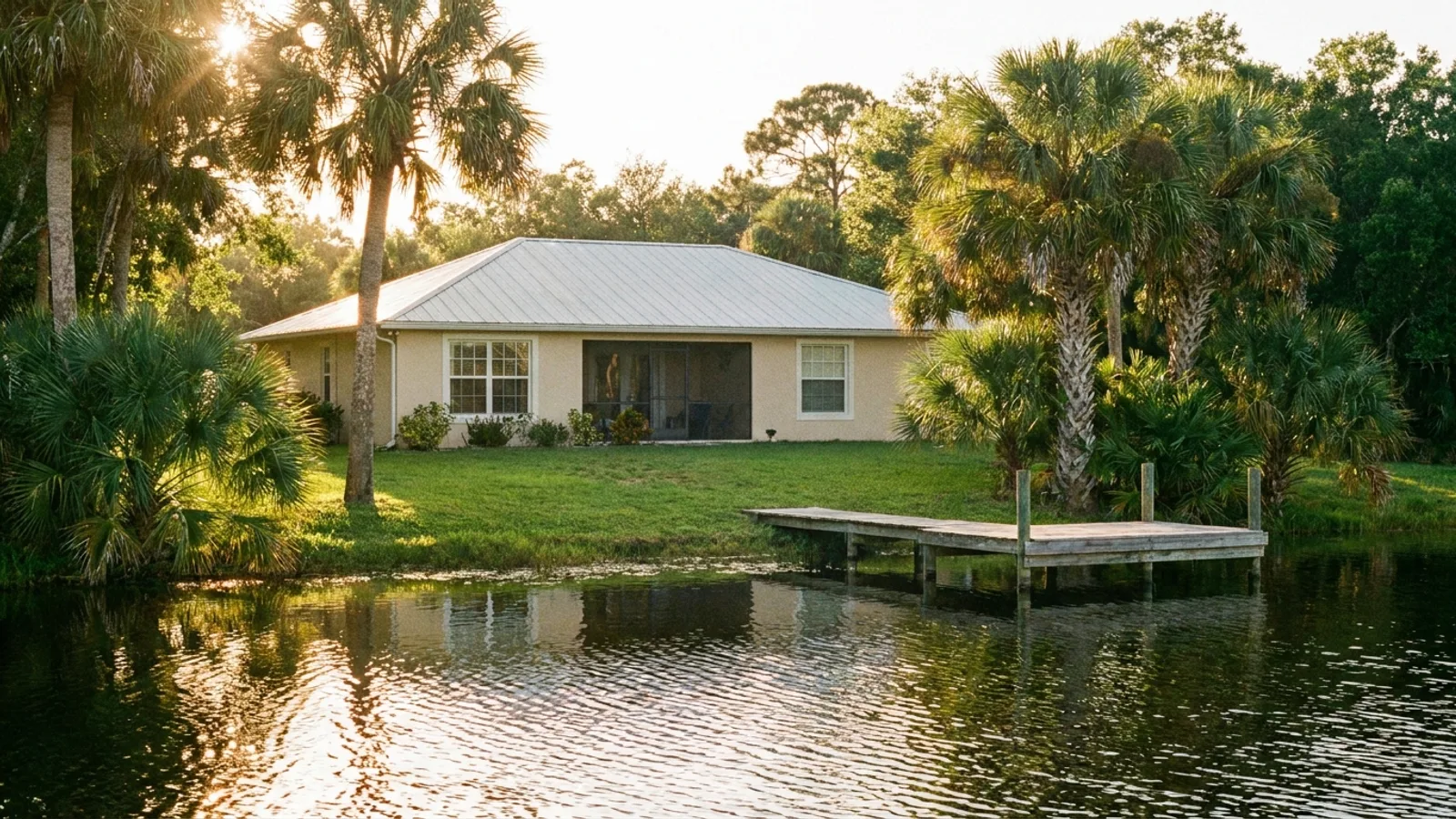
This is one of the exemption's firm limits. Flood zone status is checked at the property level, so it is one of the first things to confirm before assuming a project is exempt. Use the exemption checker to walk through the conditions in order.
What is a flood hazard area
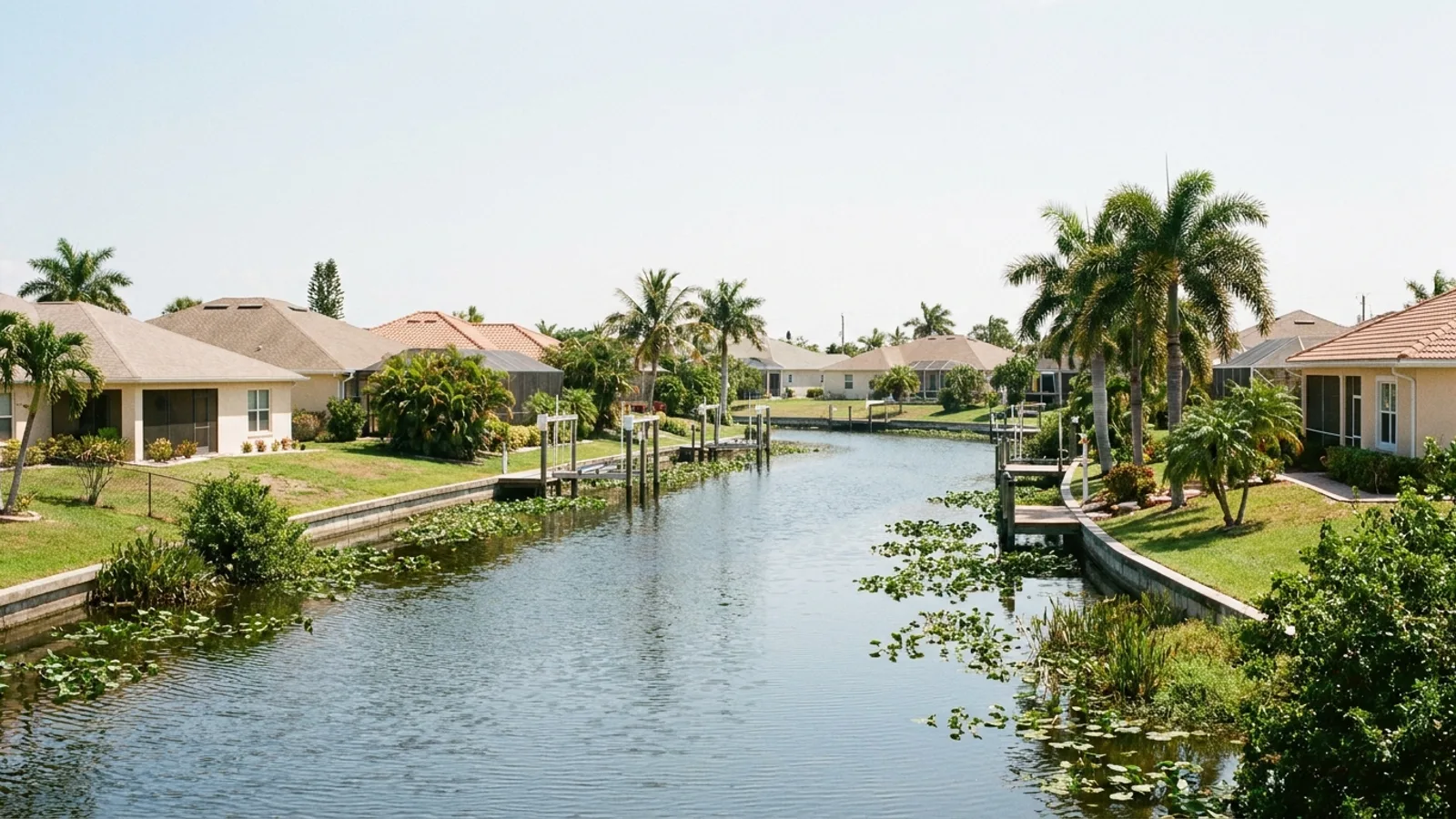
A flood hazard area is land identified as having a meaningful risk of flooding, typically mapped through the federal flood mapping program and adopted into local floodplain regulations. Homes in these areas face additional construction rules meant to reduce flood damage.
Because these areas are formally mapped and adopted locally, your property either is or is not in one, and that status is verifiable. Our guide on flood zone permit requirements explains the added rules that come with building in these areas.
Why does HB 803 exclude flood zones
The exclusion exists because flood-prone construction carries risks that light-touch exemptions are not designed to handle. Even modest work in a flood hazard area can interact with floodplain rules on elevation, materials, and how improvements are valued over time.
Permitting is how a jurisdiction tracks and enforces those floodplain rules, so removing the permit in a flood zone would remove the mechanism that manages the risk. HB 803 keeps the permit in place there for that reason.
What does partially or entirely mean
The exclusion applies if the property is partially or entirely within a flood hazard area, so even a portion of the parcel being mapped in a flood zone removes the exemption. It is the property's status that controls, not just where on the lot the work happens.
That is a broader test than many homeowners expect. A parcel with only part of its land in the mapped area still falls under the exclusion, which is why confirming the property's status matters more than pointing to where the project sits.
Flood zone versus non-flood zone under HB 803
| Condition | Property not in flood hazard area | Property partially or entirely in flood hazard area |
|---|---|---|
| Qualifying under $7,500 work | May be exempt from permit | Exemption does not apply |
| Permit process | Possibly none, if all conditions met | Standard permit process |
| Floodplain rules | Standard code | Added floodplain requirements |
| Best first step | Confirm other conditions | Confirm flood status, then permit |
A worked example: a lakeside home remodel
Consider a homeowner near a lake who wants to install new flooring for about $5,000, work that would otherwise be a strong HB 803 candidate. Before relying on the exemption, they check their flood zone status and learn part of the parcel is mapped in a flood hazard area.
Because the property is partially in the flood hazard area, the exemption does not apply, and the homeowner follows the normal permit process. Confirming flood status first saved them from wrongly assuming the work was exempt. The interior remodel project page outlines the standard path.
How do I check my flood zone status
Check your flood zone through your county or city floodplain resources and the federal flood mapping tools, or ask your building department directly. Your property or parcel record often notes flood zone information as well.
Do not rely on a neighbor's status or an old assumption, because maps are updated and parcels differ. Confirm the current status for your specific parcel before treating any project as exempt.
Our take: Flood zone status is the condition most likely to quietly disqualify an otherwise exempt project. Check it first, because the property-level, partially-or-entirely test catches more homes than people expect.
What should I do if I am in a flood zone
If your property is in a flood hazard area, treat qualifying work as standard permitted work and follow the normal process. That keeps you aligned with floodplain rules and avoids a false assumption that the exemption applies.
Confirm the specifics with your building department, since flood zone work can carry elevation and material requirements beyond an ordinary permit. The free permit checker helps you frame what your project needs once the exemption is off the table. Our guide on the HB 803 $7,500 exemption explains where flood status fits among the other conditions.