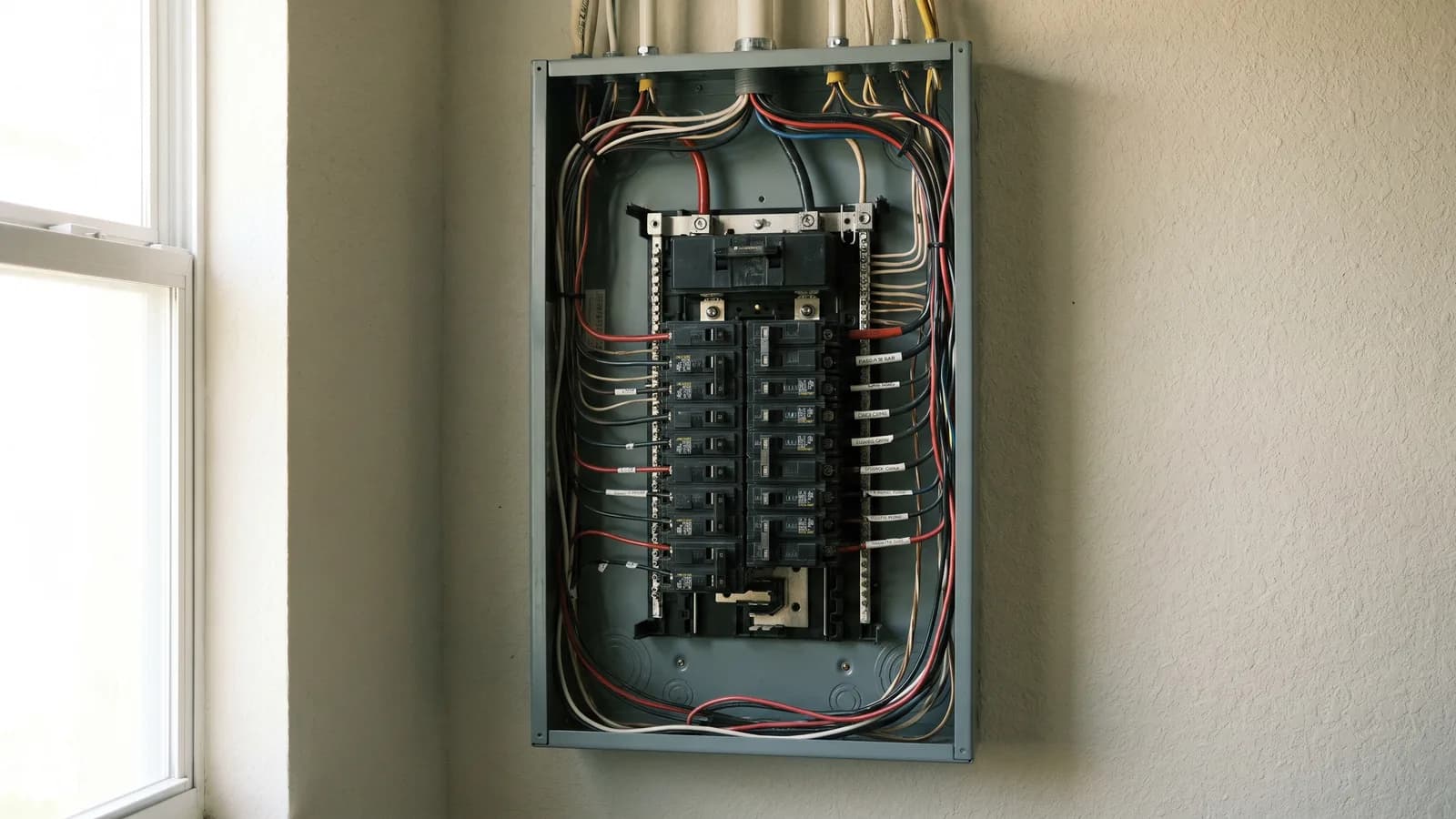
No, HB 803 does not cover electrical work. Electrical work is one of the trades the $7,500 permit exemption specifically excludes, so any project that involves electrical work still requires the normal permit, regardless of cost. HB 803 excludes electrical, plumbing, mechanical, gas, and structural work, which means the exemption is aimed at finish-level projects that leave your home's systems untouched.
Key takeaways
- HB 803 excludes electrical work from the $7,500 permit exemption, so electrical projects still need a permit.
- The exemption also excludes plumbing, mechanical, gas, and structural work.
- Even small electrical tasks like adding an outlet or a dedicated circuit fall outside the exemption.
- Electrical work has real fire and shock risks, which is why it stays under the permit and inspection process.
Table of contents
- Does HB 803 cover electrical work
- Why does HB 803 exclude electrical work
- What counts as electrical work
- What if my project is only partly electrical
- Exempt cosmetic work versus excluded electrical work
- A worked example: a lighting and paint refresh
- What does electrical permitting protect
- How do I confirm what my project needs
Does HB 803 cover electrical work
No. Electrical work is expressly excluded from the HB 803 exemption, so electrical projects require a permit even if they cost well under $7,500. The exemption is designed for work that does not touch the home's core systems, and electrical is one of those systems.
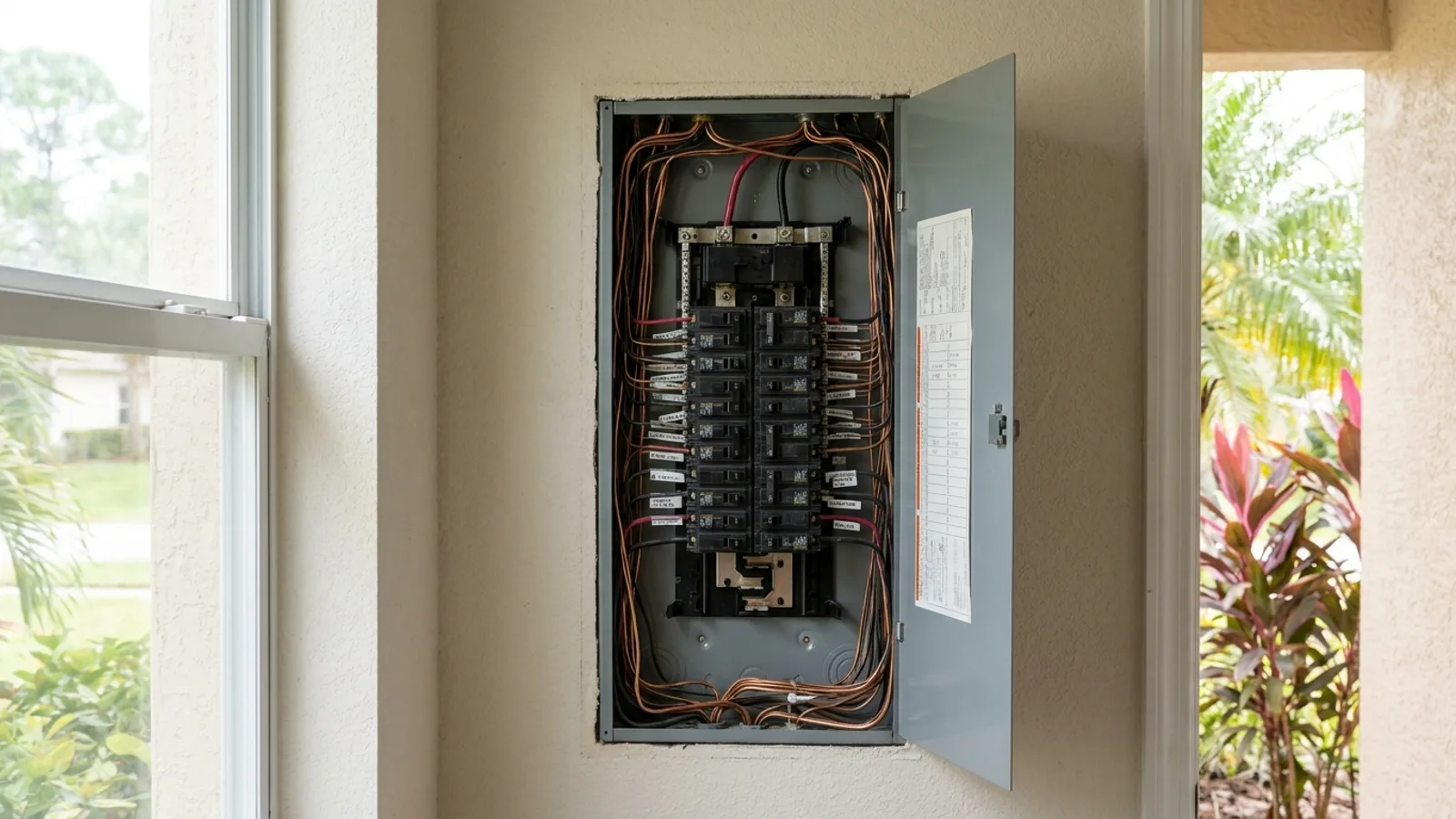
This is one of the clearest limits of the exemption. If any part of your project is electrical, plan for a permit on that work. Use the exemption checker to confirm how your specific project is treated.
Why does HB 803 exclude electrical work
HB 803 excludes electrical work because it carries fire and shock risks that the permit and inspection process exists to manage. A lower-cost project is not necessarily a lower-risk one, and an inexpensive wiring error can still start a fire.
The Legislature drew the exemption around finish-level work for that reason, keeping the trades that affect safety systems inside the normal process. Our pillar guide on the HB 803 $7,500 exemption explains the full set of exclusions.
What counts as electrical work
Electrical work includes anything that adds to, extends, or modifies your home's electrical system, not just large projects. Adding a circuit, installing a new outlet or switch, wiring a fixture on a new circuit, or upgrading a panel are all electrical work.
Common electrical work that falls outside the exemption includes:
- Adding or moving outlets and switches
- Installing new dedicated circuits, such as for an EV charger
- Panel upgrades and service changes
- Hardwiring new fixtures or appliances
Our guides on electrical panel upgrades and the electrical panel project page cover common examples.
What if my project is only partly electrical
If a project mixes cosmetic work with electrical work, the electrical portion still requires a permit even if the rest might have qualified for the exemption. The exemption does not stretch to cover an excluded trade just because it is bundled with finish work.
In practice, that means you separate the scope: the cosmetic portion may be exempt, but the electrical portion is permitted work. Do not assume the whole project rides on the cosmetic label. Confirm the electrical scope with your building department.
Exempt cosmetic work versus excluded electrical work
| Task | HB 803 treatment | Why |
|---|---|---|
| Painting a room | May be exempt | Finish work, no system touched |
| Installing flooring | May be exempt | Finish work over subfloor |
| Adding an outlet | Excluded | Electrical work |
| Installing a ceiling fan on a new circuit | Excluded | Electrical work |
| Upgrading the panel | Excluded | Electrical work |
A worked example: a lighting and paint refresh
Imagine a homeowner refreshing a room with new paint and adding several recessed lights on a new circuit, all under $7,500. The paint is finish work that may qualify for the exemption, but the recessed lighting on a new circuit is electrical work that does not.
The correct read is that the electrical portion needs a permit, even though the paint alone might not. The homeowner permits the electrical work and can treat the painting under the exemption if it otherwise qualifies.
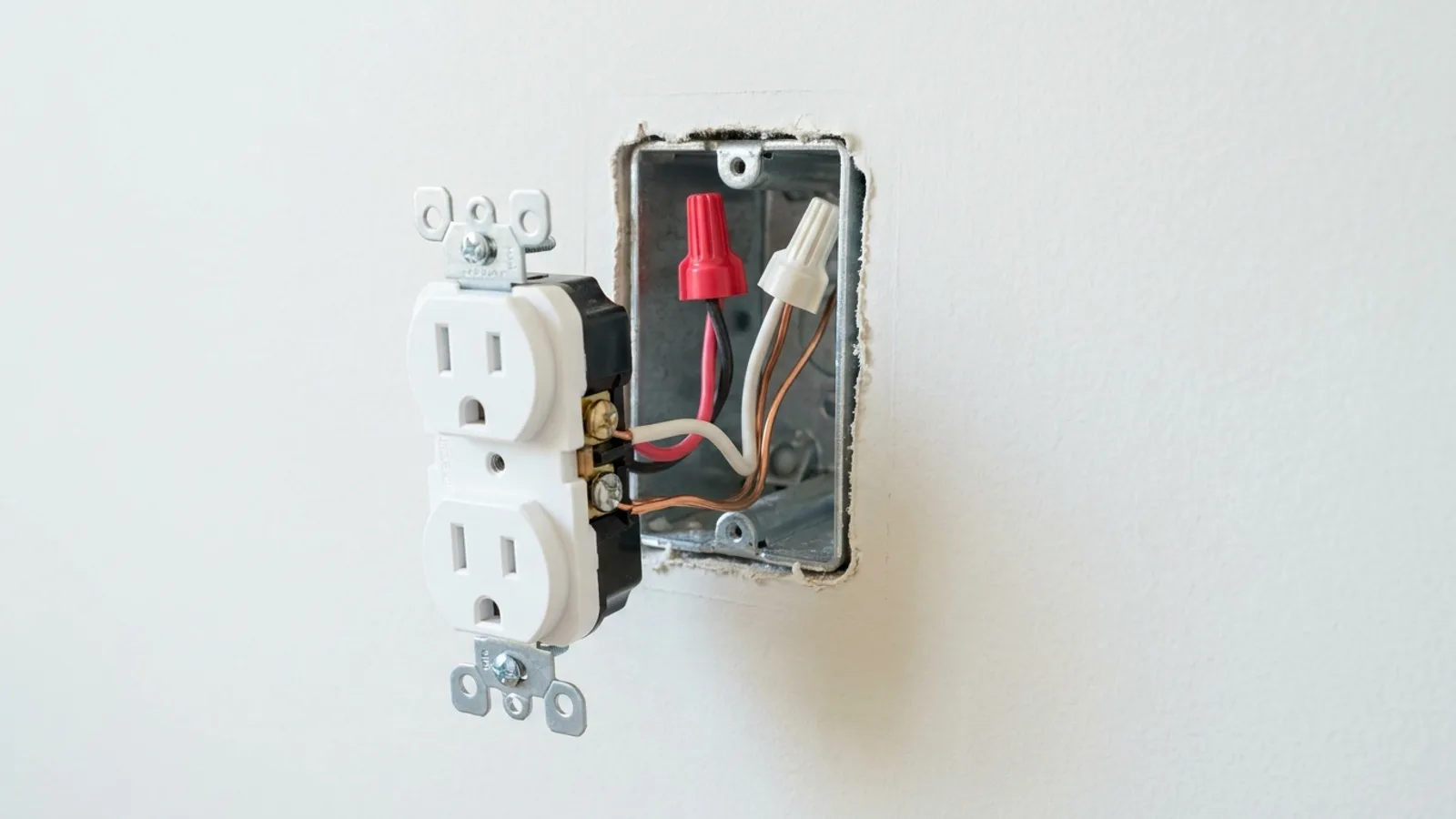 Our guide on what counts as cosmetic under HB 803 explains the finish-work side.
What does electrical permitting protect
Electrical permitting protects against fire and shock by confirming that circuits are sized correctly, wiring is rated for the load, and connections are safe. These are exactly the failures that cause electrical fires, and they are often hidden inside walls.
That hidden nature is why inspection matters. A finished wall looks the same whether the wiring behind it is correct or dangerous, so the inspection is your assurance that the concealed work is safe.
Our take: The electrical exclusion is one of the most important things to understand about HB 803, because homeowners often assume a small, cheap electrical task is exempt. It is not. If the work touches wiring, plan for a permit and, in most cases, a licensed electrician.
How do I confirm what my project needs
Run your project through the exemption checker, and if any part is electrical, plan for a permit on that portion. When a project mixes trades, separate the electrical scope and confirm it with your building department.
For the electrical work itself, a licensed electrician pulling the permit keeps responsibility for the safe installation with them, and the free permit checker helps you frame what that permit involves. Our guide on whether HB 803 covers gas work covers a closely related exclusion.