
Building or replacing a seawall in Florida usually requires both a local building permit and state environmental review, because a seawall sits at the shoreline where the state regulates work in and near the water. A seawall permit in Florida typically involves your building department for the structure and the Department of Environmental Protection or your water management district for the environmental resource permit and any use of sovereign submerged lands. Repairs and full replacements can be treated differently, so confirm your specific scope.
Key takeaways
- A seawall generally needs a local building permit plus state environmental review because it is shoreline work.
- The Florida DEP or water management district administers the environmental resource permit for seawalls.
- Repairing an existing seawall and building a new one can face different requirements, so define your scope early.
- Because the state regulates work at the shoreline, building without the environmental approval risks enforcement.
Table of contents
- Do you need a permit for a seawall in Florida?
- Which agencies review a Florida seawall?
- Is repairing a seawall different from building a new one?
- What does the local building permit cover?
- A quick example: replacing a canal seawall
- How should you start a seawall project?
Do you need a permit for a seawall in Florida?
Yes, and usually from more than one authority. A seawall is a structure your building department reviews, and because it is built at the water's edge, the state environmental resource permitting program typically applies as well. Where the wall touches state-owned submerged lands, additional authorization can be required.
These reviews look at different things. The local permit addresses the wall as a structure; the environmental permit addresses impacts to the shoreline and water. Confirm both tracks before you start, and use our permit checker to begin on the local side.
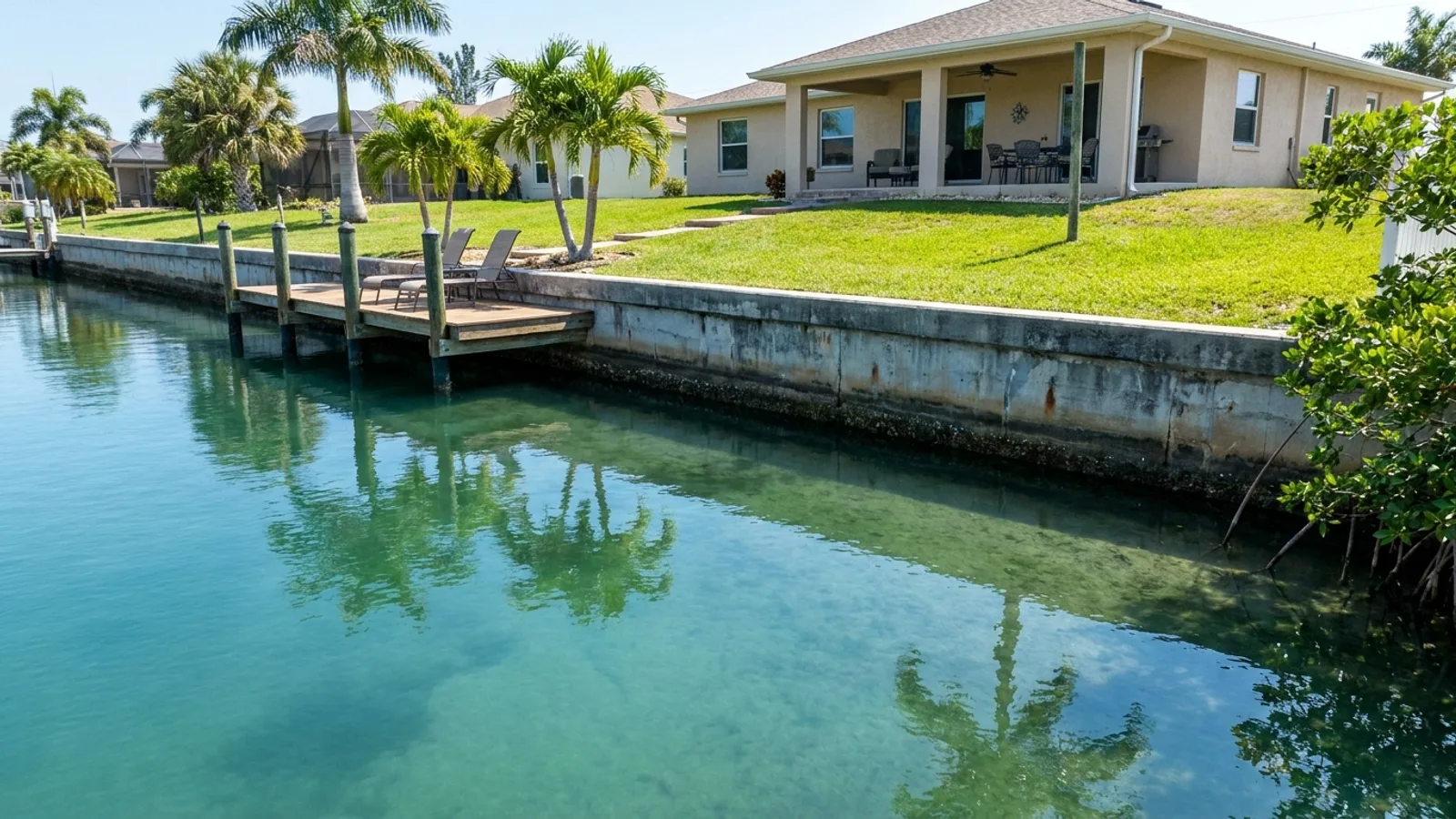
Which agencies review a Florida seawall?
Like a dock, a seawall can involve layered approvals. The mix depends on the waterbody, the location, and whether you are repairing or replacing.
| Layer | Who reviews it | Focus |
|---|---|---|
| Local building permit | City or county building department | The wall as a structure |
| Environmental resource permit | Florida DEP or water management district | Shoreline and water impacts |
| Sovereign submerged lands | State, via the environmental process | Work on state-owned bottomlands |
The Florida DEP coordinates the environmental and submerged-lands review, so a seawall is rarely a single-permit job. Our dock permit guide covers the same layered structure for over-water work.
Is repairing a seawall different from building a new one?
Often, yes. Maintaining or repairing an existing, permitted seawall in place can face lighter requirements than building a new wall or significantly changing an existing one. But the definitions of repair versus replacement are set by the reviewing agencies, not by you, and getting that classification wrong is a common way projects run into trouble.
Define your scope early and confirm it with both the building department and the environmental agency. If your repair grows into a full rebuild mid-project, the required approvals can change.
What does the local building permit cover?
Your building department reviews the seawall's design, materials, anchoring, and structural adequacy. Seawalls resist soil and water pressure and, in storms, wave and surge forces, so the structural review is meaningful. This is the layer most similar to other project permits, and where our checker can orient you.
Expect the department to want engineered drawings for a new or rebuilt wall. Seawalls are structures that fail dramatically when under-designed, so the plans and inspections are there to prevent exactly that.
A quick example: replacing a canal seawall
A homeowner along a canal decides their aging seawall needs full replacement. They first contact the Florida DEP or their water management district to determine whether the work needs an environmental resource permit and submerged-lands authorization, then bring engineered plans to the local building department for the structural permit before demolition begins.
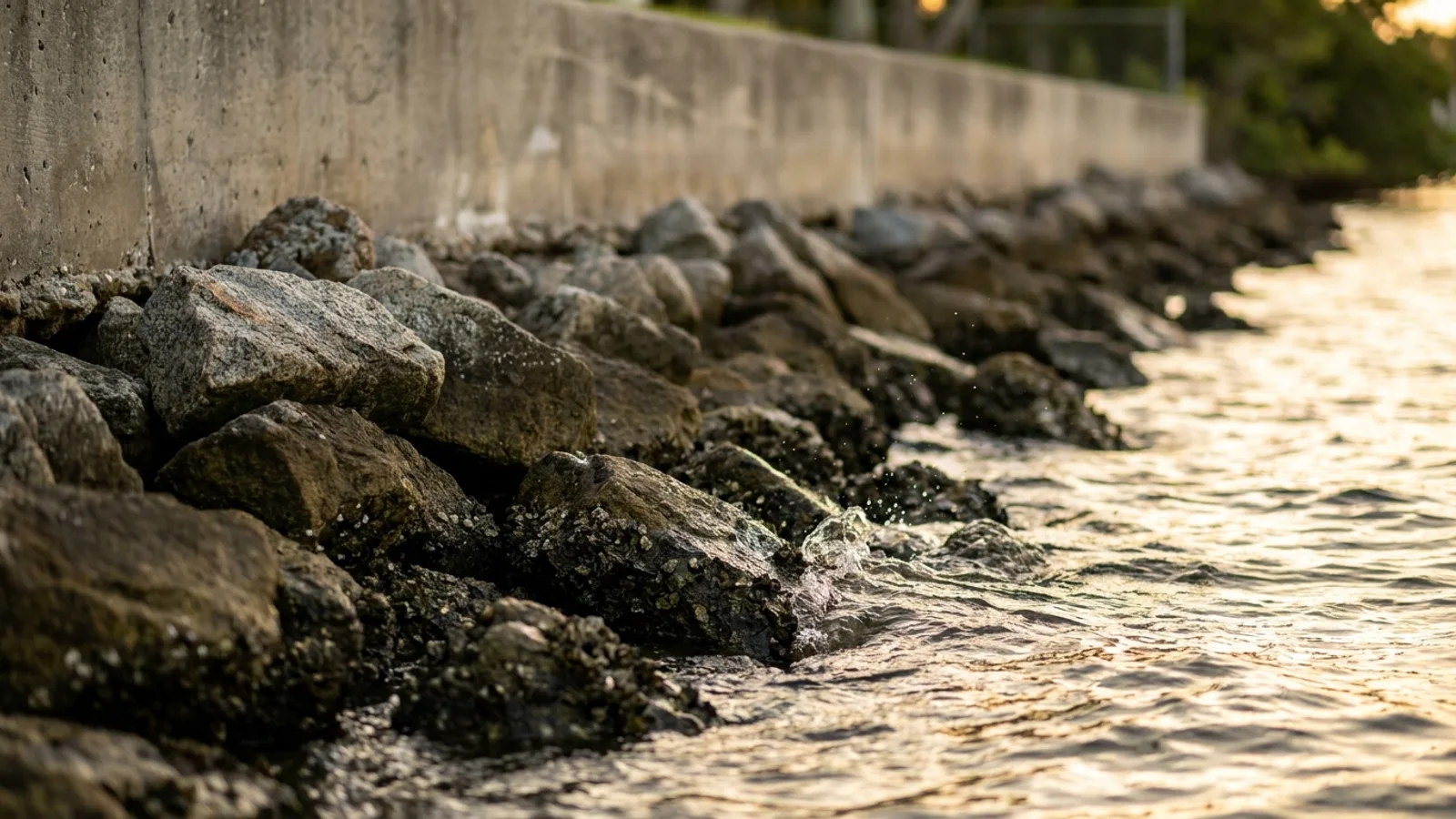
Handling the environmental question first is what prevents a stop-work order, because the state regulates the very edge where the wall is built.
Our take: Treat a seawall as a shoreline project with a structural component, not just a wall. Confirm the environmental and submerged-lands questions in writing before you build, because unpermitted shoreline work is expensive to unwind.
How should you start a seawall project?
Start with the environmental agency and your scope. Learn from the Florida DEP or water management district whether you need an environmental resource permit, whether submerged-lands authorization applies, and how they classify your repair or replacement. Then take engineered plans to the local building department for the structural permit.
Keep all approvals together with your home records. A documented seawall is easier to insure, maintain, and sell, and the layered permitting reflects how seriously Florida treats work at its shorelines.
Location can change the details, so a waterfront lot in Orange County and one on a different waterbody may face different district and local requirements. Flood exposure is part of the picture too, and our flood zone permit requirements guide explains how a coastal or flood-prone location adds requirements that stack on top of the structural and environmental reviews. The safe habit is to treat every seawall as a location-specific project and confirm the layers rather than assume a neighbor's approvals apply to you.