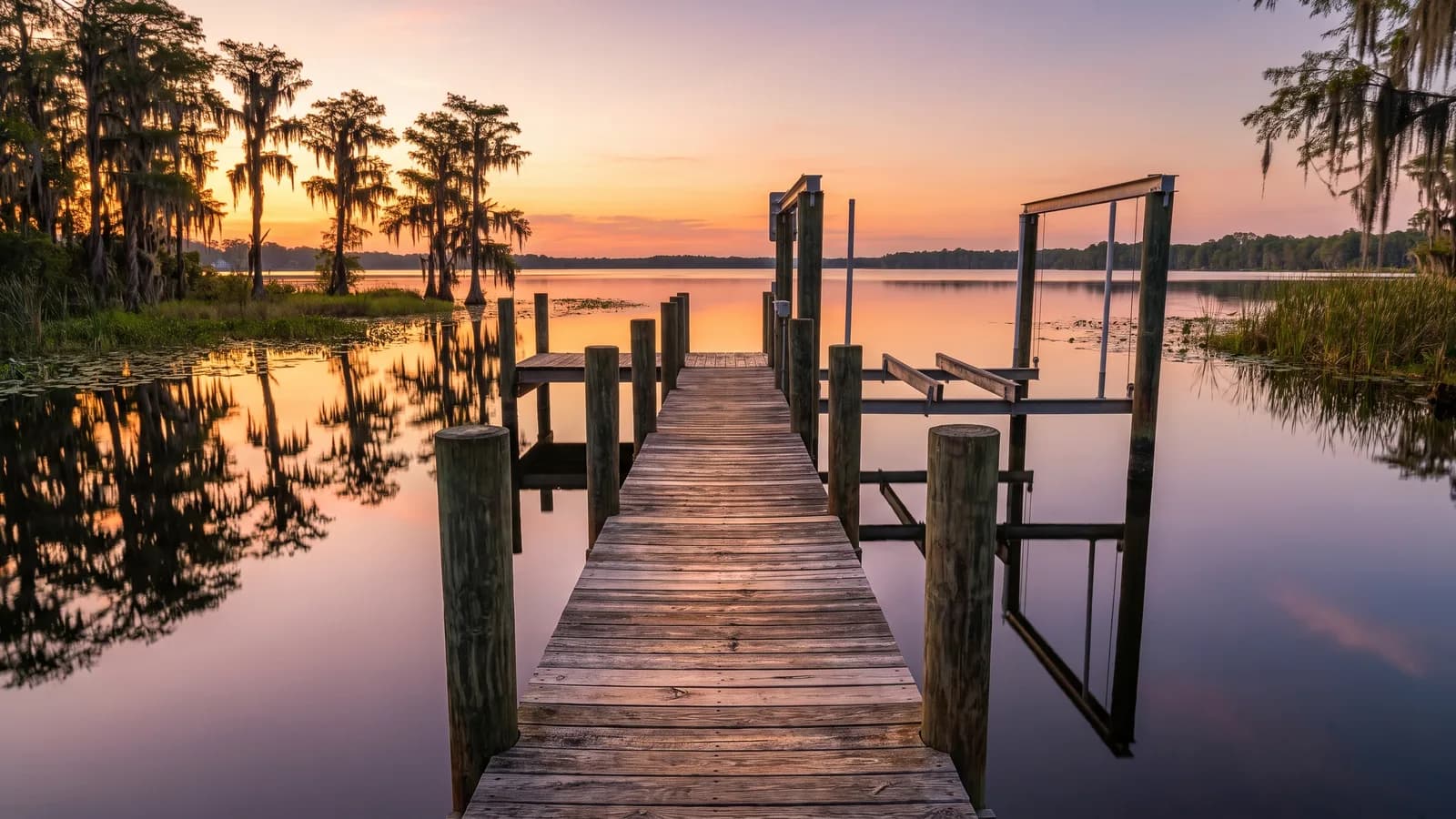
Building a dock in Florida usually requires more than one approval. You typically need a local building permit, and because a dock sits over state waters or wetlands, you may also need a state environmental resource permit from the Department of Environmental Protection or your water management district, plus authorization to use sovereign submerged lands. A dock permit in Florida is really a stack of approvals, and the environmental layer is the one homeowners most often overlook.
Key takeaways
- A dock generally needs a local building permit plus possible state environmental review because it is built over water.
- The Florida DEP or your water management district administers environmental resource permits for docks.
- Some small private docks qualify for an exemption or general permit, but that is a state determination, not an assumption.
- Confirm both the local and the environmental tracks before you build, because the two agencies review different things.
Table of contents
- Do you need a permit to build a dock in Florida?
- Which agencies review a Florida dock?
- Are some docks exempt from state review?
- What about the local building permit?
- A quick example: a small dock on a Polk County lake
- How do you start a dock project the right way?
Do you need a permit to build a dock in Florida?
In most cases, yes, and often from more than one authority. Your local building department reviews the dock as a structure, and because the dock extends over surface waters or wetlands, the state environmental resource permitting program may also apply. On many waterbodies you also need authorization to use sovereign submerged lands, which the state owns.
These are separate tracks with separate criteria. A local permit does not substitute for state environmental authorization, and vice versa. Start by confirming both, and use our permit checker to get oriented on the local side.
Which agencies review a Florida dock?
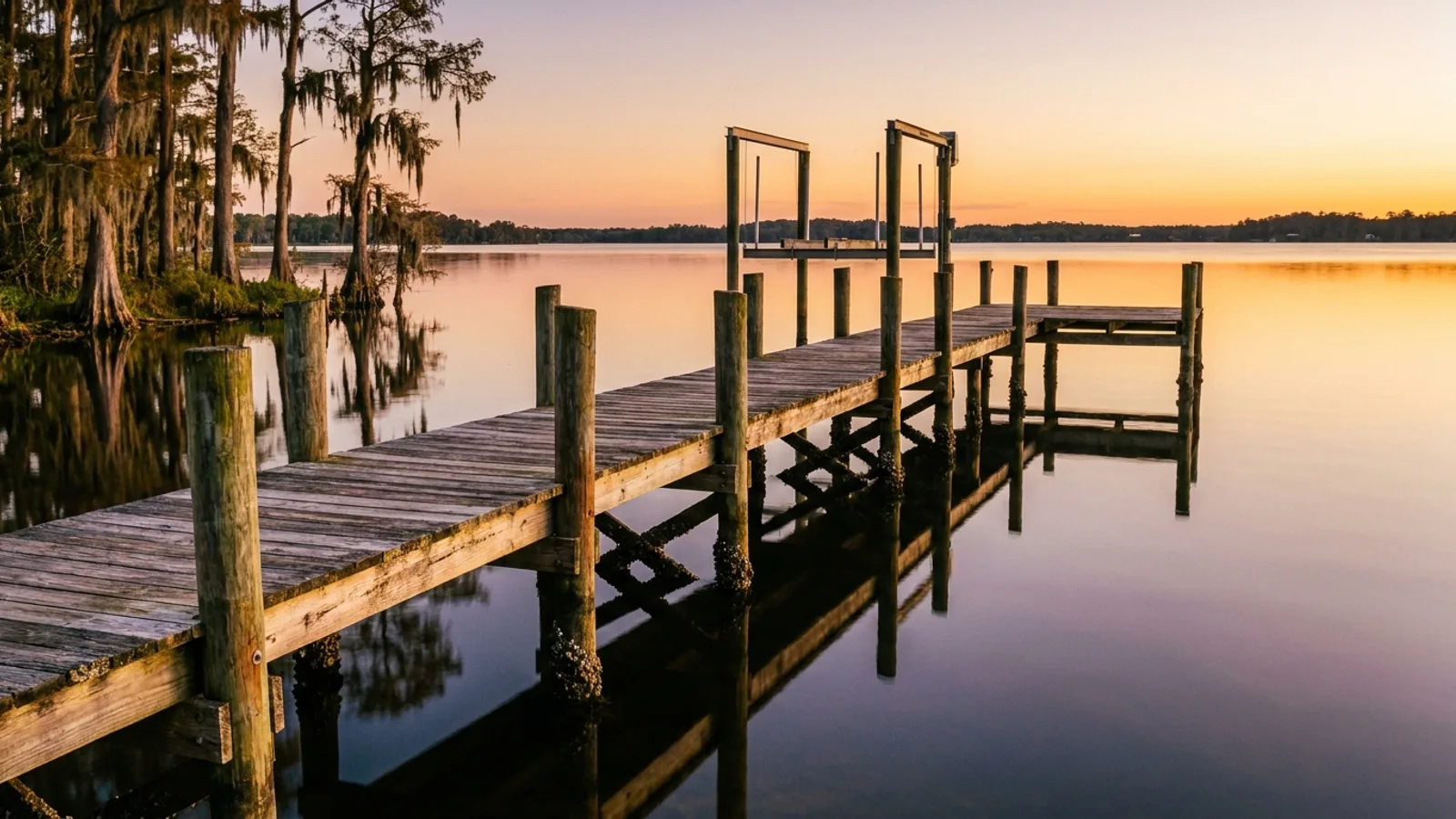
A dock can touch three layers of review. The exact mix depends on the waterbody, the county, and the dock's size and design.
| Layer | Who reviews it | What they look at |
|---|---|---|
| Local building permit | Your city or county building department | Structure, pilings, electrical if any |
| Environmental resource permit | Florida DEP or the water management district | Impacts to water and wetlands |
| Sovereign submerged lands | The state, through the same environmental process | Use of state-owned bottomlands |
The Florida DEP describes this coordination through its submerged lands and environmental resource program, so a dock is rarely a single-permit project.
Are some docks exempt from state review?
Some small private residential docks qualify for an exemption or a general permit from the environmental program, based on size, location, and construction. That is genuinely helpful, but it is a determination the state makes, not something you should assume. Building on the assumption of an exemption that does not apply can lead to enforcement and removal.
The safe move is to request confirmation from the DEP or your water management district in writing before you build. If your dock will carry power for a lift or lights, treat that electrical work like any other permitted circuit, similar to the logic in our standby generator project page.
What about the local building permit?
Your building department reviews the dock as a structure: the pilings, framing, decking, and any electrical for a boat lift or lighting. In Florida's wind environment, anchoring and connections matter here too. This is the part of the process most like a normal project permit, and it is where our checker can help you start.
Expect the local review to want a site plan and construction details. If the dock includes a covered boathouse or a roofed structure, the review gets more involved because you are adding a roof and its wind loads.
A quick example: a small dock on a Polk County lake
A homeowner on a lake in Polk County wants a modest private dock with a boat lift. They first ask the water management district whether the dock qualifies for an exemption or needs an environmental resource permit, confirm any submerged-lands authorization, then pull a local building permit for the structure and an electrical permit for the lift.
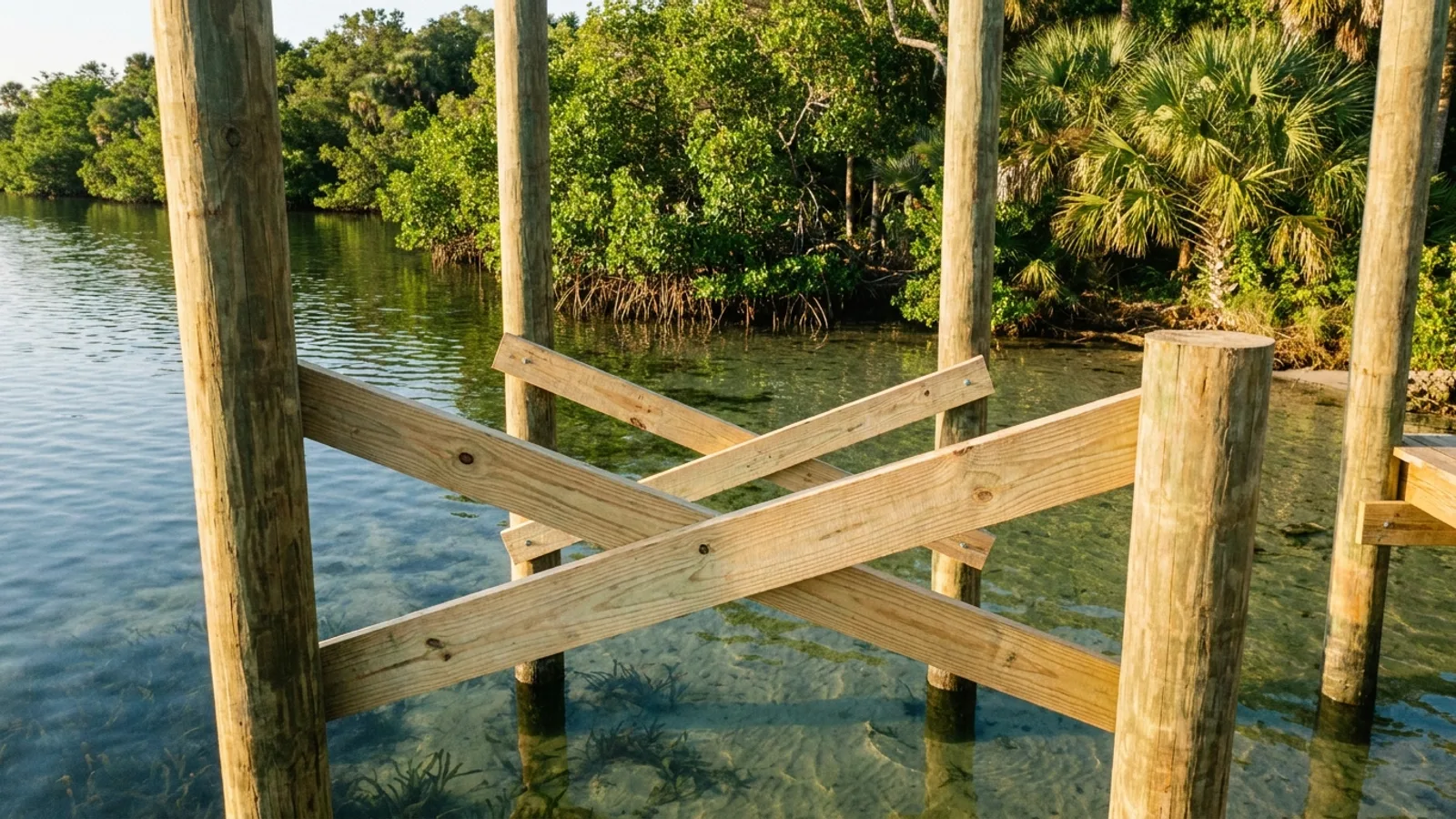
Sorting the environmental question first is what keeps the project on track, because building the structure before the water review is the mistake that leads to removal orders.
Our take: Never build a Florida dock on the assumption it is exempt. Confirm the environmental and submerged-lands questions in writing first, then handle the local building permit. The water side is where an overlooked approval gets expensive.
How do you start a dock project the right way?
Begin with the environmental track, because it can change your design. Contact the Florida DEP or your water management district to learn whether you need an environmental resource permit or qualify for an exemption, and whether submerged-lands authorization applies. Then take the approved design to your local building department for the structural permit.
Keep every approval together. A documented dock is far simpler to insure, repair, and sell than one built without the layered permits Florida requires over its waters.
Docks and shoreline structures share the same layered logic, so if you are also considering shoreline protection, our seawall permit guide walks through the same mix of local and environmental review. Flood exposure matters too, and our flood zone permit requirements guide explains how a waterfront location can add elevation and construction requirements. The through-line for any work on or near the water is simple: confirm the environmental track first, then handle the local building permit, and never assume an exemption applies until the state confirms it.