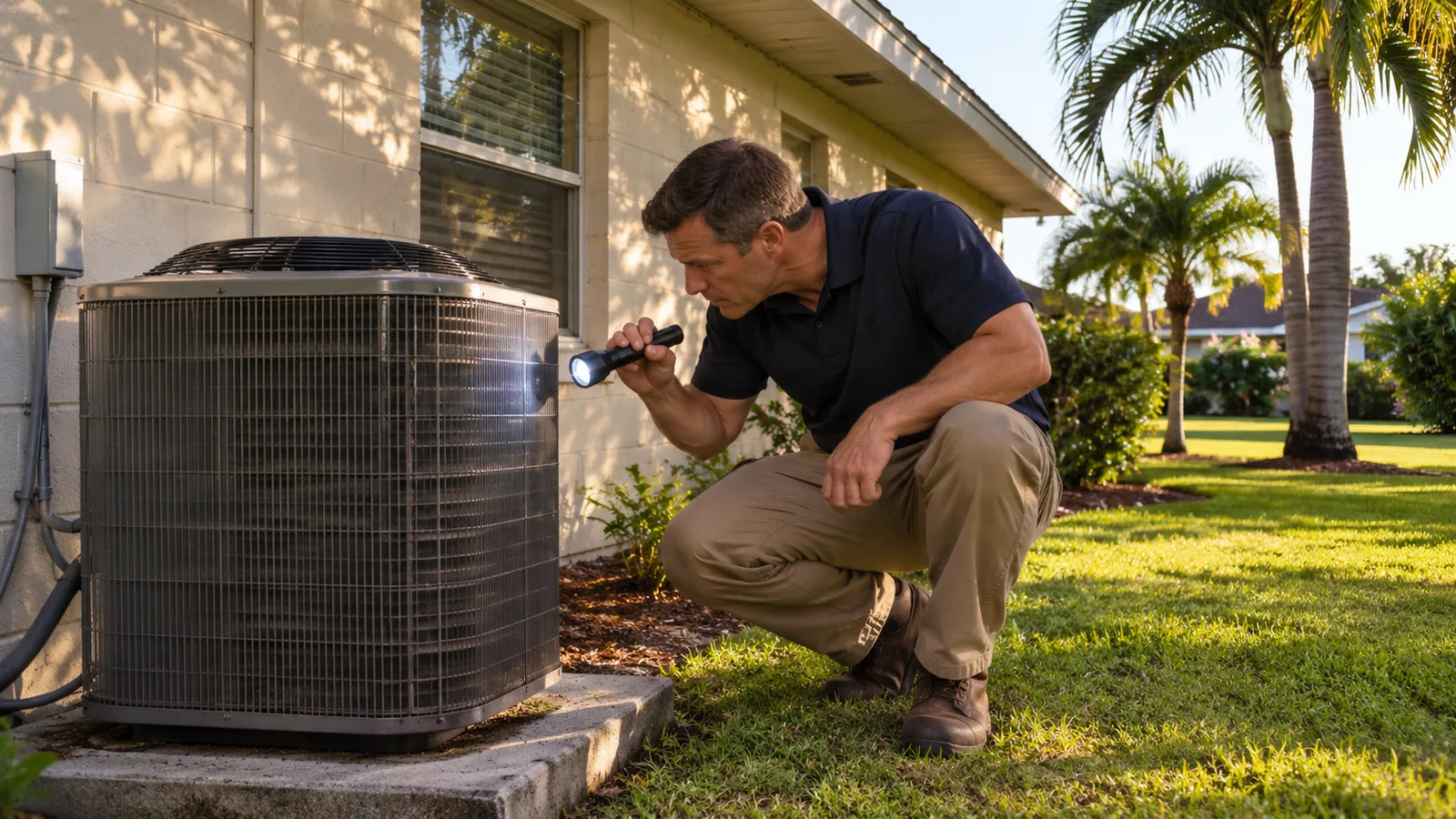
A 4-point inspection in Florida is an insurance inspection of four systems in an older home: the roof, electrical, plumbing and HVAC (heating and cooling). A Florida-licensed inspector records the age, type and condition of each so an insurer can decide whether to cover the house. It never approves work, and the repairs it flags often need a permit, which our free permit checker can confirm.
Key takeaways
- A 4-point inspection documents the age, type and condition of a home's roof, electrical, plumbing and HVAC systems for an insurer.
- Citizens Property Insurance Corporation requires a 4-point on applications for homes more than 20 years old; other insurers set their own rules.
- Citizens wants the report dated within the 12 months before a new-business application.
- Florida's $7,500 permit exemption excludes electrical, plumbing, structural, mechanical and gas work, so it does not cover a panel change, a repipe or an A/C changeout.
Table of contents
- What is a 4-point inspection in Florida?
- Why do insurers ask for a 4-point inspection?
- What does a 4-point inspector check?
- What causes a failed 4-point inspection?
- Which 4-point repairs need a building permit?
- How is a 4-point different from other Florida home inspections?
- What does a 4-point look like when buying an older home?
- How should you prepare for a 4-point inspection?
What is a 4-point inspection in Florida?
A 4-point inspection is an insurance review of a home's roof, electrical, plumbing and HVAC that reports each system's type, age and condition.
Many inspectors use the sample 4-Point Inspection Form from Citizens. It defines acceptable condition as each system working as intended with no visible hazards or deficiencies, and it states that the report determines insurability and is not a warranty. Citizens also accepts other reports with at least the same detail and photos.
Why do insurers ask for a 4-point inspection?
Insurers ask for a 4-point to learn the age and condition of an older home's major systems before agreeing to insure it. Citizens ties its requirement to the home's age.
Citizens' rules, per its inspections page and FAQ in November 2026:
- Age: required for property owner, dwelling and mobile home applications on homes more than 20 years old.
- Timing: new business only, unless underwriting decides case by case that a renewal needs one.
- Report age: dated within 12 months before the application, with shorter windows in some cases.
- Exclusions: not applied to condominium or tenant policies.
- Who signs: a verifiable Florida-licensed general, residential or building contractor, building code inspector or home inspector. A trade licensee, such as an electrician, may sign only that trade's section.
Other insurers set their own rules, and fees vary, so ask your agent and get quotes.
What does a 4-point inspector check?
The inspector records each system's type, age and condition, with photos. From Citizens' sample form:
| System | What the form records | Minimum photos |
|---|---|---|
| Roof | Material, age, remaining useful life, date of last roofing permit, damage and leaks | Each roof slope |
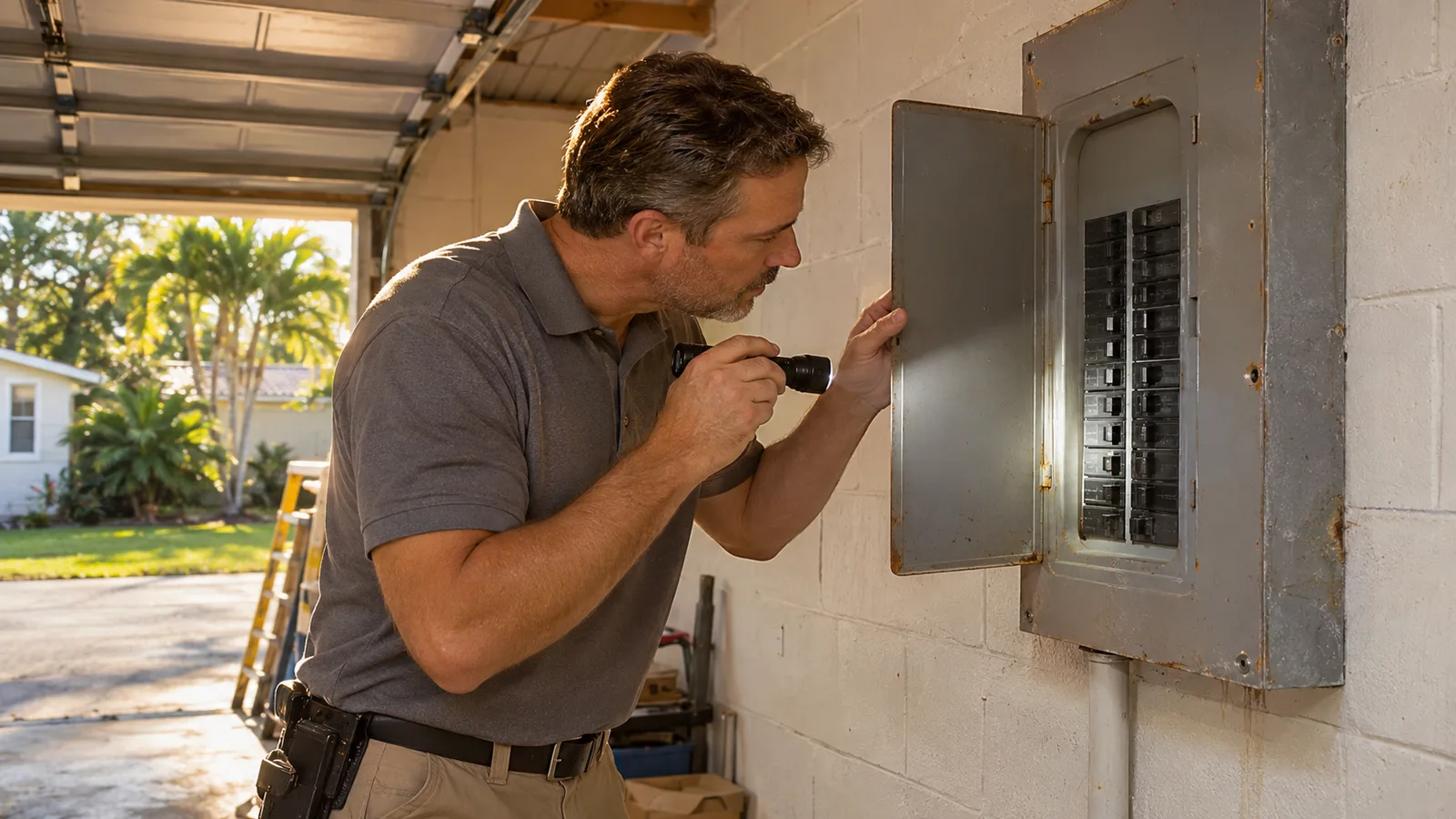
| Electrical | Panel type, amps, age, wiring, hazards | Open panel and door label, box with cover off |
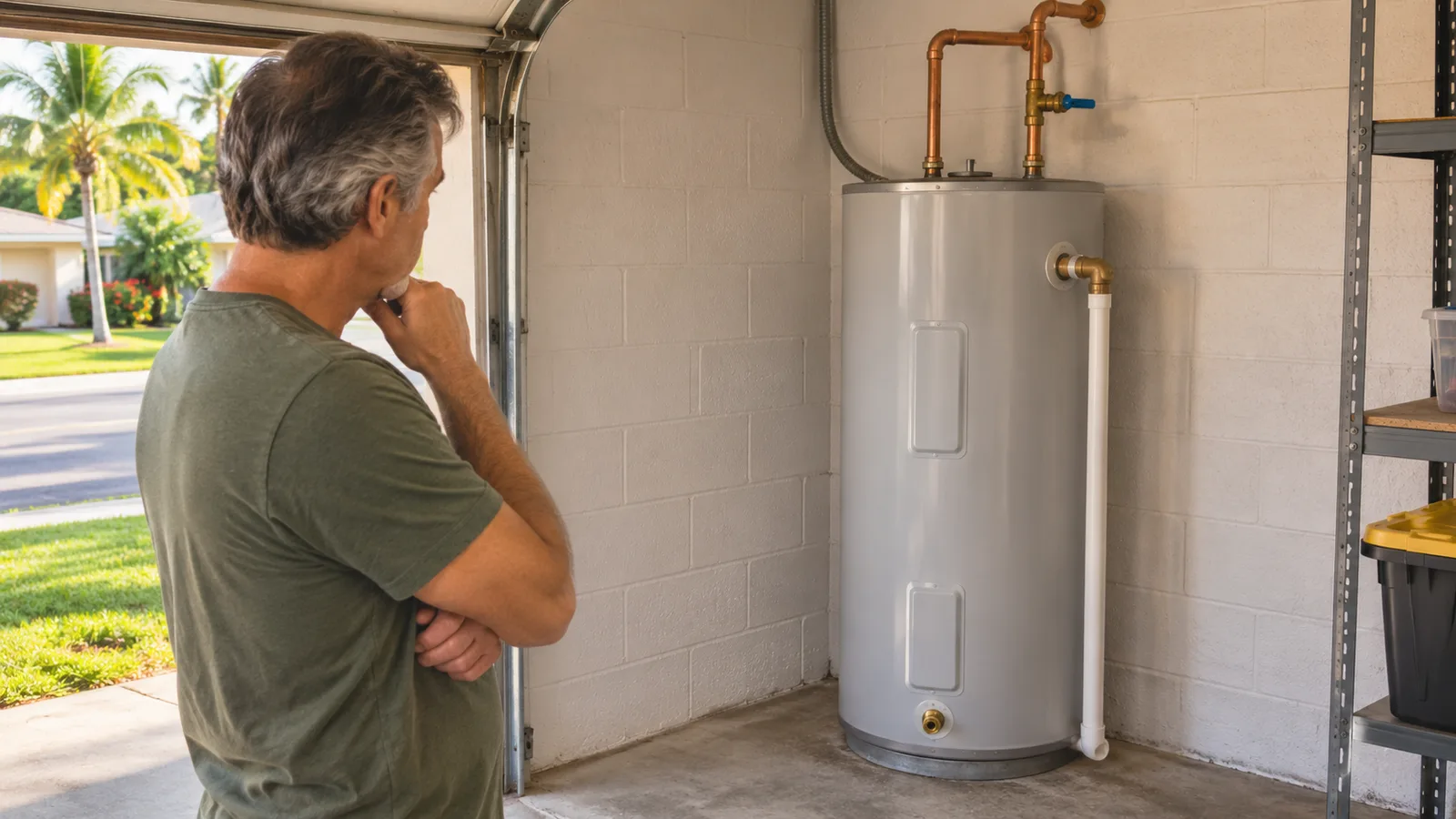
| Plumbing | Water heater relief valve, leaks, fixture connections, pipe types | Water heater, under-sink plumbing, valves |
| HVAC | Working order, last service date, age, drain pan or condensate leaks | Equipment with dated manufacturer's plate |
Photos of each side of the house and every hazard are also required.
What causes a failed 4-point inspection?
The form has no pass or fail box. Problems appear as a system marked unsatisfactory, a listed hazard or a system not in good working order, and Citizens tells agents not to submit applications for homes in that state.
Items the form flags include:
- Electrical: double taps, exposed or unsafe wiring, scorching, corrosion, over fusing, cloth wiring, active knob and tube, and amperage not sufficient for current usage.
- Aluminum wiring: single-strand aluminum branch circuits need separate remediation documentation certified by a licensed electrician.
- Plumbing: an active or prior leak, or a water heater with no temperature and pressure relief valve.
- HVAC: equipment not in good working order, a leaking or blocked drain pan or condensate line, or a space heater as the main heat source.
- Roof: cracking, curling, missing tabs or tiles, soft decking or leaks. Citizens also requires shingle roofs older than 25 years, or tile, metal and similar roofs older than 50, to show at least five years of remaining useful life or a full replacement.
The form also records pipe types such as galvanized and polybutylene; ask your agent how your insurer treats them.
Which 4-point repairs need a building permit?
Most repairs that clear a 4-point are electrical, plumbing, mechanical or roofing work, which generally needs a permit. Florida Statutes section 553.79 makes it unlawful to alter or repair a building without a permit unless the law provides otherwise.
The $7,500 exemption in that section excludes electrical, plumbing, structural, mechanical and gas work on a single-family home, and any work in a flood hazard area.
| 4-point finding | Typical fix | Permit picture |
|---|---|---|
| Roof near end of life | Full reroof | Plan on a permit; see roof replacement |
| Panel hazards or low amperage | Panel replacement | Electrical, outside the exemption; see electrical panel replacement |
| Leaks or aging pipe | Repipe | Plumbing, outside the exemption |
| Old or leaking water heater | Replacement | Plumbing, outside the exemption; see our HVAC and water heater permit guide |
| A/C not working properly | Changeout | Mechanical, outside the exemption |
Small repairs may be treated differently, so confirm with your building department first. A finaled permit also documents what the form asks about each update: what, when and by whom.
Our take: A 4-point report is not a permit and never replaces one. If the inspection pushes you to replace a panel, a water heater or a roof, pull the permit and get the final inspection. Unpermitted work tends to resurface at resale or the next inspection, when it is harder to fix.
How is a 4-point different from other Florida home inspections?
A 4-point reports on four systems for an insurer. A wind mitigation inspection documents storm features for possible discounts, a roof certification reports a roof's remaining life, and a permit inspection checks new work against the building code.
| 4-point | Wind mitigation | Roof certification | Permit inspection | |
|---|---|---|---|---|
| Who asks for it | Insurer, often for older homes | The homeowner, for discounts | Insurer, for older roofs | Building department |
| Who performs it | Licensed contractor, building code inspector or home inspector | Inspector authorized by section 627.711 | Licensed contractor or roofer, building code inspector or home inspector | Local building inspector |
| What it is for | Insurability of four systems | Wind features on form OIR-B1-1802 | Roof condition and remaining life | Code compliance of the work |
| Required? | If the insurer says so | Optional | If the insurer says so | Yes, for permitted work |
The Florida Office of Insurance Regulation says the wind mitigation form is valid for up to five years absent material changes. See our wind mitigation inspection guide and our roof certification vs roof permit guide.
What does a 4-point look like when buying an older home?
The 4-point comes first, permitted repairs follow, and the application goes in last.
A buyer is purchasing a 1986 concrete block ranch in unincorporated Polk County. The house is more than 20 years old, so the agent asks for a 4-point.
- A Florida-licensed home inspector photographs the house, roof slopes, open panel, water heater and A/C data plate.
- The report marks panel amperage as not sufficient, notes scorching and records a prior leak at an aging water heater.
- The seller has a licensed electrician replace the panel and a licensed plumber replace the water heater, each under a Polk County permit.
- After both permits pass final, the inspector updates the report with each update, its date and who did it.
- The agent submits the application inside the 12-month window.
How should you prepare for a 4-point inspection?
Confirm the rules, gather records and clear access.
- Ask your agent whether a 4-point is required and which form is accepted.
- Collect dates and permit numbers for the last roof, panel, water heater, plumbing and HVAC updates.
- Clear a path to the panel, water heater, air handler and attic.
- Fix known hazards first, running each repair through the free permit checker.