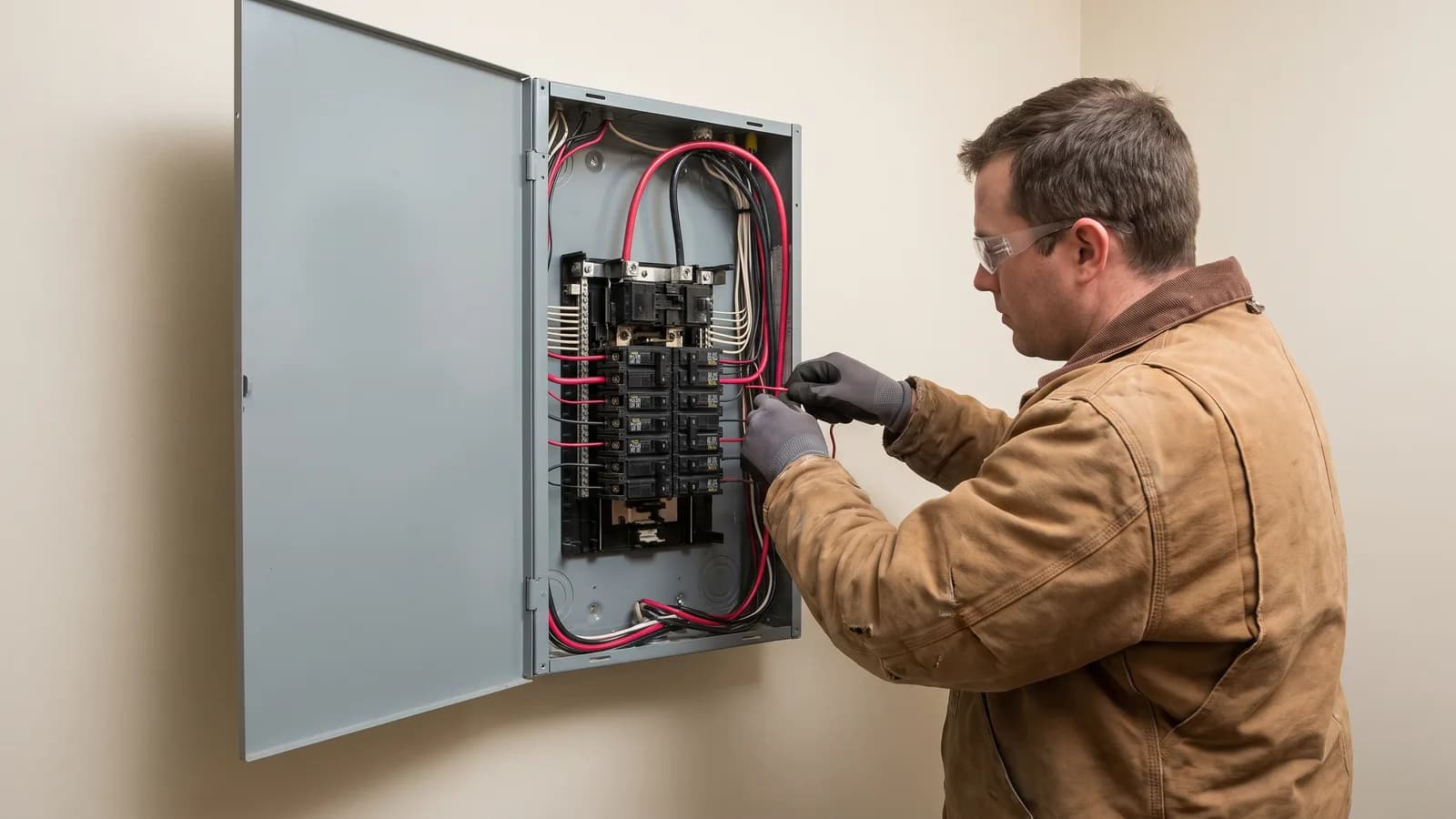
Replacing or upgrading an electrical panel in North Carolina needs a permit. State law requires a permit for the installation, extension, alteration or general repair of electrical wiring, devices, appliances or equipment, and the narrow exceptions written into that statute do not reach a service or panel change. What North Carolina does allow, unlike many states, is for a homeowner to do the work on their own property without an electrical contractor license.
Key takeaways
-
NCGS 160D-1110 requires a permit for electrical work, and its exceptions cover only lighting fixture and device replacement and a like-for-like electric water heater connection.
-
Every one of those statutory exceptions still requires a licensed person, so they are not do-it-yourself carve-outs.
-
NCGS 87-43.1(5a) exempts a person doing electrical work on their own property, for their own benefit, where the property is not intended for rent, lease or sale.
-
That exemption is from licensing, not from permitting. The permit and the inspections still apply.
-
North Carolina is enforcing the 2020 Electrical Code, which is the National Electrical Code with state amendments.
-
Do I need a permit to replace an electrical panel in North Carolina?
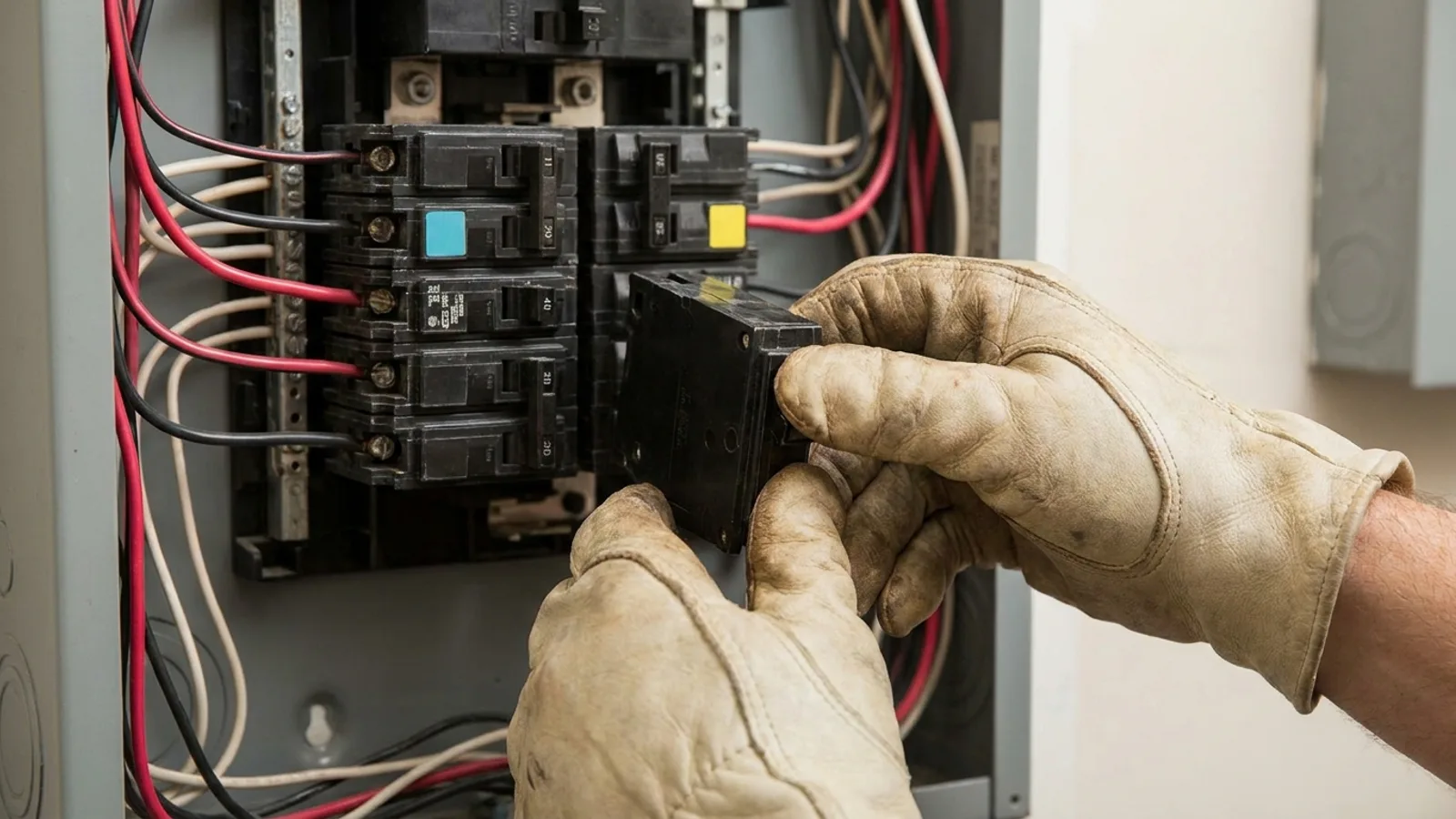
Do I need a permit to replace an electrical panel in North Carolina?
Yes. NCGS 160D-1110(a) provides that no person shall commence the installation, extension, alteration or general repair of any electrical wiring, devices, appliances or equipment without first securing all permits required by the North Carolina State Building Code and any other State or local law.
The statute contains exceptions, and it is worth knowing exactly how narrow they are. In a one or two-family dwelling no permit is required to repair or replace lighting fixtures or devices such as receptacles and switches, or to connect an existing branch circuit to a replacement electric water heater, but only where the replacement is in the same location and of the same or less capacity and electrical rating, a replacement device has the same voltage and the same or less amperage, the work is performed by a person licensed under G.S. 87-43, and the work meets the current code including the North Carolina Electrical Code.
Read the shape of that. It covers small like-for-like swaps, it requires a licensed person in every case, and nothing in it resembles a panel or service change.
Can I do my own panel work in North Carolina?
Legally, in many cases, yes. This is where North Carolina differs sharply from states with no homeowner carve-out. NCGS 87-43 requires a license to engage in the business of electrical contracting, and 87-43.1 then lists the exceptions. Subdivision (5a) exempts any person "installing, maintaining, altering or repairing electric work, wiring, devices, appliances or equipment upon that person's own property and for that person's own benefit when such property is not intended at the time for rent, lease, or sale."
Three conditions sit inside that sentence. It must be your own property. It must be for your own benefit. And the property must not be intended at the time for rent, lease or sale, which rules out work done to prepare a house for market or to fit out a rental.
Being permitted to do the work is not the same as being ready to. A service change involves the utility, the meter base, the grounding electrode system and conductors sized for the load, and getting it wrong is a fire risk rather than a cosmetic defect.
Does the exemption remove the permit?
No, and conflating the two is the most expensive mistake in this area. Chapter 87 governs who may perform the work as a business. Chapter 160D governs whether a permit is required. They are separate statutes with separate purposes, and the licensing exemption says nothing about permits.
So a homeowner doing their own panel work still applies for an electrical permit, still gets a rough inspection where anything is concealed, and still gets a final. Notice also that the statutory no-permit exceptions above all require a licensed person, which means a homeowner working under the licensing exemption cannot use them.
| Licensed electrical contractor | Homeowner under 87-43.1(5a) | |
|---|---|---|
| May do the work | Yes | Yes, on own property, own benefit, not for rent, lease or sale |
| Permit required | Yes | Yes |
| Inspections required | Yes | Yes |
| May use the 160D-1110 no-permit exceptions | Yes | No, those require a licensed person |
Which code applies to a panel upgrade?
The North Carolina Electrical Code, which the Office of State Fire Marshal's current codes page describes as an adopted version of the National Electrical Code supplemented by North Carolina amendments. That page states the 2020 Electrical Code was effective from November 1, 2021 and is currently effective, while the other 2018 codes remain in force and the 2024 suite has been delayed.
That matters on a panel job because the electrical code cycle moves faster than the building code cycle, and requirements around grounding, bonding, surge protection and circuit protection have changed between editions. Ask your inspector which edition governs your permit rather than working from whichever book is newest.
What will the inspector look at?
The rough inspection covers anything that will be concealed, and the final covers the finished, energized system. North Carolina's Administrative Code defines rough-in as being made when the parts of the electrical system that will be hidden from view have been placed, but before any wall or ceiling finish or insulation is installed.
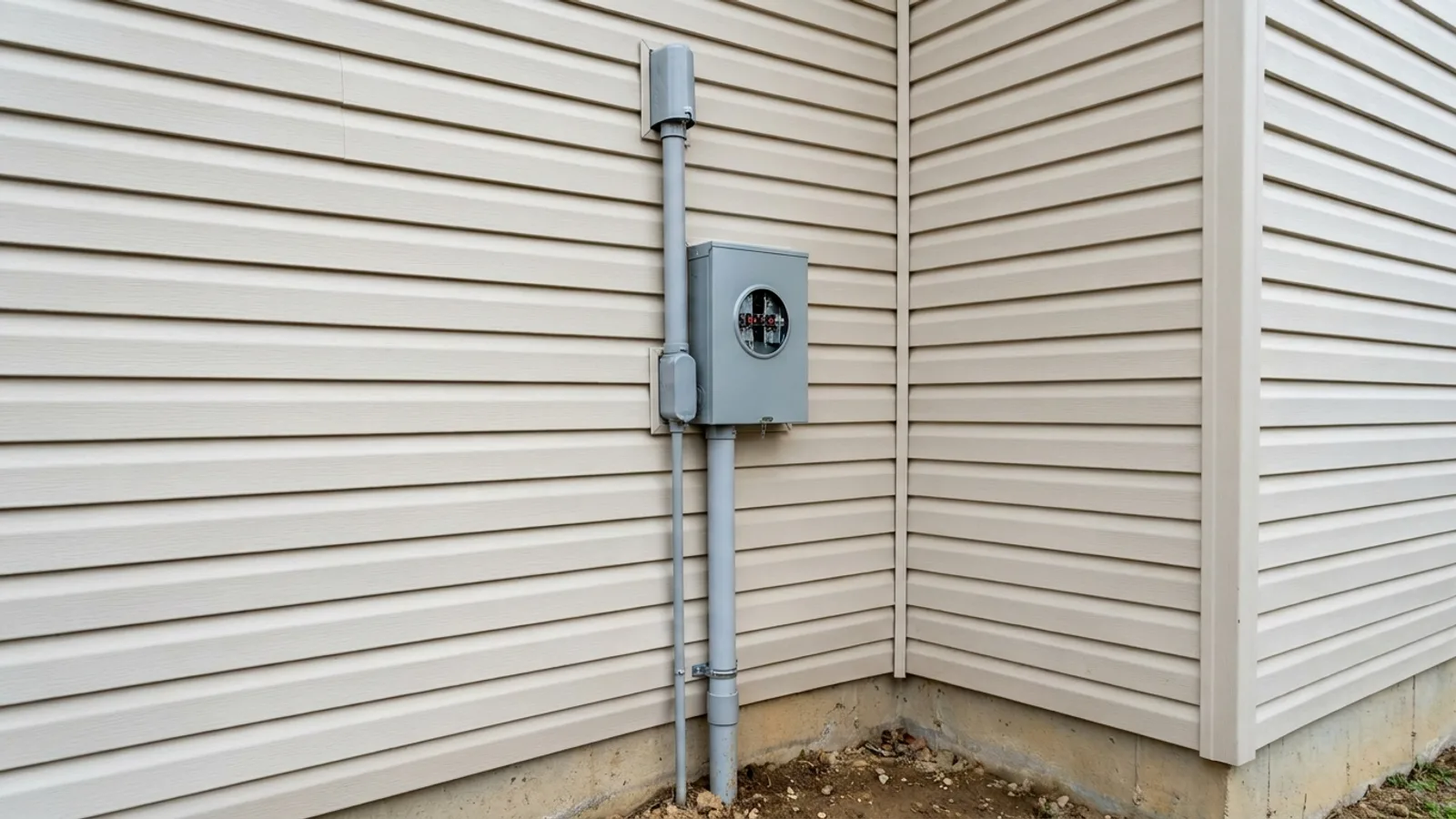
On a panel and service change the recurring items are the grounding electrode system and its accessibility, conductor and breaker sizing against the calculated load, bonding, the meter base and service entrance, working clearance at the panel, and a panel directory that actually matches the circuits. The inspection order guide covers where this sits in the sequence.
Our take: the licensing exemption is real and North Carolina homeowners should know it exists, but a service change is the wrong project to learn on. If you take it on, pull the permit first and talk to the inspector before you start, because the utility coordination and the grounding details are where self-performed panel work usually fails.
Does the $40,000 rule affect this?
It can, once the job grows. NCGS 87-1 defines a general contractor by reference to undertakings costing forty thousand dollars or more, and NCGS 87-14 requires proof of licensure or exemption, a verified affidavit where the owner exemption is claimed, and proof of workers' compensation insurance before a permit issues at that threshold.
A panel upgrade alone rarely reaches it. A panel upgrade inside a larger renovation often does, and the cost is cumulative across the project rather than per trade. The North Carolina $40,000 exemption guide covers where that line falls and what the affidavit involves.
What should I do first?
Get a load calculation for the service you actually need rather than defaulting to a round number. Confirm whether your department will issue an electrical permit to a homeowner, since the licensing exemption does not oblige them to. Coordinate with the utility early, because a service change needs their disconnect and reconnect.
Then run the free permit checker for your county, read how to find your North Carolina building department, and check the details for your North Carolina county.