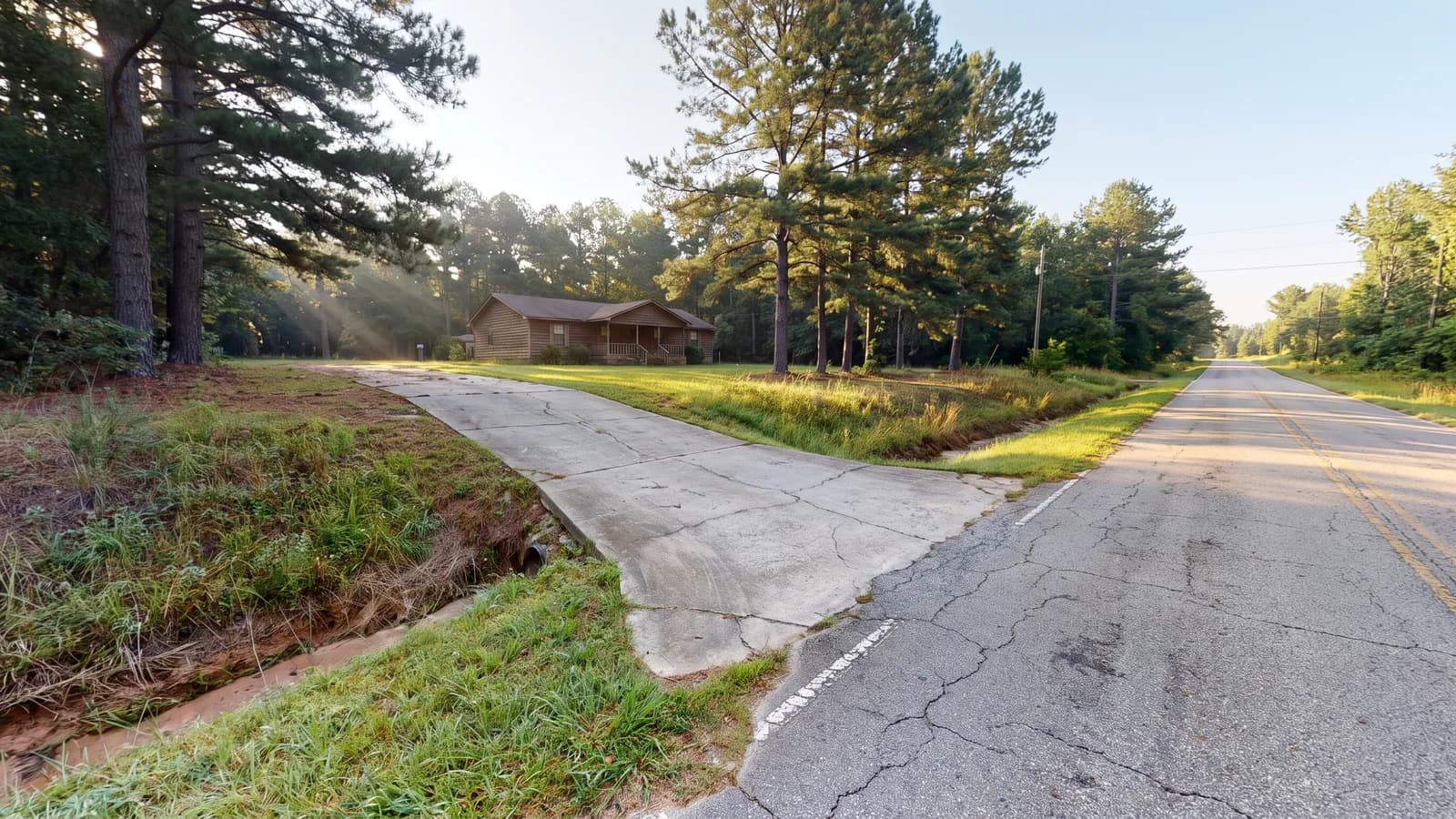
Whether your driveway needs a permit in North Carolina depends first on which road it connects to. A driveway meeting a state-maintained highway needs a driveway permit from the NCDOT District Engineer. A driveway onto a city or county street is a local matter. And a paver patio behind the house is a third question again, answered by zoning and, in twenty coastal counties, possibly by CAMA.
Key takeaways
-
Anyone developing property, expanding it, changing its use, or altering existing access to the State Highway System must obtain an NCDOT driveway permit.
-
NCDOT charges no fee to apply, though inspection and plan review services can carry charges.
-
Simple requests are typically processed in four weeks or less, complex ones in eight weeks or more.
-
Contact the local land use authority first, and the District Engineer early rather than late.
-
In the twenty CAMA coastal counties, work in an Area of Environmental Concern needs a CAMA permit on top of anything else.
Who permits a driveway in North Carolina?
Whoever maintains the road you are connecting to, and that single question routes the whole project.
If the road is state-maintained, it is NCDOT. The department's driveway permit guidance describes the permit as the document used to record that any development requesting access to the state's public highway system is designed, located and constructed to minimum State standards, and states that anyone who plans to develop property, redevelop it through expansion, change the use, or alter existing access must obtain one to obtain or modify access to the State Highway System.
If the road is a city street or a county-maintained road, the permit comes from that local government, usually through public works or engineering. Either way it is separate from any building permit.
What does the NCDOT permit cover, and what does it cost?
More than the apron. NCDOT states that the process normally addresses all aspects of traffic flow and safety, including design, drainage, traffic impacts and motorist safety for the specific access request.
On cost, the department states that no fee is charged by NCDOT for applying for a driveway permit, though some charges may be incurred for services such as inspections and traffic signal plan review. That is a friendlier position than many states, and it is not the same as saying the project is free, since any roadway improvements required to mitigate the impact of your access fall to you.
You obtain the permit from the local NCDOT District Engineer's office, and a permit application is limited to a single county so it routes to the right district.
How long does it take?
Longer than most homeowners plan for. NCDOT states that timing varies with the magnitude and complexity of the request, that small or simple requests are typically processed in four weeks or less after formal submittal to the local District Engineer's office, and that a complicated or complex request could take eight weeks or more.
The department's own advice is the useful part: make initial contact with local authorities and the District Engineer in the very early stages of any anticipated request. Contact the local government that controls land use approvals first, then bring NCDOT in while the design is still movable.
| Project | Who permits it | The question being asked |
|---|---|---|
| New or altered access to a state-maintained road | NCDOT District Engineer | Design, drainage, traffic impact, motorist safety |
| New access to a city or county road | Local public works or engineering | Right-of-way encroachment, apron, drainage |
| Resurfacing an existing drive in place | Often nothing, but confirm | Whether access or grade is changing |
| Paver patio or walkway on the lot | Local zoning, sometimes building | Setbacks, lot coverage, impervious surface |
| Any of the above in a coastal AEC | Also a CAMA permit officer | Development in an Area of Environmental Concern |
Do pavers and patios need a permit?
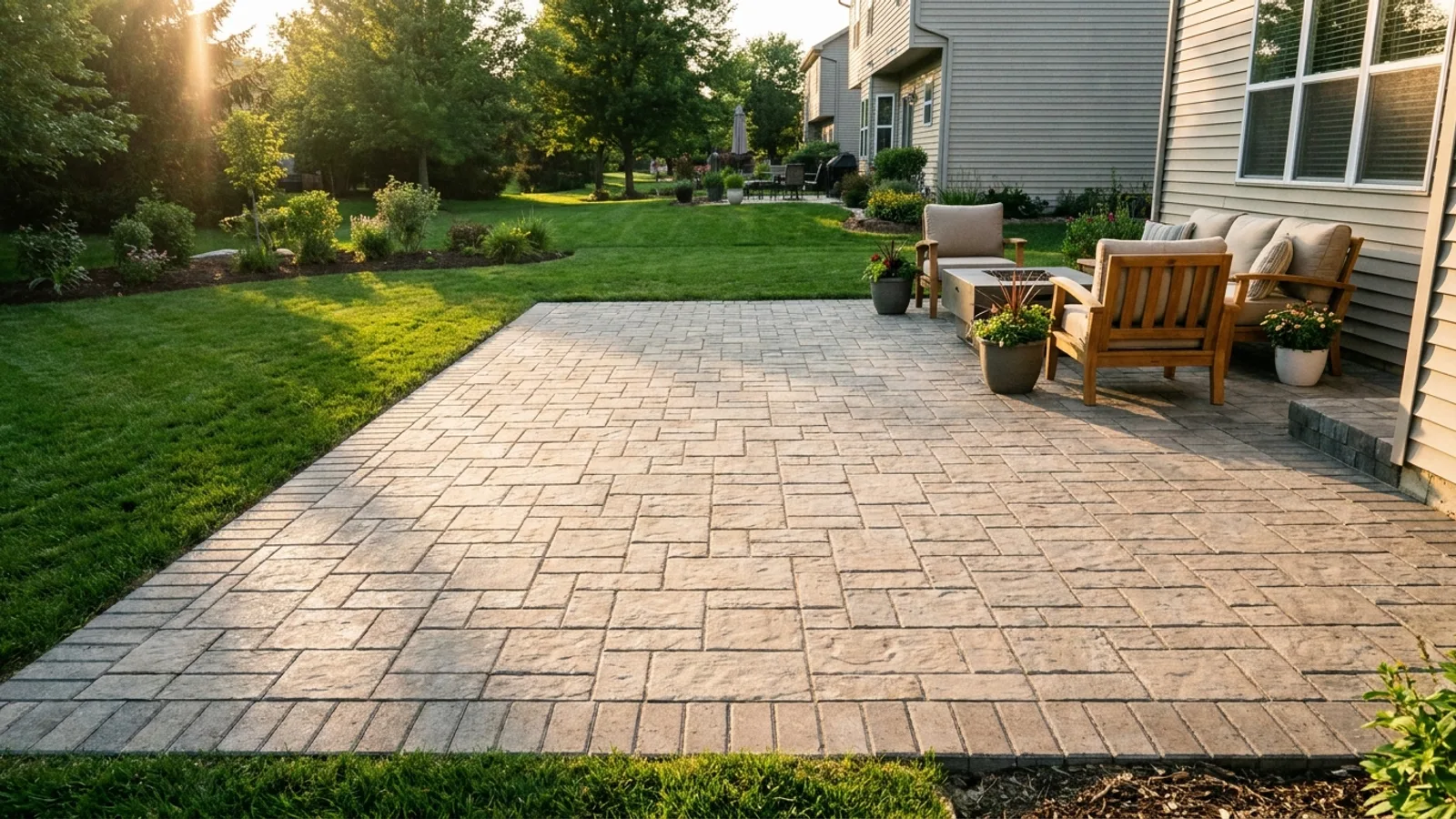
That is a local question, and it usually turns on the lot rather than the paving. Setbacks, maximum lot coverage and impervious surface limits are zoning standards, and a patio can count toward them. Under NCGS 160D-403(a) no person may commence or proceed with development without first securing any required development approval, and that approval must be in writing.
Add a structure and the answer changes. A pergola, a roof or anything with footings generally pulls in a building permit and its inspections. The setbacks and zoning guide covers how the two approvals interact, and the pavers and hardscape project page covers the project itself.
What about the coast?
North Carolina adds a layer that most states do not have. The Coastal Area Management Act designates twenty coastal counties by statute, and development within an Area of Environmental Concern requires a CAMA permit in addition to any local approval. CAMA defines development broadly enough to include excavation, filling and land clearing, so a driveway or a paved area can qualify where an interior remodel would not.
Keep the scale honest. Areas of Environmental Concern cover almost all coastal waters but only a small share of the land, so most homes in a coastal county are unaffected. The triggers worth self-checking are proximity to water: within 75 feet of the normal high water line along an estuarine shoreline, within 30 feet of the normal water level of designated inland fishing waters, or within 575 feet of the mean high water line of an Outstanding Resource Water. CAMA minor permits are issued by a local permit officer, often in the same office as your building permit.
Our take: make the road call before you draw anything. Homeowners routinely design a driveway, then discover the access itself needs NCDOT approval that takes a month, or that the entrance cannot go where they wanted at all. One phone call to the District Engineer at the sketch stage saves the redesign.
What about drainage on my own land?
Worth taking seriously even where no permit applies. Paving turns ground that absorbed water into ground that sheds it, and the water has to go somewhere. Directing runoff onto a neighbour is a civil problem no permit protects you from, and grading that traps water against a foundation is a problem you inherit.
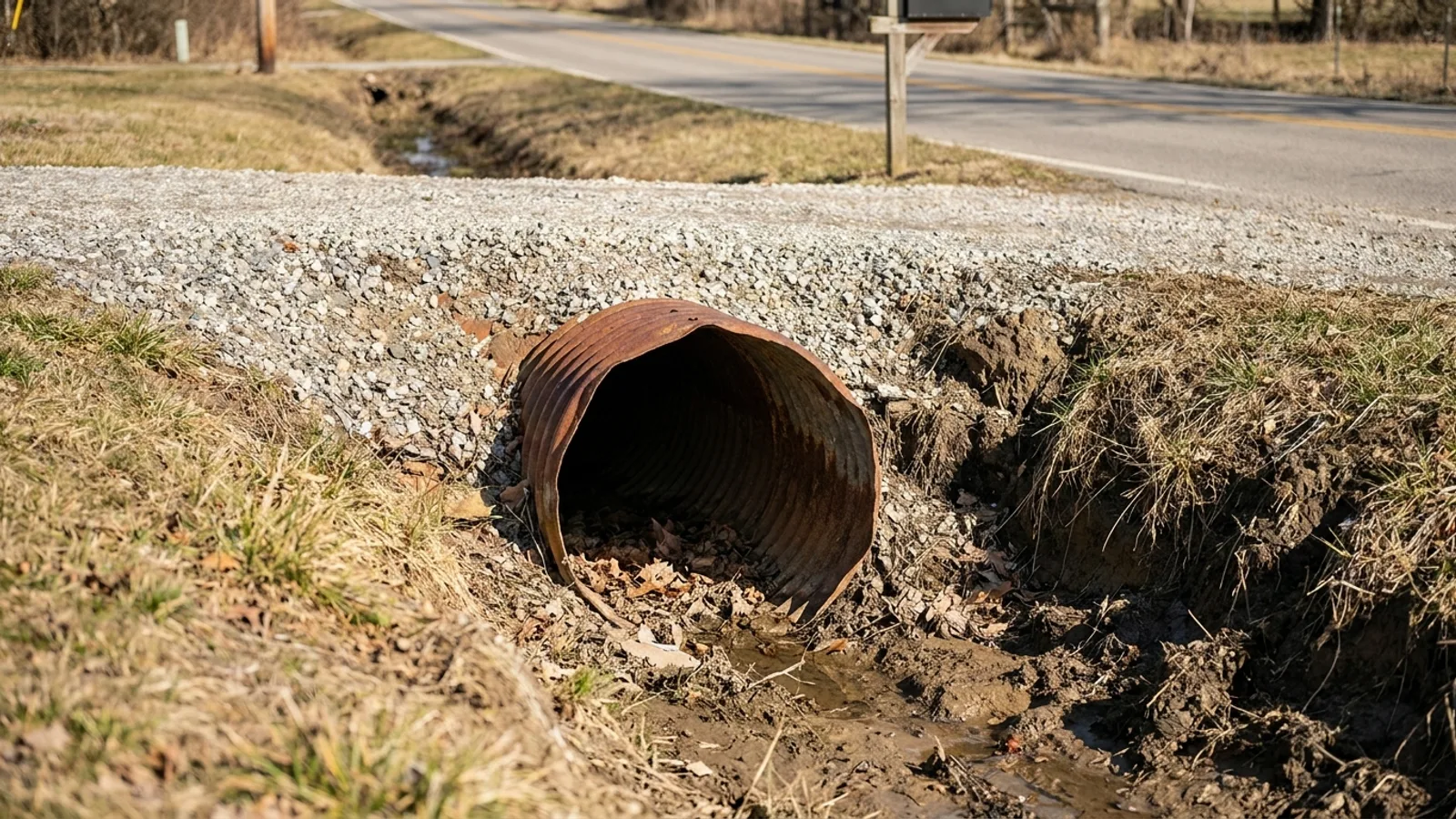
Plan the fall before the base goes down, keep the outfall on your own property, and if a pipe under the drive is involved, size it with the office that will inspect it rather than by eye.
What should I do first?
Identify who maintains the road. If it is state-maintained, call the NCDOT District Engineer for your county and ask about the driveway permit process and current timing. If it is a local street, call city or county public works.
Then handle the lot separately. Confirm your setbacks and any lot coverage or impervious surface limit with planning, and ask whether a patio counts toward them. If you are in a coastal county, ask whether your parcel touches an Area of Environmental Concern.
Run the free permit checker for your project and county, read how to find your North Carolina building department, and check the details for your North Carolina county.