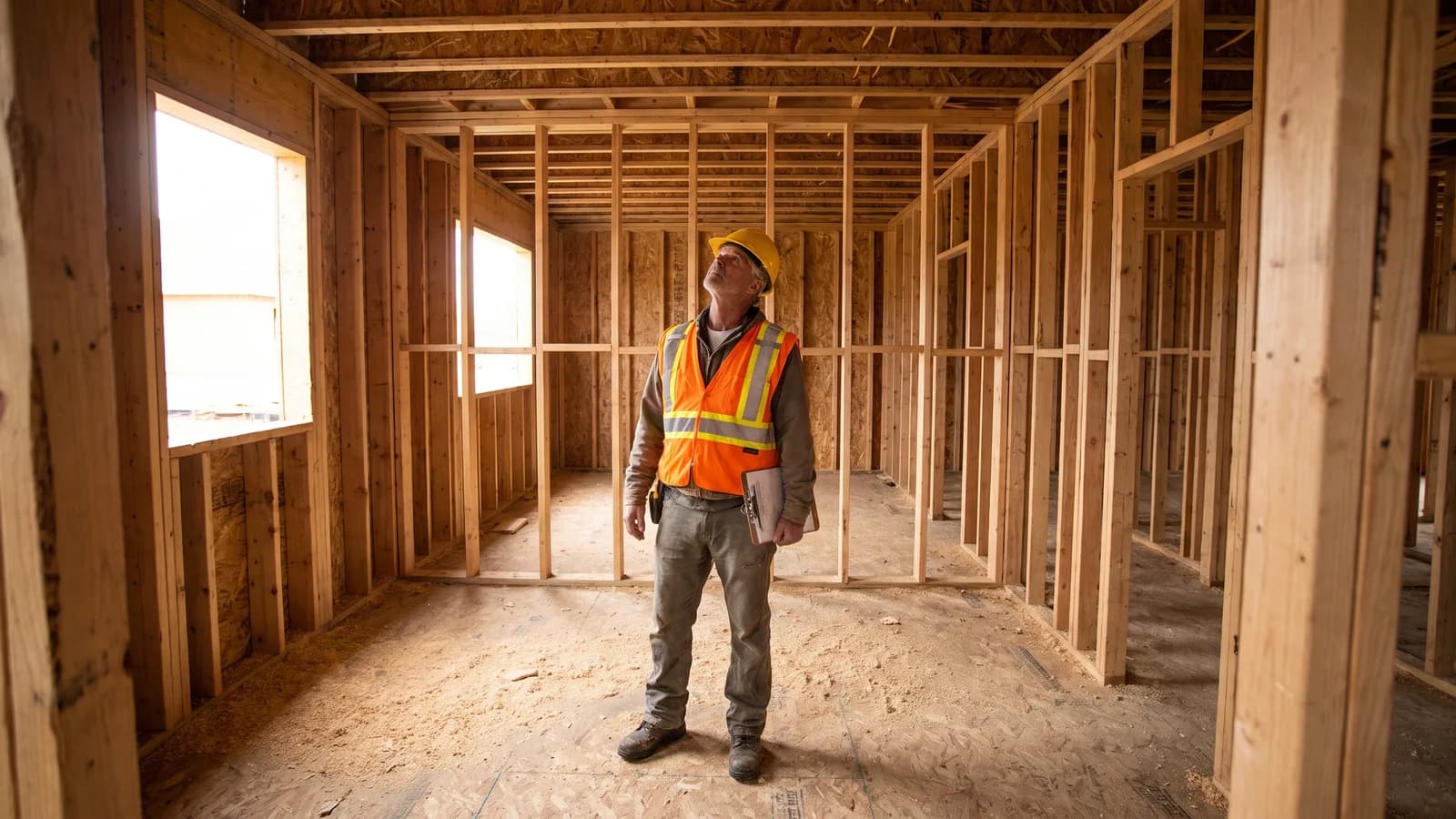
Building inspectors in Georgia check that the work matches the approved permit and the Georgia State Minimum Standard Codes, one construction stage at a time, before anything gets covered up. What surprises most homeowners is that Georgia has no statewide list of required inspections. The state adopts the model codes but deletes the chapter that would set the inspection schedule, so the stages, and the checklist an inspector carries, come from your city or county.
Key takeaways
-
Georgia deletes Chapter 1 of the International Residential Code without substitution, and that is where the model code's permit and inspection provisions sit, so each local government writes its own inspection schedule.
-
Inspections are staged around concealment. Anything that will be buried in concrete, framing or drywall is inspected before it disappears.
-
Several Georgia jurisdictions publish their inspector checklists, which is the closest thing to seeing the questions before the test.
-
Georgia's own amendments change what an inspector looks for, including exterior hose bibs, surge protection and pool barrier latch height.
-
Most inspections fail on readiness, not workmanship: an unposted permit card, a locked site, or work already covered.
-
Why is there no statewide list of required inspections in Georgia?
-
Which Georgia amendments change what an inspector looks for?
Why is there no statewide list of required inspections in Georgia?
Because Georgia removed the part of the code that would have created one. The Georgia State Amendments to the International Residential Code instruct users to "Delete Chapter 1 'Scope and Administration' without substitution," leaving it in the book only "as a reference and guide for local governments to use in the development of their own Administrative Procedures." Chapter 1 is where the model code puts permits, required inspections and work exempt from permits.
Georgia repeats the deletion in its pool and spa code amendments, so this is a pattern. The inspection schedule, the notice you owe, and the fee for a repeat visit are all local. Start by identifying which office has jurisdiction over your address.
What is checked at the footing and foundation stage?
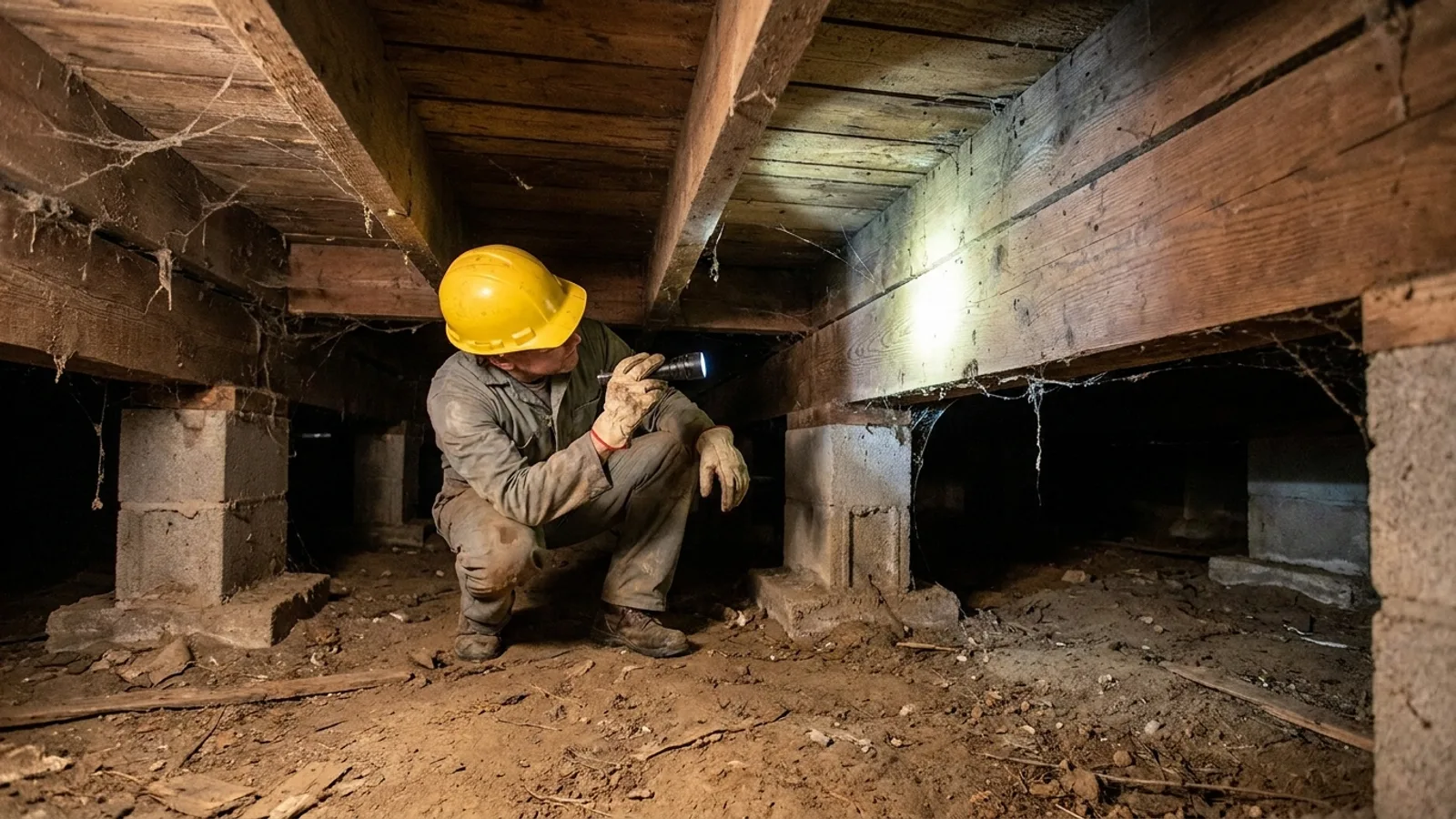
Location and structure, in that order. Before concrete is poured the inspector confirms the building sits where the approved plans and the zoning ordinance allow, then confirms the footing is deep enough, wide enough and reinforced as drawn.
Fulton County's published residential building inspection process shows how seriously the location half is taken. If the structure is within five feet of a required setback, a separate footing survey, known locally as a box check, is required, and the builder must flag all pin corners and setback lines first. Fulton warns that failing to provide it becomes "a primary consideration by the Board of Zoning Appeals in whether or not to grant any future variance request," which is worth reading alongside how setbacks differ from the building permit. Dawson County's checklist adds the structural items: footing size and depth, steel reinforcing, grade, compaction, the slab vapor barrier, and the concrete-encased grounding electrode commonly called a UFER ground.
What does a framing or building rough inspection cover?
The skeleton, plus everything that keeps fire from moving through it. Inspectors check anchor bolts, header straps, lateral connectors such as hurricane ties, header and beam sizing, rafter and joist spans, truss placement, shear wall nailing, and nail plates protecting wires and pipes passing through studs. They also check life safety items that are cheap to fix now and expensive later: emergency escape openings in sleeping rooms, safety glazing, stair rise and run, headroom, ceiling height, roof ventilation and insulation baffles at the eaves. In Fulton County the building rough is a two-part inspection, with fire blocking, draft stopping and through-floor penetrations on the first visit and insulation on the second.
What do the trade rough inspections check?
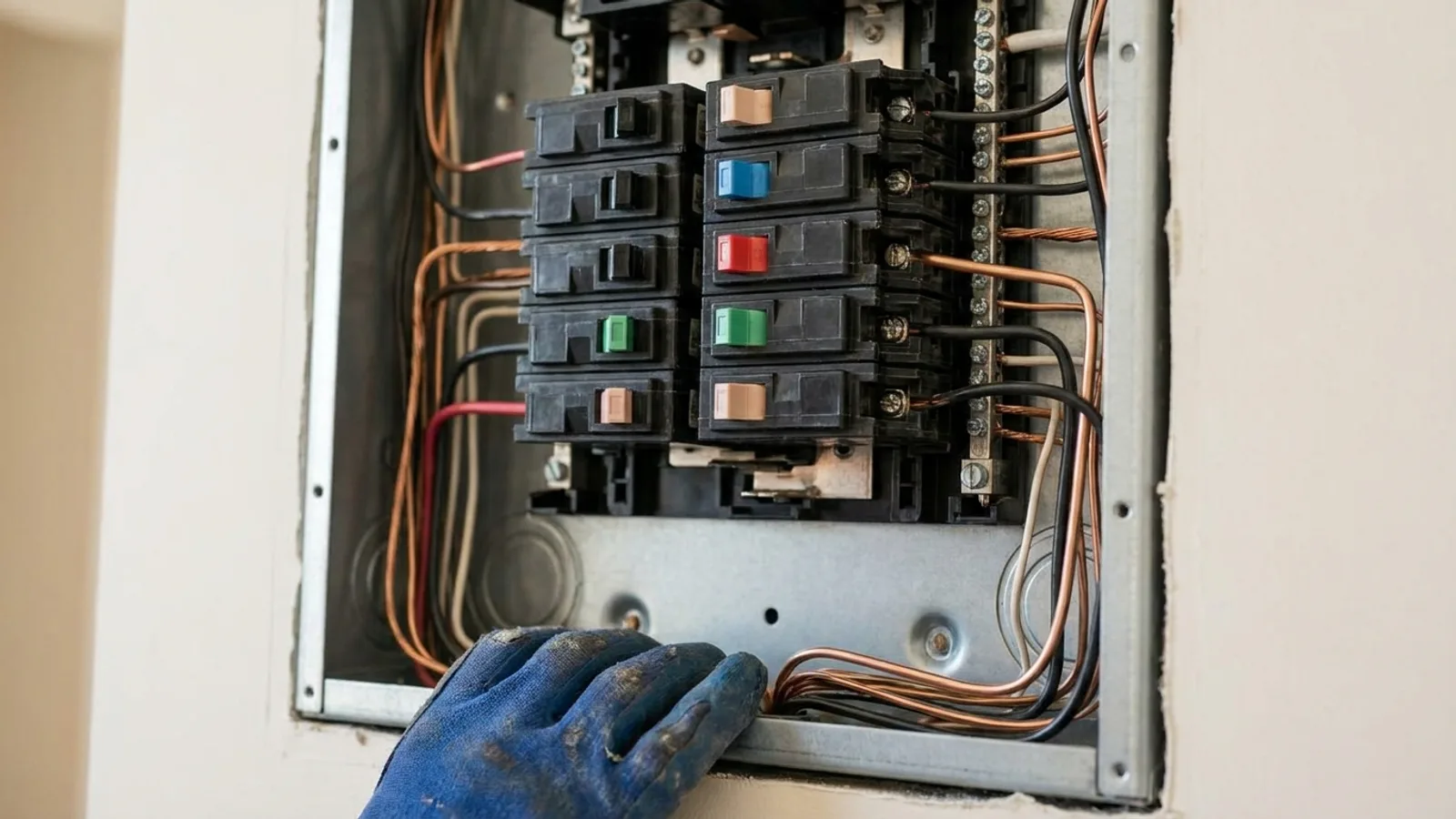
Pressure, protection and position. Each trade proves its system holds before it is concealed, and plumbing rough is a real test. Dawson County's checklist specifies a water line pressure test and a gas line air test, plus piping materials, support, slope, vent and trap installation, nail guards and the gas shutoff valve location. Fulton states plainly that the building must be leak free or a plumbing rough will not be provided. Electrical rough covers the grounding electrode, wire size, nail guards, outlet spacing, alarm locations, kitchen circuits and panel location. Mechanical rough covers duct support and insulation, the furnace installation, access and the condensate line.
What is checked at the final inspections?
Whether the finished house is safe to occupy and matches the permit. Finals are split by trade.
| Stage | What the inspector is confirming | Have this ready |
|---|---|---|
| Footing and foundation | Setbacks, footing size and depth, reinforcing, grounding electrode | Survey or box check if near a setback, forms set, steel tied |
| Rough building and trades | Framing, fire blocking, pressure tests, nail guards, alarm locations | Systems under test, nothing covered, site accessible |
| Insulation and energy | Insulation installed to the approved values, baffles at eaves | Insulation affidavit or certificate |
| Finals | Roofing, guardrails, safety glazing, GFCI and arc fault devices, appliances operable | Power and water on, address visible, paperwork on site |
Dawson County's final list includes items homeowners rarely anticipate: drip edge, roof flashing, garage door sensors operable, a solid core door from the garage into the house, a visible street address, an insulation affidavit and a Georgia Energy Code Compliance Certificate.
Which Georgia amendments change what an inspector looks for?
Several. Georgia adds Section R326.5 requiring one and two-family dwellings to have not fewer than two exterior hose bibs, with one on the side or rear. Its amendments to the 2023 National Electrical Code exempt one and two-family dwellings from the surge protective device requirement at services and feeders. Georgia deleted the residential code's window fall protection section, and set the residential pool barrier latch release height at not less than 54 inches, the same as public pools.
This is why you ask which edition your jurisdiction enforces rather than assuming. Local checklists lag code cycles: Dawson County's states that 2018 IRC codes shall be followed and lists Type 1 or 2 surge protection at final electrical, the item Georgia's current amendments except for one and two-family dwellings.
What actually makes an inspection fail?
Readiness, more often than workmanship. Fulton requires the county-issued permit card, not a photocopy, at eye level in a weather-tight box accessible from the public right of way, and states the rule bluntly: no permit card posted means no inspections. The rest is mundane: a locked site, the water off, the system already covered, the work not finished.
So work the sequence, not the calendar. Confirm the inspection list and whether it must be followed in order, ask how visits are booked, then run the free permit checker for your county and read the Georgia permit process. For electrical work, start with the panel upgrade guide or the page for your Georgia county.
Our take: treat your jurisdiction's published checklist as the answer key, because that is what it is. Download it before work starts, hand a copy to your contractor, and walk the list yourself the day before each inspection. The homeowners who get surprised are the ones who never asked what would be checked.