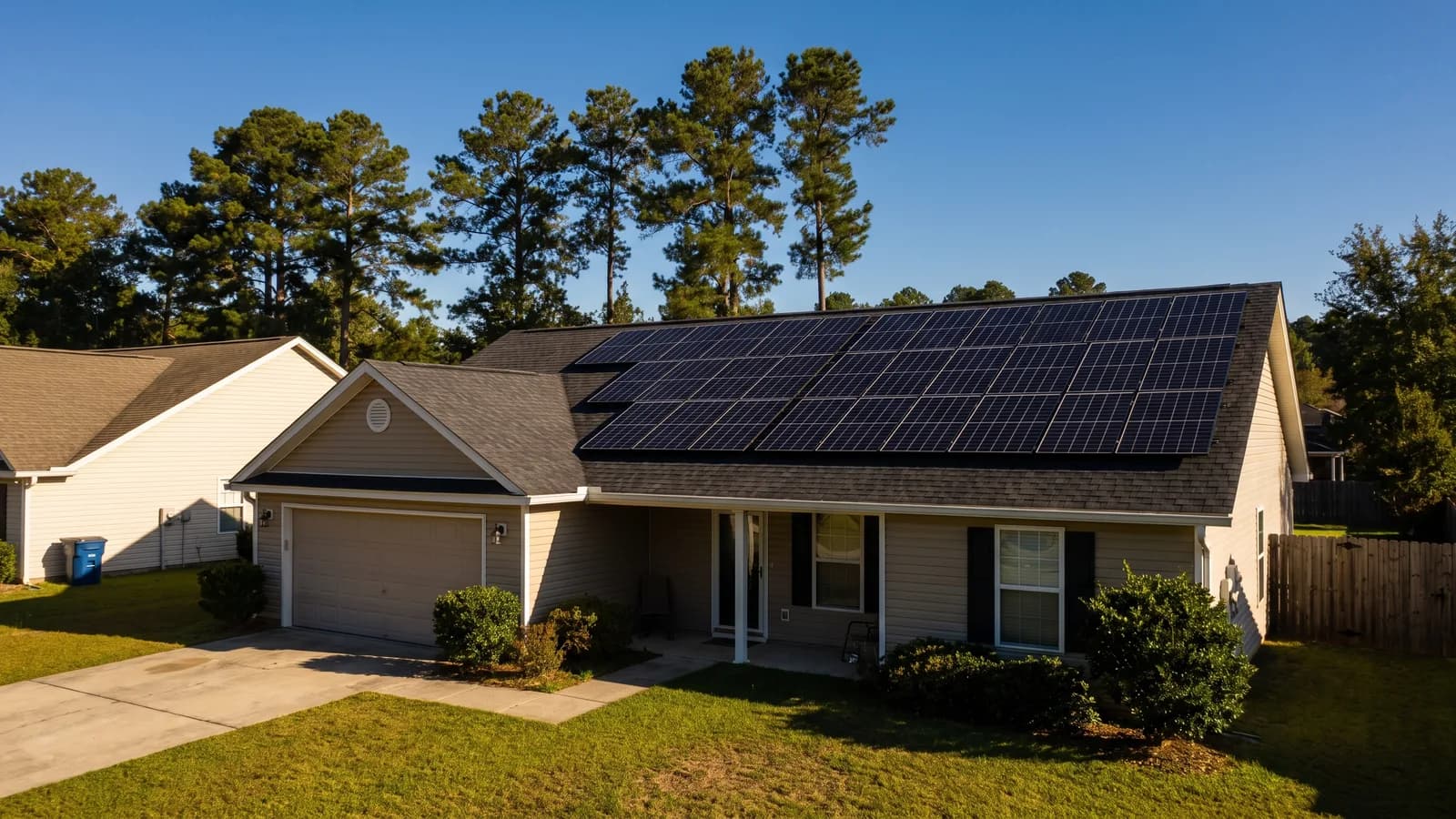
A grid-connected solar installation in North Carolina needs a local electrical permit, and the utility will not let you turn the system on without proof of it. Duke Energy's North Carolina interconnection procedures require the customer to have the generating facility inspected by the local electrical wiring inspector, and require a copy of the signed electrical permit to be sent in as a condition of interconnection. The permit is not paperwork you can skip and sort out later.
Key takeaways
-
Duke Energy's Certificate of Completion carries a line for the local electrical wiring inspector's signature, and the signed electrical permit must be sent in as a condition of interconnection.
-
You have no right to operate in parallel with the utility until a witness test is performed or waived.
-
The utility must complete that witness test within ten business days of receiving the Certificate of Completion, or it is deemed waived.
-
North Carolina lets a homeowner do electrical work on their own property without a contractor license, but the permit and inspections still apply.
-
The simplified interconnection path is built around inverter-based systems no larger than 20 kW.
Do I need a permit for solar panels in North Carolina?
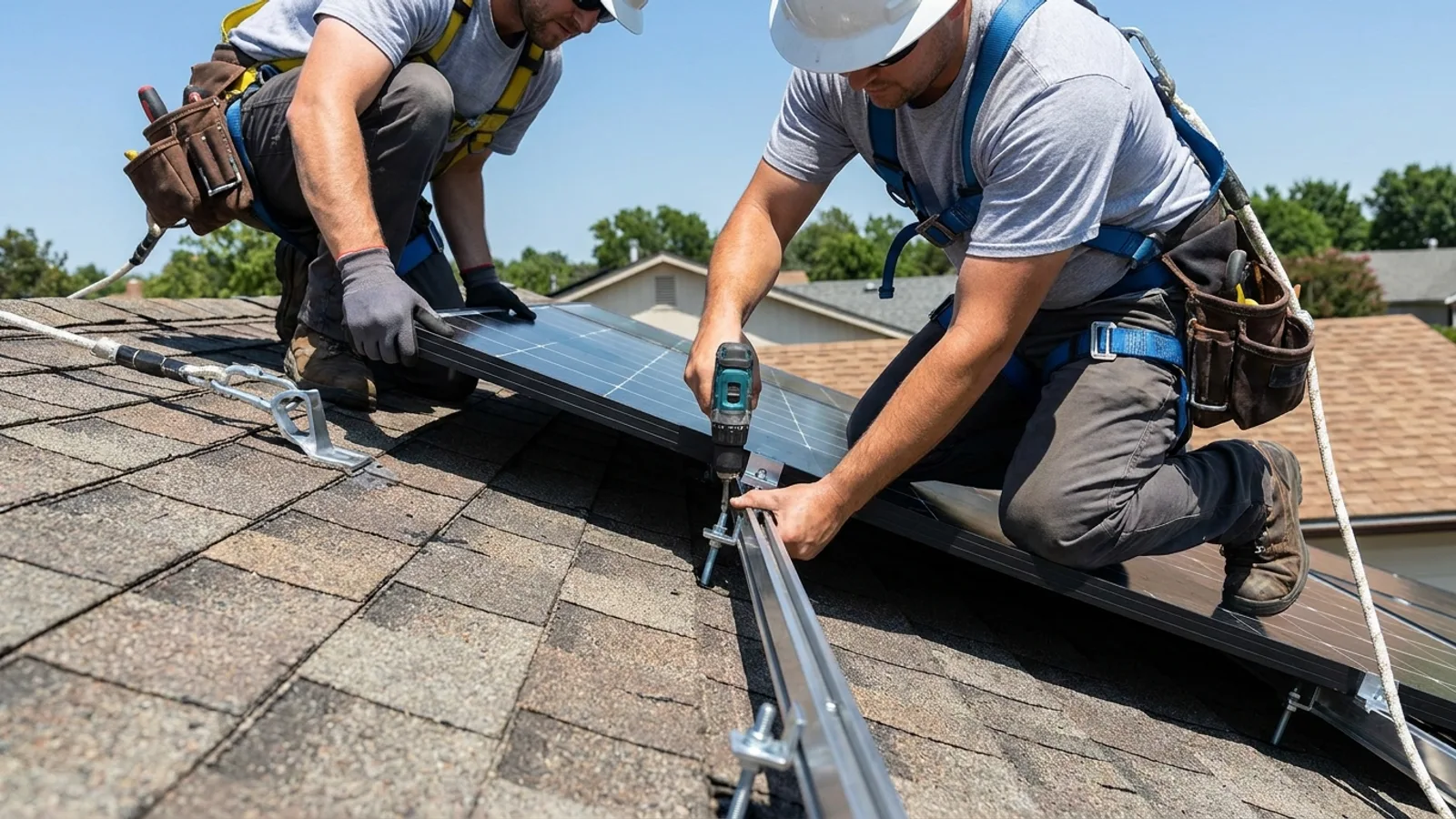
Yes, in any practical case. NCGS 160D-1110(a) requires a permit before commencing the installation, extension, alteration or general repair of electrical wiring, devices, appliances or equipment, and a rooftop array is all of those. Its narrow exceptions cover lighting fixture and device replacement and a like-for-like electric water heater connection, and none of them describe a photovoltaic system.
Many installations also raise a structural question about attachment to the roof, and some jurisdictions review that alongside the electrical work. Start on the solar panels project page and confirm the office covering your parcel.
Why does the utility care about my permit?
Because its own process is built on it. Duke Energy's North Carolina interconnection procedures state that upon completing construction the customer will cause the generating facility to be inspected or otherwise certified by the appropriate local electrical wiring inspector with jurisdiction, and then return the Certificate of Completion to the utility.
The Certificate of Completion form itself makes this concrete. It carries a line reading that the generating facility has been installed and inspected in compliance with the local building and electrical code of a named jurisdiction, followed by a signature block for the local electrical wiring inspector or an attached signed electrical inspection. The form then states that as a condition of interconnection you are required to send a copy of the form along with a copy of the signed electrical permit.
So the local permit is not a parallel bureaucratic track. It is an input the utility requires before your system may be connected.
What is the witness test and how long does it take?
It is the utility's own inspection before parallel operation, and it has a deadline that runs in your favour. The procedures state that the interconnection customer has no right to operate in parallel with the utility until a witness test has been performed, or previously waived on the interconnection request.
They also state that the utility is obligated to complete the witness test within ten business days of receipt of the Certificate of Completion, and that if the utility does not inspect within ten business days, or by mutual agreement of the parties, the witness test is deemed waived. Inspections are conducted by the utility at its own expense, and if a facility passes the utility provides a written statement, or tells the customer what steps are needed to pass.
That ten business day clock is worth tracking. It is one of the few points in a solar project where the timeline is defined rather than open-ended.
| Step | Who acts | The rule that governs it |
|---|---|---|
| Interconnection request | Customer or installer | Utility procedures, application fee applies |
| Install the system | Installer or owner | Local permit and NC Electrical Code |
| Local inspection | Local electrical wiring inspector | NCGS 160D-1110, state Administrative Code |
| Certificate of Completion | Customer | Signed by the local inspector, sent with the signed permit |
| Witness test | Utility | Within ten business days, else deemed waived |
| Permission to operate | Utility | No parallel operation before this |
Can I install solar on my own house?
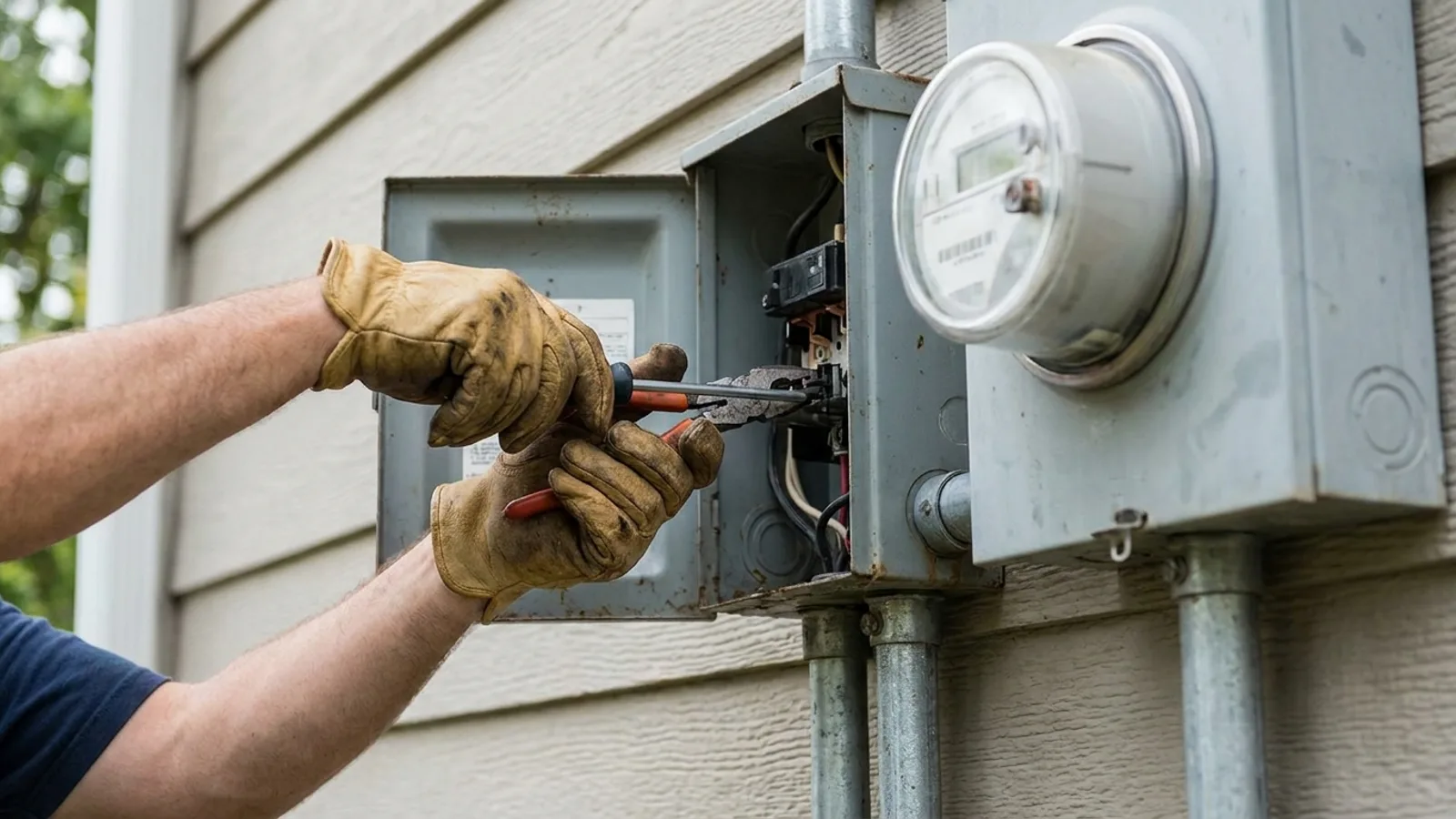
North Carolina is unusually permissive here on the licensing question. NCGS 87-43.1(5a) exempts a person installing, maintaining, altering or repairing electric work upon that person's own property and for that person's own benefit, where the property is not intended at the time for rent, lease or sale.
That exemption is about licensing, not permitting. A homeowner working under it still pulls the electrical permit and still gets inspected, and cannot rely on the no-permit exceptions in 160D-1110 because those all require a licensed person. Note too that the utility's Certificate of Completion still needs the local inspector's signature, so self-installation does not remove any step in the interconnection chain. The owner-builder guide covers the wider licensing picture.
What size system does the simplified process cover?
The streamlined path is aimed at inverter-based systems no larger than 20 kW, and Duke's forms for that route are labelled accordingly. Larger or more complex facilities move into a study process with additional review.
Sizing is also constrained by what the interconnection agreement contemplates rather than by the permit. Ask your installer which review track your proposed system falls into before you sign, because the track determines both the paperwork and the timeline.
Our take: get the interconnection request in and understand the review track before you order equipment. The permit, the local inspection and the witness test are all sequenced, and every one of them sits between your installer finishing and your system producing anything. A contract with a completion date that ignores that sequence is a contract that will slip.
Which electrical code applies?
The North Carolina Electrical Code, which the Office of State Fire Marshal's current codes page describes as an adopted version of the National Electrical Code supplemented by North Carolina amendments. The 2020 Electrical Code was effective from November 1, 2021 and is currently effective, while the 2018 codes remain in force for the other disciplines and the 2024 suite has been delayed.
Confirm the edition with your inspector, because photovoltaic requirements including rapid shutdown, labelling and disconnect provisions have moved between recent editions.
What if my utility is not Duke Energy?
Then this specific process is not yours. North Carolina is served by electric membership corporations and municipal systems as well as the investor-owned utilities, and each runs its own interconnection requirements, forms and fees.
The local building permit is unaffected, because that comes from your city or county rather than the utility. Confirm the interconnection rules with the utility whose meter is on your wall, then run the free permit checker for your project and county, read the North Carolina permit process guide, and check the office details for your North Carolina county.