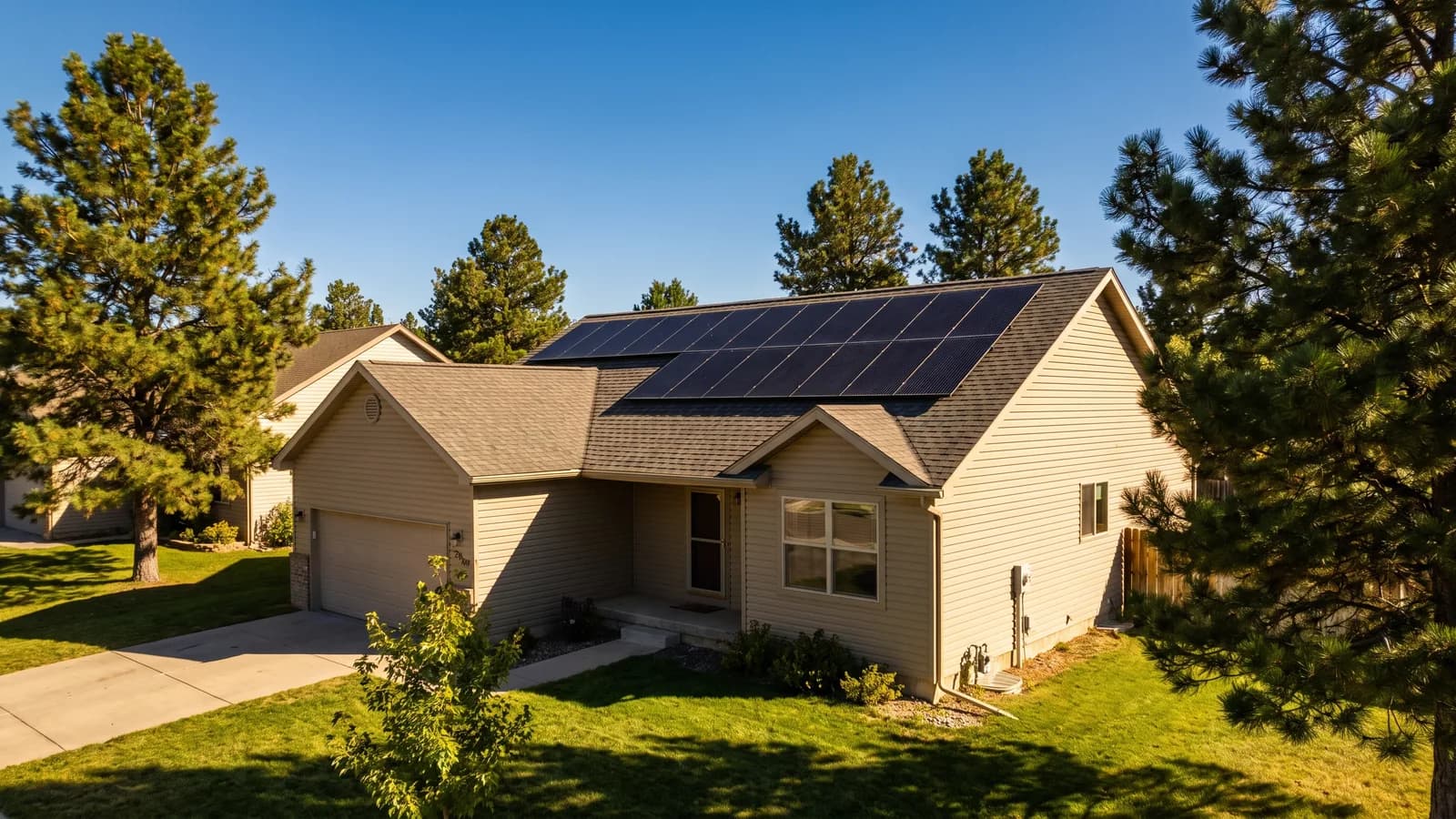
A rooftop solar installation in Georgia almost always needs a local electrical permit and inspection, and if you connect it to the grid that inspection is not optional in practice. Georgia Power requires every renewable energy and battery system to pass inspection by the local authority having jurisdiction before it may be interconnected. So even though Georgia writes no statewide permit threshold for solar, the utility supplies the enforcement the state code left to local governments.
Key takeaways
-
Georgia Power requires that all renewable energy and battery systems be inspected by the local authority having jurisdiction after installation and before interconnection to the distribution system.
-
Georgia sets no statewide list of work exempt from permits, so whether a permit is required, and what it costs, is a city or county question.
-
Georgia's amendments to the 2023 National Electrical Code do not change the articles governing photovoltaic systems, so the base national requirements apply.
-
The 10 kW figure attached to Georgia residential solar comes from two separate places, a utility tariff and a state financing statute, and neither is a permit rule.
Do I need a permit to install solar panels in Georgia?
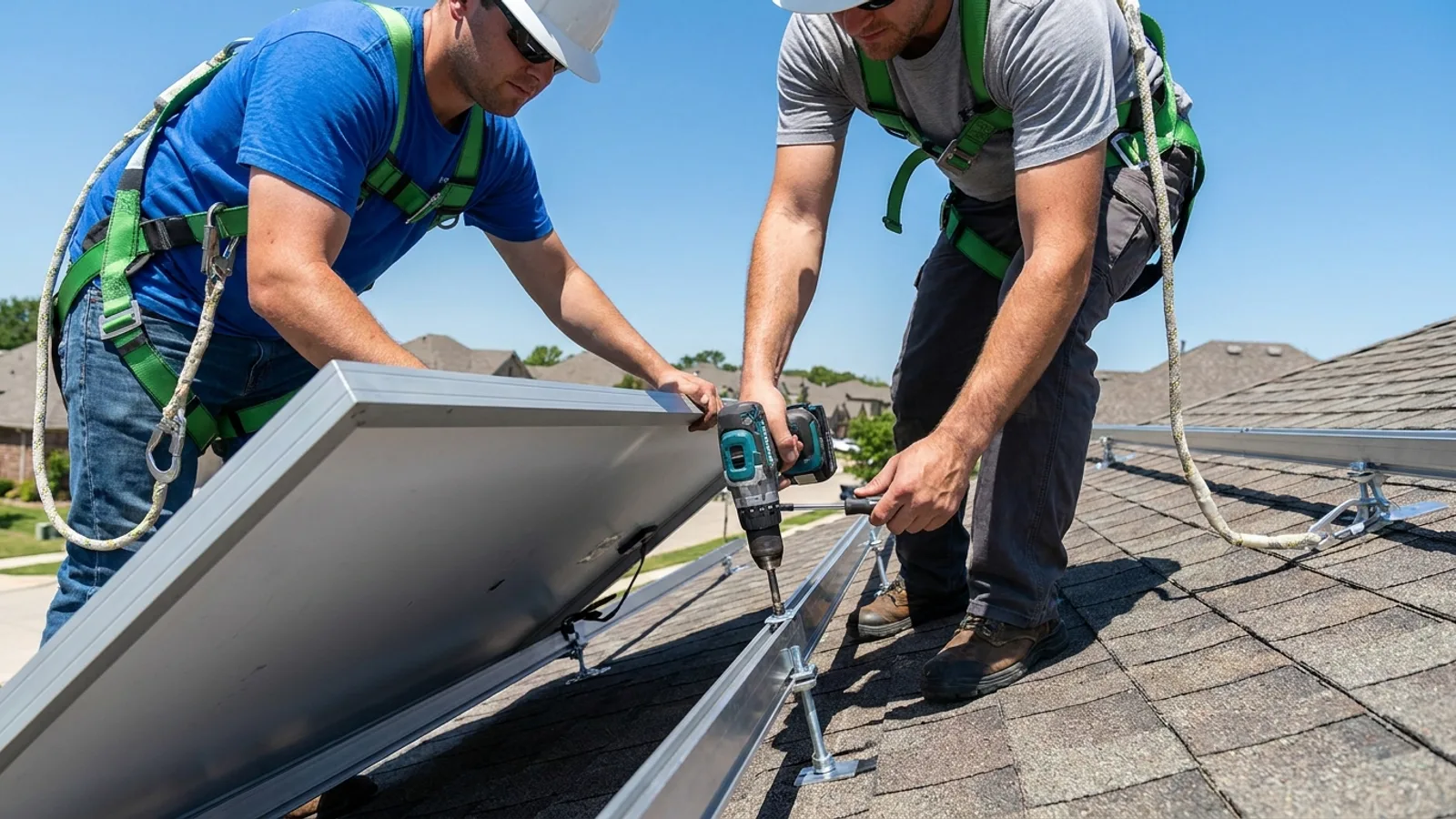
Assume yes, and confirm with your building department. Georgia adopts the International Residential Code but its state amendments delete Chapter 1 "without substitution," and Chapter 1 is where the model code lists permits and the work exempt from them. There is therefore no statewide Georgia rule saying a solar array is exempt, and none saying it is required. Each local government writes its own administrative procedures.
In practice a grid-connected array involves new conductors, a disconnect, a point of interconnection at the meter and often a service or panel change, which is permitted electrical work in essentially every Georgia jurisdiction that enforces the codes. Many also review the roof attachment. Start on the solar panels project page and confirm the office that covers your parcel.
Which electrical code applies to solar in Georgia?
The Georgia State Minimum Standard Electrical Code, which is the National Electrical Code, 2023 Edition, with Georgia amendments, listed as mandatory on the Department of Community Affairs current state minimum codes page.
The useful detail is what Georgia did not amend. The state's packet revises definitions, branch circuits, feeders, outside branch circuits and feeders, services, and health care facilities, then ends. It does not touch the articles governing photovoltaic systems, so a solar installation here is built to the national requirements and your inspector is checking those. One Georgia amendment reaches solar work indirectly: the state exempts one and two-family dwellings from the surge protective device requirement at services and feeders.
Who is allowed to do the work?
A licensed electrical contractor, in almost every real case. Georgia's owner-builder exemption at O.C.G.A. 43-41-17(h) covers general contracting on your own property. It does not reach the licensed trades, which sit in a different statute. O.C.G.A. 43-14-8 provides that no person shall engage in the electrical contracting business as an electrical contractor without a valid license from the Division of Electrical Contractors, and contains no express homeowner exemption of the kind the general contracting statute provides.
The prohibition is framed around engaging in the contracting business, so a homeowner working on their own house is not squarely addressed. Whether your department will issue a homeowner electrical permit for an array is a local decision. Ask before you buy anything. The Georgia owner-builder guide covers where that line falls.
How does Georgia Power interconnection work?
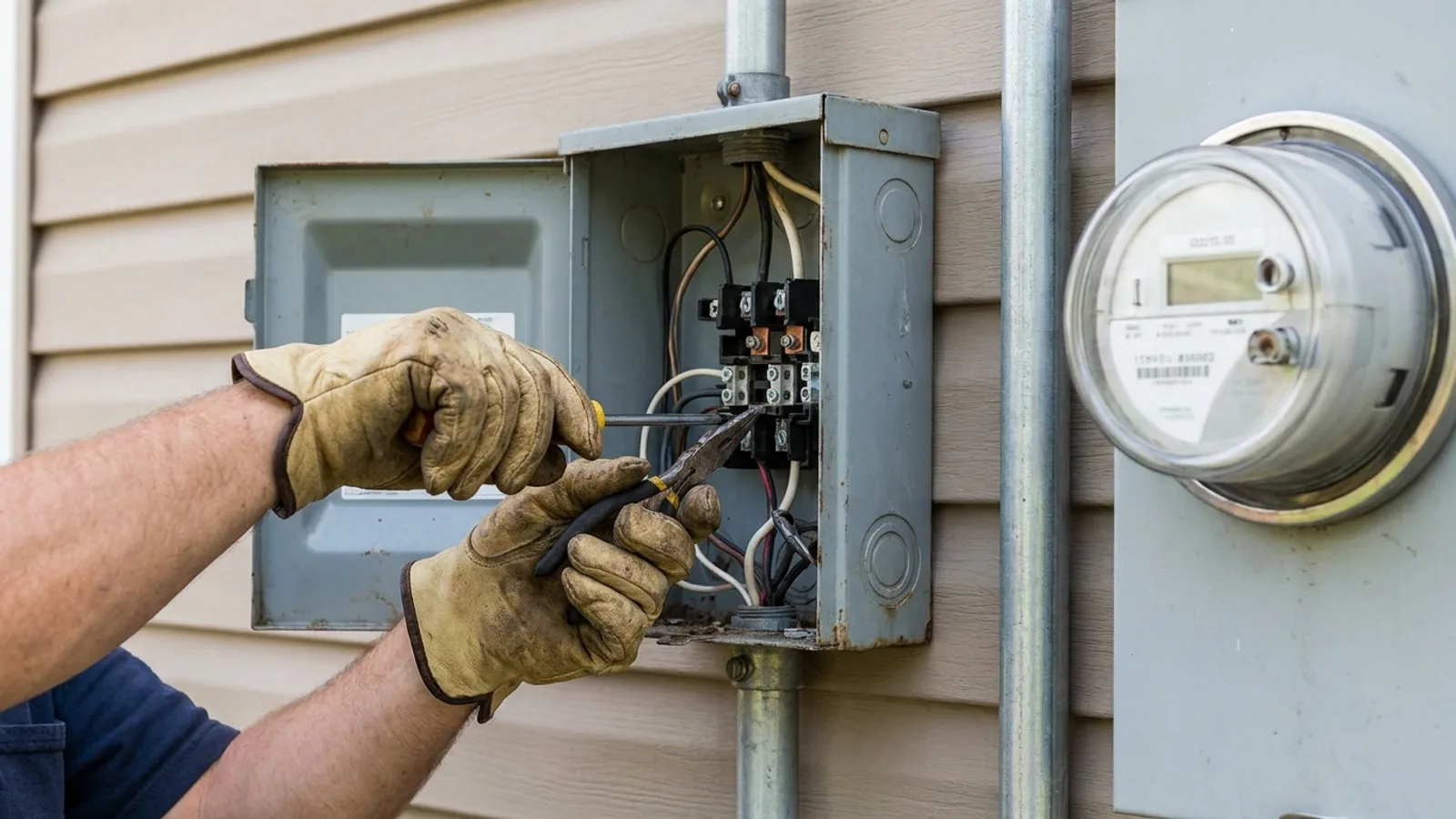
As a defined six-step process run through an online application tool. Georgia Power's behind-the-meter interconnection summary for residential customers sets it out: review the summary and related documents, submit the application, the company reviews it, both parties execute a service and interconnection agreement, the facility is installed and inspected, and witness testing leads to permission to operate.
The application asks for a one-line electrical diagram, a site plan and equipment specification sheets, with the inverter and any battery gateway showing the relevant safety listings. Hand-drawn one-line diagrams are not accepted, and there is a one-time interconnection fee. Two sequencing points matter more than the rest. Georgia Power advises customers not to purchase any facility equipment until after it reviews the application and determines how the system can be integrated with existing equipment and service. And permission to operate comes last, after witness testing, not when your installer finishes.
Why does the local inspection matter so much here?
Because the utility will not energize the system without it. The residential interconnection summary states that all renewable energy and battery systems must be inspected by the local authority having jurisdiction after installation but before interconnection to the distribution system, and that the inspection ensures National Electrical Code requirements have been met.
So the local permit is not optional paperwork. Skipping it does not produce an unpermitted but working array. It produces panels on a roof that cannot legally be connected.
What is the 10 kW limit people keep mentioning?
There are two different 10 kW figures in Georgia solar, and conflating them causes real confusion.
| Where it comes from | What it limits | Who it applies to |
|---|---|---|
| Georgia Power's Renewable and Nonrenewable Resources tariff | Eligibility for compensation for excess energy delivered to the utility, limited to residential facilities at or below 10 kW peak generating capacity | Georgia Power customers choosing that program |
| O.C.G.A. 46-3-62, Solar Power Free-Market Financing Act of 2015 | The size of solar technology that qualifies as a residential application under a solar energy procurement agreement, set at ten kilowatts | Anyone financing solar through a third party agreement |
Neither is a permit rule, and neither caps how large an array you may install. Georgia Power's other residential path, Energy Offset Only, is built for customers maximizing system size to offset their own usage and does not compensate exported energy. A customer with a system but no elected program is enrolled in it automatically.
Our take: get the interconnection application in before you sign anything with a delivery date attached. The utility review can change your equipment list and the local permit can change your schedule, and both happen before a single panel should be bought. Installers who push a contract ahead of that sequence are moving their risk onto you.
What if I am not a Georgia Power customer?
Then this process is not yours. Much of Georgia is served by electric membership corporations and municipal utilities, each running its own interconnection requirements, forms, fees and compensation programs. The local building permit is unaffected, because that is set by your city or county rather than the utility.
Before signing anything, confirm the utility that serves your address and get its interconnection process in writing. Ask your building department whether a permit is required, whether structural review applies, and whether they will issue an electrical permit to a homeowner. Check the installer's Georgia license number. Then run the free permit checker for your county, read the Georgia permit process guide, and check your Georgia county. Gwinnett's fee schedule, for example, includes a five percent permit fee reduction for residential solar.