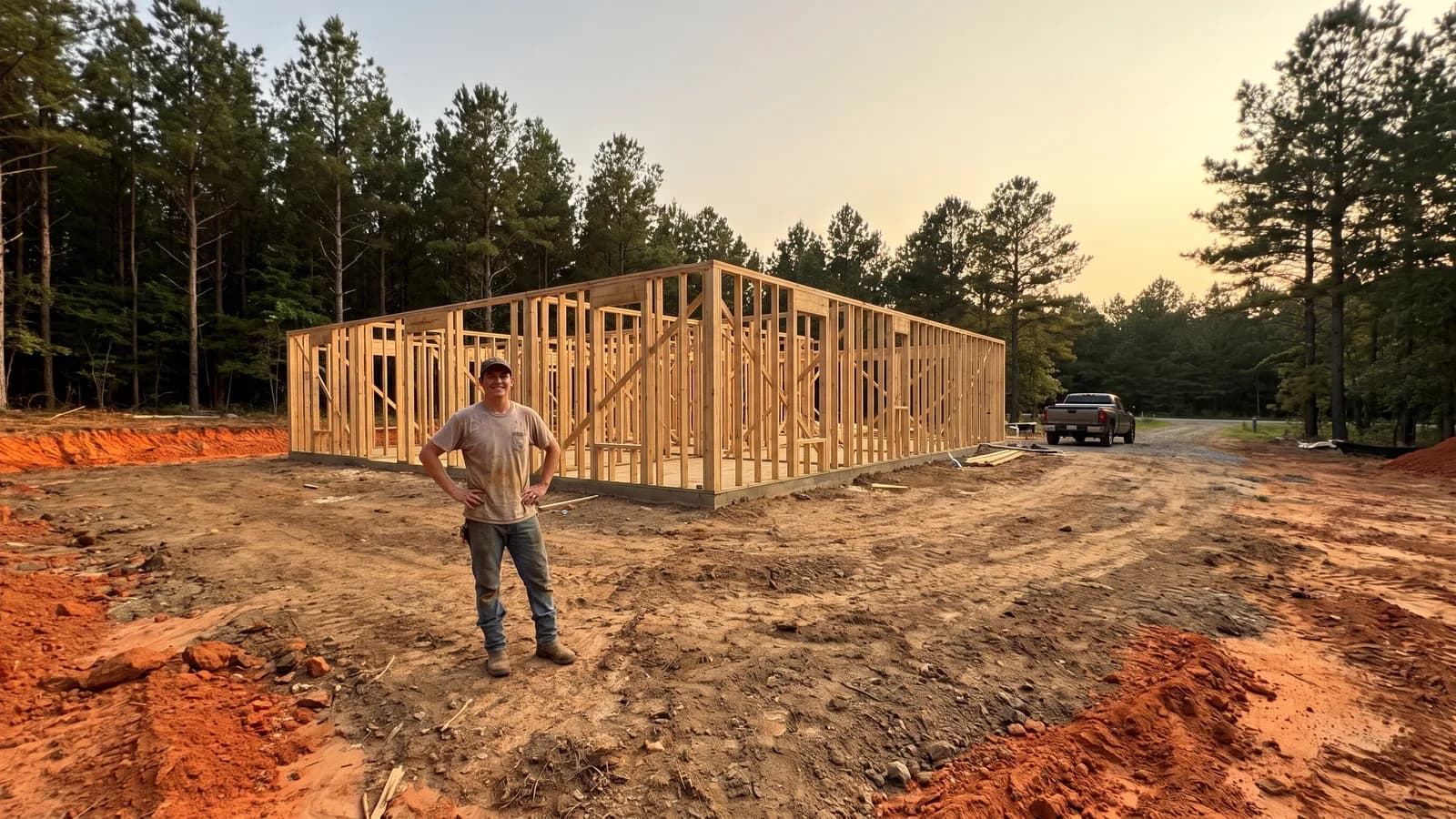
Georgia lets you build on property you own without holding a contractor license, but the exemption in O.C.G.A. 43-41-17(h) carries three conditions that decide whether it applies to you: the building has to be for your own use and not offered for sale or lease, you have to personally supervise every part of the job that a licensed contractor is not doing, and you cannot have sold a self-built structure in the previous 24 months.
Key takeaways
-
Georgia's owner-builder exemption lives in O.C.G.A. 43-41-17(h) and lets a property owner build without a residential or general contractor license.
-
The structure must be intended, upon completion, for use or occupancy solely by that person and their family, firm or corporation and its employees, not for use by the general public, and not offered for sale or lease.
-
If you sold or transferred a building you constructed without a licensed contractor within the prior 24 months, measured from the date its certificate of occupancy issued, you cannot use the exemption again until you are licensed.
-
You must personally supervise all work not performed by licensed contractors, and you cannot delegate that supervision to anyone who is not appropriately licensed.
-
The exemption removes the license requirement only. It does not remove permits, inspections, or any local ordinance, and Georgia sets no square footage or dollar limit on it.
Can I be my own contractor in Georgia
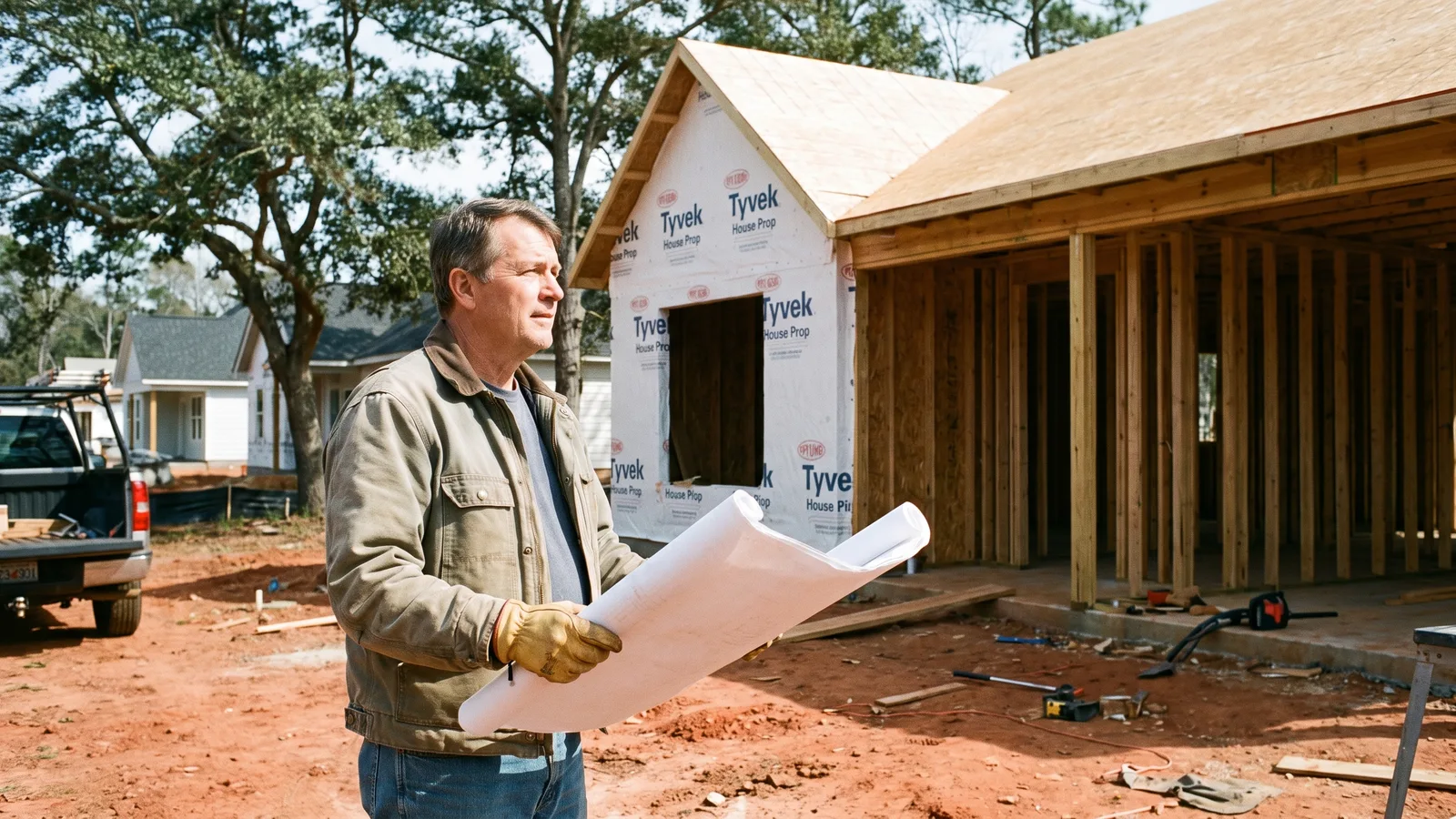
Yes, within the terms of the statute. Georgia's licensing law for residential and general contractors includes an exemption at O.C.G.A. 43-41-17(h) for a property owner building on their own land. It is a real and commonly used route, and unlike some states Georgia attaches no square footage cap and no dollar threshold to it.
What it is not is a general license to run construction projects. The exemption is written around a single idea: you are building something for yourself to use, and you are personally responsible for supervising it.
What the own-use condition actually says
The structure must be intended, upon completion, for use or occupancy solely by that person and his or her family, firm or corporation and its employees, and not for use by the general public and not offered for sale or lease.
Read the last clause carefully, because it is where intentions matter. A house you build to live in qualifies. A house you build intending to rent it out does not. A house you build and put on the market does not. The test attaches to what the building is for, not to how much of the work you performed yourself.
The 24 month rule that stops repeat building
This is the provision most owner-builders have never heard of. If a person previously sold or transferred a building they constructed while acting without a licensed residential or general contractor, and that sale fell within the prior 24 months measured from the date the certificate of occupancy issued for that building, they cannot construct another separate building without first obtaining the appropriate license.
The clock runs from the earlier building's certificate of occupancy date, not from the sale date. If you might build more than one house in a few years, map those dates before you start the second.
| Your situation | Exemption available |
|---|---|
| Building a house you will live in | Yes |
| Building a detached garage or shop for your own use | Yes |
| Building a house you intend to rent out | No, it is offered for lease |
| Building a house to sell | No, it is offered for sale |
| Building again within 24 months of selling a self-built house | No, license required first |
What personally supervise means
The statute requires the owner to personally supervise all work not performed by licensed contractors, and bars delegating that supervision to anyone who is not licensed under the chapter with the appropriate scope of work.
In practice that means you can and should hire licensed trades. Electrical, plumbing, mechanical and other licensed work should go to people licensed to do it. What you cannot do is hand the overall supervising role to an unlicensed person and treat yourself as the owner-builder on paper only. That arrangement is precisely what the licensing statute exists to prevent.
Does the exemption get me out of permits
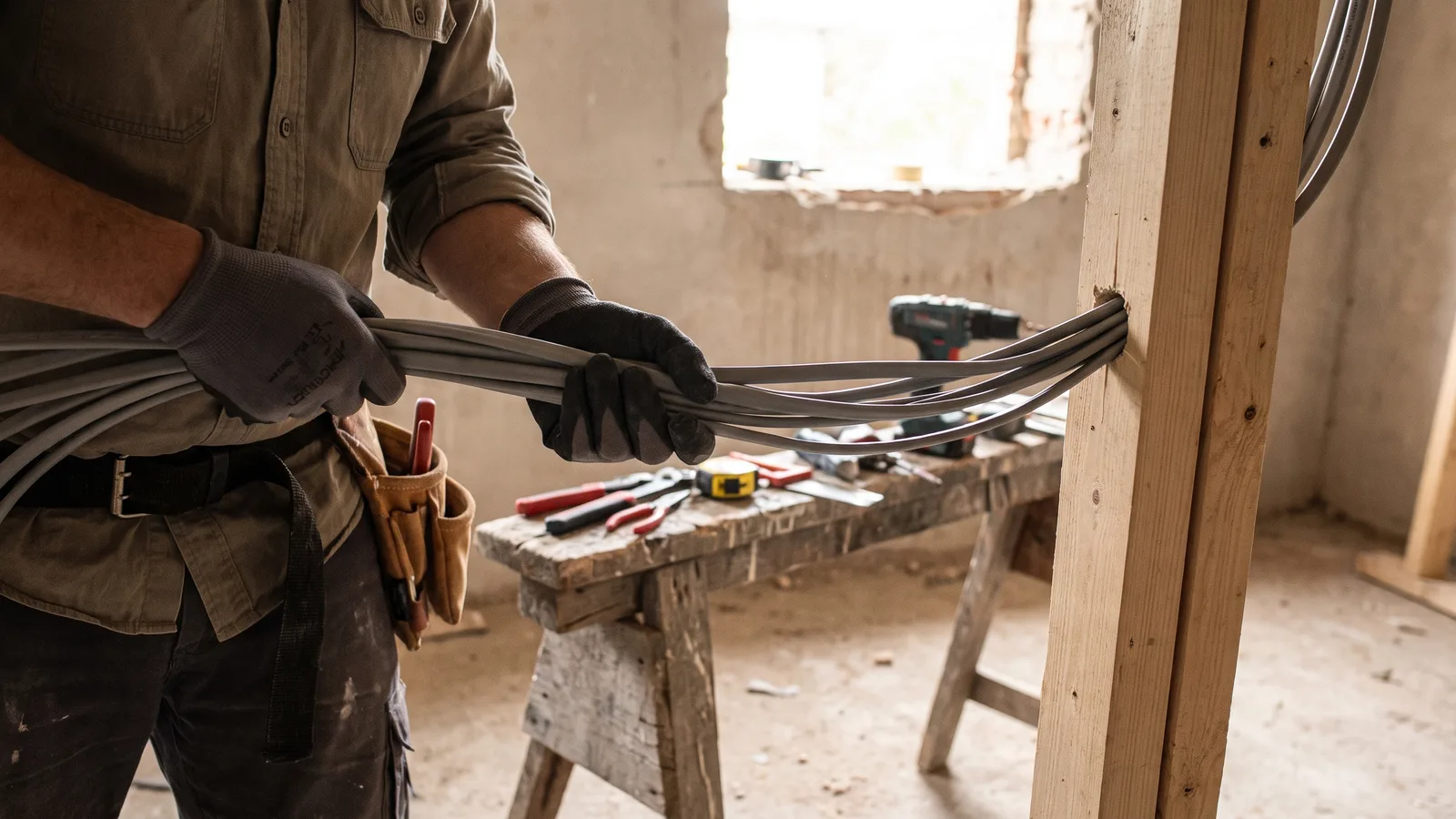
No, and this is the most important thing to be clear about. The statute expressly requires that all such work be done in conformity with the other applicable provisions of the title, the rules and regulations of the board and division involved, and any applicable county or municipal resolutions, ordinances, codes, permitting, or inspection requirements.
Licensing and permitting are two separate systems, and the exemption addresses only the first. You still apply to your local building department, you still get inspections, and your work is still measured against the Georgia state minimum standard codes. Our free permit checker will show which permits your project triggers.
What your local jurisdiction may add
Georgia's mandatory codes apply statewide without local adoption, but permits and inspections are administered locally, and the state amendments to the residential code delete the administrative chapter and leave those procedures to local government. Several practical consequences follow.
- Many jurisdictions require their own owner-builder affidavit or notarized statement. That is a local requirement, not a state one, so do not assume the form you found online is the right one.
- Some require proof of ownership, a plat, or a site plan at application.
- Local amendments to the state codes exist, and local governments must submit them to the Department of Community Affairs for review and file them after adoption.
- Homeowner associations and deed restrictions operate entirely outside all of this.
Our take: the exemption is worth using when you are genuinely building for yourself and genuinely intend to run the job. The two things that most often turn it into a problem are a change of plan, deciding partway through to rent or sell, and quietly letting an unlicensed builder take over supervision. Both are avoidable if you decide honestly at the start.
What to do before you apply
- Confirm the building is for your own use and that you do not intend to sell or lease it.
- If you have sold a self-built structure before, check the certificate of occupancy date against the 24 month rule.
- Identify the exact city or county department that permits your address, which is not always the city in your mailing address.
- Ask that department whether it requires an owner-builder affidavit and what else it wants at application.
- Line up licensed trades for the licensed work, and be clear with yourself that you are supervising.
- Read the Georgia permit overview for what needs a permit in the first place, and the Georgia coverage page for your county.
If you want your documents, inspections and the right department contact collected in one place before you start, the Permit Prep Pack does that for your specific project and address.