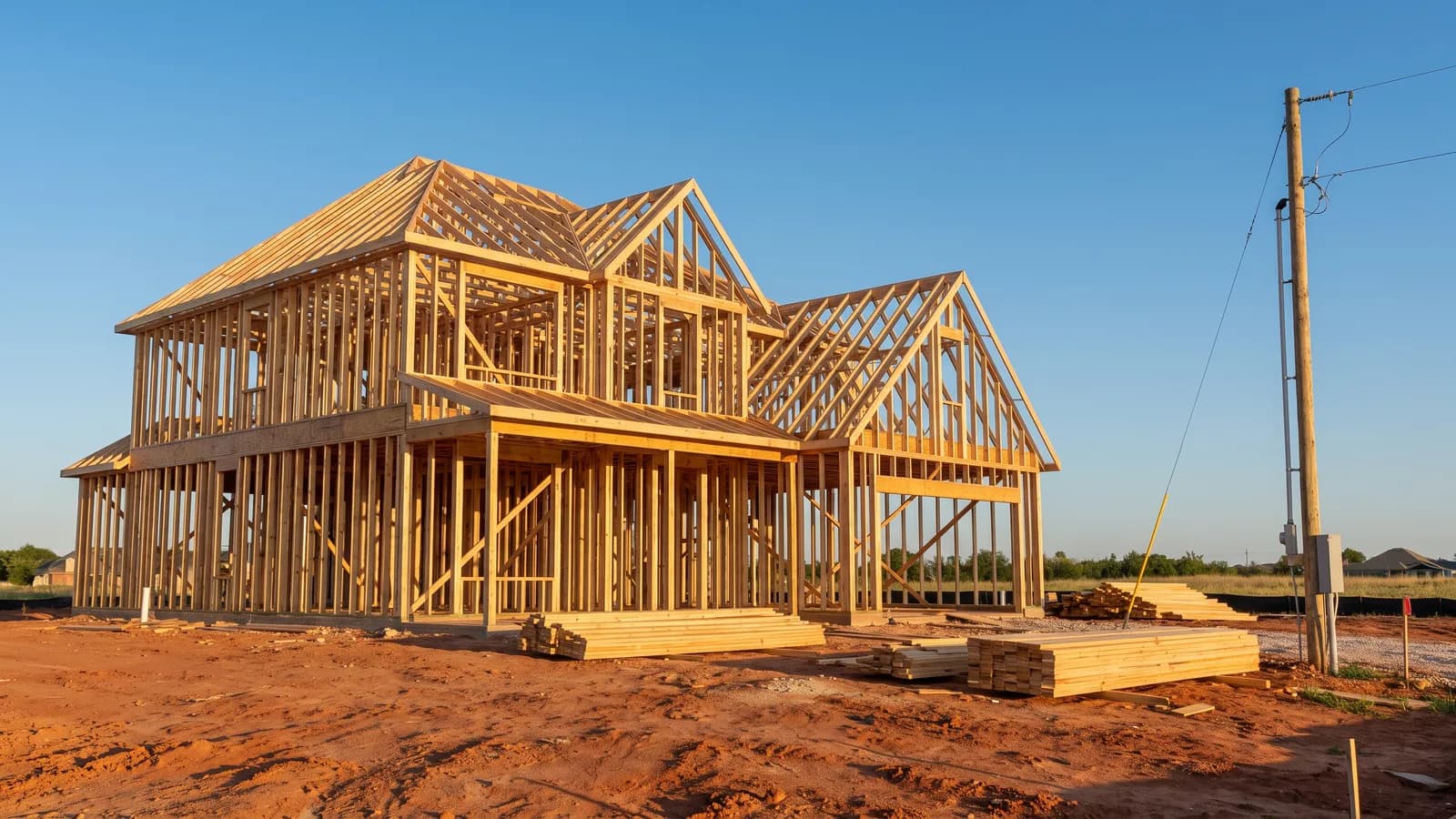
Building permit inspections in Georgia run in a fixed sequence, and the order is not a suggestion. Each stage exists to look at work before the next stage hides it, so an inspection requested out of turn is commonly refused outright. Georgia has no statewide inspection schedule, because the state deletes the code chapter that would set one, so the exact list and the rules for booking it belong to your city or county.
Key takeaways
-
The order follows concealment: site and footing, then underground trades, then rough framing and trades, then insulation, then finals, then the certificate of occupancy.
-
Some Georgia jurisdictions deny inspections requested out of sequence, which delays the certificate of occupancy rather than just that one visit.
-
Georgia sets no statewide inspection list, so your jurisdiction's published order is the one that governs.
-
Repeat visits are often free the first time and priced after that, so the second failure costs more than the first.
-
The certificate of occupancy is a separate step after the last inspection passes, and at least one large Georgia county will not issue it the same day.
What order do building inspections happen in Georgia?
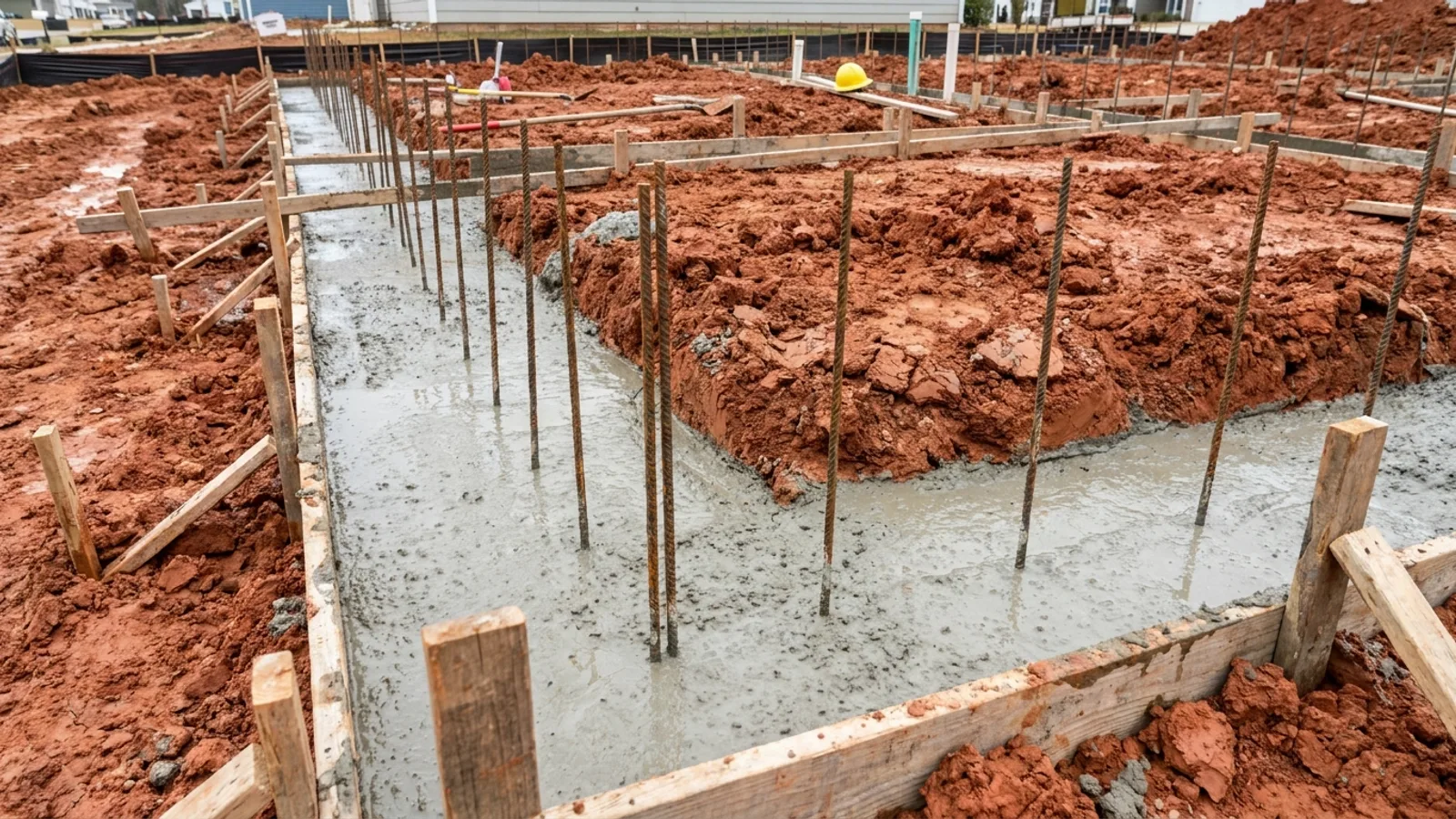
The sequence tracks construction: nothing gets inspected after it is buried. Fulton County publishes its residential building inspection process as a numbered list of nine steps "in the ORDER that they must be performed," which makes it a useful model for how a Georgia county thinks about sequence.
| Step | Stage | Why it sits here |
|---|---|---|
| 1 | Permit posted on site | No posted card means no inspections at all |
| 2 | Erosion control measures | Must be in place during all construction and land disturbance |
| 3 | Temporary power pole, if used | Power for the site before trades arrive |
| 4 | Footing and foundation, plus slab trades | Last chance before concrete |
| 5 | Rough building, mechanical, plumbing, electrical and gas | Last chance before drywall |
| 6 | Temporary power, if used | After rough, before finish work |
| 7 | Finals for building, mechanical, plumbing and electrical | The finished systems, operating |
| 8 | Final site inspection | Site condition, including adjacent infrastructure |
| 9 | Certificate of occupancy | Issued only after everything above is approved |
Fulton also requires a footing survey, locally called a box check, when the structure sits within five feet of a required setback, which inserts a survey step into the middle of stage four. Smaller projects collapse this list. A water heater replacement or a panel change may be a single rough and a single final, but the underlying logic does not change.
Can I request inspections out of order?
Usually not, and the penalty is bigger than a wasted trip. Fulton County states that an inspection requested out of order "will be denied" and warns that this may delay the certificate of occupancy. The reasoning is straightforward: an inspector cannot approve framing before the footing that carries it has been approved, and cannot sign a final before the rough it conceals was ever seen.
The expensive version of this mistake is covering work early. If drywall goes up before the rough inspections pass, the fix is to open it again. That is the same exposure problem homeowners hit with unpermitted work in Georgia, just earlier in the timeline and cheaper to solve.
How do I schedule an inspection in Georgia?
Through whatever channel your jurisdiction runs, and the channels genuinely differ. Gwinnett County schedules inspections online through its permitting portal and requires the permit case number to book. Cobb County offers scheduling by text message and through its online inspections portal, and notes that calling in brings extended wait times.
Ask three questions when you take out the permit rather than the day you need the visit: how do I book, what is the cutoff for the next available day, and who has to be present. That last one matters more in some states than in Georgia, but access is universal. If the inspector cannot get to the work, the result is a failed or cancelled visit.
Can two trades be inspected on the same visit?
Sometimes, and increasingly by requirement rather than convenience. Cobb County advises that HVAC and plumbing inspections be coordinated for the same day where applicable, naming rough-ins, ceiling covers and finals. Fulton allows its final site inspection to be requested for the same day as the other finals.
Bundling helps most on small projects where a single trade dominates. It rarely helps on a large one, because the stages depend on each other. Ask your jurisdiction which combinations it will accept before you build a schedule around them.
What happens if an inspection fails?
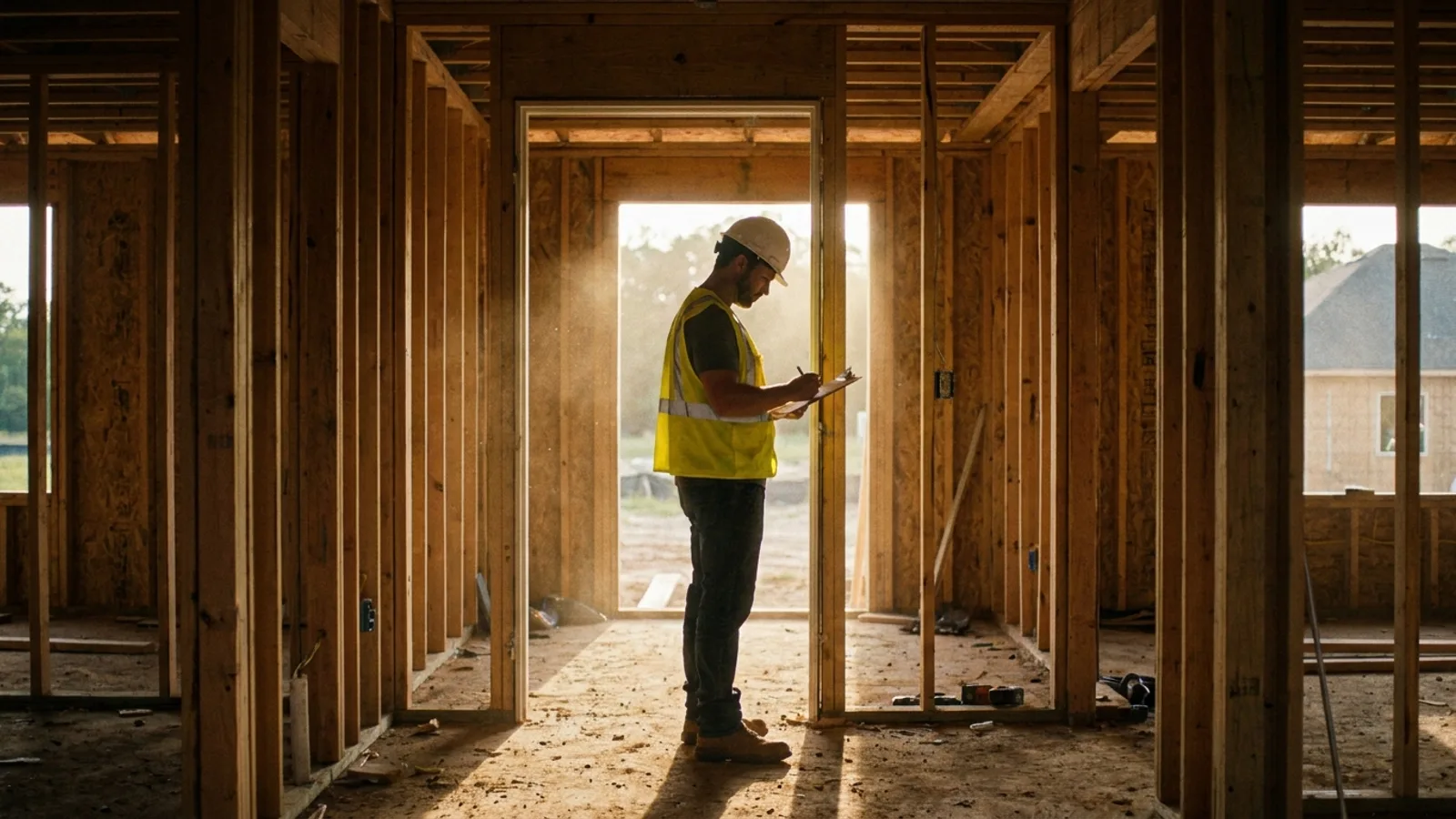
You correct the item and request another visit, and after the first repeat you usually start paying. Gwinnett County's published fee schedule prices the first follow-up inspection at no charge, the second follow-up at 50 dollars and each subsequent follow-up at 100 dollars. That escalating structure is common, and it is designed to price the third visit rather than the second.
A failure is not a violation notice. It is a correction list. The far worse outcome is proceeding anyway, because work built on top of a failed inspection has to be undone before anyone can approve what is underneath it.
Our take: get your jurisdiction's inspection list in writing on the day you pull the permit, not the week you need an inspector. Almost every schedule problem we see in Georgia traces back to a homeowner or contractor guessing at the sequence, covering something early, and paying twice to expose it.
What comes after the final inspection?
The certificate of occupancy, and it is a distinct step. Fulton County issues a certificate only after all required inspections are approved, and states that the certificate will not be issued on the same day as the last required inspection. Build that gap into any move-in or closing date.
Not every project ends in a certificate of occupancy. A water heater swap, a reroof or a panel upgrade normally ends when the final inspection is approved and the permit is closed out. Closing the permit still matters. An open permit is the thing a buyer's attorney finds later, which is why it is worth knowing how to look up a building permit in Georgia on your own address before you sell.
How do I plan a project around this sequence?
Work backward from the finals. List the inspections your jurisdiction requires, mark which ones stop other trades, and schedule the trades so no one covers another trade's work. Confirm the code editions being enforced, since what a Georgia inspector checks is driven by the adopted code plus Georgia's own amendments, all listed on the Department of Community Affairs current state minimum codes page.
Then confirm which trades your specific project actually pulls in. Run the free permit checker for your project and county, review the Georgia permit process end to end, and check the office details on the page for your Georgia county before you book the first inspection.