Yes, in most cases you need a permit before you build, and whether you do comes down to the Virginia Uniform Statewide Building Code (USBC) as your local city or county applies it. So if you are asking whether you need a building permit in Virginia, start with the type of work you are planning, because Virginia decides what is exempt by the kind of project rather than by how much it costs. The USBC is an ICC-based code adopted statewide by the Board of Housing and Community Development, but permits are issued and inspected locally by each city and county building department. You can check your project and then confirm the details with your local office.
Key takeaways
- Virginia construction follows the Uniform Statewide Building Code (USBC), adopted statewide but enforced locally by each city and county.
- Virginia exempts work by the TYPE of project, not by a dollar amount, which is different from some other states.
- The USBC lists specific exemptions, such as a detached accessory building up to 256 square feet, though you should always confirm locally.
- Virginia has independent cities that permit their own construction separately from any surrounding county.
- Homeowners can often pull their own permit under the owner-builder exemption, but trade work still has separate licensing rules.
In this guide
- Do most projects in Virginia need a permit?
- How does Virginia decide what is exempt?
- Why do Virginia's independent cities matter?
- Can a homeowner pull their own permit?
- Which projects usually need a permit?
- How do I find the right local office?
- What happens if I skip the permit?
Do most projects in Virginia need a permit? {#most-projects}
Most structural, electrical, plumbing, and mechanical work needs a permit in Virginia. The USBC sets one statewide standard, so the underlying rules are consistent from Fairfax to Virginia Beach, but the permit itself is issued and inspected by your local building department. That local step matters because it is where you confirm submittal requirements, fees, and inspection scheduling. When in doubt, treat a permit as required until your local office tells you the work is exempt.
How does Virginia decide what is exempt? {#exempt-by-type}
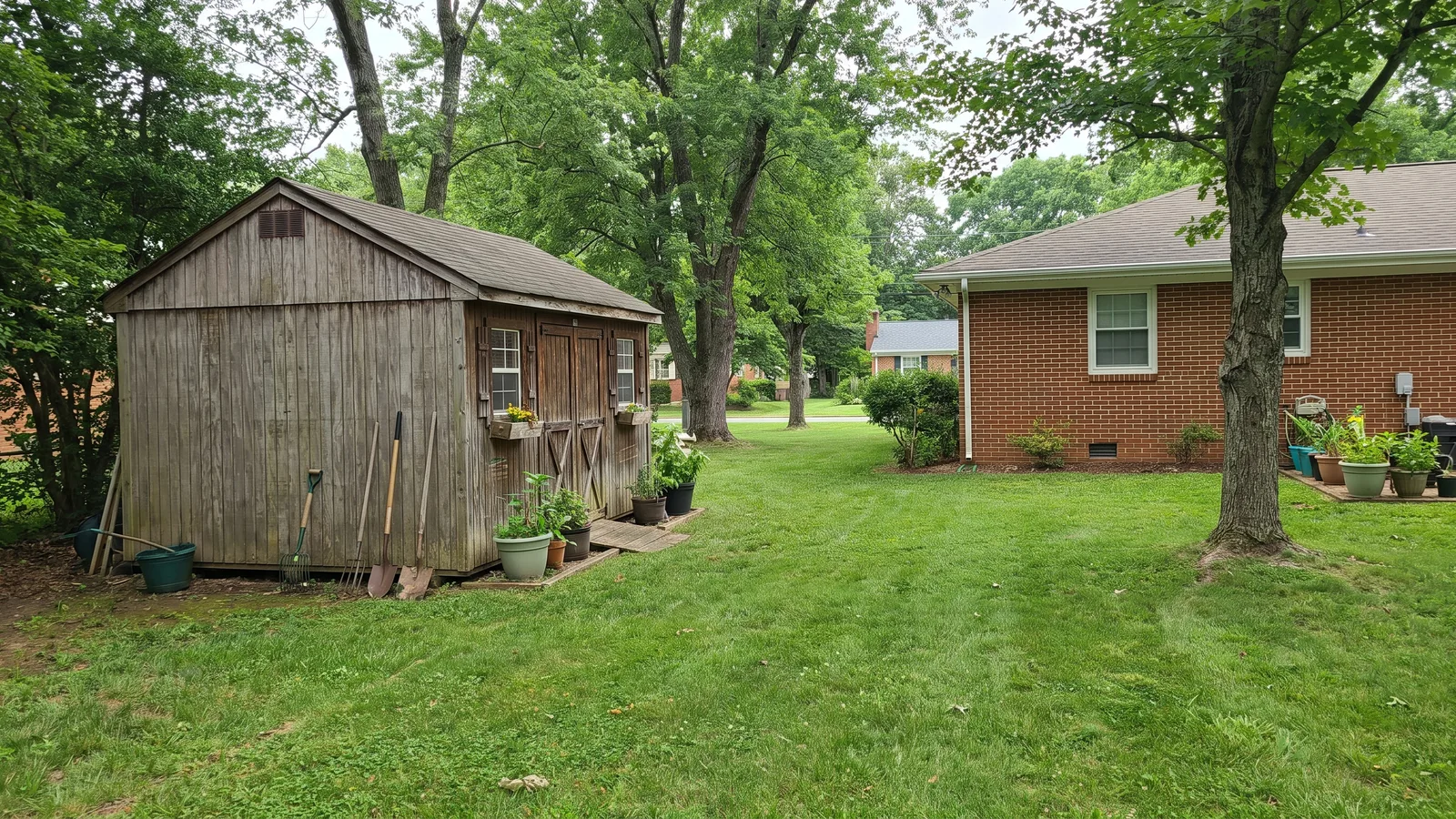
Virginia exempts work by the type of project, not by a dollar amount. This is an important distinction, because in some states a small job is exempt only if it stays under a certain cost. Virginia instead lists particular kinds of work that do not require a permit. One example from the USBC is a detached accessory building up to 256 square feet, which can often be built without a permit. That said, the square-foot figure is a starting point, not a guarantee. Zoning setbacks, electrical service, and local amendments can still apply, so confirm the specifics with your local office before you build. Our shed and accessory building project page walks through the questions to ask.
Our take: Because Virginia exempts by type rather than by cost, the smartest first move is to describe your exact project to the local building department and let them tell you which category it falls in. A five minute call can save you a stop-work order later.
Why do Virginia's independent cities matter? {#independent-cities}
Virginia has independent cities that permit their own construction separately from any county. In most states a city sits inside a county, and the county may handle permitting for surrounding areas. In Virginia, an independent city like Virginia Beach runs its own building department and is not part of a county for permitting purposes. That means your permit office depends on the exact jurisdiction your property sits in, not just the region. If you are near a city boundary, verify whether your address is inside the independent city or in an adjoining county before you apply.
| Jurisdiction type | Who issues the permit | Example |
|---|---|---|
| County | County building department | Fairfax County, Loudoun County, Prince William County |
| Independent city | The city's own building department | Virginia Beach |
| Town within a county | Often the surrounding county, but confirm locally | Varies |
Can a homeowner pull their own permit? {#owner-builder}
Yes, a homeowner can often pull their own permit under Virginia's owner-builder exemption. Under the Code of Virginia section 54.1-1101(A)(7), a property owner may build, repair, or improve no more than one primary residence they own and occupy within any 24-month period without holding a contractor license. In practice that lets a homeowner act as their own general contractor on their own home. Contractors who do not qualify for that exemption license through DPOR in Class A, B, or C tiers based on project value. Keep in mind the owner-builder exemption does not waive Virginia's separate tradesman licensing for electrical, plumbing, and mechanical work, so specialized trades may still need licensed workers.
Which projects usually need a permit? {#which-projects}
As a general rule, work that changes the structure, adds systems, or affects safety needs a permit. New additions, decks, finished basements, and reroofing commonly require permits, while some minor repairs and small accessory structures may not. Because Virginia exempts by type of work, the reliable path is to match your project to the USBC categories through your local office rather than guessing. You can start by exploring your county's page, such as Fairfax County, Loudoun County, or Prince William County.
How do I find the right local office? {#local-office}
Start with the jurisdiction your property physically sits in, then contact that city or county building department. Since permits are issued locally even though the code is statewide, the local office is your source of truth for forms, fees, and inspections. Our Virginia hub links to the metro areas we cover, including Fairfax County, Loudoun County, Prince William County, and Virginia Beach. Confirm your address falls where you think it does, especially near independent-city lines.
What happens if I skip the permit? {#skip-permit}
Skipping a required permit can lead to stop-work orders, fees, and problems when you sell. Unpermitted work may need to be opened up, inspected, or redone, and it can complicate insurance or an appraisal. Since Virginia's exemptions are defined by type of work, it is usually quick to confirm whether your project even needs a permit, which makes skipping the check a poor trade. When you are unsure, ask first. For neighboring-state comparisons, see our guides on North Carolina and Pennsylvania.