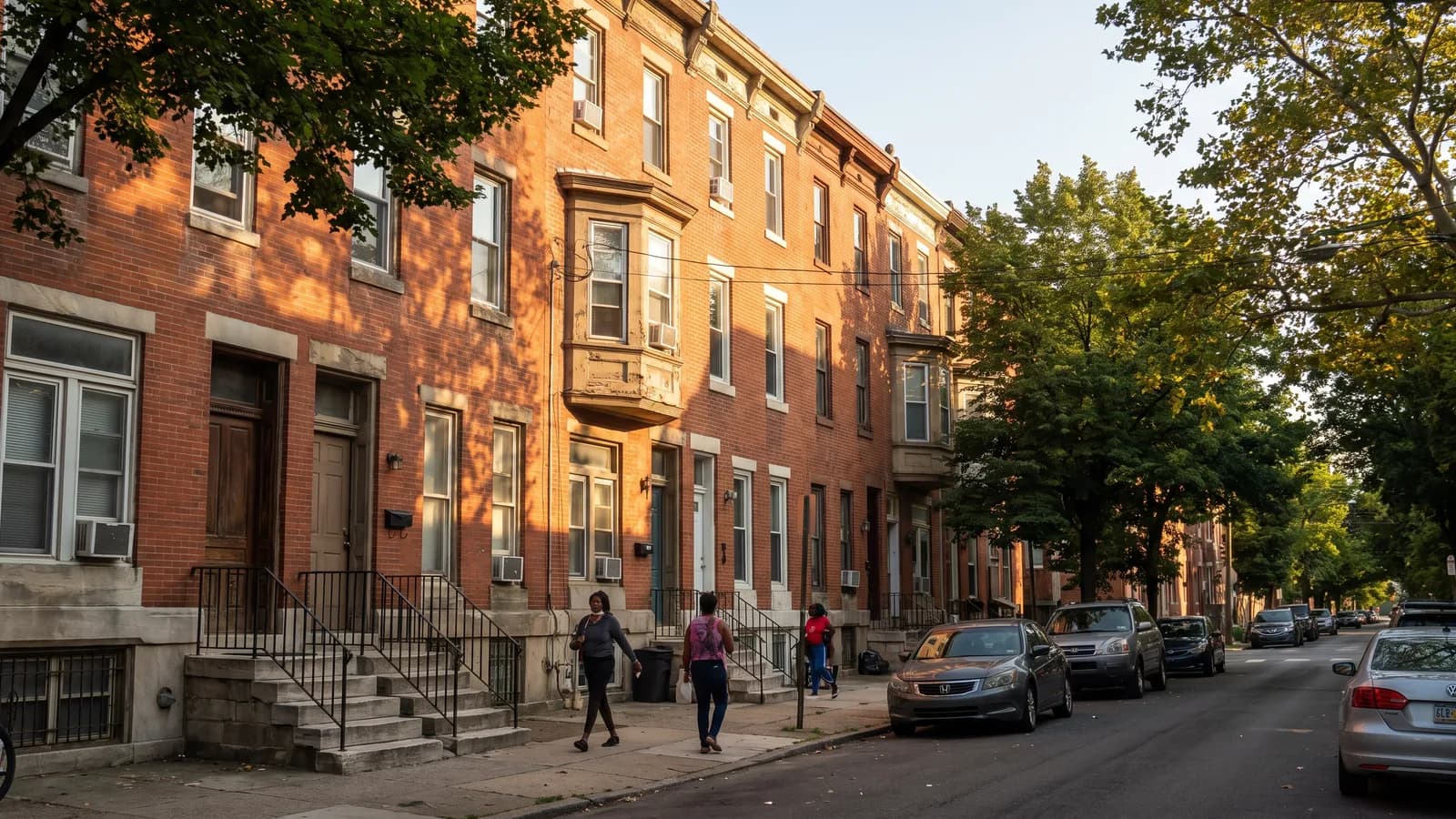
In most of Pennsylvania, yes, you likely need a building permit before you start a construction or renovation project, but the exact rules are set and enforced at the local level. So the honest answer to "do I need a building permit in Pennsylvania" is: it depends on your municipality and your project. Pennsylvania builds on the statewide Uniform Construction Code (UCC), yet your township, borough, or city is the one that decides thresholds, reviews plans, and signs off on inspections. The fastest way to know for sure is to check your project and location and confirm with your local code office.
Key takeaways
- Pennsylvania follows a statewide Uniform Construction Code (UCC) based on the International Code Council model codes, but permits are administered locally.
- Your municipality enforces the UCC through its own code office, a certified third-party agency, or the state Department of Labor and Industry.
- The City of Philadelphia enforces its own Philadelphia Building Code rather than the standard UCC path.
- A homeowner working on their own residence can generally do the work and pull their own permit, since Pennsylvania has no statewide general-contractor license.
- A small number of municipalities have opted out of enforcing the UCC for residential work, so always confirm locally.
On this page
- Does Pennsylvania require a building permit?
- Who enforces the code where I live?
- Why does Philadelphia have its own code?
- What if my municipality opted out of the UCC?
- Can I pull my own permit as a homeowner?
- Do contractors need to be registered?
- Which projects usually need a permit?
- How do I confirm the rules for my address?
Does Pennsylvania require a building permit?
Pennsylvania has a statewide construction code, the Uniform Construction Code (UCC), but it does not issue permits from the state level for typical residential work. The UCC is a set of ICC-based model codes adopted statewide under 34 Pa. Code Chapter 403, and it is administered locally. That means the code language is broadly consistent across the commonwealth, while the permit application, fees, and inspection schedule come from your municipality.
Because Pennsylvania sets no statewide dollar amount that automatically waives a permit, you cannot rely on a single "under this cost, no permit needed" number. Any such threshold is set locally, so a project that skips a permit in one township may require one next door.
Who enforces the code where I live?
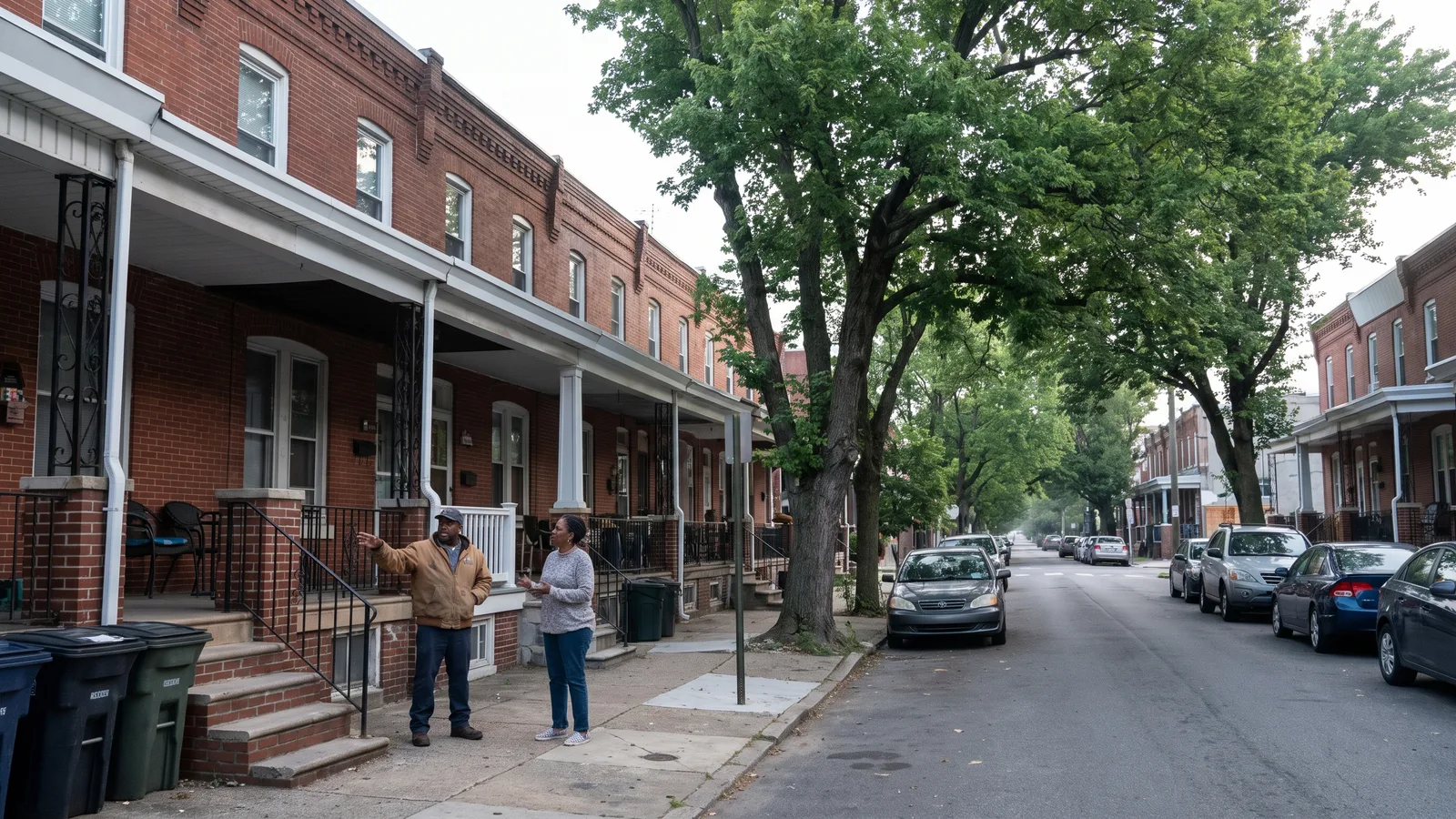
Your municipality enforces the UCC, and it can do so in one of a few ways. It may run its own code office, contract with a certified third-party agency, or rely on the Pennsylvania Department of Labor and Industry. Whichever path applies, that office is where you submit your application and schedule inspections.
The table below shows how the responsibility is typically divided.
| Level | Typical role |
|---|---|
| Pennsylvania Department of Labor & Industry | Adopts the statewide UCC and can administer it for some municipalities |
| Your municipality (township, borough, city) | Sets local thresholds and fees, issues permits, schedules inspections |
| Certified third-party agency | Reviews plans and performs inspections on the municipality's behalf |
| City of Philadelphia | Enforces its own Philadelphia Building Code |
Across the metro areas we cover, the pattern holds: Allegheny County communities such as Pittsburgh, Penn Hills, Mount Lebanon, Bethel Park, and Monroeville each handle permits locally, as do Montgomery County municipalities like Norristown, Lower Merion, Abington, Upper Merion, and Pottstown. Bucks County towns including Bensalem, Bristol Township, Middletown Township, Falls Township, and Doylestown Township follow the same local-office model.
Why does Philadelphia have its own code?
The City of Philadelphia enforces its own Philadelphia Building Code rather than following the standard UCC enforcement path used by most of the commonwealth. If your property is in Philadelphia County, you work with the city's Department of Licenses and Inspections for permits and inspections.
Practically, this means the application process, permit types, and requirements in Philadelphia can differ from a suburban township, so do not assume a neighboring county's process applies inside the city. Start with the city's own department when planning any work there.
What if my municipality opted out of the UCC?
A small number of Pennsylvania municipalities have opted out of enforcing the UCC for residential work. In those places, residential permits and inspections may not be administered the same way as in municipalities that enforce the code, so you cannot assume the standard process applies.
Our take: Opt-out status does not mean you are free of all rules. Zoning, utility connections, and other local requirements can still apply, and other agencies or future buyers may expect code-compliant work. Always call your municipal office first to learn exactly what applies at your address before you assume no permit is needed.
Can I pull my own permit as a homeowner?
Generally, yes. Pennsylvania has no statewide general-contractor license, and a homeowner working on their own residence is expressly excluded from the definition of contractor under the Home Improvement Consumer Protection Act. That means an owner can typically do their own work and pull their own permit for their own home.
Doing the work yourself does not exempt you from the code. You still must meet local permit and inspection requirements, and the same inspections that apply to a hired contractor apply to you. Review the scope for a common project like roof replacement so you know what the code office will expect before you begin.
Do contractors need to be registered?
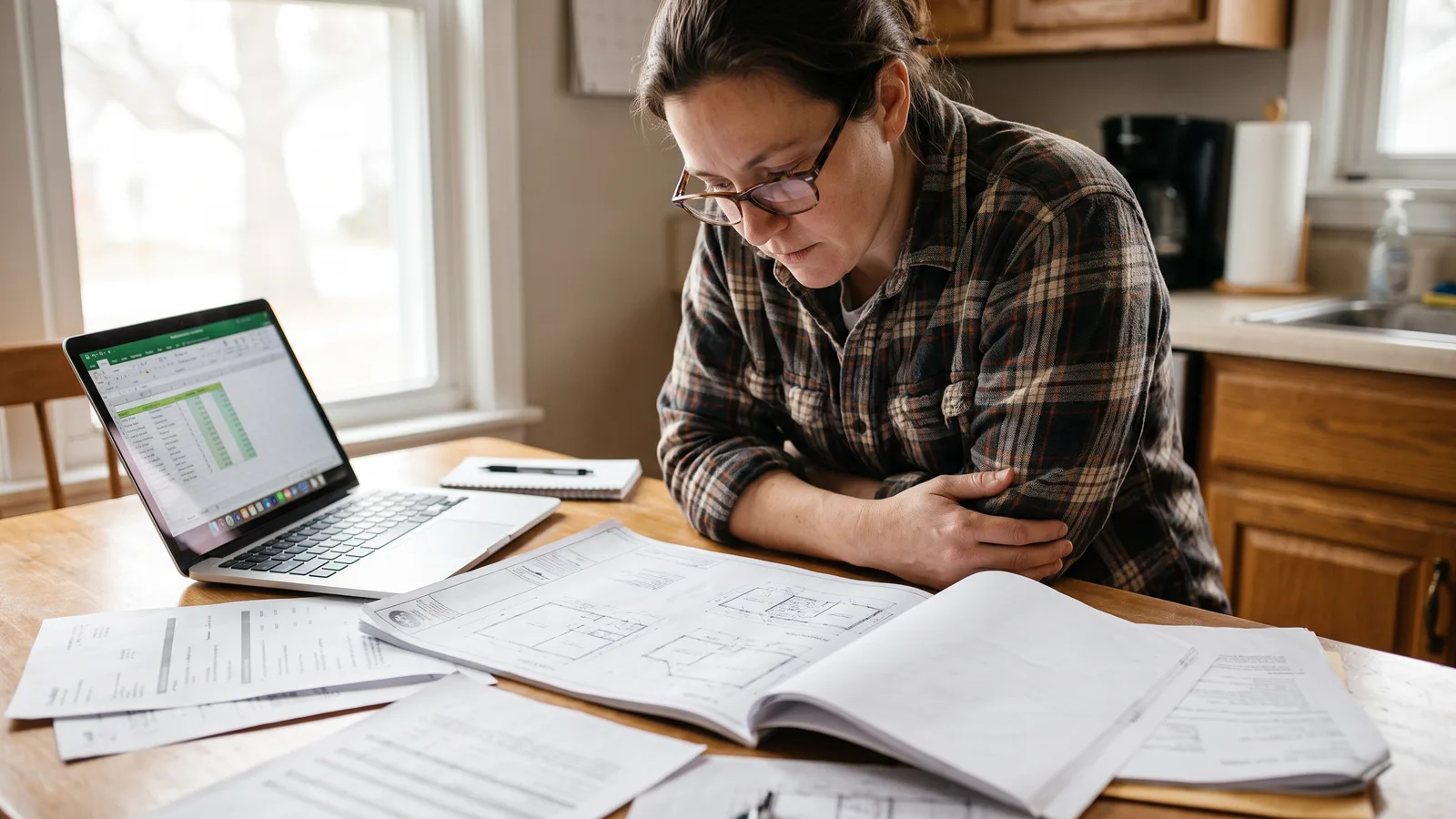
Contractors performing 5,000 dollars or more of home improvements in a year must register with the Pennsylvania Attorney General under the Home Improvement Consumer Protection Act. This is a registration program, not a competency or trade license, so registration confirms the contractor is on file, not that the state has tested their skills.
If you hire out the work, the registration requirement is separate from your permit obligation. The permit and inspection requirements are set by your municipality regardless of who performs the work.
Which projects usually need a permit?
Structural, electrical, plumbing, mechanical, and many exterior projects commonly require a permit, but because thresholds are local, the only reliable answer comes from your code office. The list below is a general guide, not a rule for any specific municipality.
| Project type | Permit likelihood |
|---|---|
| Structural additions and new rooms | Usually required |
| Roof replacement or structural roof work | Often required, confirm locally |
| Electrical, plumbing, or HVAC changes | Commonly required |
| Decks, porches, and detached structures | Frequently required above local size limits |
| Cosmetic work like painting or flooring | Often not required, confirm locally |
Because Pennsylvania sets no statewide dollar waiver, treat every project as "confirm first" until your municipality tells you otherwise.
How do I confirm the rules for my address?
The most reliable step is to contact the code office that serves your municipality and describe your project before you buy materials or sign a contract. They can tell you whether a permit is required, what documents to submit, and which inspections apply.
To get oriented quickly, start at the Pennsylvania hub for statewide context, then narrow to your county. If you are still comparing options, our neighboring-state guides for Ohio and Illinois show how enforcement can differ once you cross a state line.