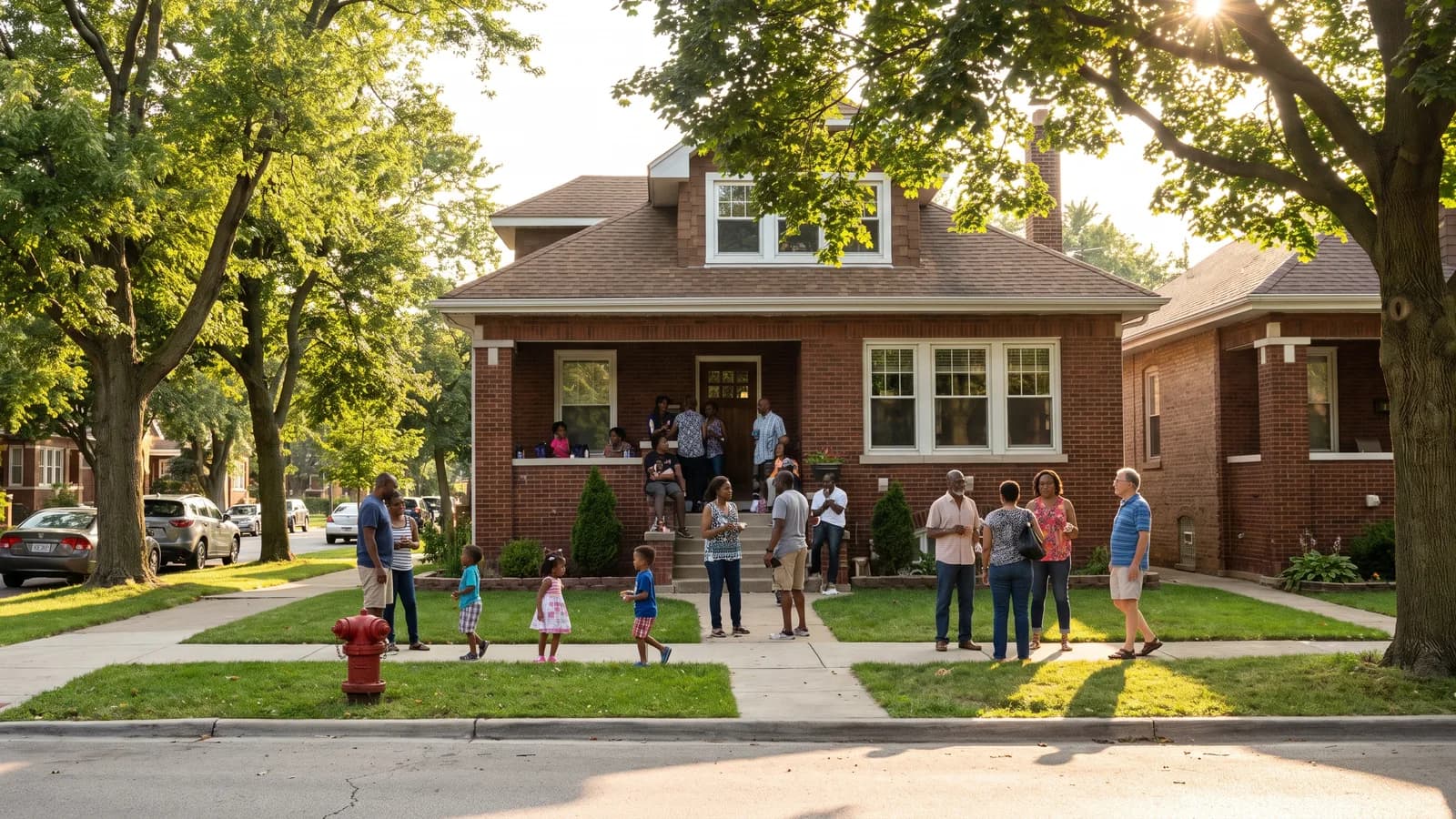
Yes, in most cases you do need a building permit in Illinois, but the rules are set locally rather than by the state. Illinois historically had no single statewide building code, so each municipality or county (many of which are home-rule) adopts and enforces its own code and decides which projects need a permit. Most Illinois jurisdictions build on an edition of the International Residential Code (IRC), and under Public Act 103-0510 a statewide minimum took effect January 1, 2025 requiring local residential codes to be at least as stringent as an IRC-based standard. Permits are still issued and inspected by your local building department.
Key takeaways
- Illinois has no single statewide building code; your city or county adopts and enforces its own, usually based on an edition of the IRC.
- Public Act 103-0510 set a statewide minimum stringency effective January 1, 2025, but permits are still issued and inspected locally.
- The City of Chicago is a notable exception and enforces its own Chicago Construction Codes.
- Illinois sets no statewide dollar amount that waives a permit; thresholds and fees vary by jurisdiction.
- A homeowner can generally pull their own permit on a home they own and occupy, but must still pass inspections and use licensed trades where required.
On this page
- Do you need a permit for home projects in Illinois?
- Who issues permits in Illinois?
- What changed under Public Act 103-0510?
- Why does Chicago follow a different code?
- How do permit rules vary by metro county?
- Can a homeowner pull their own permit?
- What happens if you skip the permit?
Do you need a permit for home projects in Illinois? {#do-you-need-a-permit}
For most structural, electrical, plumbing, mechanical, and exterior work, the answer is usually yes, but the specific trigger depends on your local building department. Because Illinois leaves permitting to municipalities and counties, the project types and thresholds that require a permit can differ from one town to the next. Larger jobs like additions, re-roofs, electrical panel changes, and decks commonly need a permit, while very minor cosmetic work often does not. The reliable move is to describe your project to your local building department before you start, or run it through our permit checker.
Who issues permits in Illinois? {#who-issues-permits}
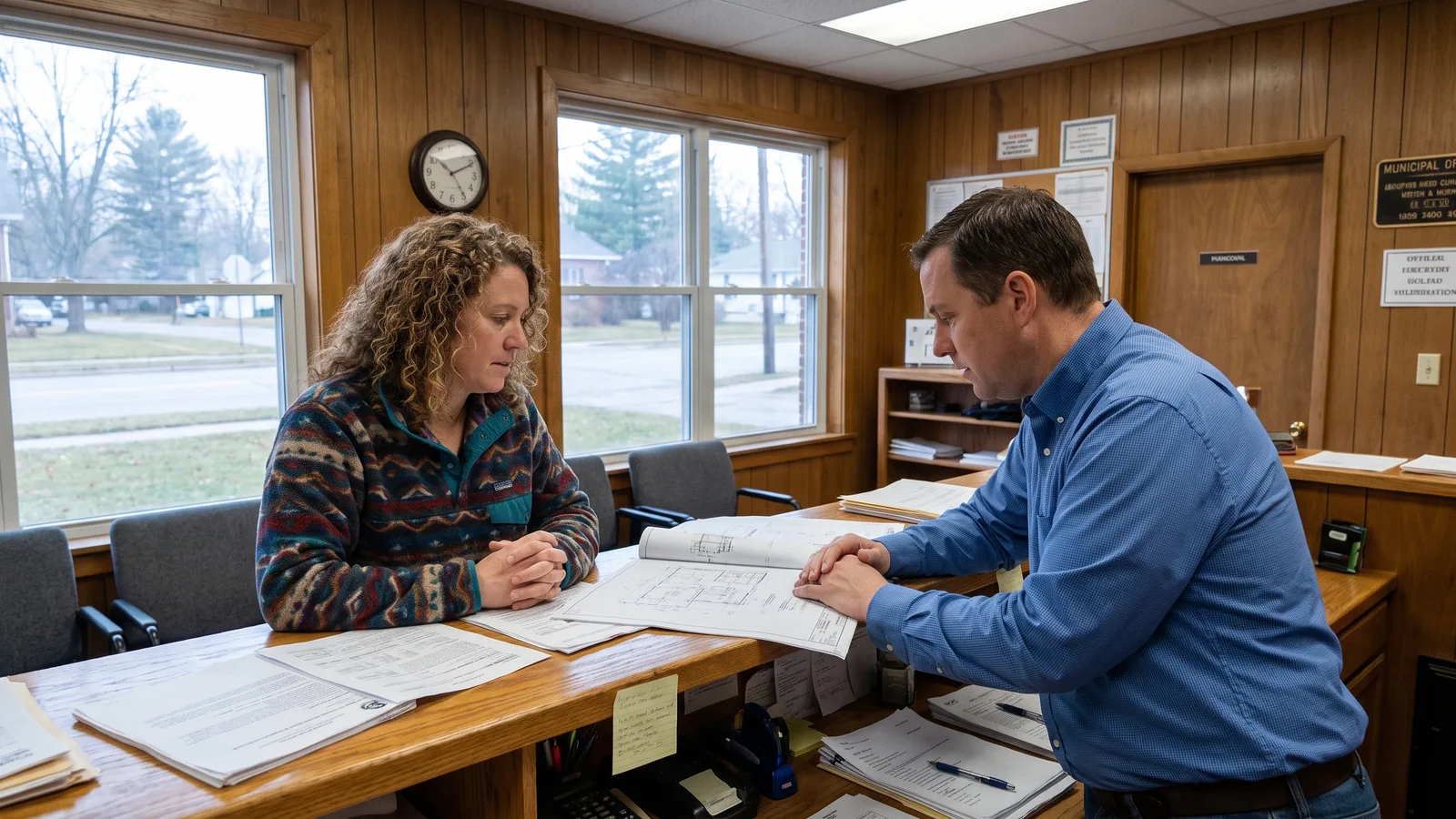
Permits in Illinois are issued and inspected by local government, not the state. Your city or village handles it if you live inside municipal limits; otherwise the county building department typically has jurisdiction. Many Illinois municipalities are home-rule, which gives them broad authority to adopt and enforce their own codes, fees, and permit thresholds. That is why two neighboring towns can have different requirements for the same project, and why confirming with the office that covers your address matters. You can start with the Illinois hub or your county page, such as Cook County or DuPage County.
What changed under Public Act 103-0510? {#public-act-103-0510}
Public Act 103-0510 created a statewide minimum rather than a single unified code. Effective January 1, 2025, it requires local residential codes to be at least as stringent as an IRC-based standard. This raised the floor for jurisdictions that previously had weaker or no adopted residential code, but it did not centralize permitting. Your local building department still issues permits, sets fees, and performs inspections. In practice, you apply the same way you always have, through the office that covers your address.
Why does Chicago follow a different code? {#chicago-code}
The City of Chicago is a notable exception and enforces its own Chicago Construction Codes rather than a straightforward IRC adoption. If your property is inside Chicago city limits, your permit application, allowed methods, and inspections run through the Chicago Department of Buildings under those city codes. Suburban Cook County towns like Evanston, Schaumburg, and Arlington Heights are separate jurisdictions with their own adopted codes, so being in Cook County does not mean Chicago rules apply. Always confirm which authority covers your exact address.
| Where you live | Code framework | Who to contact |
|---|---|---|
| City of Chicago | Chicago Construction Codes | Chicago Department of Buildings |
| Rest of Illinois | Locally adopted code, usually IRC-based | Your city, village, or county building department |
How do permit rules vary by metro county? {#metro-counties}
Across the Chicago metro, each city and village sets its own permit thresholds and fees, so requirements vary within a single county. The table below shows the metro counties and cities we cover; use them as a starting point, then confirm the specifics with the local office.
| County | Cities we cover |
|---|---|
| Cook | Chicago, Evanston, Schaumburg, Arlington Heights |
| DuPage | Naperville, Aurora, Wheaton, Downers Grove |
| Lake | Waukegan, Gurnee, Highland Park, Mundelein |
| Will | Joliet, Bolingbrook, Plainfield, Romeoville |
Our take: When you are unsure whether a project needs a permit, treat the answer as yes until your building department tells you otherwise. A permit and inspection create a paper trail that protects resale value and insurance claims, and it is far cheaper to permit up front than to correct unpermitted work later.
Can a homeowner pull their own permit? {#owner-builder}
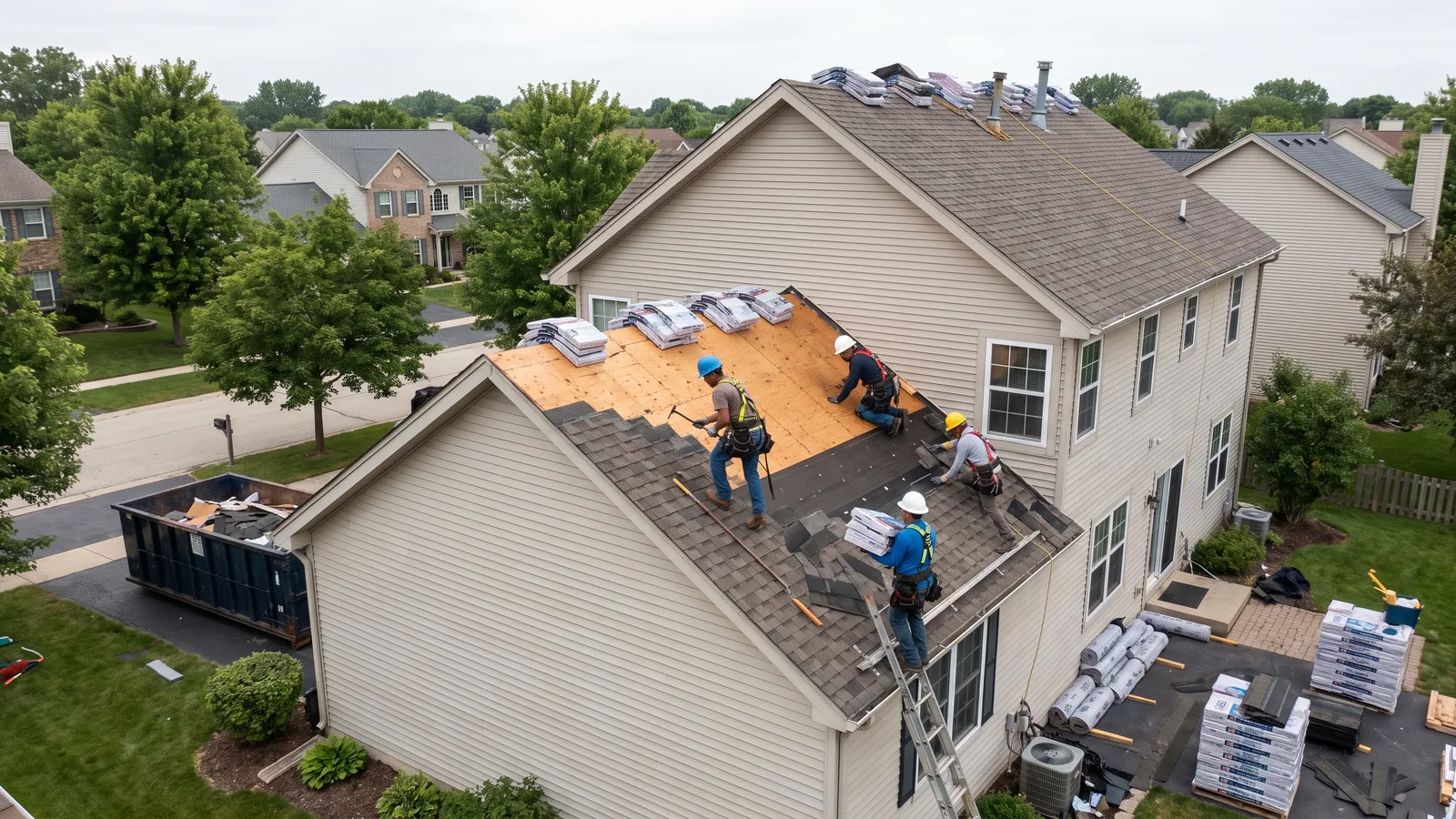
Generally yes. A homeowner can pull their own building permit and act as their own contractor on a home they own and occupy. Illinois does not license general contractors at the state level, though some municipalities require local contractor registration. The state does license certain trades: plumbers under the Illinois Plumbing License Law (225 ILCS 320) and roofing contractors under the Illinois Roofing Industry Licensing Act (225 ILCS 335). So even as an owner-builder, you must still obtain required permits, use licensed trades where the law requires them, and pass inspections. For jobs like a roof replacement, check both the permit and the licensing rules that apply.
What happens if you skip the permit? {#skipping-permit}
Skipping a required permit can lead to stop-work orders, fines, and being told to expose or redo finished work for inspection. Because enforcement is local, penalties and remedies vary by jurisdiction, but unpermitted work can also complicate a future sale, an insurance claim, or an appraisal. If you have already done work without a permit, your building department can usually explain a path to permitting it after the fact. When in doubt, confirm with the local building department before you start, or run your project through our permit checker. Requirements differ from state to state, so if you also own property nearby, see our guides on Ohio building permits and Pennsylvania building permits.