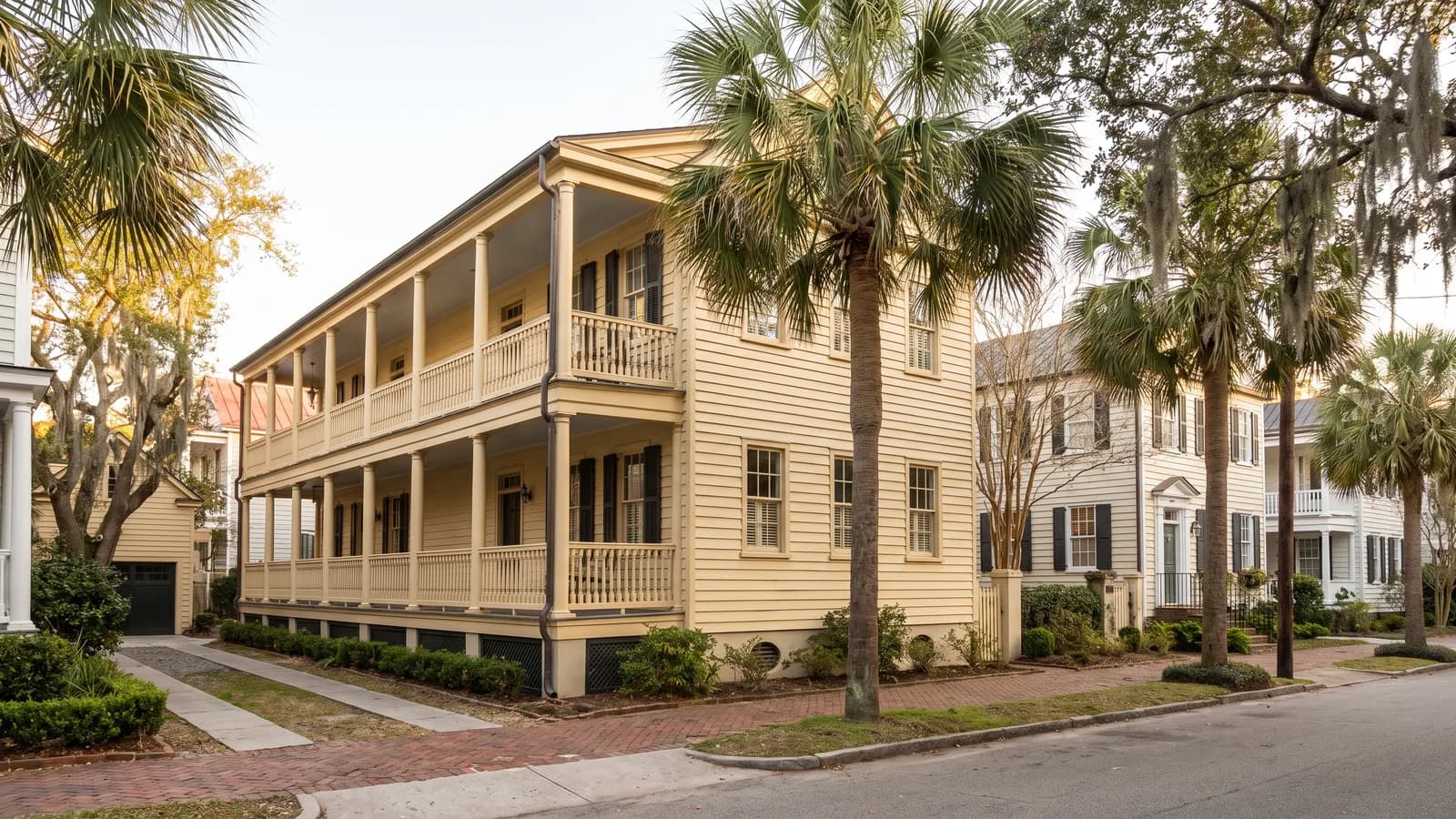
If you are planning a home project in South Carolina, the short answer is that you probably do need a permit, and whether you do is decided by your local building department, not the state. Do I need a building permit in South Carolina? For most structural, electrical, plumbing, mechanical, and roofing work on a house, yes, and South Carolina enforces mandatory statewide building codes that local offices apply. The fastest way to be sure is to check your project and location and then confirm with the city or county where the property sits.
Key takeaways
- South Carolina enforces mandatory statewide building codes, but permits are issued and inspected locally by cities, towns, and counties.
- There is no statewide dollar amount that automatically exempts work from a permit. Any minor-work exemptions are set by your local jurisdiction.
- Homeowners can sometimes pull their own permit under South Carolina's owner-builder exemption, but strict conditions apply.
- When in doubt, treat the project as permit-required and confirm with the local building department before you start.
- Skipping a required permit can create safety, resale, and insurance problems later.
Table of contents
- Does South Carolina have a statewide building code?
- Who issues permits, the city or the county?
- What usually needs a permit?
- Can I pull my own permit as a homeowner?
- How do I find the right building department?
- What happens if I skip the permit?
- How does South Carolina compare to neighboring states?
Does South Carolina have a statewide building code?
Yes. South Carolina enforces mandatory statewide building codes adopted by the South Carolina Building Codes Council, which sits within the Department of Labor, Licensing and Regulation (LLR). The current codes are based on the 2021 International Code Council editions with South Carolina amendments, effective January 1, 2023.
That statewide baseline means the technical rules for how a house is built are consistent across the state. It does not mean the state hands out your permit. The codes are the standard, and local building departments are the ones who review your plans, issue the permit, and inspect the work. You can read the model codes at the International Code Council and find the state program through South Carolina LLR.
Who issues permits, the city or the county?
Permits are issued and inspected locally, and which office you use depends on where the property sits. Incorporated cities and towns run their own building departments, while the county building office permits construction in unincorporated areas.
In practice, that means an address inside city limits is usually handled by that city, and an address in the unincorporated county goes to the county building office. If you are in one of the metro areas we cover, start with your county hub and the city pages: Greenville County covers Greenville, Greer, Simpsonville, Mauldin, Fountain Inn, and Travelers Rest; Charleston County covers Charleston, North Charleston, Mount Pleasant, Summerville, and Isle of Palms; and Richland County covers Columbia and Forest Acres. You can also browse the full South Carolina hub for more locations.
What usually needs a permit?
As a general rule, work that affects the structure, wiring, plumbing, mechanical systems, or the building envelope tends to need a permit, while simple cosmetic maintenance often does not. South Carolina sets no statewide dollar threshold that exempts work from needing a permit, so any minor-work exemptions come from your local jurisdiction.
| Project | Typically needs a permit | Confirm locally |
|---|---|---|
| New addition or structural change | Yes | Always |
| Electrical, plumbing, or HVAC work | Usually | Always |
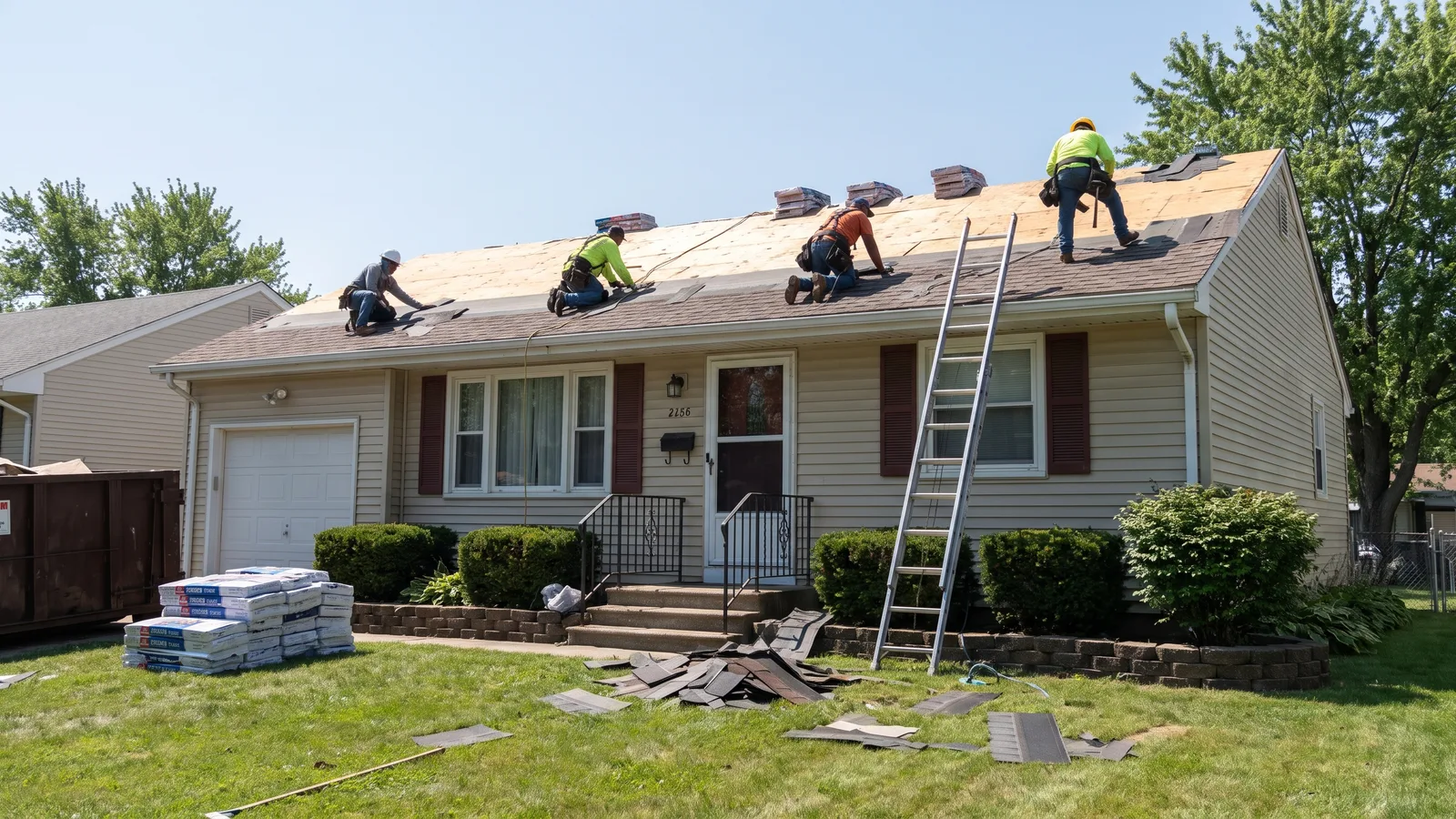
| Roof replacement | Often | Always |
| Water heater or panel replacement | Usually | Always |
| Deck, porch, or accessory structure | Often | Always |
| Paint, flooring, or trim | Usually no | If unsure |
Because the exemptions are local, the safest move is to assume a project needs a permit and confirm with your building department before you buy materials or start work.
Our take: When you cannot get a clear answer, treat the work as permit-required. A wrong assumption that no permit is needed is the dangerous direction, since unpermitted structural, electrical, or roofing work can hide safety problems and surface later at sale or insurance time.
Can I pull my own permit as a homeowner?
Sometimes, but the conditions are specific. South Carolina's owner-builder exemption, under SC Code Section 40-59-260, lets an owner build or improve a one- or two-family residence for their own use without holding a residential builder license.
To use it, the owner must personally sign the permit application, sign a state disclosure statement, and file a notice with the register of deeds. There is also a holding rule: the home may not be sold or rented within two years, or the exemption is presumed to have been violated. If you plan to hire out the work or expect to sell soon, the owner-builder route may not fit, so review the requirements with your local building department first.
How do I find the right building department?
Start with the jurisdiction that matches your address, then confirm the exact submittal and fee rules with that office. City addresses generally go to the city building department, and unincorporated addresses go to the county.
The quickest path is to check your project and location, which points you to the right office. From there you can open your county hub, such as Greenville County or Richland County, to see the cities and towns each one serves. Because fees, timelines, and any minor-work exemptions vary by office, call or visit the department to confirm the details for your specific project.
What happens if I skip the permit?
Skipping a required permit does not save you in the long run. Unpermitted work can lead to correction notices, having to expose or redo finished work for inspection, and complications when you sell, refinance, or file an insurance claim.
Because South Carolina enforces mandatory statewide codes, an inspection exists to confirm the work is safe. If a project bypasses that step, a future buyer, appraiser, or insurer may flag it, and resolving it after the fact is usually more expensive than permitting it up front. When you are unsure, confirm with the local building department before you build.
How does South Carolina compare to neighboring states?
South Carolina follows a familiar Southeastern pattern: a mandatory statewide code enforced by local building departments. The details, like exemptions and fees, still differ by jurisdiction and by state.
| State | Statewide code | Who permits |
|---|---|---|
| South Carolina | Mandatory statewide code | City or county, locally |
| North Carolina | See guide | See guide |
| Georgia | See guide | See guide |
If your project crosses a state line or you are comparing, see our sibling guides on whether you need a permit in North Carolina and whether you need a permit in Georgia. For South Carolina, the bottom line is to check your project and location and confirm with the local building department before you start.