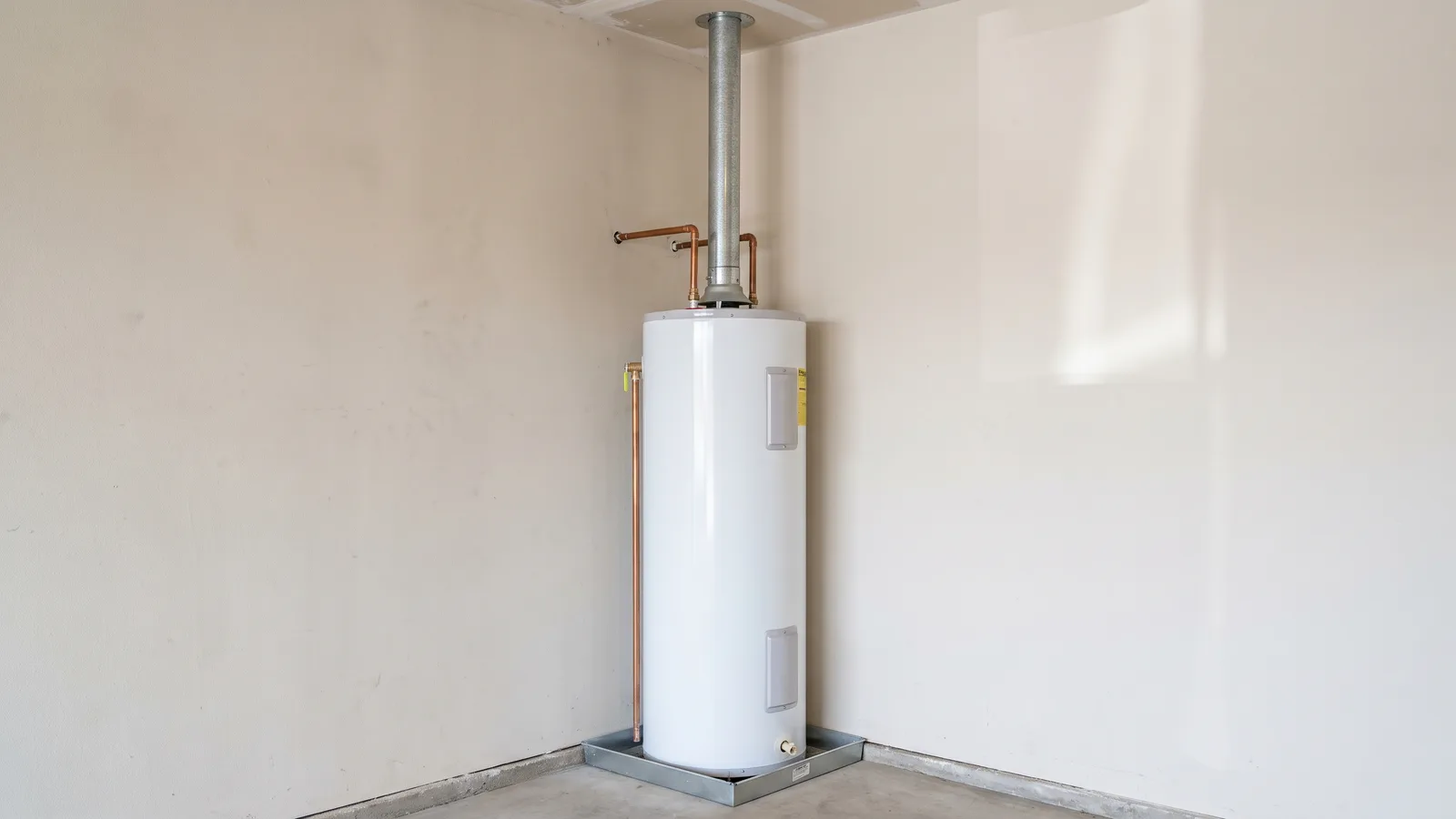
Replacing a water heater in Georgia is permitted plumbing work in most jurisdictions that enforce the codes, and Georgia is clear about who may do it: O.C.G.A. 43-14-8 requires a license to work as a master or journeyman plumber, and it contains no homeowner exemption of the kind the general contracting statute provides. What Georgia does not set is a statewide threshold, because the chapter listing permit-exempt work was deleted from the state code.
Key takeaways
-
Georgia has no statewide list of work exempt from permits. The state amendments delete IRC Chapter 1, so whether a water heater swap needs a permit is decided by your city or county.
-
Georgia's mandatory plumbing code is the International Plumbing Code, 2024 Edition, with Georgia amendments. Georgia deletes Part VII, Plumbing, from the residential code and substitutes it.
-
O.C.G.A. 43-14-8 requires a license for master and journeyman plumbers, and separately for conditioned air and electrical contracting, with no express homeowner exemption.
-
The owner-builder exemption at O.C.G.A. 43-41-17(h) covers general contracting only and does not reach the plumbing trade.
-
A gas unit also engages the International Fuel Gas Code, 2024 Edition, with Georgia amendments, and an electric unit engages the National Electrical Code, 2023 Edition, with Georgia amendments.
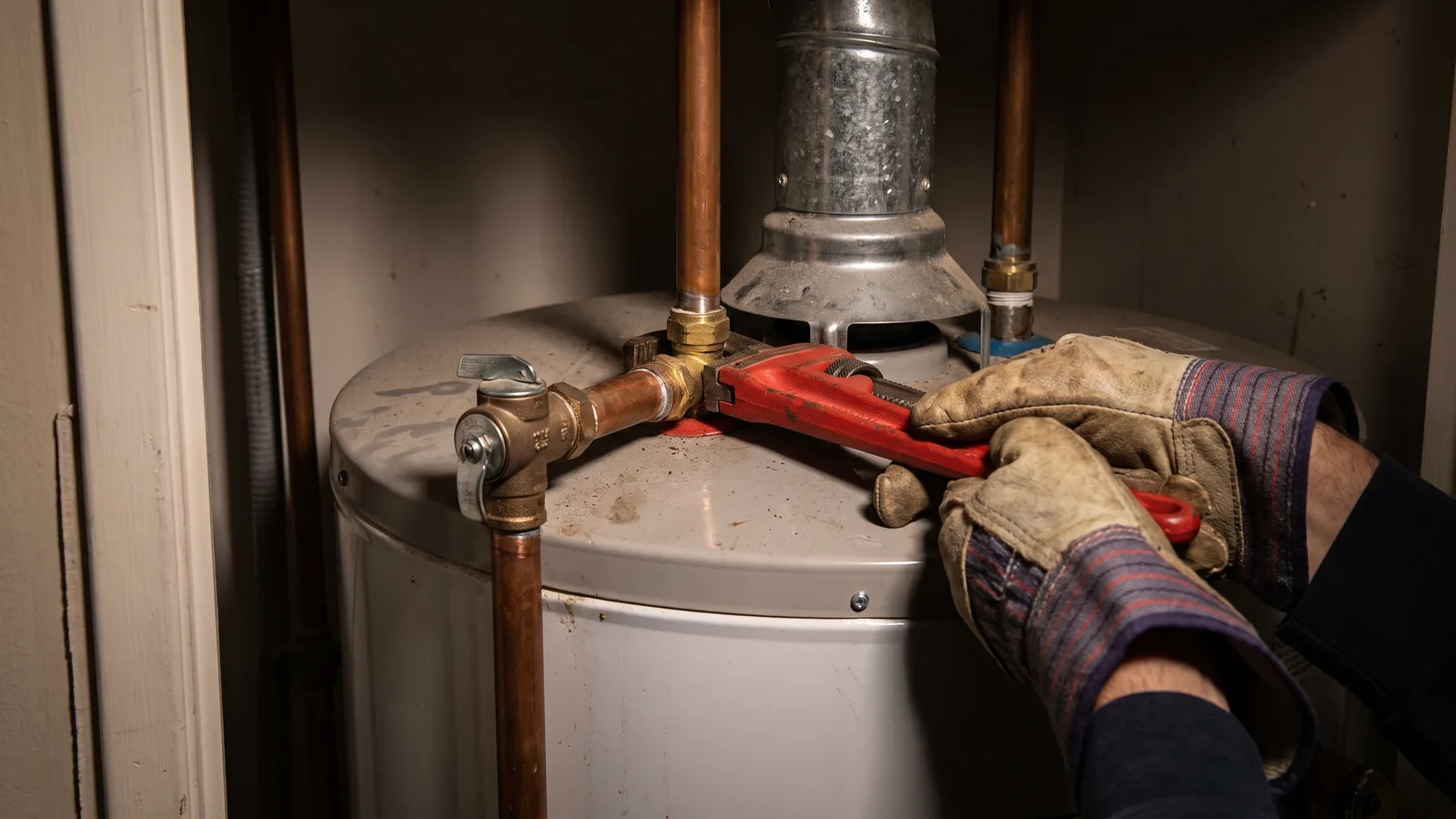
Do I need a permit to replace a water heater in Georgia
Assume yes and confirm locally. Replacing a water heater alters a permanent plumbing system, usually involves a gas or electrical connection, and in most jurisdictions is treated as permitted work rather than maintenance.
Georgia gives you no statewide shortcut. The Georgia amendments to the residential code delete Chapter 1, Scope and Administration, without substitution, leaving it as a reference and guide for local governments developing their own administrative procedures. Chapter 1 is where the model code lists work exempt from permits, so that list is not part of Georgia's state code at all.
This is worth contrasting with neighboring states. North Carolina, for example, writes a narrow replacement exception directly into its statutes. Georgia does not, and instead leaves the question to each jurisdiction.
Which codes apply
A water heater is rarely one trade.
| Scope | Governing Georgia code |
|---|---|
| Water piping, connections, relief valve, drainage | International Plumbing Code, 2024 Edition, with Georgia amendments |
| Gas piping, connection, venting | International Fuel Gas Code, 2024 Edition, with Georgia amendments |
| Circuit and disconnect on an electric unit | National Electrical Code, 2023 Edition, with Georgia amendments |
| Equipment efficiency | Georgia State Minimum Standard Energy Code |
Note the first row. Georgia deletes Part VII, Plumbing, from the International Residential Code and substitutes the Georgia State Minimum Standard Plumbing Code, so a home's plumbing rules are not in the residential code book people usually reach for.
Who is allowed to do the work
This is the Georgia distinction that catches people who have read about owner-builders.
O.C.G.A. 43-14-8 provides that no person may work as a master plumber or journeyman plumber without a valid license from the relevant division, alongside parallel requirements for electrical contracting and conditioned air contracting. There is no express homeowner exemption in that statute.
Georgia's owner-builder exemption sits in a different chapter, at O.C.G.A. 43-41-17(h), and covers general contracting. It does not reach the plumbing trade. Our Georgia owner-builder guide sets out what it does and does not cover.
Because 43-14-8 is framed around working as a licensed plumber rather than around a homeowner in their own house, how your jurisdiction treats a homeowner plumbing permit is a local question. Ask before you buy the unit.
What inspectors look at
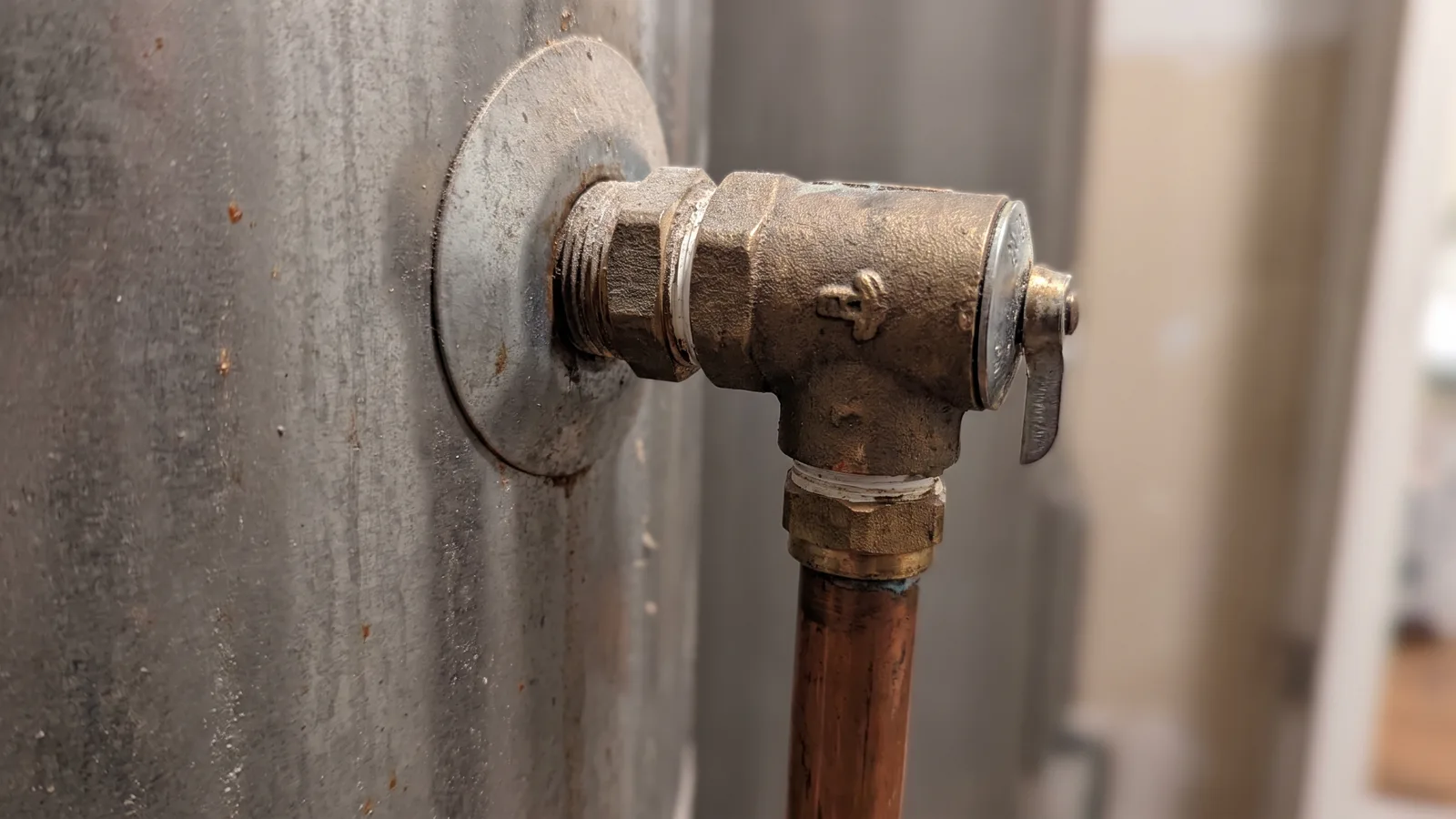
The temperature and pressure relief valve and its discharge piping come first, because a missing or incorrectly terminated discharge line is both common and genuinely dangerous. Expect attention to the discharge pipe's material, size, routing and termination point.
After that: the drain pan and its drain where the unit sits where a leak would cause damage, the expansion control arrangement on a closed system, seismic or physical strapping where required, combustion air and venting on a gas unit, the gas connection and leak test, and the circuit and disconnect on an electric unit.
A Georgia-specific detail worth knowing while a plumber is on site: the Georgia amendments add Section R326.5, requiring one and two-family dwellings to have not fewer than two exterior hose bibs, sill cocks or outside hydrants, with one located on the side or rear of the structure. It is unrelated to your water heater, but it is the kind of Georgia amendment that surprises people during a broader plumbing inspection.
Our take: the relief valve discharge line is where unpermitted water heater work most often goes wrong, and it is the cheapest thing in the whole job to get right. If you take one thing from this, have a licensed plumber do the swap, get it inspected, and keep the record. A water heater is the appliance most likely to fail in a way that floods a house, and an uninspected one is a harder insurance conversation.
Why skipping the permit costs more later
An unpermitted water heater surfaces during a home sale, when a buyer's inspector notes a newer unit with no permit record; during an insurance claim after water damage; and during any later permit application on the property.
Correcting it usually means an after-the-fact permit and an inspection of work that may now be partly concealed. Where the original installer is long gone, the owner absorbs it.
What to do next
- Confirm the department that permits your address using our guide to finding the right building department.
- Ask whether a water heater replacement needs a permit there, and whether plumbing, gas and electrical are separate applications.
- Ask whether that jurisdiction issues homeowner plumbing permits or requires a licensed plumber.
- Confirm what is changing: fuel, capacity, location, venting and the electrical rating.
- Run the project through the free permit checker, and see the water heater project page for typical documents and inspections.
The Permit Prep Pack assembles the requirements, inspections and department contact for your specific address.