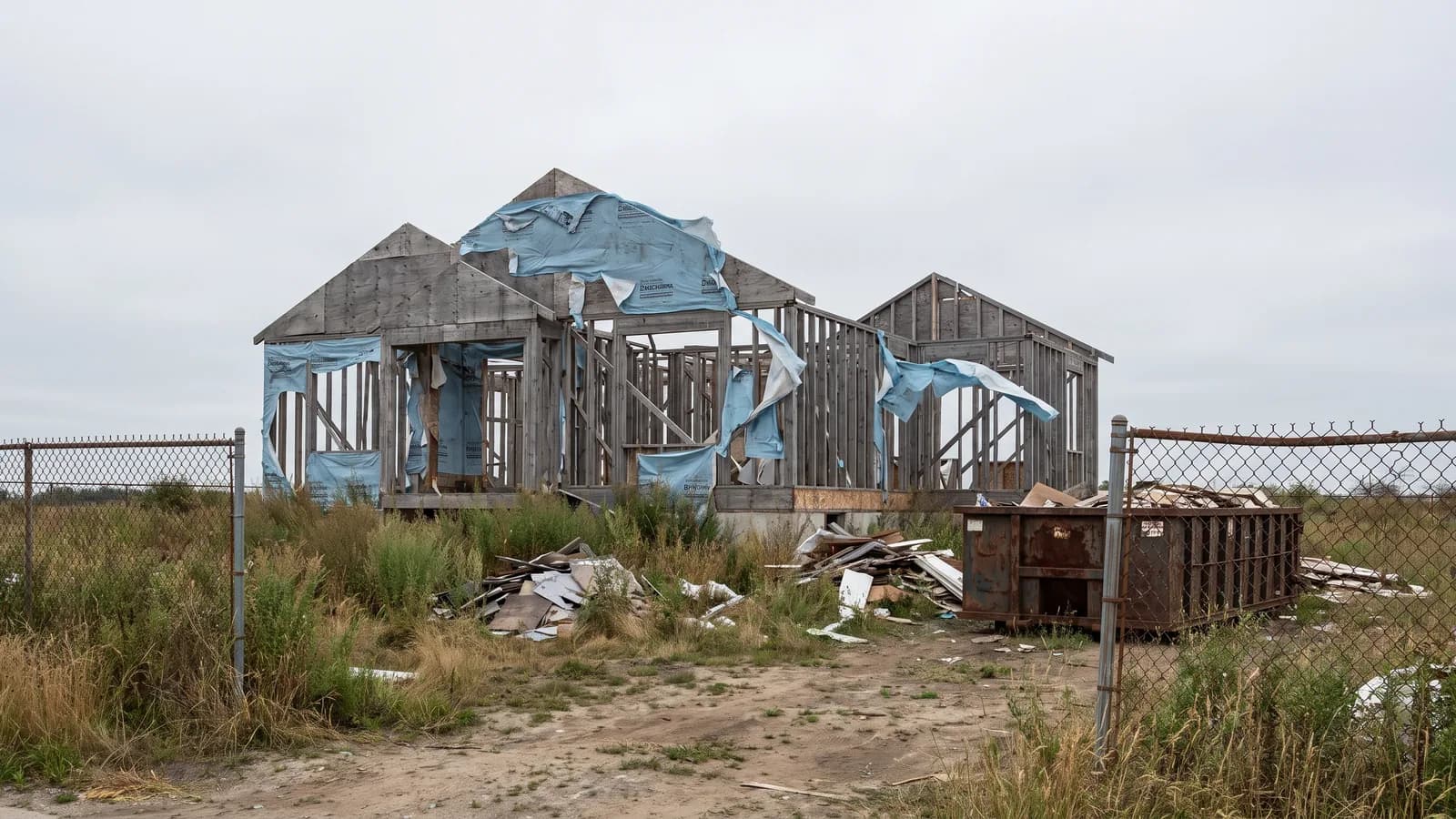
North Carolina puts permit expiration in statute rather than leaving it to each jurisdiction, and the two deadlines are specific. Under NCGS 160D-1111, a building permit expires by limitation six months after issuance if the work has not been commenced, and if work is discontinued for 12 months after commencement, the permit expires immediately. Once it has expired, no work authorized by it may be performed until a new permit is secured.
Key takeaways
-
A North Carolina building permit expires six months after issuance if work has not commenced, or any lesser period fixed by local ordinance.
-
After work has commenced, discontinuing it for 12 months expires the permit immediately.
-
No work authorized by an expired permit may be performed until a new permit is secured.
-
Separately, NCGS 160D-1112 forbids changes or deviations from the application, plans, specifications or permit until specific written approval is obtained from the inspection department.
-
An expired permit is not the same as a revoked one. NCGS 160D-1115 lets an inspector revoke a permit for any substantial departure from the approved plans, or where it was mistakenly issued.
-
Changing the plans is a separate rule, and it catches people
When does a building permit expire in North Carolina
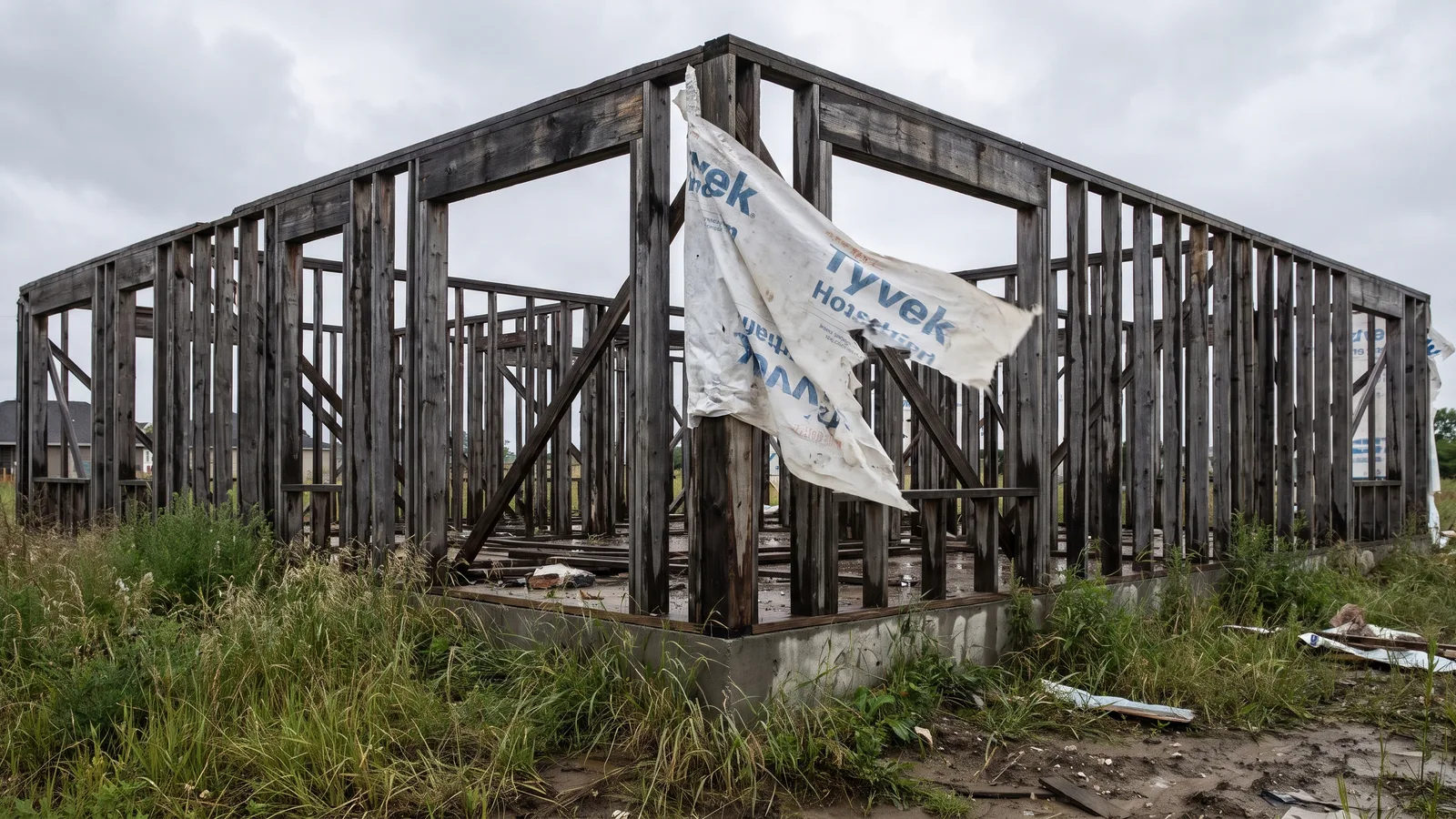
Two triggers, both statutory. NCGS 160D-1111 provides that a building permit issued under Article 11 expires by limitation six months, or any lesser time fixed by ordinance, after the date of issuance if the work authorized by the permit has not been commenced. And if, after commencement, the work is discontinued for a period of 12 months, the permit shall immediately expire.
Note the difference between them. The six month clock is about never starting. The 12 month clock is about starting and then stopping. A project that ticks along slowly but genuinely continues is in a different position from one that sat untouched for a year.
Note also "or any lesser time fixed by ordinance." Your jurisdiction may shorten the six months. It cannot lengthen it by ordinance under this section, so six months is the outside limit for an unstarted permit.
| Situation | Statutory outcome |
|---|---|
| Permit issued, work never begun, six months pass | Expires by limitation |
| Local ordinance sets a shorter period | The shorter period governs |
| Work begun, then stopped for 12 months | Expires immediately |
| Work continuing at a slow but real pace | Not expired under this section |
| Permit expired and you keep building | No authorized work until a new permit is secured |
What "commenced" and "discontinued" mean in practice
The statute does not define either term, which means the inspection department applies them, and this is where documentation earns its keep.
Departments generally look for evidence that real work under the permit took place, and inspection records are the cleanest evidence there is. A passed footing or rough-in inspection is a dated, official record that work had commenced. Photographs, delivery receipts and contractor invoices help, but an inspection record is what the department already has in its own file.
The practical lesson is to schedule inspections as the work reaches each stage rather than batching them. Beyond keeping the job compliant, each one timestamps the project's progress in the department's records.
What happens if you keep working after expiration
The statute is plain: no work authorized by any building permit that has expired shall be performed until a new permit has been secured. Continuing is unpermitted work, with the usual consequences.
Getting a new permit is not always a simple reissue either. The applicable code edition may have changed since the original was issued, the fee schedule may have changed, and the department may require an inspection of what was already built before it authorizes more. Where the work has sat exposed to weather for a year, expect scrutiny of the condition of framing and sheathing.
Changing the plans is a separate rule, and it catches people
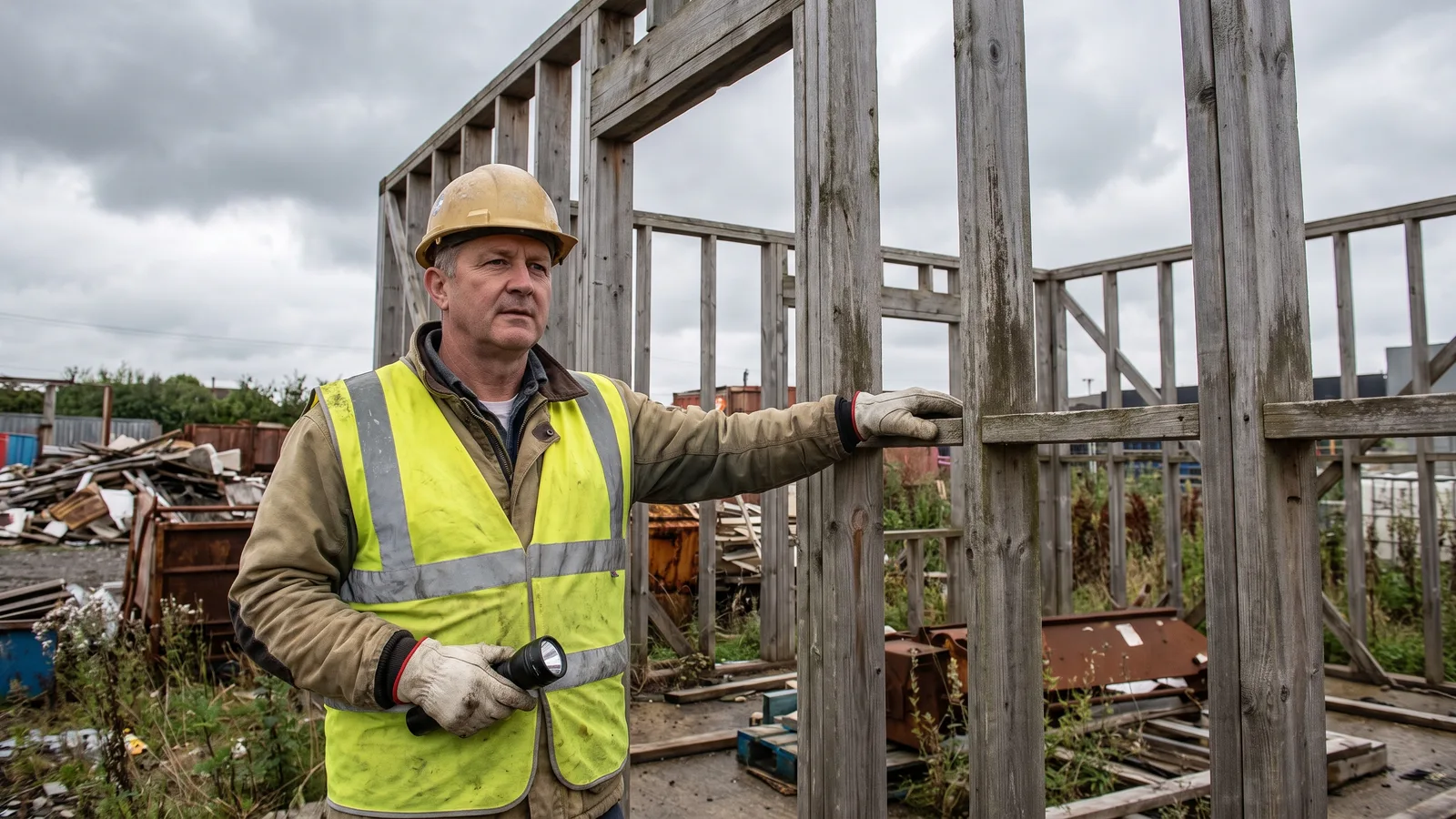
Even on a live permit, you cannot quietly modify the job. NCGS 160D-1112 provides that after a building permit has been issued, no changes or deviations from the terms of the application, plans and specifications, or the permit, except where clearly permissible under the North Carolina State Building Code, shall be made until specific written approval of the proposed changes or deviations has been obtained from the inspection department.
Written approval. Not a conversation with the inspector on site, not an email you never got a reply to. This is the provision behind a lot of failed final inspections, where the as-built house does not match the approved drawings because a wall moved, a window changed, or a beam was substituted.
Expiration versus revocation
They are different mechanisms and worth keeping straight.
Expiration happens by operation of time under 160D-1111, without anyone deciding anything. Revocation is an action an inspector takes. Under NCGS 160D-1115, the appropriate inspector may revoke and require the return of any building permit, and the grounds include any substantial departure from the approved application, plans or specifications, and a permit that was mistakenly issued in violation of an applicable State or local law.
That last ground is worth sitting with. A permit issued to you in error is not a permit you get to keep. Owner-builders should also note that under NCGS 87-14 the licensing board reviews the exemption affidavit, and where it determines the applicant was not entitled to the exemption, the permit shall be revoked pursuant to 160D-1115. Our North Carolina owner-builder guide covers that chain.
Our take: the 12 month rule is the one that surprises people, because the project feels alive in their head long after it stopped moving on site. If a job is going to pause, keep the inspection record current before it does, and talk to the department rather than letting the clock run out unremarked. Restarting a live permit is administrative. Restarting an expired one can mean building to a newer code edition.
What to do next
- Check your permit's issue date and work out which clock applies to you.
- Ask your jurisdiction whether it has fixed a period shorter than six months by ordinance.
- If work is about to pause, get an inspection completed first so progress is documented.
- If anything about the plans is changing, get the department's written approval before building it.
- If the permit has already expired, contact the department about a new permit and ask what will be inspected before further work is authorized.
- Run the project through the free permit checker, or start from the North Carolina coverage page to find your county.
The Permit Prep Pack assembles the requirements, documents, inspections and department contact for your specific address.