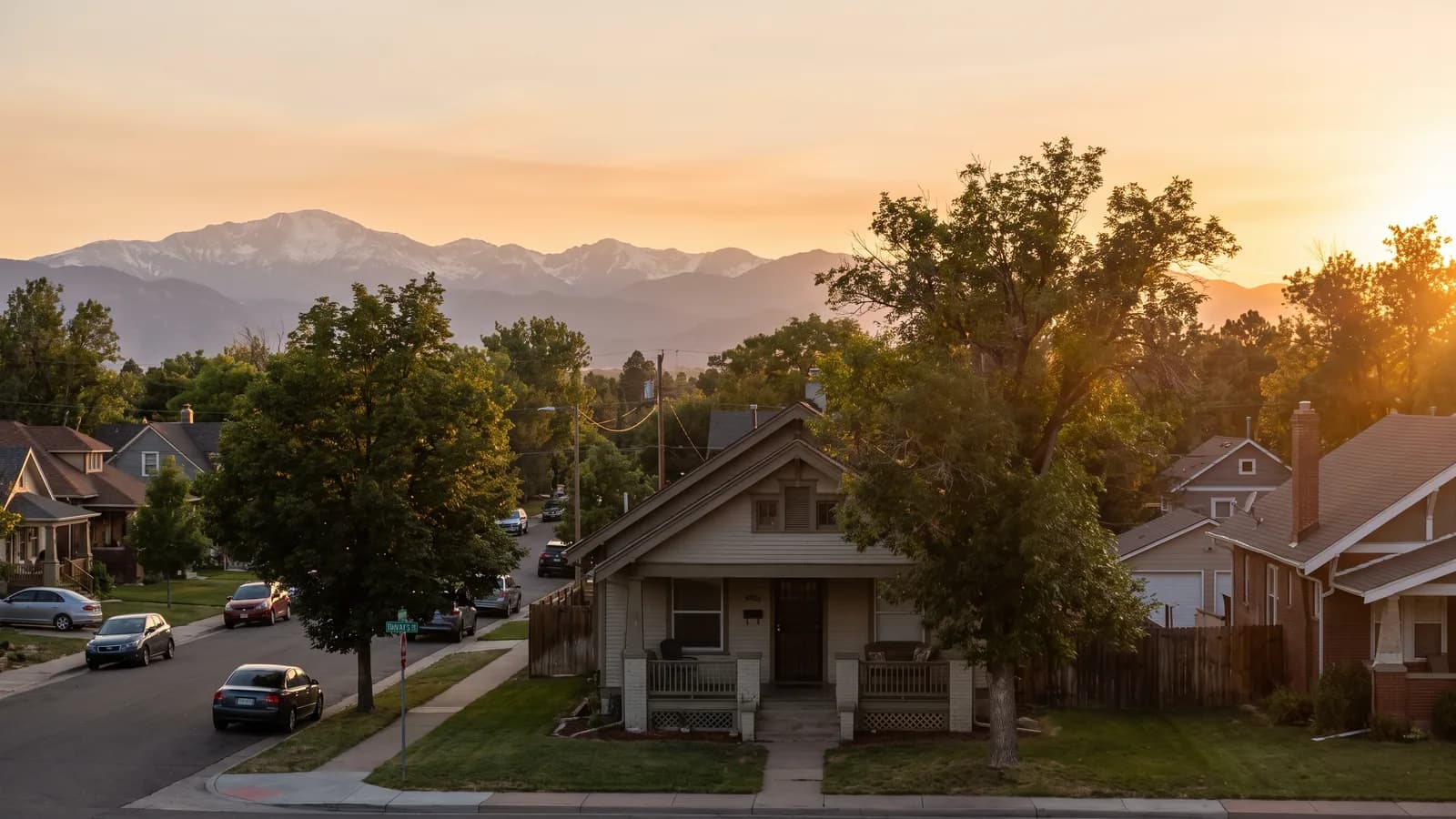
Yes, in most cases you need a building permit in Colorado, but the answer depends entirely on where you live. Colorado has no statewide building code and no statewide permit or dollar-value exemption, so building requirements are set entirely at the local level. That means the rule for your project is written by your city or county, not by the state. Before you buy materials or hire a crew, the safe first step is to confirm the requirements with your local building department. You can also start with our free tool at /check to see what typically applies to a project like yours.
Key takeaways
- Colorado has no statewide building code, so permit rules come from your city or county.
- There is no statewide dollar-value exemption, so do not assume a small job is permit-free.
- Adopted code editions and thresholds can vary across jurisdiction lines.
- Homeowners who own and occupy their home can often act as their own contractor and pull their own permit, subject to local limits.
- Always confirm the specifics with your local building department before starting.
On this page
- Why is there no statewide building code in Colorado?
- How do I find out if my project needs a permit?
- What is the Pikes Peak Regional Building Department?
- Can a homeowner pull their own permit in Colorado?
- Which permits are common for home projects?
- How do requirements differ by metro area?
- What happens if I skip the permit?
Why is there no statewide building code in Colorado? {#no-statewide-code}
Colorado does not adopt a single building code for the whole state. Each city and county adopts its own code, usually based on the International Residential Code (IRC) and International Building Code (IBC), and runs its own permit, plan-review, and inspection process. Because each jurisdiction makes its own choices, the adopted code edition and the thresholds that trigger a permit can vary across jurisdiction lines. A project that needs a permit in one town may follow a different process a few miles away.
The model codes these jurisdictions build on are published by the International Code Council, but the version in force and the local amendments are decided locally. That is why there is no single answer that covers the whole state, and why confirming with your local department matters.
How do I find out if my project needs a permit? {#find-out}
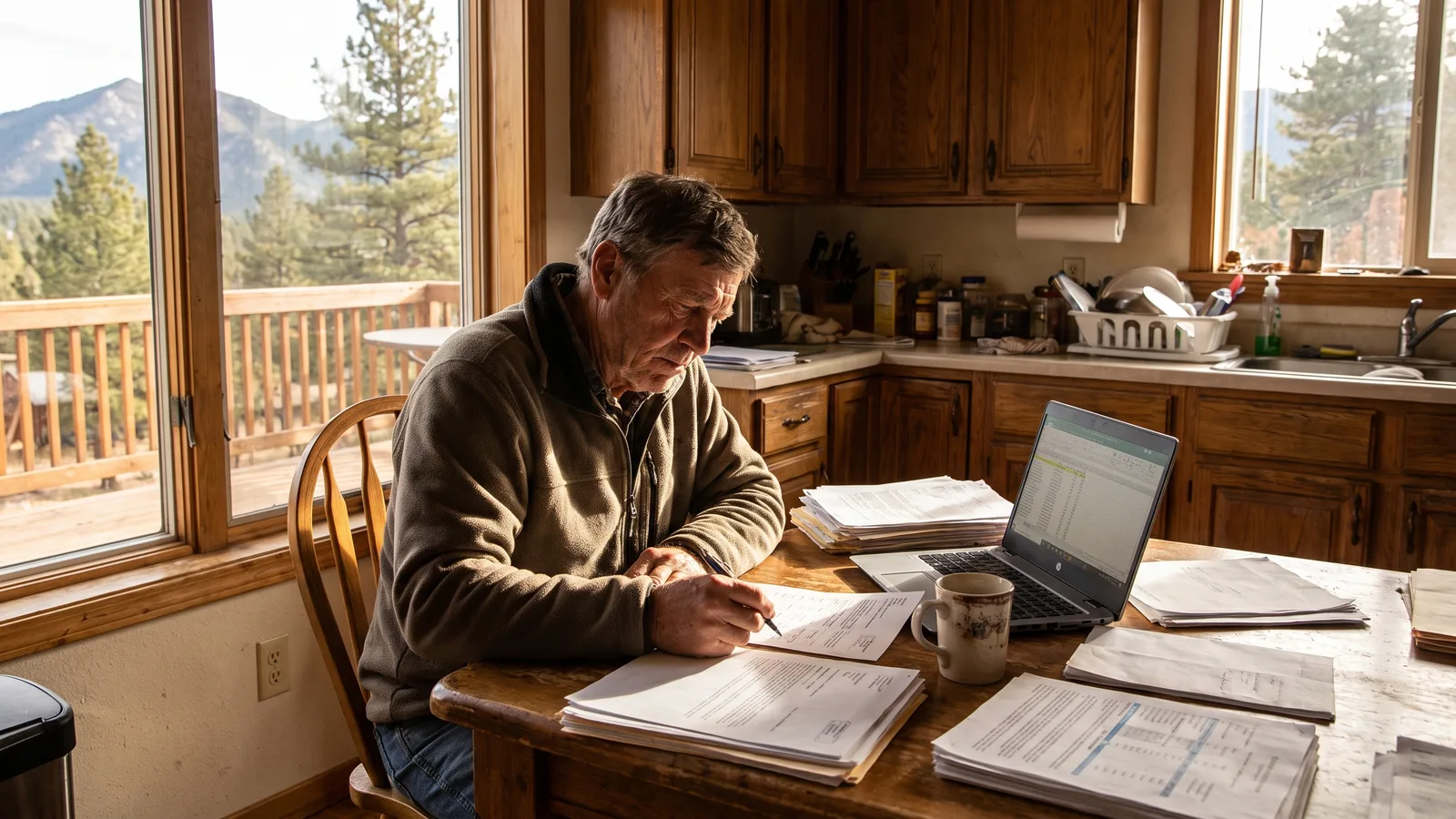
Start by identifying the jurisdiction that governs your address. If you live inside city limits, that is usually your city building department. If you are in an unincorporated area, it is the county. Once you know who has authority, contact that department or check its website for the permit rules that apply to your specific project.
You can also use our Colorado hub to reach the metro pages we cover, or jump straight to a county page such as Denver, El Paso, Jefferson, or Arapahoe. For a common project like adding a solar array, our solar panels page walks through what is typically involved before you confirm the details locally.
What is the Pikes Peak Regional Building Department? {#pikes-peak}
In the Colorado Springs area, the Pikes Peak Regional Building Department permits several jurisdictions at once. Instead of each city and the county running fully separate permit counters, this regional department handles permitting, plan review, and inspections across multiple jurisdictions in the region. If your project is in or around Colorado Springs, this is likely the office you will work with.
Because a regional body covers more than one jurisdiction, it is worth confirming which local rules apply to your exact address. You can review its process directly through the Pikes Peak Regional Building Department, and see the metro details on our El Paso County page.
Our take: The single biggest mistake we see in Colorado is assuming a friend's experience in another town applies to your address. With no statewide code, the only reliable answer comes from the department that governs your specific property.
Can a homeowner pull their own permit in Colorado? {#owner-builder}
Often, yes. Colorado has no statewide general-contractor license, and general-contractor licensing is handled locally, so a homeowner who owns and occupies the home can generally act as their own contractor and pull their own permit. This owner-builder path can save money on smaller projects, but it also means you take on responsibility for meeting code and passing inspections.
Some jurisdictions limit an owner-builder to one residence within a set period, so confirm the local rule with your building department before you rely on this. Note that while general-contractor licensing is local, electricians and plumbers are licensed by the state through the Colorado Division of Professions and Occupations. Electrical and plumbing work usually needs a licensed trade professional even when you are acting as your own general contractor.
Which permits are common for home projects? {#common-permits}
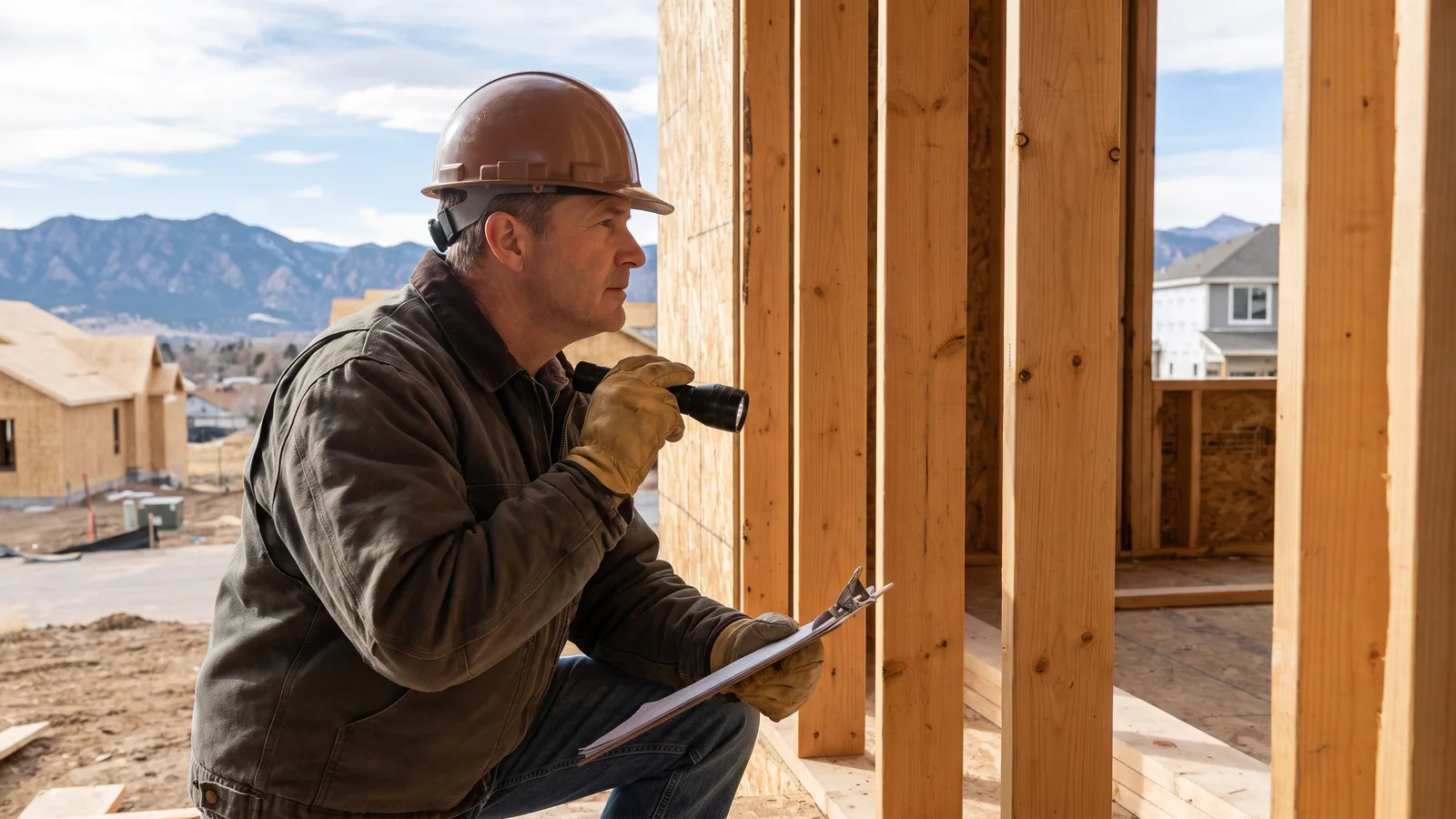
The permit you need depends on the work. The table below shows the general categories many Colorado jurisdictions use, but the exact triggers and fees are set locally.
| Project type | Commonly needs a permit? | Who to confirm with |
|---|---|---|
| Structural additions and new construction | Usually yes | Local building department |
| Electrical work | Usually yes, licensed trade | Local department plus state-licensed electrician |
| Plumbing changes | Usually yes, licensed trade | Local department plus state-licensed plumber |
| Decks and detached structures | Often, depends on size | Local building department |
| Solar panel installation | Usually yes | Local building department |
| Minor cosmetic repairs | Often no | Local building department |
Because there is no statewide dollar-value exemption, do not assume a low-cost job skips the permit. Verify each project with the department that governs your address.
How do requirements differ by metro area? {#metro-areas}
The Front Range and Colorado Springs regions each handle permits through their own local offices. We maintain pages for the metro areas where most readers live, including Denver County, El Paso County, Jefferson County, and Arapahoe County.
| Metro area | Example jurisdictions | Our page |
|---|---|---|
| Denver | Denver | /colorado/denver |
| Colorado Springs | El Paso County, Pikes Peak Regional Building | /colorado/el-paso |
| West metro | Lakewood, Arvada, Golden, Wheat Ridge | /colorado/jefferson |
| South metro | Aurora, Centennial, Littleton, Englewood | /colorado/arapahoe |
Each jurisdiction adopts its own code edition and sets its own thresholds, so use these pages as a starting point and confirm the current rules with the local department.
What happens if I skip the permit? {#skip-permit}
Skipping a required permit can lead to stop-work orders, fines, and trouble when you sell or insure the home. Unpermitted work may have to be exposed, corrected, or redone to pass inspection later. Because rules and enforcement vary by jurisdiction, the cost of getting it wrong is hard to predict, which is one more reason to confirm requirements up front.
If you are weighing a move to or from a nearby state, our sibling guides on whether you need a permit in Arizona and Texas walk through how those states handle the same questions.