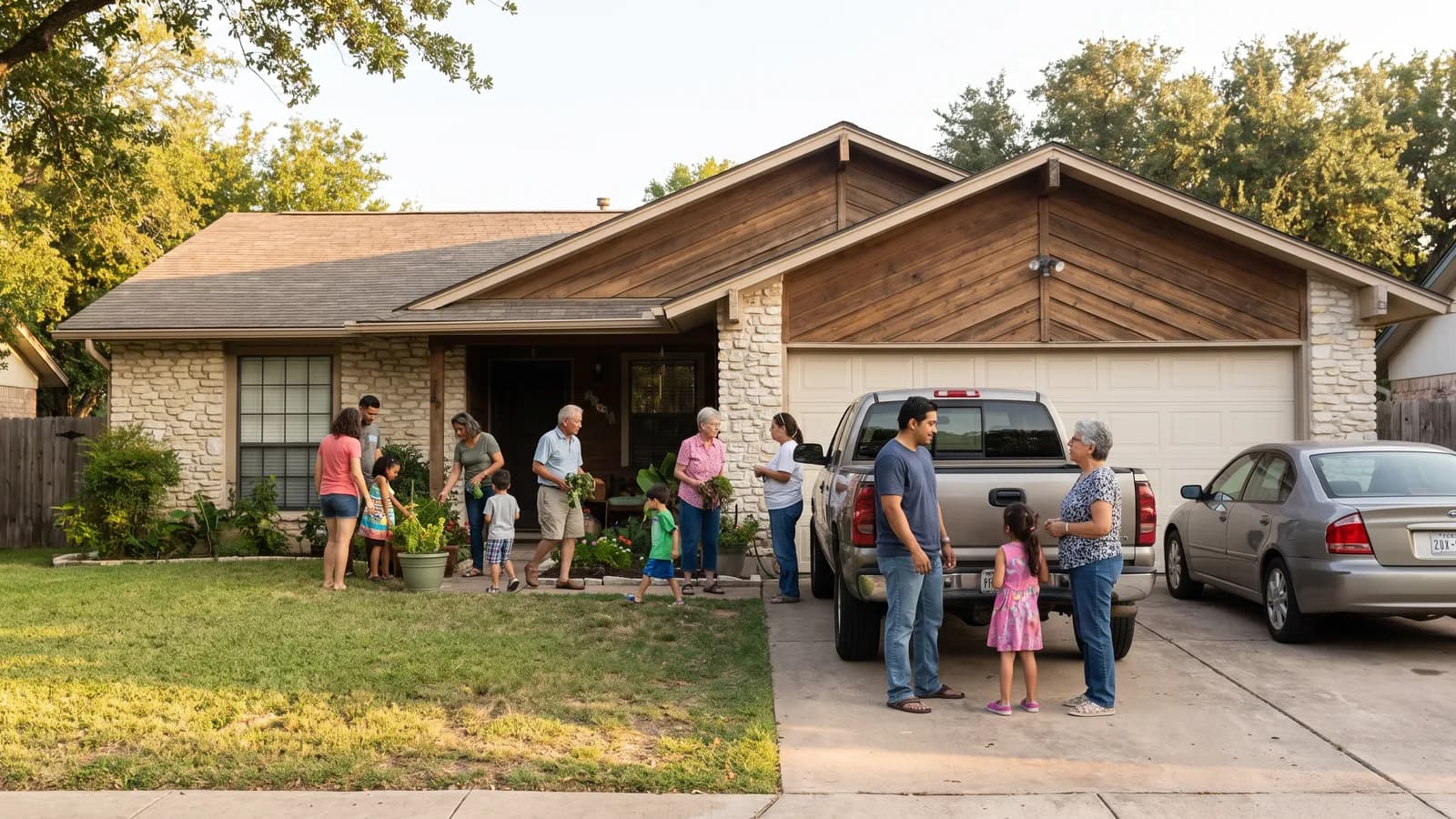
Wondering do I need a building permit in Texas? For most structural, electrical, plumbing, mechanical, and major exterior work the answer is yes, but Texas does this differently than many states. There is no statewide building code and no single statewide permitting agency, so the requirement comes from your city or county, not from Austin. That means the honest first step is to confirm with your local building department. You can also run your project through our free permit checker to see what typically applies before you call.
Key takeaways
- Texas has no statewide building code and no statewide permitting agency, so permit rules are set and enforced locally by each municipality.
- There is no statewide dollar-value threshold that automatically exempts a project from needing a permit; it depends entirely on your local jurisdiction.
- Many Texas counties have only limited authority to require building permits for one- and two-family homes in unincorporated areas, so rules outside city limits can differ sharply.
- Texas has no statewide residential contractor or homebuilder license, so an owner who lives in the home can often pull permits as an owner-builder.
- When you are unsure, assume a permit may be required and confirm with the local building department before you start.
On this page
- Does Texas have a statewide building code?
- Do I need a permit if I live outside city limits?
- Can I pull my own permit as a homeowner in Texas?
- What usually needs a permit vs what usually does not?
- How do I find the right building department?
- What happens if I skip the permit?
Does Texas have a statewide building code?
No. Texas has no statewide building code and no statewide permitting agency. Instead, Texas municipalities adopt and enforce the International Residential Code locally under Chapter 214 of the Texas Local Government Code, and each city can add its own local amendments on top of that model code.
Because the code is adopted city by city, the same project can be handled differently in two neighboring towns. One city may require a permit for a project that a nearby city treats as exempt, and local amendments can change inspection requirements, submittal documents, and how the code is interpreted. There is also no statewide dollar-value threshold that exempts a project from needing a permit, so you cannot rely on a cost figure to decide. Always check the rules for your specific address.
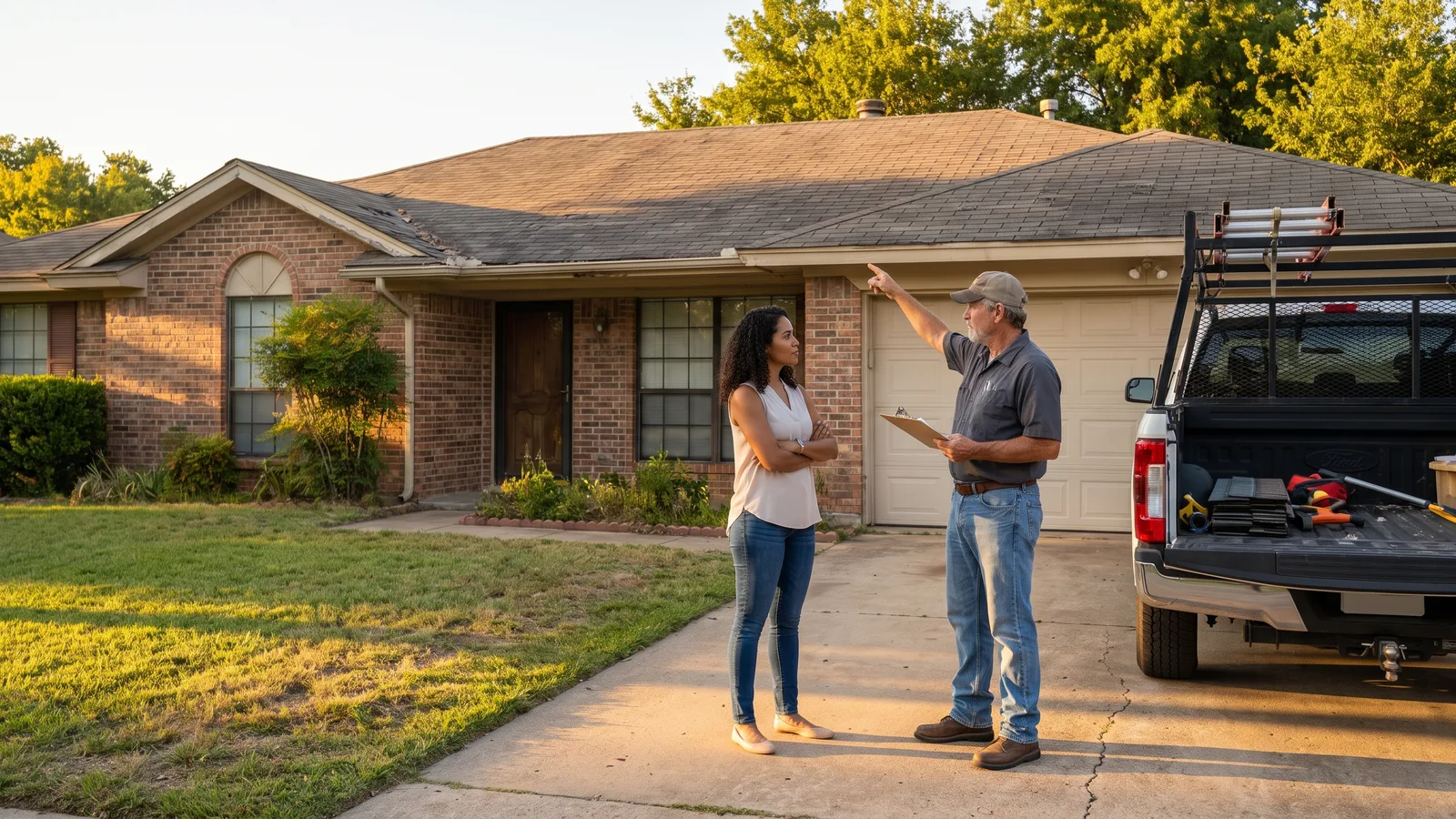
Do I need a permit if I live outside city limits?
Maybe, and the rules can be very different than inside a city. Many Texas counties have only limited authority to require building permits for one- and two-family homes in unincorporated areas, so outside city limits the permitting picture often looks nothing like it does downtown.
That limited county authority does not mean no rules apply. You may still face requirements tied to septic systems, floodplain management, utility districts, deed restrictions, or a municipality's extraterritorial jurisdiction. Because the answer swings so widely by location, homeowners in unincorporated parts of counties like Harris or Travis should call the county directly and confirm what does and does not require a permit before starting work.
Can I pull my own permit as a homeowner in Texas?
Often yes. Texas has no statewide residential contractor or homebuilder license, so an owner who lives in the home can generally act as their own general contractor and pull permits as an owner-builder. This can make smaller projects on your primary residence more straightforward to handle yourself.
That said, local rules still govern the details. Cities can maintain their own contractor-registration requirements for trades such as electrical or plumbing, and some jurisdictions have specific owner-builder or homestead-permit procedures. Confirm the exact contractor-registration and homestead-permit rules with your local building department first, and remember that pulling the permit means you are responsible for the work meeting code and passing inspection.
What usually needs a permit vs what usually does not?
As a general rule, work that affects structure, electrical, plumbing, mechanical systems, or major exterior elements commonly needs a permit, while small cosmetic work often does not. The table below is a general guide only, framed as what commonly applies, and every item must be confirmed with your local building department.
| Commonly needs a permit | Commonly does not (confirm locally) |
|---|---|
| Structural changes, additions, and new construction | Interior painting and wallpaper |
| Electrical, plumbing, and HVAC/mechanical work | Minor trim, molding, and finish carpentry |
| Water heater replacement | Replacing cabinet hardware or fixtures like faucets |
| Roof replacement and reroofing | Installing flooring over an existing subfloor |
| Decks, patios, and many detached structures | Small cosmetic repairs |
Projects like a roof replacement frequently require a permit and inspection, so treat this table as a starting point rather than a final answer. When in doubt, ask before you begin.
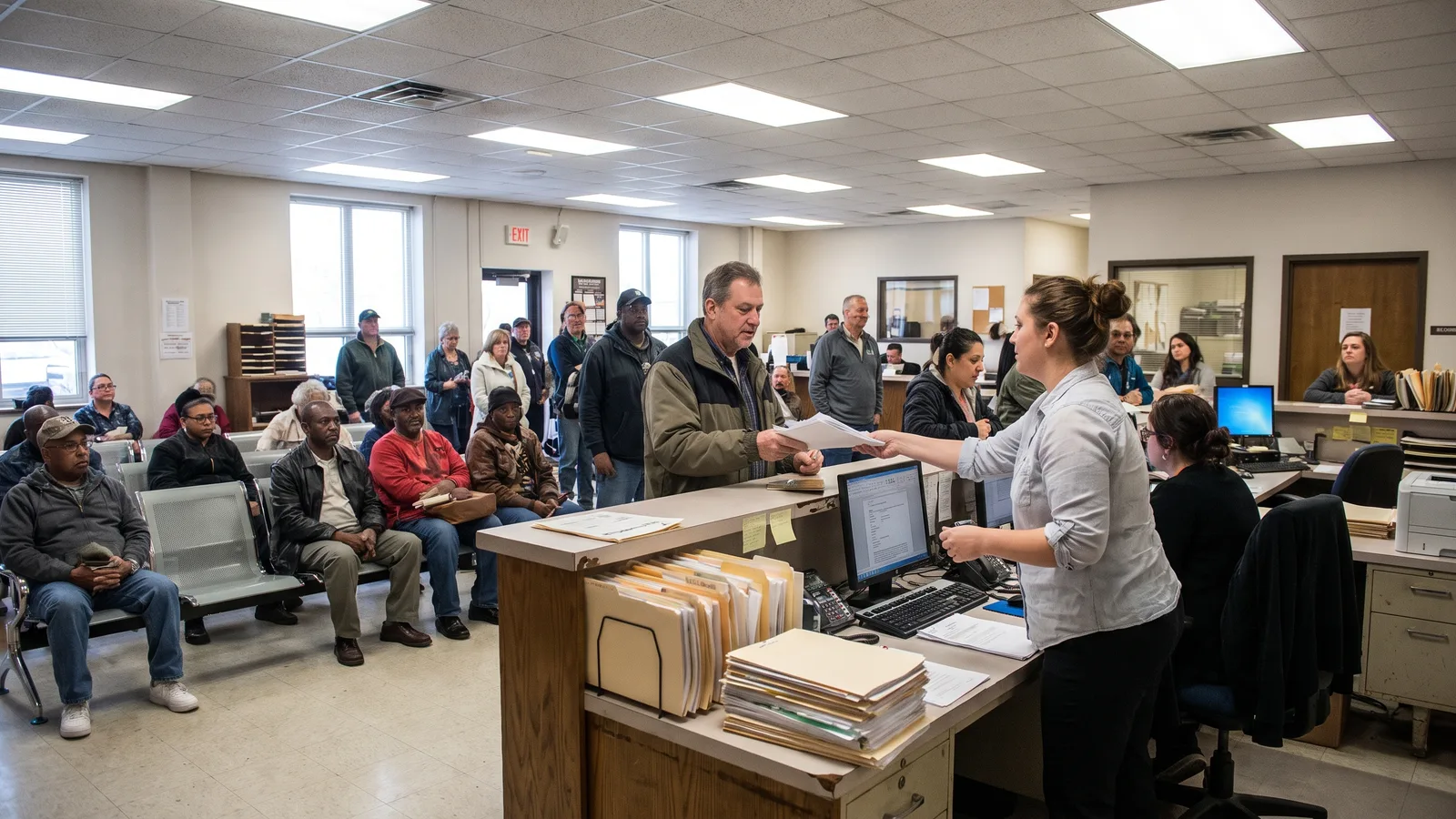
How do I find the right building department?
Start with the city your address falls inside, and if you are unincorporated, start with the county. Because Texas enforces permitting locally, the correct department is whichever jurisdiction has authority over your specific property.
Our Texas hub organizes guidance by metro area, and the site has dedicated pages for the state's largest counties and their major cities.
| County | Major cities covered |
|---|---|
| Harris County | Houston, Pasadena, Baytown |
| Dallas County | Dallas, Garland, Irving |
| Travis County | Austin, Pflugerville, Cedar Park |
| Bexar County | San Antonio, Live Oak, Schertz |
Start with the free permit checker to see what typically applies to your project, then confirm the specifics with the department that covers your address.
Our take: A false "no permit needed" is the dangerous direction. When you are unsure, assume a permit may be required and confirm with your local building department before starting.
What happens if I skip the permit?
Skipping a required permit can create real problems, even if the work looks fine. Jurisdictions can require you to stop work, apply for the permit after the fact, expose finished work for inspection, or bring the project up to code, and specific penalties are set locally.
Unpermitted work can also surface later when you sell, refinance, or file an insurance claim, and it can complicate appraisals and closings. Because the consequences and any fees vary by jurisdiction, the safest path is to confirm requirements up front. If you want to compare how other states handle this, see our guides on whether you need a permit in Arizona and Tennessee.