
Demolishing a structure in Florida generally requires a demolition permit, and there are safety steps to complete before anything comes down. A demolition permit in Florida confirms utilities are disconnected, hazards are addressed, and debris is handled properly. Tearing down a house, a detached garage, or a large accessory building is permitted work, and skipping it creates real liability, especially where gas, electric, water, and older materials are involved.
Key takeaways
- Demolishing a building in Florida generally requires a demolition permit.
- Utilities must be safely disconnected and capped before demolition begins.
- Older structures can involve environmental steps, so plan for hazardous-material checks.
- Partial demolition tied to a remodel is often handled within the remodel permit.
Table of contents
- Do you need a permit for demolition in Florida?
- What has to happen before demolition starts?
- Is partial demolition different from a full teardown?
- Who handles demolition and the utility disconnects?
- A quick example: removing a detached garage in Orange County
- What happens after the structure is down?
Do you need a permit for demolition in Florida?
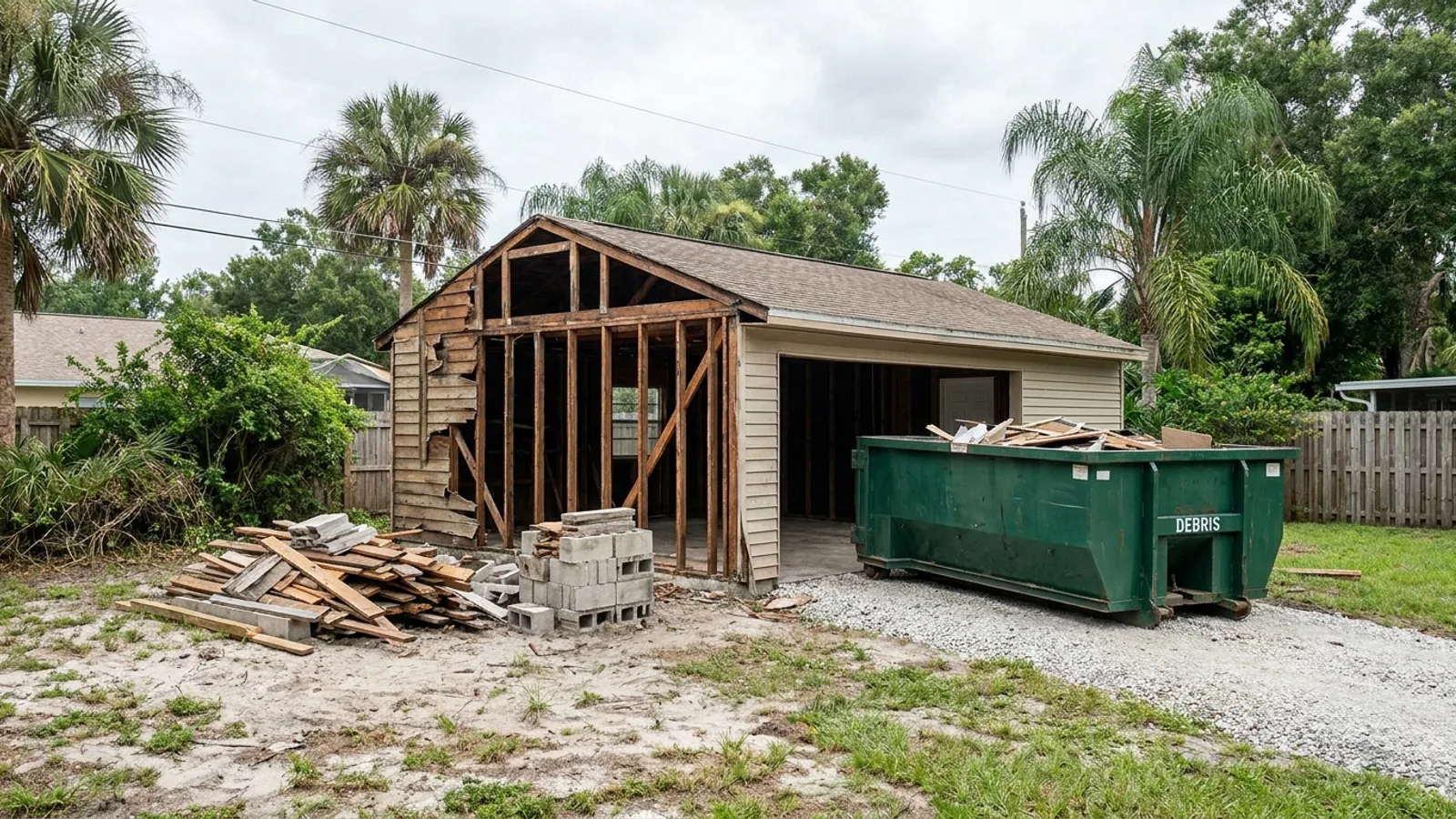
Yes, for most structures. Demolishing a house, a detached garage, or a substantial accessory building is permitted work in Florida, because it involves disconnecting utilities, protecting neighboring property, and disposing of debris safely. The demolition permit is how the jurisdiction confirms those steps happen in the right order.
Small teardowns tied to a larger project, like removing a wall during a remodel, are often folded into that project's permit rather than a standalone demolition permit. If your demolition is part of a remodel, review our kitchen remodel guide or broader project pages. Use our permit checker to see what your scope needs.
What has to happen before demolition starts?
The pre-demolition steps are where the real risk lives. Utilities have to be disconnected and capped so you are not cutting into live power, gas, or pressurized water. Depending on the structure's age, there can be checks for hazardous materials that must be handled by qualified professionals, not thrown in a dumpster.
| Step | Why it matters |
|---|---|
| Disconnect electric | Prevents shock and fire during teardown |
| Cap gas | Prevents leaks and explosion risk |
| Disconnect and cap water and sewer | Prevents flooding and contamination |
| Check for hazardous materials in older structures | Legal handling and disposal |
| Plan debris disposal | Proper, lawful removal |
The demolition permit exists partly to make sure these are done and verified, not assumed.
Is partial demolition different from a full teardown?
Usually, yes. Removing part of a structure as part of a remodel, taking out a non-load-bearing wall or gutting a room, is commonly covered by the remodel or alteration permit rather than a separate demolition permit. Taking down an entire building is where a standalone demolition permit is the norm.
Be careful with structural elements. Removing a load-bearing wall is its own permitted, engineered item even inside a remodel, because the rest of the structure depends on it.
Who handles demolition and the utility disconnects?
Demolition of a building is typically done by a licensed contractor, and the utility disconnects are coordinated with the utility providers. As an owner-occupant you may be able to permit some smaller demolition yourself, but the utility and hazard steps are where most homeowners rely on professionals.
If you are weighing the owner path, our contractor vs owner-builder guide explains the responsibilities involved. For a full structure teardown, hiring a licensed demolition contractor is the common route.
A quick example: removing a detached garage in Orange County
A homeowner in Orange County wants to remove an old detached garage. They pull a demolition permit, arrange for the electric and water serving the garage to be disconnected and capped, confirm no hazardous materials need special handling, take the structure down, dispose of the debris properly, and pass a final inspection of the cleared site.
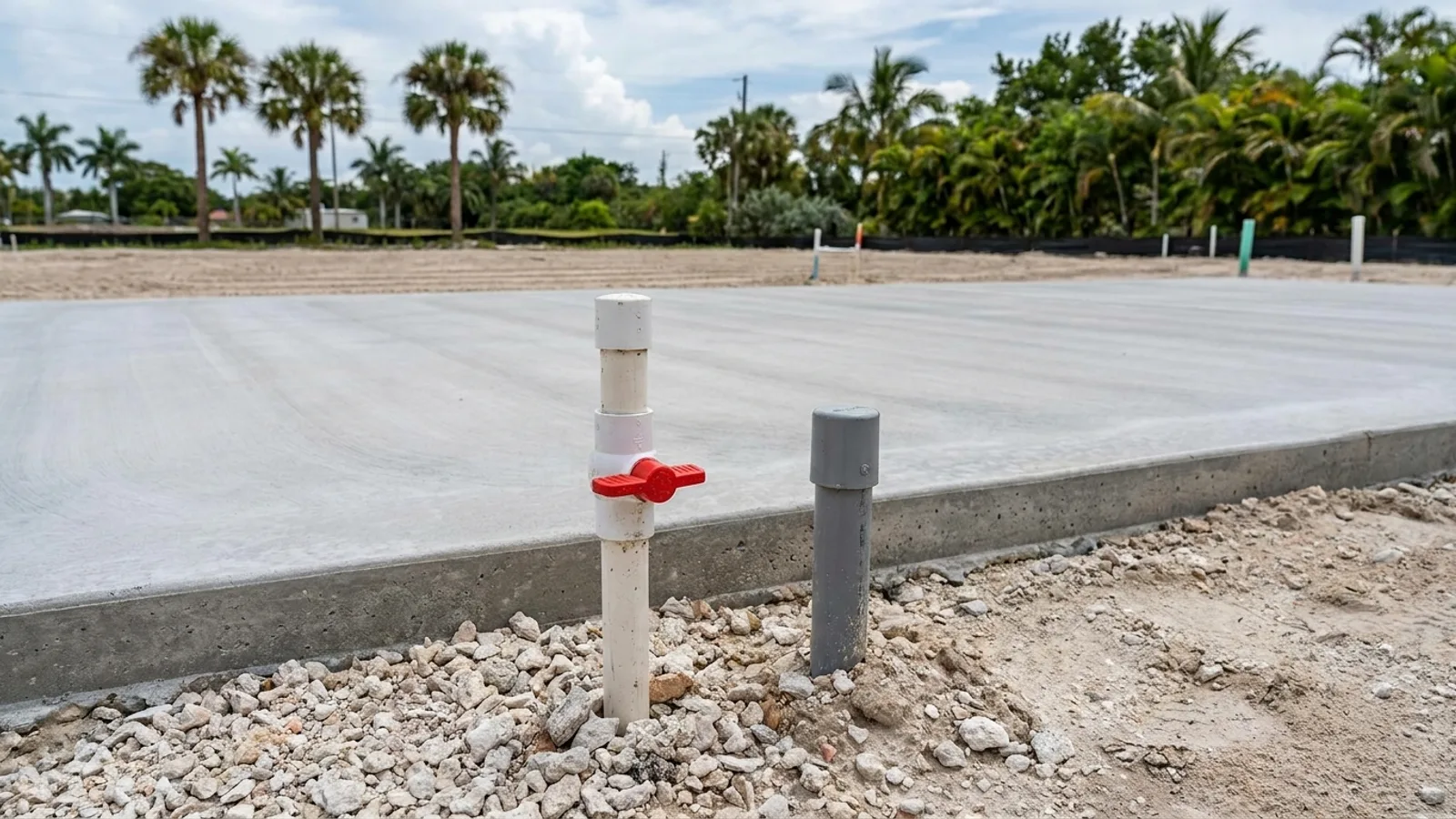
The permit adds a short administrative step and a final inspection, and it documents that the teardown was done safely, which matters for the property record.
Our take: Do not demolish without a permit. The danger is not the teardown itself but the live utilities and older materials behind it. The permit is what forces those hazards to be handled before the structure comes down.
What happens after the structure is down?
A final inspection typically confirms the site is cleared, utilities are properly capped, and the area is left safe. That closed permit becomes part of your property record and shows the demolition was done to code, which is what a future buyer or an appraiser will look for.
If you are demolishing to build something new, coordinate the demolition and the new construction permits so the site transitions cleanly from one to the next.
It is also worth notifying neighbors and confirming how debris will leave the site, since demolition generates dust, noise, and truck traffic. Some jurisdictions want erosion or dust control on larger jobs, and reputable contractors build that into the plan. Handling the utility disconnects, the hazard checks, and the debris logistics up front is what separates a clean, permitted teardown from one that draws complaints or a stop-work order partway through.