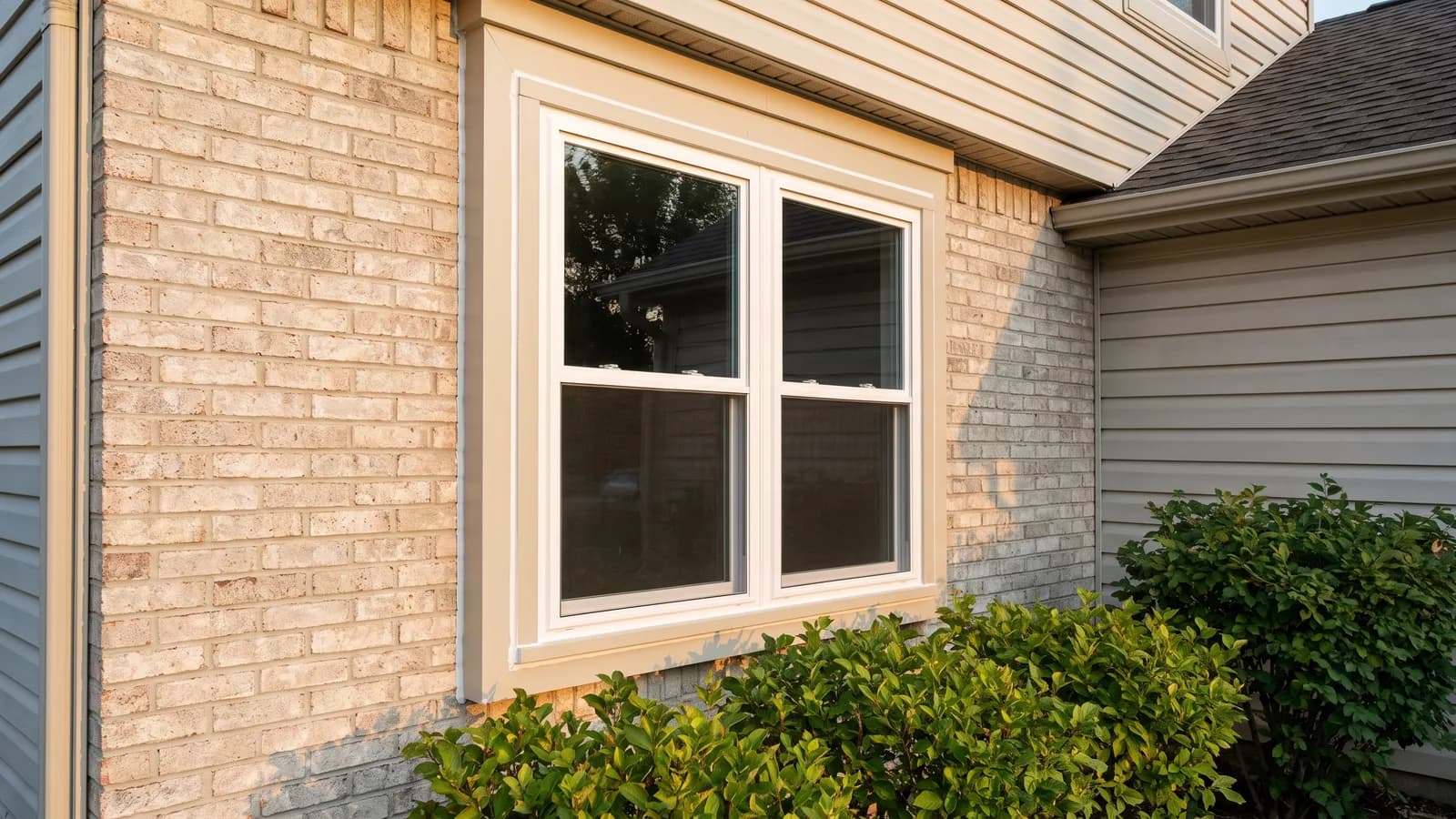
Whether replacing windows needs a permit in Georgia is decided by your city or county, because Georgia deleted the code chapter that lists permit-exempt work. What the state does decide is how the windows themselves must perform, and there is one Georgia amendment worth knowing before you shop: effective January 1, 2026, Georgia deleted the residential code's window fall protection section without substitution.
Key takeaways
-
Georgia sets no statewide permit threshold for window replacement. IRC Chapter 1, where the exempt-work list sits, is deleted by the Georgia amendments.
-
Whether a replacement is treated as like-for-like or as an alteration usually turns on whether you are changing the size, shape or location of the opening.
-
Georgia's amendments to the 2024 International Residential Code delete Section R321.2, Window fall protection, without substitution, and retitle Section R321 from "Guards and window fall protection" to simply "Guards."
-
Energy performance is not in the residential code in Georgia. Part IV, Energy Conservation, is deleted and replaced by the Georgia State Minimum Standard Energy Code.
-
Emergency escape and rescue opening requirements still apply to bedrooms, and they are the most common reason a window swap fails inspection.

Do I need a permit to replace windows in Georgia
Ask your jurisdiction, because Georgia does not answer it for you. The base International Residential Code contains a list of work exempt from permits in Chapter 1, and the Georgia amendments delete Chapter 1 without substitution, leaving it as a reference and guide for local governments developing their own administrative procedures.
In practice, most Georgia jurisdictions that enforce the codes distinguish between two situations, and the distinction is worth understanding before you call.
| What you are doing | How it is usually treated |
|---|---|
| Same size window into the existing opening | Often a simple permit, sometimes exempt locally |
| Changing the size, shape or location of the opening | Alteration, structural review likely |
| Adding a new window where there was none | New opening, structural review |
| Converting a window to a door or vice versa | Alteration, structural review |
| Bedroom window affected by the change | Egress requirements apply regardless |
The reason the second row matters is structural. Cutting or widening an opening in a load-bearing wall changes how loads travel, and the header has to be sized for it. That is not a cosmetic change no matter how it looks from inside.
The Georgia amendment that surprises people
Georgia removed the window fall protection requirement from its residential code. The amendment revises the Section R321 heading from "Guards and window fall protection" to "Guards," and then deletes Section R321.2, Window fall protection, without substitution, effective January 1, 2026.
In the model code, that section addresses windows whose sill sits below a certain height above the floor where the exterior drop is significant, and requires either a limited opening or a window opening control device.
Two things to be clear about. First, this is a Georgia amendment to the state code, and a local government may adopt requirements not less stringent than the state codes based on local climatic, geologic, topographic or public safety factors, so your jurisdiction could still require it. Second, and more importantly, a code no longer requiring something is not the same as the hazard going away. Window falls are a real risk for young children in upper-story rooms, and opening control devices and window guards remain inexpensive and widely available. Removing a requirement changes what an inspector checks, not what gravity does.
Bedroom windows and the egress rule
This is where window projects most often fail. Sleeping rooms need emergency escape and rescue openings that meet minimum clear opening dimensions, minimum clear opening area, and a maximum sill height above the floor.
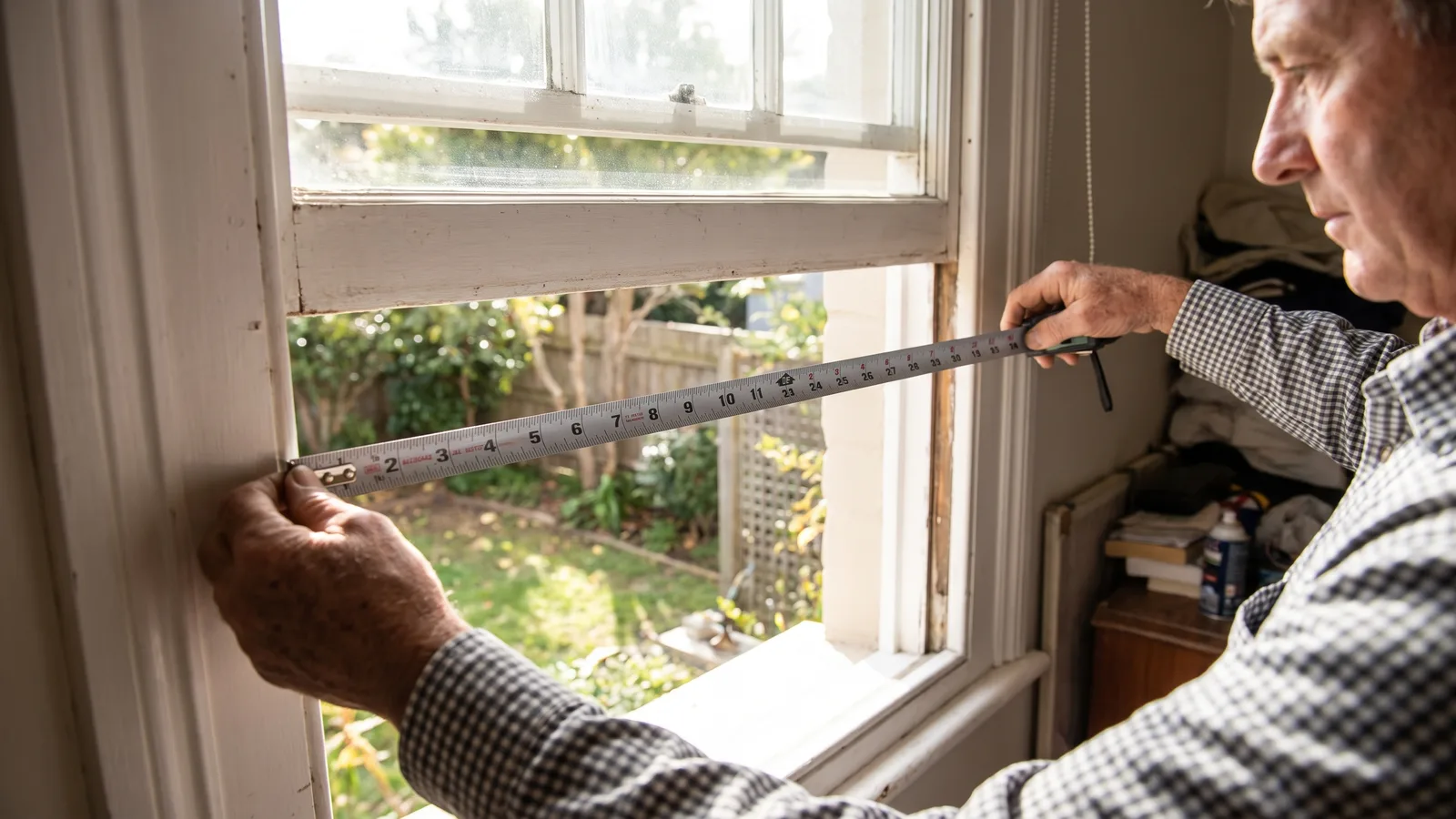
The trap is that replacement windows are usually inserted into the existing frame, which shrinks the clear opening. A window that met egress when the house was built can fail after a like-for-like insert replacement, because the new sash sits inside the old frame.
If any of your windows serve a bedroom, ask your supplier for the clear opening dimensions of the actual unit being installed, not the rough opening, and check them against what your jurisdiction requires. This is the single most useful question to ask before you order.
Where the energy requirements live
Not in the residential code. Georgia deletes Part IV, Energy Conservation, from the IRC and substitutes the Georgia State Minimum Standard Energy Code, which is the International Energy Conservation Code with Georgia supplements and amendments.
That matters when a contractor quotes glazing performance. The U-factor and solar heat gain coefficient requirements that apply to your replacement come from the energy code, and the labels on the units are how compliance is normally demonstrated. Keep the labels or the product documentation, because inspectors ask for them.
Our take: the permit is rarely the hard part, and the egress measurement usually is. Order bedroom windows on the clear opening of the actual unit rather than the rough opening, and if you are enlarging any opening at all, treat it as structural work from the start. Both mistakes are far cheaper to avoid than to correct once the units are on site.
What to ask before you order
- Does this jurisdiction require a permit for like-for-like window replacement?
- Am I changing the size, shape or location of any opening? If yes, what structural documentation do you want?
- What are the clear opening requirements for bedroom windows here?
- What is the clear opening of the specific unit I am ordering, with the frame it will sit in?
- What energy code performance values apply, and do you want to see the labels at inspection?
- Has this jurisdiction adopted any local amendment reinstating window fall protection?
What to do next
Confirm which authority permits your address first, using our guide to finding the right building department, since a Georgia property can carry a city mailing address while sitting in unincorporated county.
Then run the project through the free permit checker and see the windows and doors project page for the documents and inspections typically involved. The Georgia permit process guide explains why so much here is local, and the Permit Prep Pack assembles the requirements and department contact for your specific address.